
-
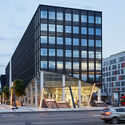
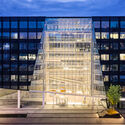
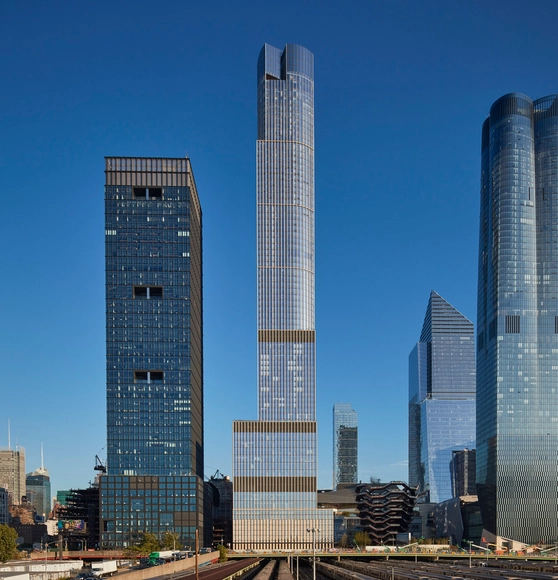
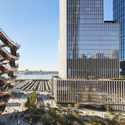
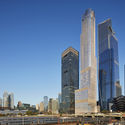
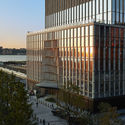
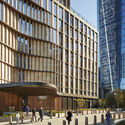
Architects: Skidmore, Owings & Merrill
- Area: 1055000 ft²
- Year: 2019
-
Manufacturers: Effisus, Franken-Schotter




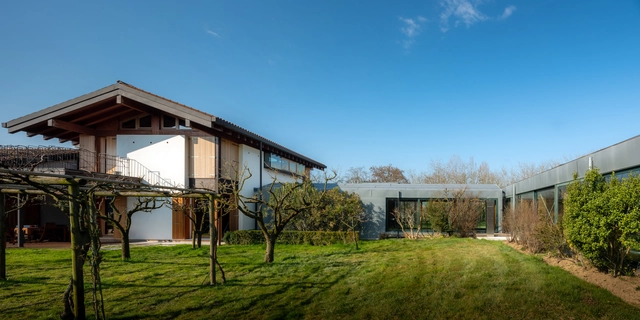
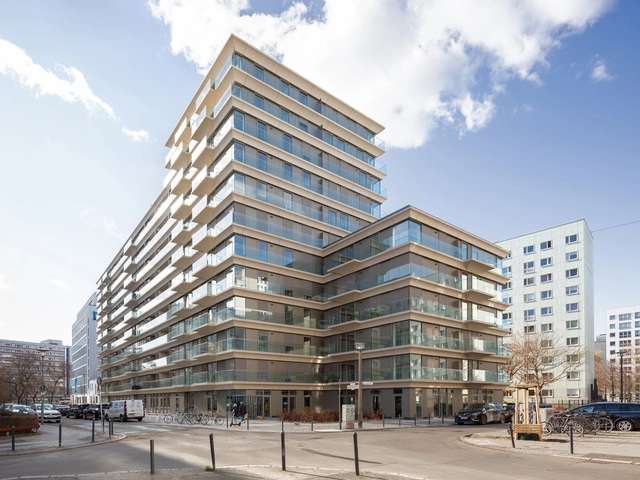


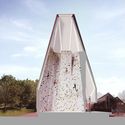
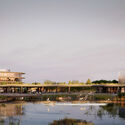
Glenn Howells Architects have won planning permission for a lakeside climbing center in Peterborough, England. The new Olympic standard climbing center aims to be a sustainable landmark for the 1,700-acre Ferry Meadows Park site. The center is made to be a central element of Nene Park Trust’s 2050 vision and 10-year masterplan. The indoor facilities are designed to complement the outdoor activities available across the Park.

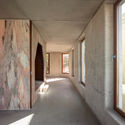
There is a saying that ‘all good architecture leaks’. While likely not intended as an endorsement for water damage, this video takes the phrase seriously by playfully sorting through some of architecture’s greatest leaks. Frank Lloyd Wright was famously dismissive of the many unintentional leaks in his buildings, once telling Mr. Johnson to move his table if he didn’t like it getting rained on. However, there are a number of great intentional leaks throughout architecture as well, such as the entry hall of Peter Zumthor’s Therme Baths in Vals. The walls allow groundwater to seep in from the surrounding mountain while forming beautiful murals out of mineral deposits the water picked up while on its journey through the earth. Whether leaks are intentional or unintentional, they are an inevitable and important reality for architects. There should always be plans for the water that will get into our buildings and this video offers five humorous strategies for making those plans.
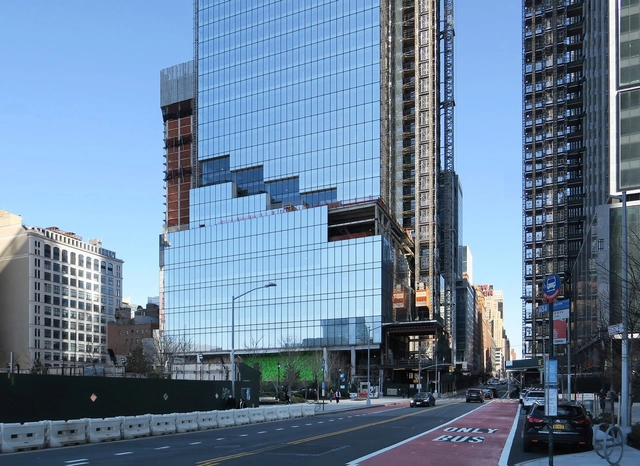
Paul Clemence has just released recent photos of Bjarke Ingels Group’s Spiral skyscraper, an under-construction 1,000 feet tall tower with a series of stepped landscaped terraces. Set for completion in 2022, the highrise that topped out in February of this year, is located at Hudson Yards in New York City.
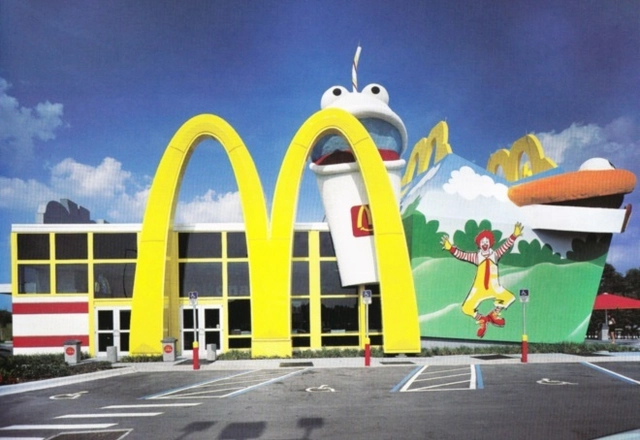
You might not think of McDonald’s as the pinnacle of architectural style, but even the world’s largest fast-food franchise has taken some bold design risks. While the literal “secret sauce” has largely remained the same since the inception of the iconic golden arches, McDonald’s has had its fair share of experimentation and has even hired some of the profession’s most prominent names to put their own spin on the design of these restaurants- turning the repetitive and mundane into one of a kind experiences.

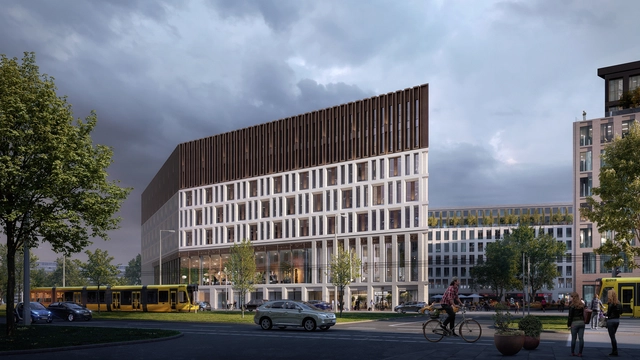
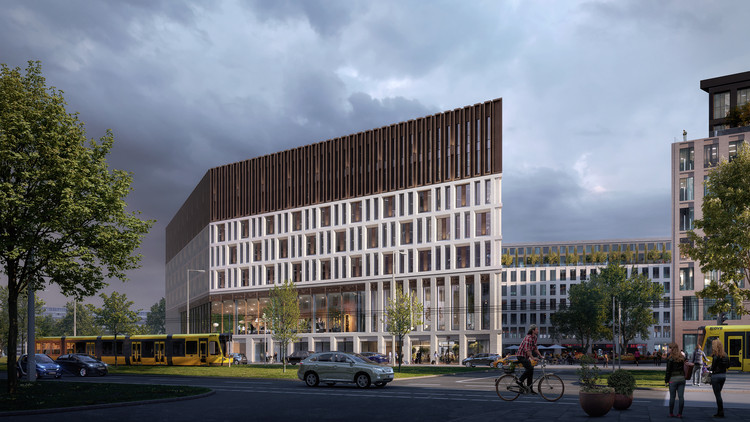
Barcode Architects and Tchoban Voss Architekten have landed the win of the Dresden City Public Administration Headquarters design competition. The proposed building will have a dynamic, three-layered façade that compliments Dresden's architecture and carefully embeds it with its surroundings. The 34,000m2 'Verwaltungszentrum' will be part of a larger urban transformation of the Ferdinandplatz, and is expected to be complete in 2025.
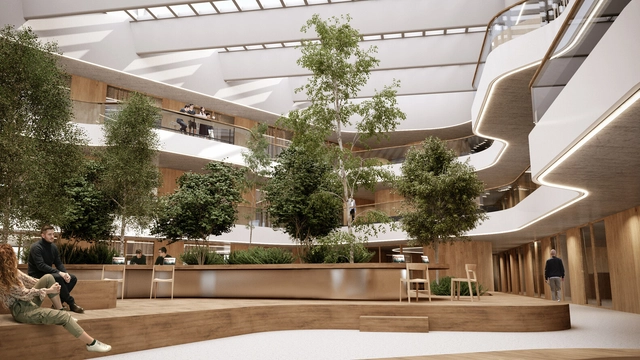
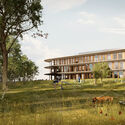
Designed by 3LHD Architects, the new campus for the Croatian electric hypercar manufacturer Rimac brings together a wide array of programs and spaces, from production plant and offices to kindergarten, dormitory and even a sheep meadow. Located in the outskirts of Zagreb, within a natural landscape, the Rimac Campus is organized around two main volumes that follow the site’s natural topography, with several accompanying facilities tucked underneath a green roof that stretches out, meeting the surrounding landscape.
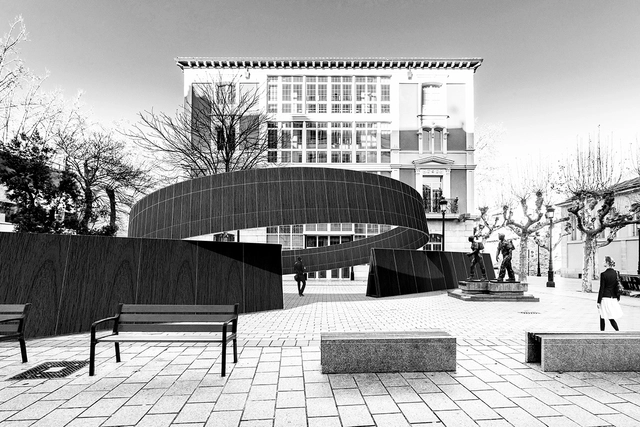
Concéntrico, Logroño's International Architecture and Design Festival, has announced the winning proposals for their three open competitions in three locations in the historic center of Logroño, in Spain.
This edition of the competitions sought to create a Pavilion in the Plaza de Escuelas Trevijano and two interventions, one in the River Ebro walk and the other in Viña Lanciano by Bodegas LAN.