Produce personalized presentation boards that distill complex concepts into simple visual representations with a few helpful tools and effects.


Produce personalized presentation boards that distill complex concepts into simple visual representations with a few helpful tools and effects.

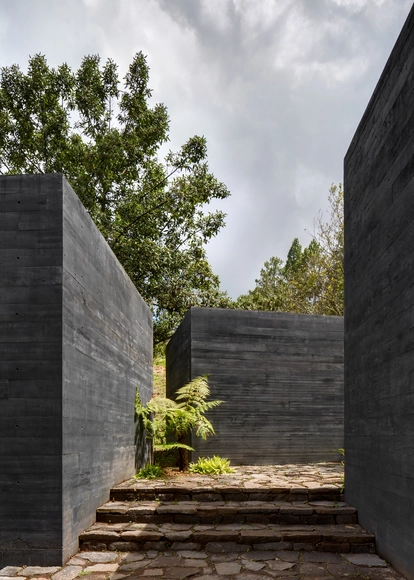
As cliché as it may sound, there are two things that architects really like: exposed concrete and the color black. While concrete offers a distinctive rough aesthetic, emphasizing the tones, textures, and surfaces that shape the concrete mixture, the sobriety that the color black provides allows the architect to highlight specific characteristics precisely. Combining the two seems natural. But black pigmented concrete is not as common as we might imagine. Below we talk a little about the black concrete production process and some projects that use it.

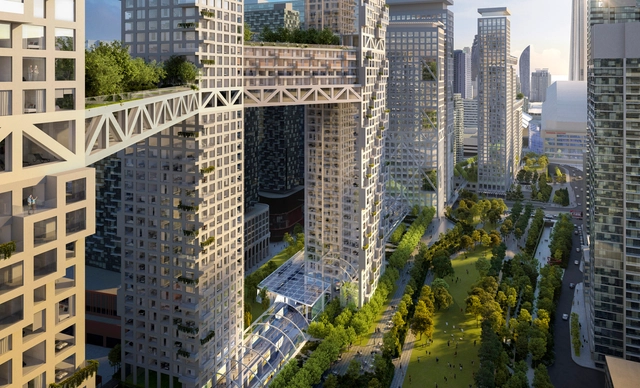
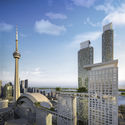
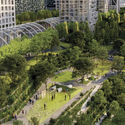
Safdie Architects have released the images of 'ORCA Toronto', a mixed-use urban development with an integrated park in the heart of downtown Toronto. The project covers 6.5 hectares (65,000 sqm) west of the CN Tower, 4.5 hectares (45,000 sqm) of which are dedicated to the publicly-accessible urban park, while 2 hectares (20,000 sqm) are for residential, commercial, retail, and transit facilities. The proposed project reconnects the downtown area to the city’s waterfront, promising to become a vital hub that animates the underutilized parts of the city.
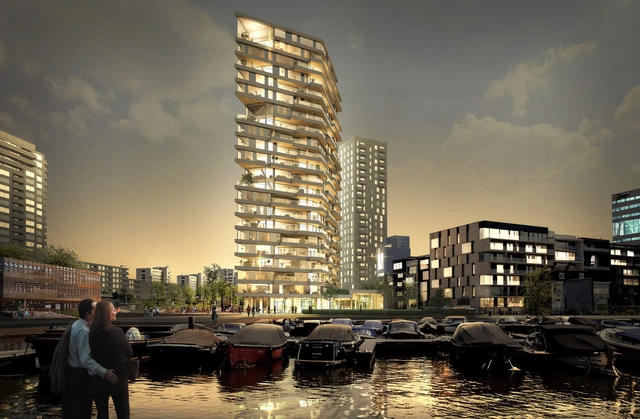
Across the globe, tall wood structures have begun transforming the world of skyscrapers and high-rise buildings, ushering in an important shift to an architectural practice that has traditionally been dominated by steel and concrete. Typically defined as wood-constructed buildings over 14 stories or 50 meters high, the past six years have seen over 44 tall wood buildings built or underway around the world. Notable examples include Michael Green Architecture and DLR Group’s T3 and Team V Architectuur’s upcoming 73 meter residential tower HAUT.
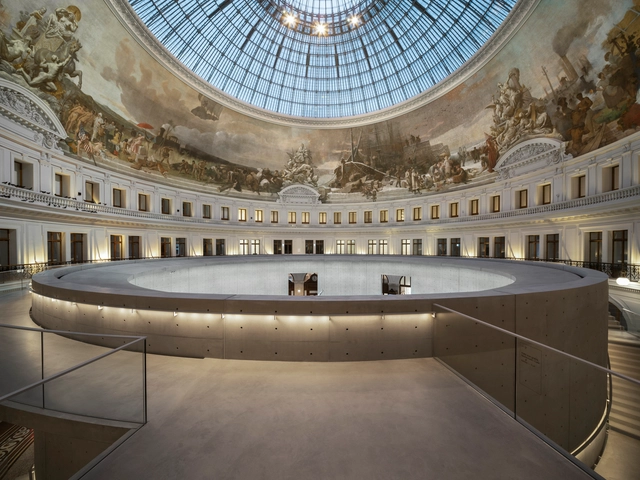
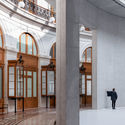
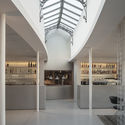
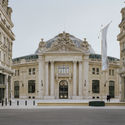
Tadao Ando’s transformation of the historic Bourse de Commerce interweaves past and present, introducing the minimalist aesthetic of a contemporary art venue within the prestigious heritage building whose history spans four decades. The defining architectural gesture in the building’s refurbishment is a circular concrete wall, a new space within the glass-domed rotunda of the former exchange building, which now displays the private collection of notable art collector François Pinault. Images by photographer Cyrille Weiner and photography atelier Think Utopia highlight Tadao Ando’s vision of “architecture within architecture”, showcasing an exemplary restoration accompanied by a highly contemporary yet timeless intervention.
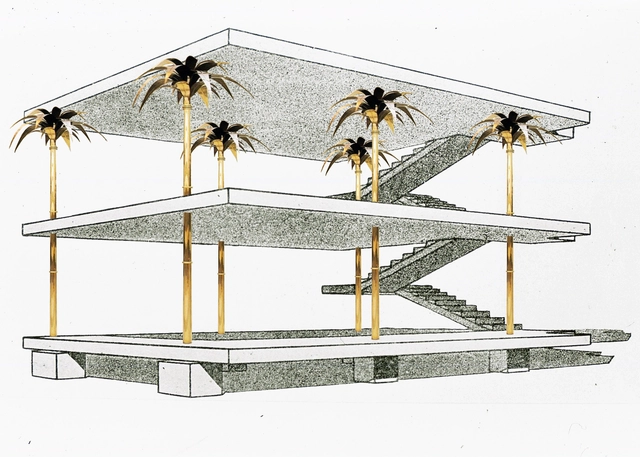
Architecture can be many things, also queer. Alongside many other transgressing words that carry different meanings and perspectives, this term triggers new insights into society and questions how we create architecture and urban planning projects, including their programs and activities. If there is any statement about how architecture should be done, if there is any conviction about what it represents, we wish here to avoid knowing what it is and be able to question its traditions to broaden the profession, its meanings, and social representation.
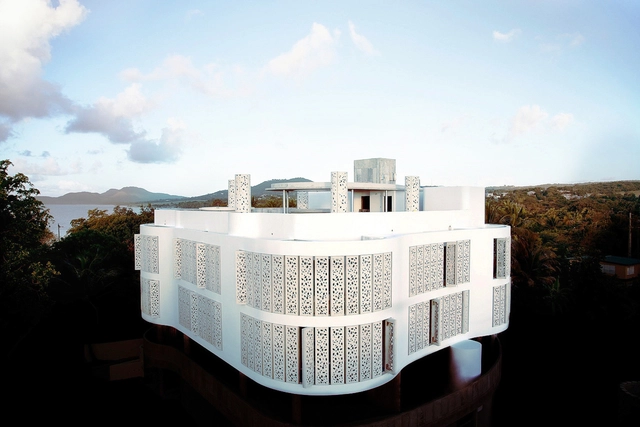
The history of Puerto Rico is reflected in its cities. The territory’s architecture has evolved from simple structures made of wood and thatch to monumental modern works. Shaped by both internal and external forces across its varied landscapes, Puerto Rico’s diverse styles represent over 400 years of Spanish rule and over 100 years as an unincorporated territory of the United States. Today, the island’s modern architecture reflects its multicultural background.
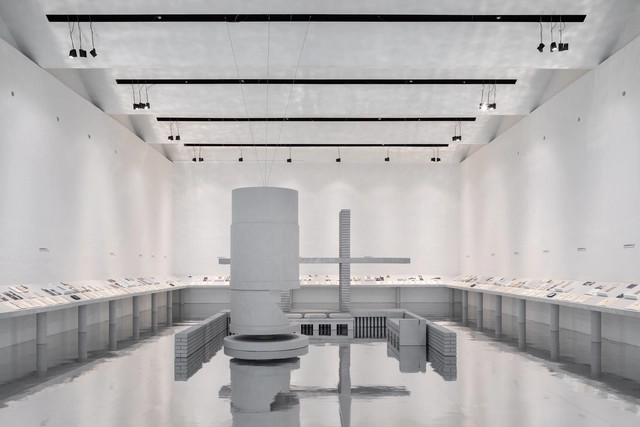
Four emerging architecture studio profiles from Italy, Switzerland, UK, USA, India, and Brussels have been chosen by New Generations, a European platform that analyses the most innovative emerging practices at the European level, providing a new space for the exchange of knowledge and confrontation, theory, and production. Since 2013, New Generations has involved more than 300 practices in a diverse program of cultural activities, such as festivals, exhibitions, open calls, video interviews, workshops, and experimental formats.