



-
Architects: Invisible Studio
- Year: 2021
-
Professionals: Harbour Construction



The urban metropolises of our planet are home to an abundance of stories. They are home to stories of wealth, of innovation, and of architectural marvels. They are home, too, to stories of inequality, inequity and of urban divides – places where one’s income determines the quality of the spatial environment around them. Within these stories has developed an increasing advocation for making cities “smarter”, the goal being to use data and digital technology to build more efficient and convenient urban environments.




.jpg?1633033510&format=webp&width=640&height=580)
Architecture and photography are deeply dependent on one another. The first photograph ever taken frames buildings as its subject. Even more, it took an entire room to produce the image through a camera obscura. In the early days, buildings were one of the few subjects that could sit still for the 8 hours it took to burn an image onto a photosensitive medium. However, architecture is dependent on photography too. Buildings are large, slow, and immobile. Without photographs, it would be difficult to visit the important structures around the world. In this way, photographs are an easily shareable surrogate for buildings. But, photographs are not truthful 1:1 depictions so photographers have a lot of agency when it comes to how we experience architecture. This video offers some insight into this relationship and presents a few photographers as examples for how they interpret an architect's intentions and add their own voice. These include Julius Shulman, Ezra Stoller, Stephen Shore, Iwan Baan, among others.

Architectural events like biennales, urban festivals or the World Expo provide a framework for research and experimentation, allowing architects to showcase their visions on an international stage, with the aim of advancing the practice and driving innovation. World Expos, in particular, allow for these lines of inquiry to unfold at an architectural scale rather than that of an installation. Within these platforms for discourse and knowledge exchange, temporary architecture becomes a medium for communicating ideas about architecture and the city, its challenges and possible lines of development.

Monograph—a leading practice operations platform designed to help architects and engineers oversee projects, timesheets, and forecasts in one integrated and simple interface—has launched its latest add-on feature, Planned Profit Report and Profit Drivers. During the company’s first-ever virtual conference, Section Cut, in August 2021, Monograph announced the introduction of Planned Profit Report and Profit Drivers, designed to provide architecture and design firms with a better understanding of their profitability.
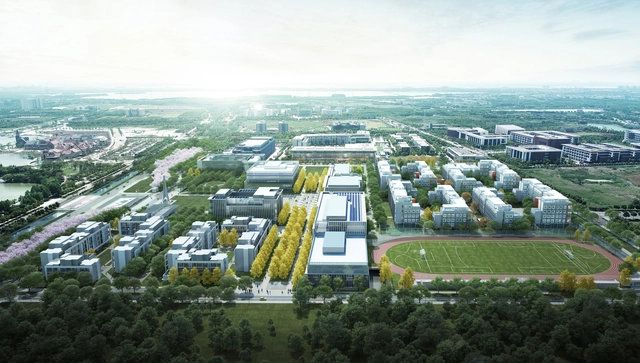
Perkins&Will has revealed the designs of the second phase of Duke Kunshan University which reflect the natural context and local culture of Kunshan, China. The architecture blends nature and architecture, and highlights the university's ethos and education values through spaces dedicated for living and learning. The 189,334 sqm master plan includes 22 buildings of administration, educational, and recreational facilities.
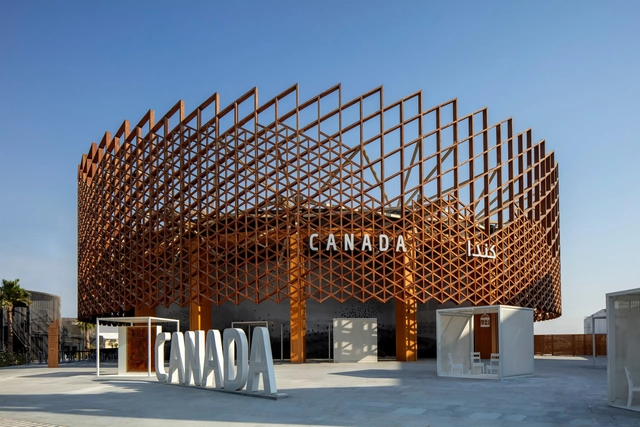
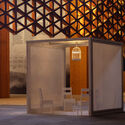
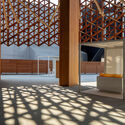
Designed by Toronto-based practice Moriyama & Teshima Architects and construction company ElisDon, the Canadian Pavilion for Expo 2020 Dubai aims to bridge the two cultures by echoing Canada’s landscapes and incorporating Arabic architectural elements with its wooden lattice facade a reference to the traditional Mashrabiya. Accompanying the pavilion is the art installation Traces created by Montréal-based firm KANVA, which brings a poetic reflection on the uncertainty of the future of ecosystems to the exhibition grounds.
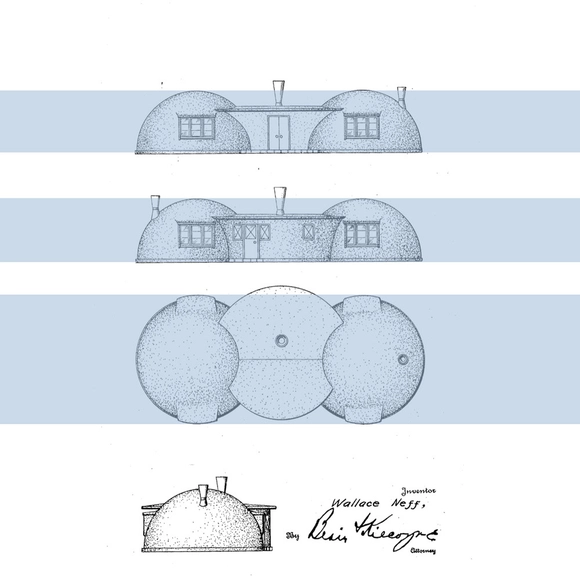
Following the Second World War, United States veterans and citizens were seeking a fresh start, a rightful place to live out their modern American dream. With a significant housing shortage looming around and fast-growing families, solutions had to be found to provide equitable living means for all. The development of new construction techniques and propagation of easy building materials promised an age of prosperity.