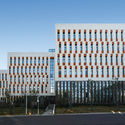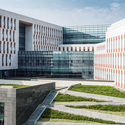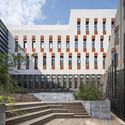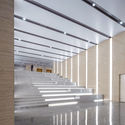

-
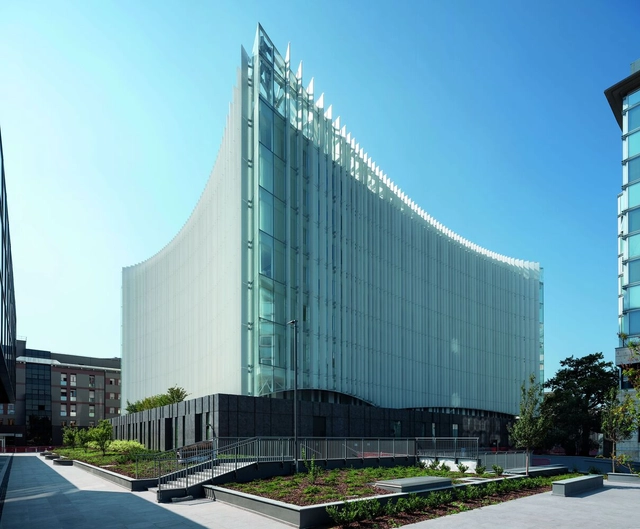
Architects: LAN Architecture
- Area: 21500 m²
- Year: 2020
-
Manufacturers: KEIM





Architectural visualizations have reached unthinkable levels, being a great source of inspiration and a fundamental part of the design process in architecture. This is why we are proud to announce the second edition of the ArchDaily Architecture Visualization Awards, where we will award the best of the year.
For us, visualizations have become a powerful tool that has helped us to think without limits about the design of our future cities, buildings, and structures. This is one of the reasons why we decided to launch this competition: to find the best talent from around the world and discover who is setting trends with their work and aesthetics, helping us to visualize the future of architecture. For this new edition, in the spirit of being at the forefront of architectural visualization, we have partnered with Enscape. To explore the latest in real-time rendering.
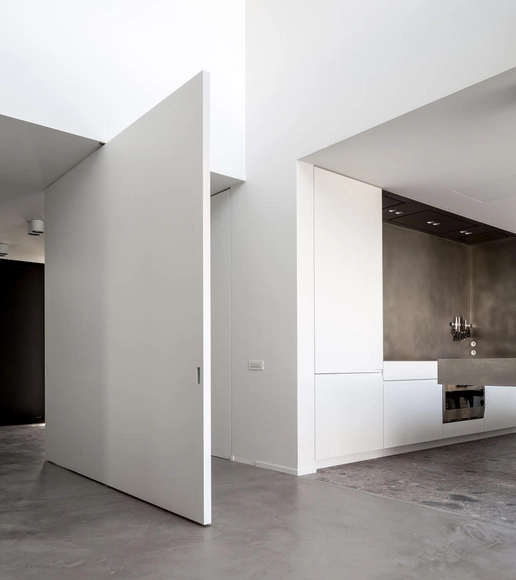
Interior doors serve multiple purposes in homes, such as providing security and privacy, separating spaces and buffering noise. But besides these obvious functions, they can also set the tone and enhance a room’s aesthetics with their beauty, becoming powerful design features by themselves. They certainly should not be taken lightly when designing any interior space. Considering this impact, architects must take every factor into account when choosing a door, including color, material, style and swinging motion. Dimensions are also important, but tend to be standard as they are limited by the size of the door frame. Usually, they don’t exceed 80 inches (or 203 cm) in height and range from 24 to 36 inches (70 to 90 cm) in width. Recently, however, this has taken a turn in modern design.

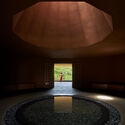
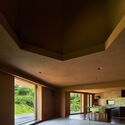
Simply put, uplighting is any lighting that shines upward. Most commercial lighting pendants are designed with uplighting and downlighting capability. For interior applications, uplighting reduces ceiling dark spots and shadows while affording the user additional, glare-free indirect lighting.
Uplighting serves the architectural lighting design of the space by highlighting details such as beams, pipes and other distinctive ceiling traits.
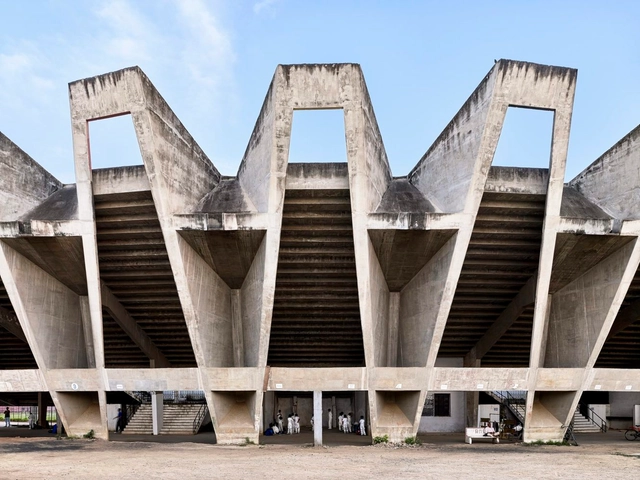
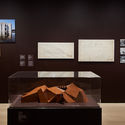
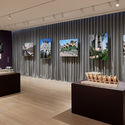
The Museum of Modern Art - MoMA has announced the opening of an exhibition that explores the ways modern architecture in South Asia shaped up "idealistic societal visions and emancipatory politics" of the post-independence period. Titled The Project of Independence: Architectures of Decolonization in South Asia, 1947–1985, the exhibition includes over 200 works, ranging from sketches and drawings to photographs and architecture models sourced from prominent lenders and institutions in Bangladesh, India, Pakistan, and Sri Lanka.


In his latest photo series, Paul Clemence turns his lens towards the newest addition to Chicago’s famed skyline: the undulating shapes of St. Regis Tower, formerly known as Vista Tower. Designed by Studio Gang, the 101-story supertall skyscraper makes its mark as Chicago’s third tallest building. Despite its size, the volume appears slender due to the flowing rhythm that defines its three nested towers.
The tower aims to enhance rather than disrupt its surrounding urban fabric. Sitting between downtown Lakeshore East Park and the Chicago Riverwalk, the careful design of the lower levels allows for a porous connection between the two attractions. Innovative structural systems are implemented to achieve this by completely elevating the second volume from the ground.