This guide explains how to structure roles, assign permissions, and maintain governance across teams in the RunDiffusion platform.
This guide explains how to structure roles, assign permissions, and maintain governance across teams in the RunDiffusion platform.


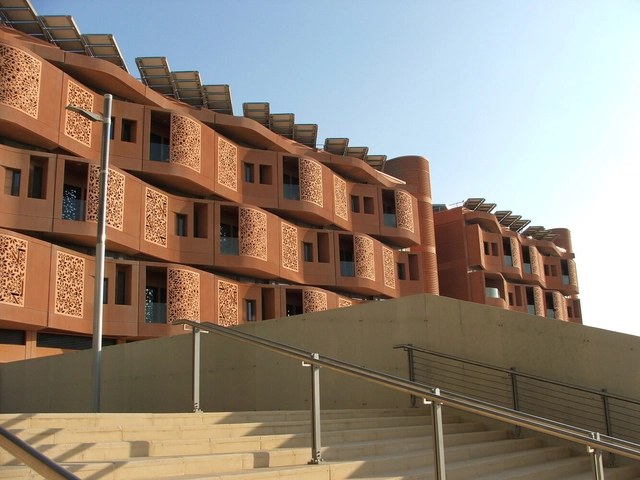
As world governments grapple with environmental crises, the construction industry rushes to reevaluate sustainable design and develop new ways of measuring its efficiency. Consequently, green building certification systems (GBCS) started gaining traction in the 20th century to evaluate and promote sustainable construction practices. The Global South faces distinctive challenges in building sustainable cities. Its developing nations demand an exclusive approach to designing an appropriate, economical, and inspiring architecture for their promising futures.



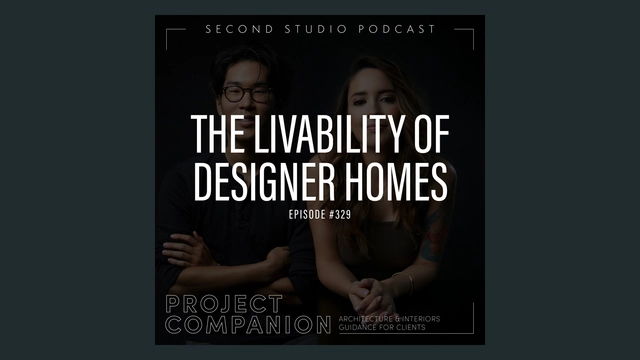
The Second Studio (formerly The Midnight Charette) is an explicit podcast about design, architecture, and the everyday. Hosted by Architects David Lee and Marina Bourderonnet, it features different creative professionals in unscripted conversations that allow for thoughtful takes and personal discussions.
A variety of subjects are covered with honesty and humor: some episodes are interviews, while others are tips for fellow designers, reviews of buildings and other projects, or casual explorations of everyday life and design. The Second Studio is also available on iTunes, Spotify, and YouTube.
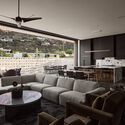
This week David and Marina, Partners at FAME Architecture & Design discuss the livability of designer homes. The two cover designing for function and aesthetics, material resilience, lifestyle changes, space efficiency, designing based on reference images, and the benefits of adapting to design-forward living environments.

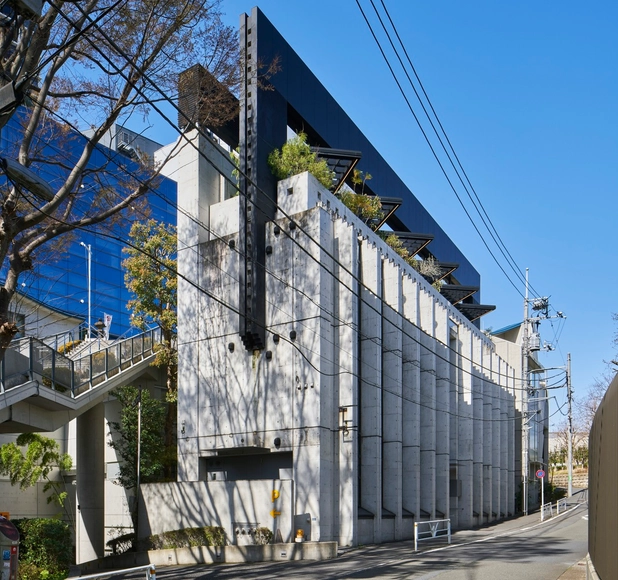


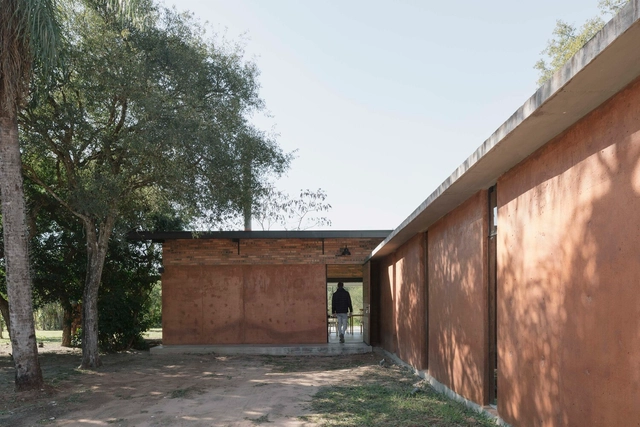
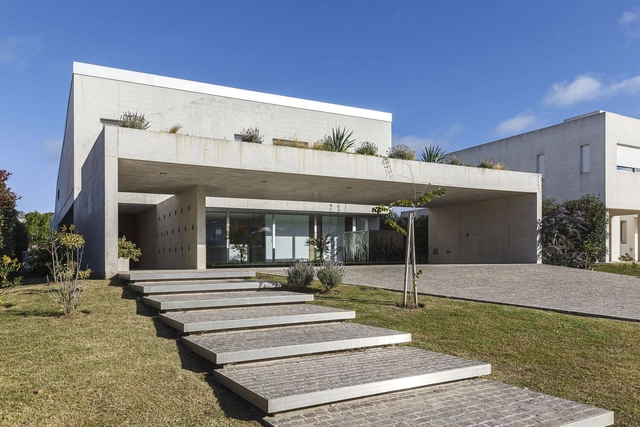


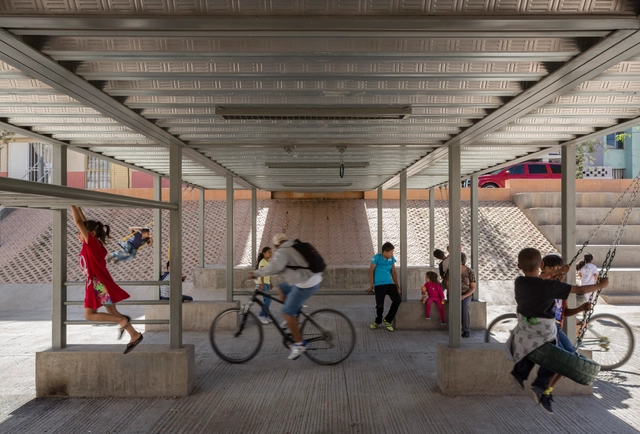
February 20th marks a new edition of the World Day of Social Justice. The theme, "Overcoming barriers and unlocking opportunities", is a perfect occasion to reflect on the importance of equity in all areas of society - and especially from architecture and urbanism. And yes: they both have a fundamental role in building accessible cities and are important tools for addressing the challenges of economic inequality and social exclusion.
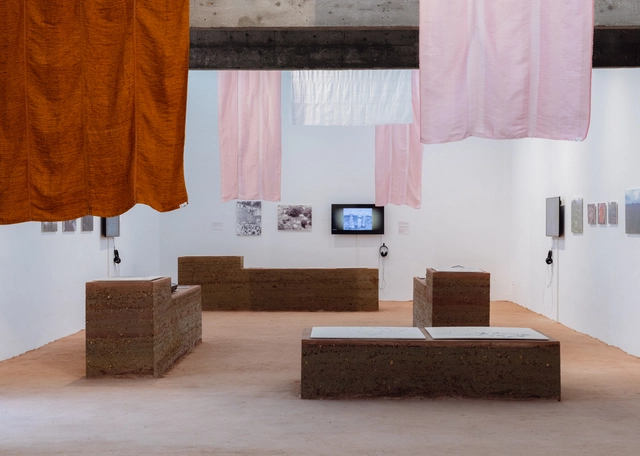
The Brazilian Pavilion titled Terra [Earth], curated by Gabriela de Matos and Paulo Tavares won the Golden Lion for Best National Participation at the 2023 Venice Architecture Biennale. Selected by a jury comprising Italian architect and curator Ippolito Pestellini Laparelli as president, Nora Akawi, Thelma Golden, Tau Tavengwa, and Izabela Wieczorek, the winning intervention at the 18th Venice Architecture Biennale "proposes to rethink the past in order to design possible futures, bringing to the fore actors forgotten by the architectural canons, in dialogue with the curatorship of the edition, Laboratory of the Future".
Broadcasted live on the Biennale’s official page, the ceremony taking place at Ca’Giustinian, the headquarters of La Biennale di Venezia, also awarded the Golden Lion for Best Participant in the International Exhibition The Laboratory of the Future", to DAAR (Alessandro Petti + Sandi Hilal), while the Silver Lion for a promising young participant in the International Exhibition The Laboratory of the Future went to Olalekan Jeyifous. Other recognitions included a special mention to Thandi Loewenson, to Wolff Architects, Ilze Wolff, and Heinrich Wolff, to Twenty Nine Studio / Sammy Baloji, and to the national pavilion of Great Britain, titled "Dancing Before the Moon" curated by Jayden Ali, Joseph Henry, Meneesha Kellay, and Sumitra Upham.