Rotterdam Port Automated Vehicle by Monika Bočková
Lukáš Likavčan takes us on a rich and satisfying philosophical journey. From Agamben's apparatus, through Hegel's positive religion (in contemporary robes), on to its materialization in Graeber's fetishes, the author reads the smart objects that are at the basis of the smart city paradigm as fetishes of sorts. In this perspective, it is necessary to redefine the autonomy of humans through an act of reverse prostheticization: what position should humans occupy in the technosphere? And what kind of relationships are emerging, or are being consolidated, between us (humans) and them (objects)? By accepting a collective vision of intelligence as a product of human and non-human data, it is possible to move away from the notion of fetish, towards an anti-narcissistic condition that sees humans as one of the entities having agency in a universe that has moved far beyond the phenomenological.
For the 2019 Shenzhen Biennale of Urbanism\Architecture (UABB), titled "Urban Interactions," (21 December 2019-8 March 2020) ArchDaily is working with the curators of the "Eyes of the City" section to stimulate a discussion on how new technologies might impact architecture and urban life. The contribution below is part of a series of scientific essays selected through the “Eyes of the City” call for papers, launched in preparation of the exhibitions: international scholars were asked to send their reflection in reaction to the statement by the curators Carlo Ratti Associati, Politecnico di Torino and SCUT, which you can read here.
Mexico's National Social Distancing Campaign began on March 23, 2020, but a couple of weeks earlier, even as the federal government recommended continuing normal activities, social media was already filled with people choosing to self-isolate and replicate the European model. Some architecture firms immediately decided to close their physical offices and transition to a remote work model, while others took several weeks longer. However, this period of social and physical (spatial) distancing is experienced differently in every household. Over the months that this pandemic has unfolded, it has exposed not only the inequality regarding basic needs in dense urban areas, but also the fragility of the established social order. Whether at a macro or micro scale, all of these experiences occur within and are influenced by the built environment, making architecture both judge and jury in this equation.
The World Health Organisation (WHO) supports that even if vaccines are found, COVID-19may never go away. ‘Post-virus’ recovery mechanisms suddenly become out-of-place and obsolete. If we wait for the coronavirus crisis to be over to tackle climate change, then many of us may be swimming in deep waters. Coordinated and immediate actions, coupled with planetary-scale cooperation, to tackle both crises in parallel is now needed. For cities, this means adopting mechanisms that enable both economic recovery and sustainable transitions.
https://www.archdaily.com/939930/a-call-for-global-cooperation-for-sustainable-urban-transitionsZaheer Allam, Gaetan Siew and Felix Fokoua
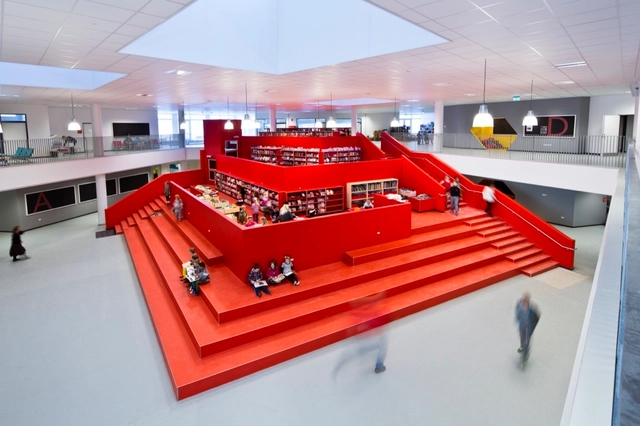
New City School, Frederikshavn / Arkitema Architects . Image Cortesía de Arkitema Architects
According to architect and academic Frank Locker, in architectural education, we keep repeating the same formula from the 20th-century: teachers transmitting a rigid and basic knowledge that gives students, no matter their motivation, interests, or abilities, little to no direction. In this way, says Locker, we are replicating, literally, prisons, with no room for an integral, flexible, and versatile education.
"What do you think of when you're in a space with closed doors and a hallway where you can't enter without permission or a bell that tells you when you can enter and leave?" asks Locker.
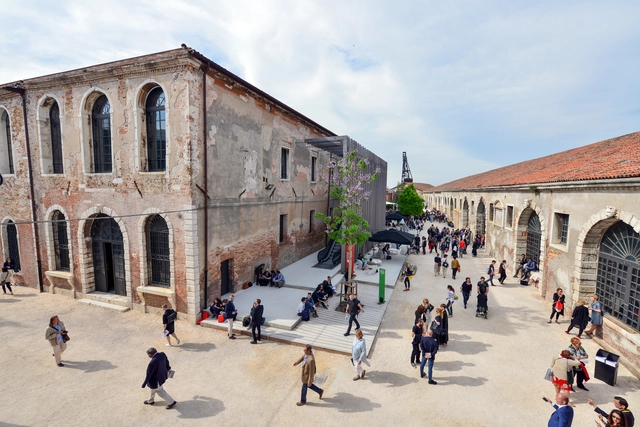
La Biennale di Venezia has just announced that the International Architecture Exhibition – How will we live together? — curated by Hashim Sarkis, will be postponed once more, and will be held from May 22 to November 21, 2021.
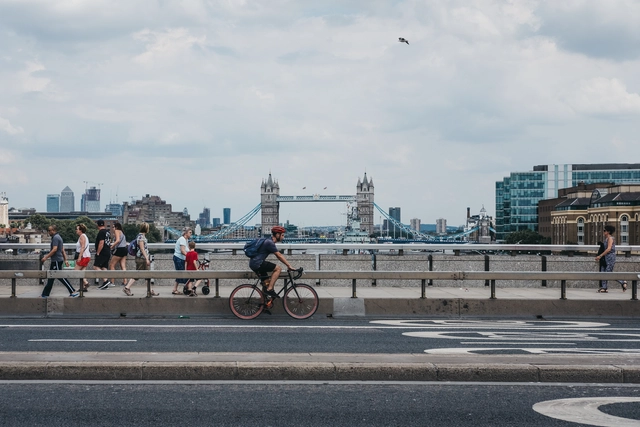
Cyclist and pedestrians on London Bridge, London, UK, River Thames and Tower Bridge on the background. Image via Shutterstock/ By Alena Veasey
After Milan and Paris, London has announced its plans to transform large areas in the city, converting streets to car-free zones, as the coronavirus lockdown loosens up. Repurposing the city for people, London aims to emerge differently from the pandemic, supporting a low-carbon and sustainable recovery. Works have already started and are expected to be completed within six weeks.
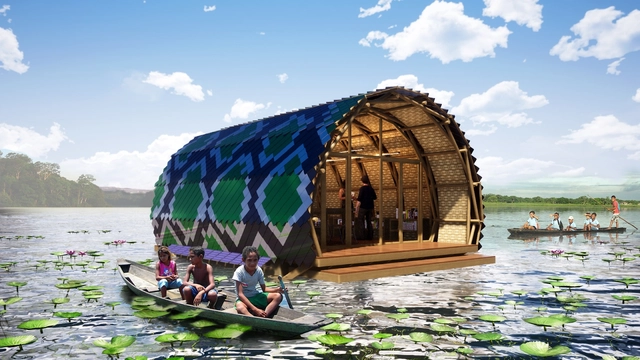
Atelier Marko Brajovic recently shared the design for a Floating Community Library on Lake Mamori, in the Amazon Rainforest. Developed in close collaboration with the local community, the project aims to become a benchmark for sustainable construction and environmental education.
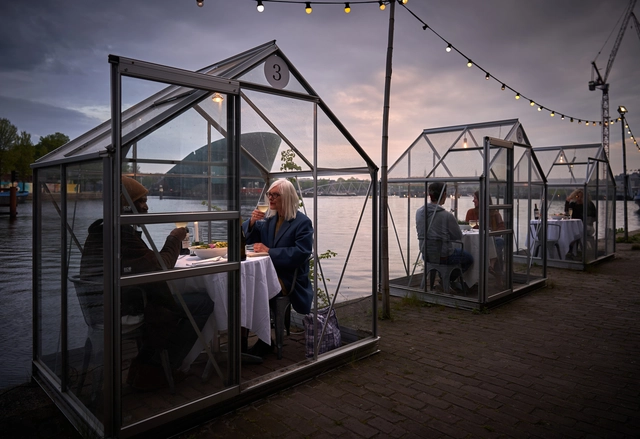
Renovated recently, Mediamatic ETEN, the restaurant of the Art Center Mediamatic in Amsterdam, has created a new safe dining experience entitled Serres Séparées, taking into account required social distancing measures. Putting in place private and intimate “quarantine” greenhouses, or chambres séparées, people can reconnect and dine outside in a safe environment.
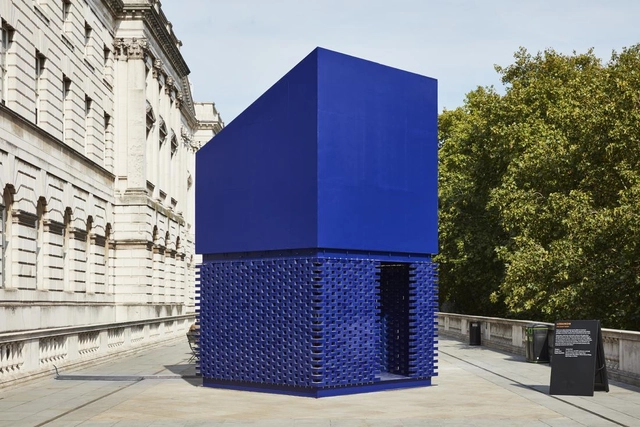
The 2020 London Design Biennale has officially been postponed until 2021. Established in 2016 by Sir John Sorrell CBE and Ben Evans CBE, London Design Biennale promotes international collaboration and the global role of design. The third edition of London Design Biennale, will now take place in June 2021, curated by Artistic Director Es Devlin.
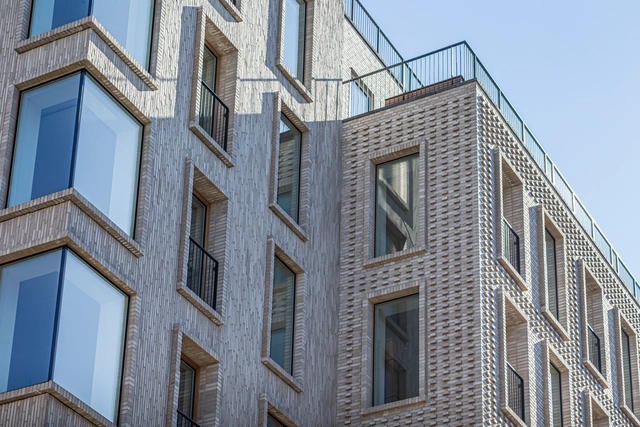
It is a rare occasion for a historic neighborhood to have new buildings. Never the less, this is exactly what happened along the elegant and ornate structures of Frederiksberg Allé in Copenhagen. The historical avenue was inspired by Parisian architecture and features many buildings notable for their intricate architectural detail.
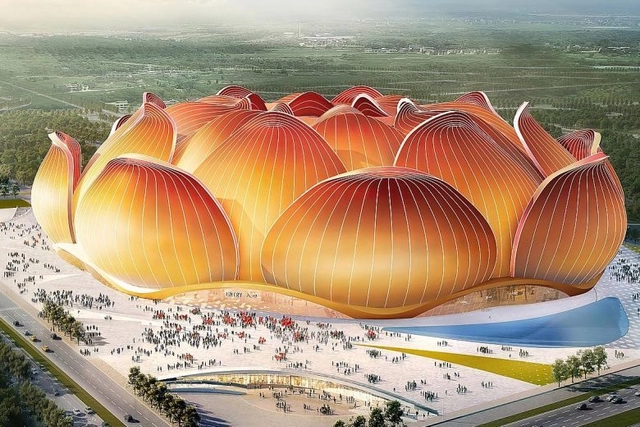
On April 16, a ground-breaking ceremony was held in the city of Guangzhou, China, for what is to be the world’s largest soccer stadium. The most controversial aspect of the project was not its $1.7 billion price tag, but its bold lotus shape causing a backlash from the local architectural community but praise from the general public.
https://www.archdaily.com/939211/forecasting-the-future-of-sports-architecture-with-10-newly-built-stadiums-around-the-worldMilly Mo
Corporate logos of the six architecture collectives, taken from https://arquitecturascolectivas.net/, http://www.recetasurbanas.net, http://zuloark.com, http://www.boamistura.com, http://www.eeestudio.es, https://enormestudio.es, and https://assemblestudio.co.uk/. Image via Revista rita_
This article by Alberto Bravo de Laguna Socorro was originally published in the 12th issue of revista rita_ under the title "Transgression, experimentation and communicability of the graphic in collective architectures: Indices of an engaged graphic expression."
https://www.archdaily.com/1123405/transgression-experimentation-and-the-communicability-of-the-graphic-in-collective-architecturesAlberto Bravo de Laguna Socorro
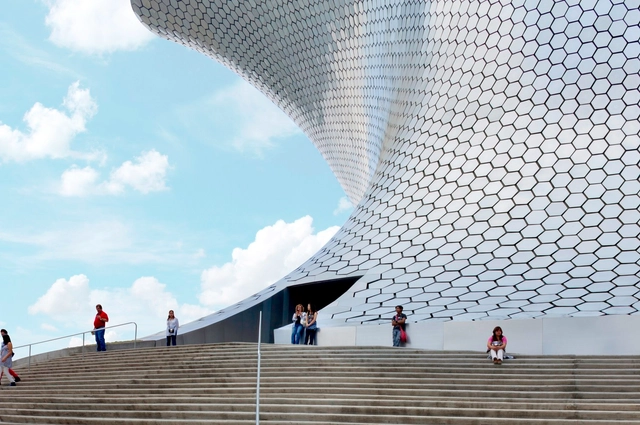
Soumaya Museum / FR-EE / Fernando Romero Enterprise. Image
While virtual reality is not a new tool, its adoption across various industries has been gradual. In the architecture and cultural sectors, virtual tours have become increasingly common, offering a much broader perspective of spaces and—in the case of art—their relationship with the exhibited works. Various efforts have been made to promote this spatial mapping, closing the gap between cities, countries, and continents. A prime example is the Google Arts & Culture project, which features a library of 4,500 institutions that can be explored virtually.
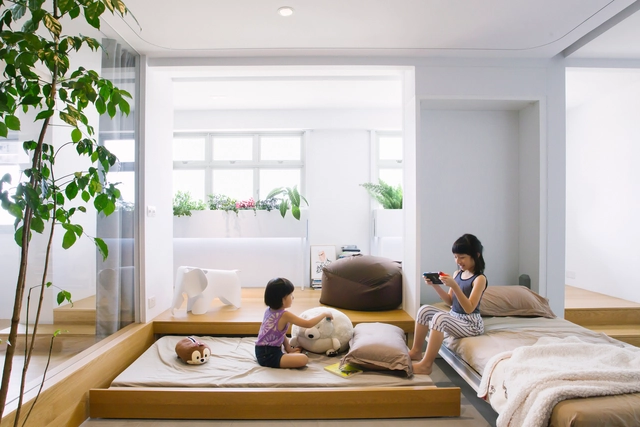
As the number of smaller and more compact apartments grows, architects and interior designers are challenged to create multifunctional solutions and systems capable of optimizing spaces, in a way that every inch seems to make a difference. As a result, it is increasingly common for professionals to focus on designing creative furniture solutions that allow the space to transform completely in a few seconds.
ArchDaily has already published numerous articles on how to design for compact spaces, from closets and shelves to plan solutions for small apartments. We have now put together a collection of interesting projects in which the beds seem to camouflage themselves among the furniture and architectural elements, thanks to smart systems which, by using hinges and sliding tracks, allow them to be concealed in a matter of seconds, saving space and allowing versatility.
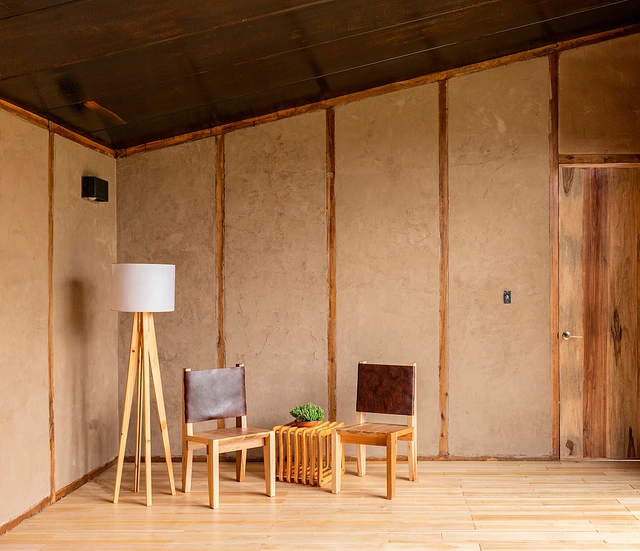
Earth is a material that has been used for building since time immemorial. Its low environmental impact and the variety of techniques available for working with it have enabled its enduring relevance in architectural projects worldwide. Whether using rammed earth, wattle and daub, earthen wall systems, or adobe structures, various contemporary projects rework and reinterpret these traditional methods to shape their spaces.
Neri&Hu has designed a distillery and brand home for China’s first whisky, in Emeishan, Sichuan, China. The Pernod Ricard Malt Whisky Distillery puts in place a timeless architecture, inspired by the site itself and its unique components, blending together whisky-making and the landscape into one holistic narrative.
Italy has approved a program providing a bonus of up to 500 euros (approximately R$ 3,100) to help residents of cities with more than 50,000 inhabitants buy a bicycle. The measure is part of a decree-law approved on May 13 by the Council of Ministers to boost the country's economic recovery amid the novel coronavirus pandemic. Additionally, the initiative encourages the use of non-polluting vehicles.
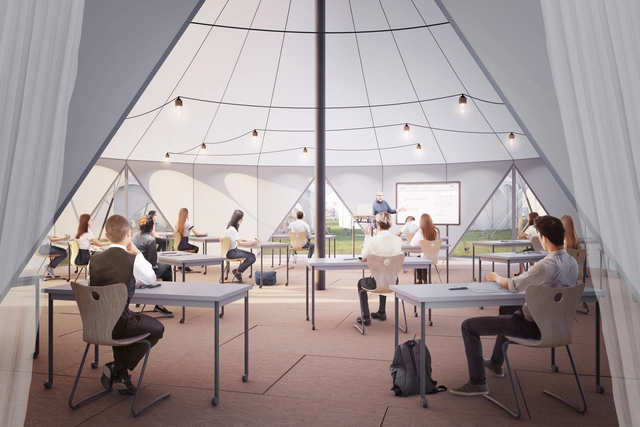
Curl la Tourelle Head Architecture (CLTH) has imagined a new design approach for classrooms when schools reopen as the lockdown eases in the UK. The architecture practice based in London has released an innovative concept “to help mitigate restricted circulation routes within schools and maintain the necessary social distancing among pupils and staff”.
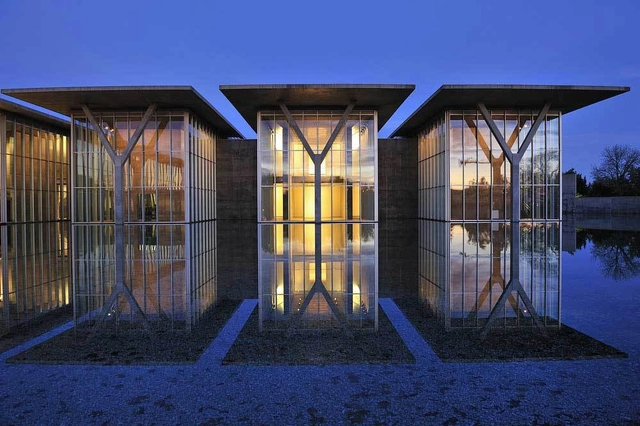
With over 300 architectural designs to his name, Tadao Ando is treated as a national treasure in his home country of Japan. Renowned for his work with concrete and light, his œuvre has received international recognition, including the UIA Gold Medal in 2005 and the Pritzker Prize in 1995. In an interview with the UIA / International Union of Architects, Ando explores design philosophy and creative process.
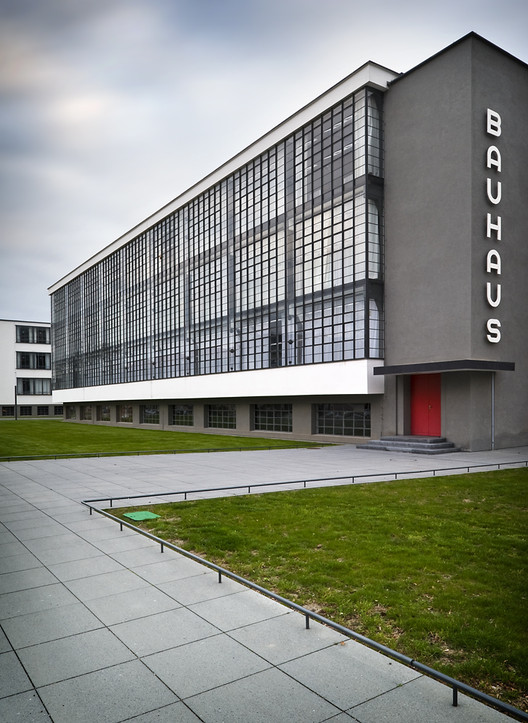
One of the most highly regarded architects of the 20th century, Walter Gropius (18 May 1883 – 5 July 1969) was one of the founding fathers of Modernism, and the founder of the Bauhaus, the German "School of Building" that embraced elements of art, architecture, graphic design, interior design, industrial design, and typography in its design, development and production.
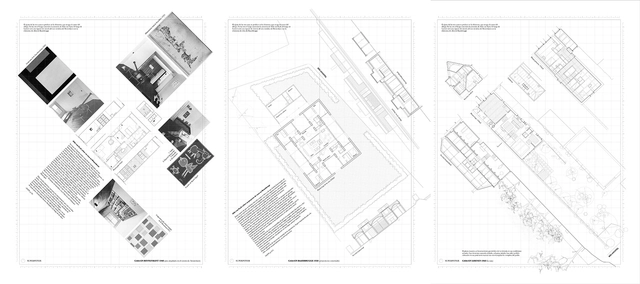
This article by Alejandro Campos Uribe was originally published in the 9th issue of rita_ magazine under the title "How to Draw the Architecture of Aldo van Eyck: Five Drawings of the Van Eyck Family House in Loenen."
On April 16, a ground-breaking ceremony was held in the city of Guangzhou, China, for what is to be the world’s largest soccer stadium. The most controversial aspect of the project was not its $1.7 billion price tag, but its bold lotus shape causing a backlash from the local architectural community but praise from the general public.
https://www.archdaily.com/939208/the-worlds-largest-soccer-stadium-breaks-ground-in-guangzhouMilly Mo
Raimund Abraham’s Air Ocean City. Image Courtesy of MIT Press
For more than a century, architects have been addressing the world as a project through speculative designs in an attempt to imagine the future and reframe global issues. Globalisation, the ever-increasing interconnectedness demands action on a worldwide scale and invites a reflection on the profession's responsibilities. The latter is precisely what the book The World as an Architectural Project achieves, through a compilation of world-scale speculative projects of the past century, making a compelling case for the agency of architecture.