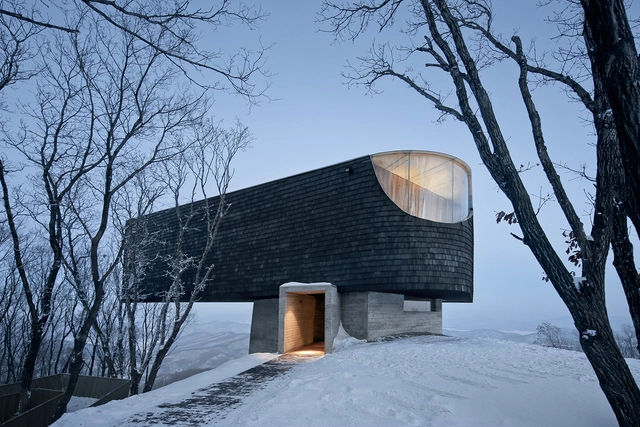
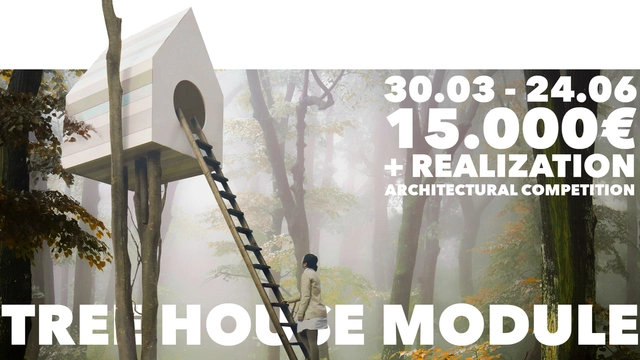
YAC - Young Architects Competitions and Dartagnans launch Tree House Module, a competition of ideas aiming to design and realize a tree house system to sit amidst the oneiric French castles of Vibrac, Mothe Chandeniers, and Ebaupinay. A cash prize of € 15,000 (and the realization of the first-ranking project) will be awarded to the winners selected by an outstanding jury panel including Espen Surnevik, Matthew Johnson (DS+R), Giulio Rigoni (BIG), Tue Hesselberg Foged (Effekt Architects), Peter Pichler, and Patrick Lüth (Snøhetta).
Nothing is more rational than using the wind, a natural, free, renewable and healthy resource, to improve the thermal comfort of our projects. The awareness of the finiteness of the resources and the demand for the reduction in the energy consumption has removed air-conditioning systems as the protagonist of any project. Architects and engineers are turning to this more passive system to improve thermal comfort. It is evident that there are extreme climates in which there is no escape, or else the use of artificial systems, but in a large part of the terrestrial surface it is possible to provide a pleasant flow of air through the environments by means of passive systems, especially if the actions are considered during the project stage.
This is a highly complex theme, but we have approached some of the concepts exemplifying them with built projects. A series of ventilation systems can help in the projects: natural cross ventilation, natural induced ventilation, chimney effect and evaporative cooling, which combined with the correct use of constructive elements allows improvement in thermal comfort and decrease in energy consumption.
With the COVID-19 pandemic forcing many architecture firms to quickly transition into a work from home, designers are having to discover new ways to work without everyone being in the same room. The casual conversations, overheard ideas, and site visits that were once an integral part of our jobs have been put on pause, and have left some architects wondering how everyone else is continuing project work.
After surpassing many hurdles, the long-awaited public park and performance venue is on a set course to completion. The construction of the Little Island is underway, and new images by photographer Paul Clemence of Archi-Photo show the undulating artificial landscape coming together above the Hudson River.
Humanity is facing a collective new challenge unprecedented in our lifetime. One of isolation, driven by self-quarantine, for a period unknown. It is a social experiment with no predictable outcome. But one constant in the equation is architecture.
With over half the world’s population inhabiting cities or densely populated areas, billions of people are currently residing in small spaces, disconnected from one another by brick, concrete and steel. The social housing experiment of the 1950s and 60s created a new architectural typology, which was compounded by an underlying social construct, driven by capitalism, that told us to mind our own business. Somehow, during the age of high rises that followed, turned this idea of isolation into a status symbol, as private penthouses, accessed by private elevators, today float high above the city streets.
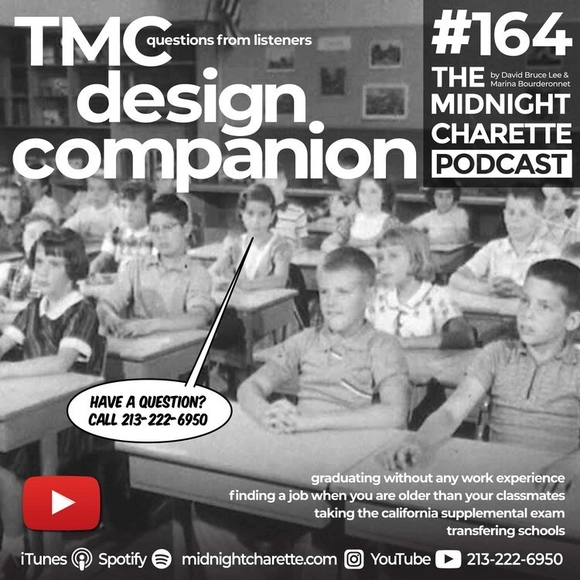
The Midnight Charette is an explicit podcast about design, architecture, and the everyday. Hosted by architectural designers David Lee and Marina Bourderonnet, it features a variety of creative professionals in unscripted conversations that allow for thoughtful takes and personal discussions. A wide array of subjects are covered with honesty and humor: some episodes provide useful tips for designers, while others are project reviews, interviews, or explorations of everyday life and design. The Midnight Charette is also available on iTunes, Spotify, and YouTube.
This week David and Marina answer questions from listeners about finding a job when you're much older than your classmates, graduating from school without work experience, leaving architecture at the end of a Master's program, taking the CSE, and transferring schools because of IPAL. If you have any questions call or text the hotline at 213-222-6950.
https://www.archdaily.com/936932/on-finding-motivation-to-keep-practice-architecture-and-age-significance-when-getting-hiredThe Second Studio Podcast
“A House is a place (…) as physical as a set of feelings. (…) a home is a relation between materiality and mastery and imaginative processes, where the physical location and materiality and the feelings and ideas are united and influence each other, instead of being separated and distinct. (…) a house is a process of creation and comprehension of ways of living and belonging. A house is lived, as well as imagined. The meaning of house and the way it materially manifests itself, it´s something that is created and recreated in an unceasingly way through every day domestic tasks, which are themselves connected to the spacial imaginary of the house”1
The sentence above is the starting-point of the current reflection, in an exercise that will mark meaningfully my approach to the way of projecting houses.
Since the recent COVID-19 quarantine restrictions were enforced, social media has been filled with images of employees working from home, students transitioning to home-school learning, and friends and family socializing via Skype calls and Zoom meetings. With the outpouring of tips for how to work from home, and how to keep a regular routine during these certain times, many people are questioning how to create a long term plan for online studio design instruction.
This article aims to provide some practical tips to schools and students around the globe based on our experience with online design studio teaching in our Master program at Tsinghua University’s School of Architecture since February.
https://www.archdaily.com/936580/tips-for-design-studio-teaching-in-the-age-of-covid-19Martijn de Geus
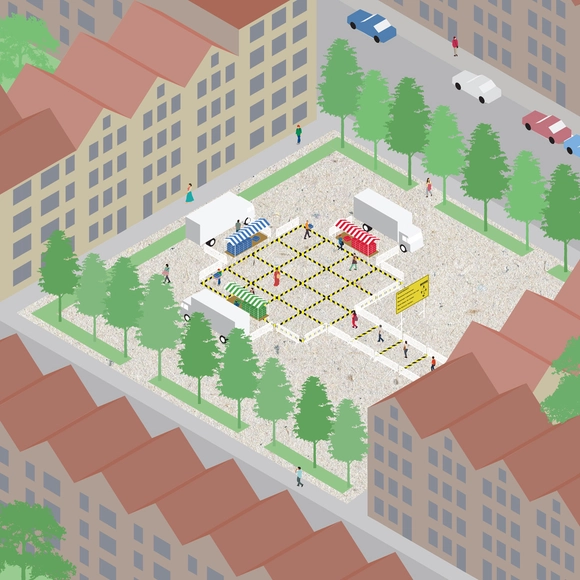
Shift architecture urbanism developed micro-markets that can operate on a hyper-local scale during coronavirus shutdowns. The research elaborated on a scheme allowing traders to provide fresh food in a safe way to the self-quarantined inhabitants of the city.
Addressing contextual severe healthcare problems, like the outbreak of infectious diseases or maternal mortality, MASS has helped in setting design strategies to mitigate and reduce critical medical concerns. With some projects operational, and others in the pipeline, the facilities imagined, tackle a wide range of complications.
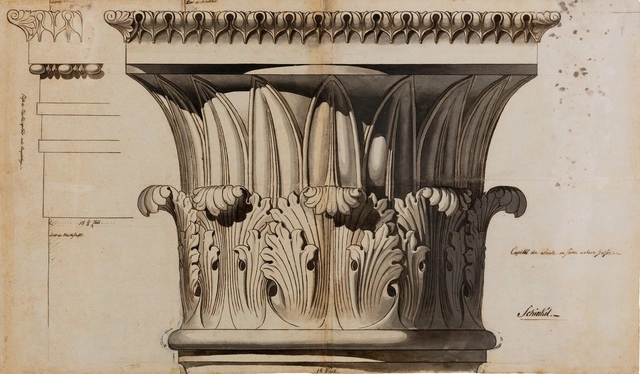
Design for a pilaster capital for main floor Tilebein House. Image Courtesy of Drawing Matter, Karl Friedrich Schinkel
The Drawing Matter Trust has announced a new Drawing Matter Writing Prize for 2020. Over the next few months, Drawing Matter will be focused on encouraging writing about drawings for both architecture and design. The competition invites writers to consider what drawings reveal about the process of design, and the buildings or objects they represent. The hope is to make the prize an annual event.
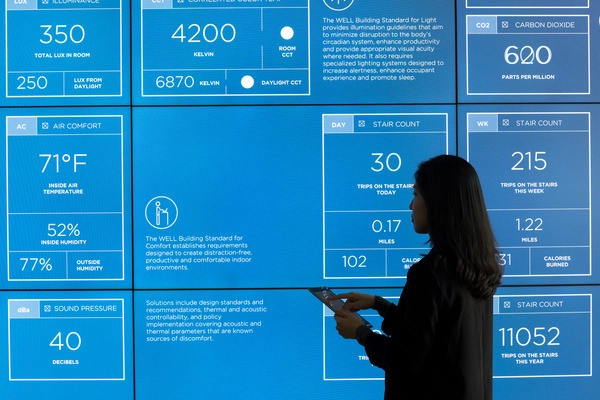
The “smart” movement has gained traction and generated buzz over the last decade, but despite all of the hype, what even is a smart city? The dogma behind its loose definition and goals has been rather elusive, and while some claim that it relies on digitization of all urban aspects, others argue an increase in personal data collection is the sole method for improving urban lifestyles. One person’s digital paradise is perhaps another person’s technophobic doomsday. Extending beyond the mere definition of these cities, what role do designers and researchers play in creating this loosely identified futuristic landscape? As Corbusier once defined a home as a machine for living, it’s time to redefine how our buildings shed their passive exteriors and become the true machines for working that they were always meant to be.
As we successfully launched our 12th Building of the Year (BOTY) award earlier this year, we want to thank you for being part of our community for over 10 years. Together we have been growing and contributing to the architectural scene, aiming for a better world.
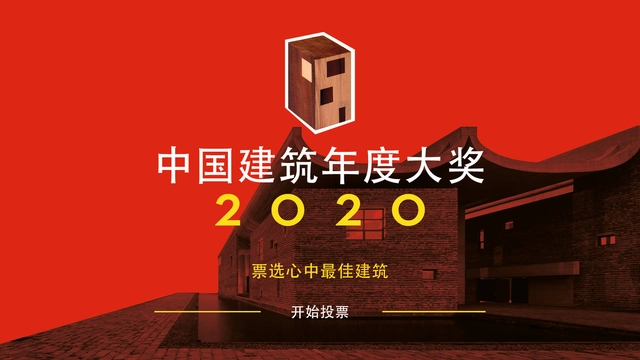
ArchDaily China is 5 years old this year. We have been introducing Chinese architecture to the world and bringing global architecture to our readers in China. We are an open platform that benefits global audiences, making the industry more inclusive and equal. While our database, mission, and focus develop, some traditions stay with us over the years, such as our flagship award series – the Building of the Year Awards. Now, we are proud to announce that BOTY's 4th Chinese edition celebrating the best architecture in the country, as chosen by you, the reader.
By nominating and voting, you form part of an interdependent, impartial, distributed network of jurors and peers that has consistently helped us celebrate architecture of every scale, purpose, and condition, from large and small countries, and architects of all profiles. Over the coming weeks, your votes will result in 600 Chinese projects filtered down to just 10 best projects in China.
Read below for more details on how to submit, and thank you for helping us continue to democratize architectural excellence across the world.
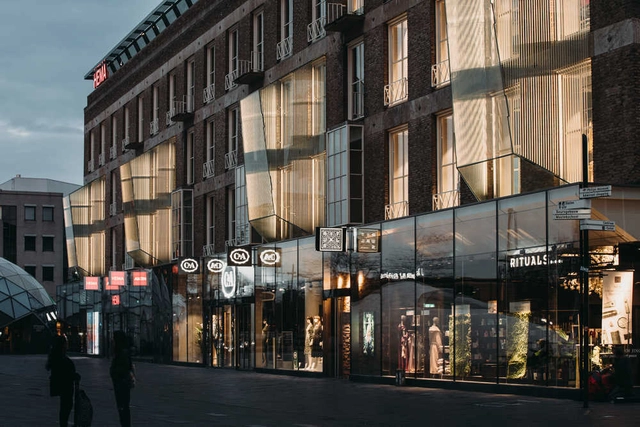
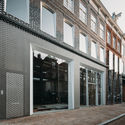
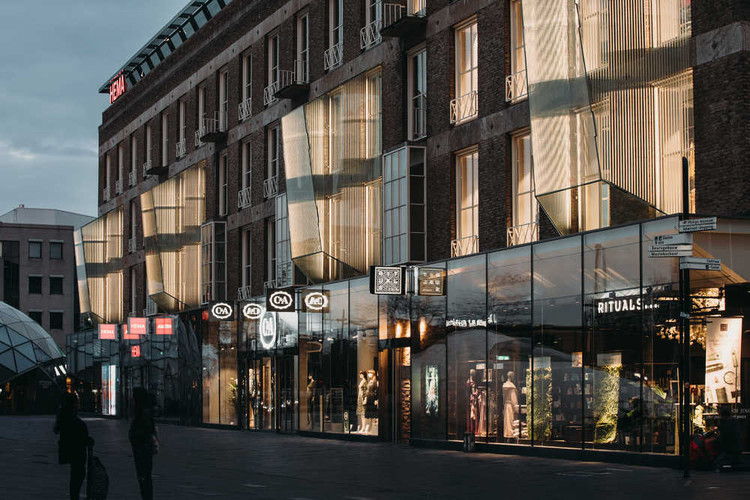
UNStudio completed two remodel projects in the Netherlands rethinking traditional glazing techniques. Located in Eindhoven and on the P.C Hooftstraat in Amsterdam, the projects each draw from their context and take inspiration from local history and culture. Made to restore and connect the two existing structures to their respective cityscapes, the projects are designed to restore the urban fabric as they connect to passerby.
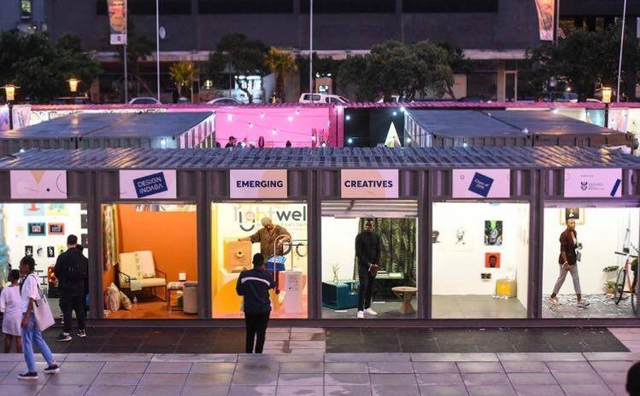
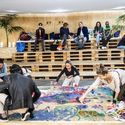
Design and the City is a podcast by reSITE, raising questions and proposing solutions for the city of the future. In the final episode, Ravi Naidoo from Design Indaba discusses the purpose of design. Aiming to define the field, the founder of Interactive Africa, a company based in Cape Town, and the design platform Design Indaba shares his personal thoughts on empowering people to create a better future through creativity.
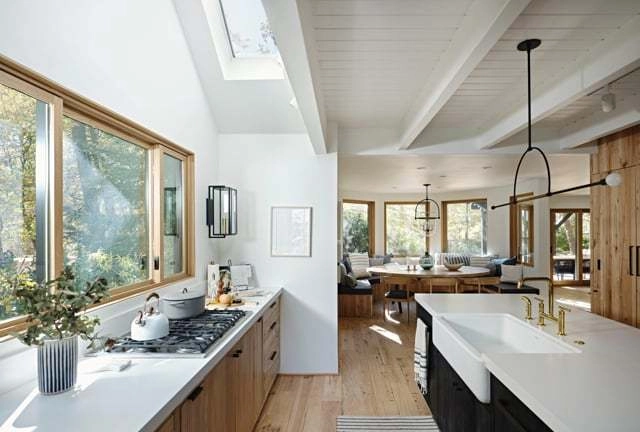
Danish company VELUX began with a belief in building healthier homes. Created over 75 years ago by Villum Kann-Rasmussen, the manufacturer has now expanded around the world, with millions of people getting fresh air and daylight through their products. With recent events on the COVID-19 pandemic, Lone Feifer and Peter Foldbjerg of VELUX explore how architects and designers can find better ways to work at home and create healthy living spaces.
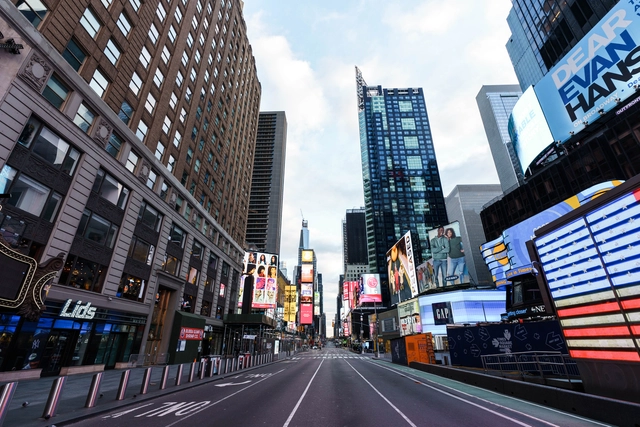
As New York is facing unprecedented circumstances and as the numbers of infected people with the coronavirus are reaching new highs, officials are seeking fast and efficient solutions to generate useful spaces for patients. With a timeline of a few weeks, the city is looking into ways of altering the existing structures.
While the world is on pause and we are all learning how to work from home trying to keep up with our usual productivity levels and fighting the lack of focus, we at ArchDaily want to help our readers keep their minds sharp through this challenge. One of the ways not to get absorbed in your daily routine is to make sure you have enough mental activity every day, and we have just the thing for you!
As a lot of projects are on hold right now, and architects struggle to find new work to take on, we have found something to keep your mind busy in the meantime — entering a competition will help you stay productive and overcome challenges while the majority of plans are postponed. Read on for a list of 7 contests you can enter right now.
World Architecture Festival and World Festival of Interiors: Inside is scheduled for 2 – 4 December, in Lisbon. Preparations for the event are going ahead in the typical way and architects from across the globe are continuing to submit their online awards entries.
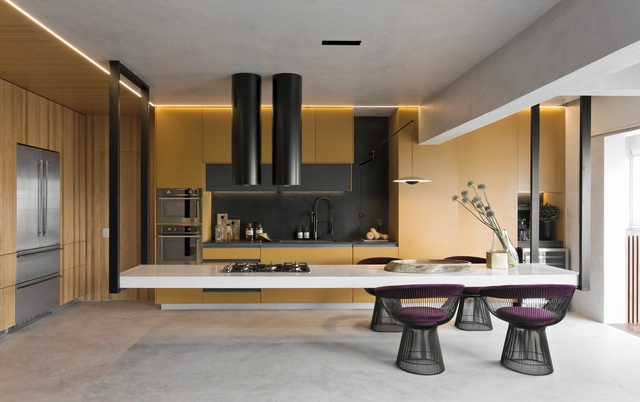
When designing residential spaces, be it a new construction or a renovation, the kitchen is a space that tends to be one of the most complex. Not only does it need to serve a very specific function, but it also needs several pieces of furniture, household appliances, and the ability to adapt to electrical and plumbing considerations. Kitchens often also serve as an hub for social interactions and family gatherings, so it is critical that the space can provide a degree of flexibility.
Architect Wang Shuo was born in 1981 in Beijing. He grew up in the family of neuroscientists and was particularly good in math, wining the national math Olympics in high school. But instead of going into computer science, as did many of his classmates, he decided to study architecture. The decision was entirely intuitive. He earned his Bachelor of Architecture from Tsinghua University in Beijing in 2004. The Master’s degree was acquired from Rice University in Houston in 2006. His thesis was called Wild Beijing, in which he focused on the emergence of spontaneous urbanism in Beijing. After completing his training, Wang worked for one year at Peter Gluck’s firm GLUCK+ in New York. The office is known for specializing in hands-on design-built projects and acting as general contractor, which gives the architects a lot of control over quality of construction. Following Wang’s time in America, he relocated to Europe for two years, working at OMA in Rotterdam where he interacted with Rem Koolhaas, working particularly on projectsб in which various layers of social, cultural, and everyday life were overlapped to create active, truly contemporary spaces.
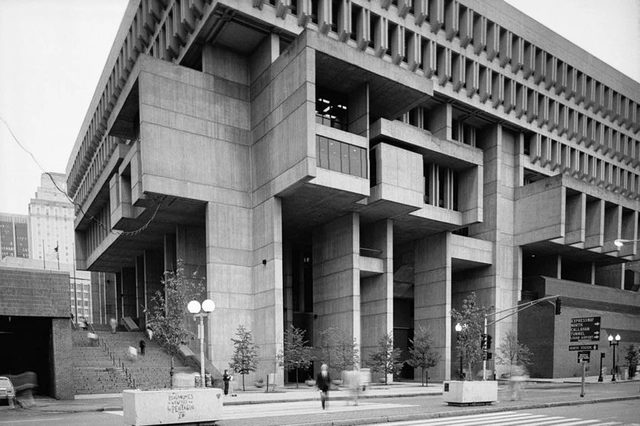
Boston City Hall. Image Courtesy of Kallmann, McKinnell, & Knowles
Michael McKinnell, a British-born American architect, known for his work on the acclaimed Boston’s Brutalist City Hall, and co-founder of the Kallmann McKinnell & Wood architectural design firm, has passed away on March 27, 2020, at the age of 84, from COVID-19-induced pneumonia.
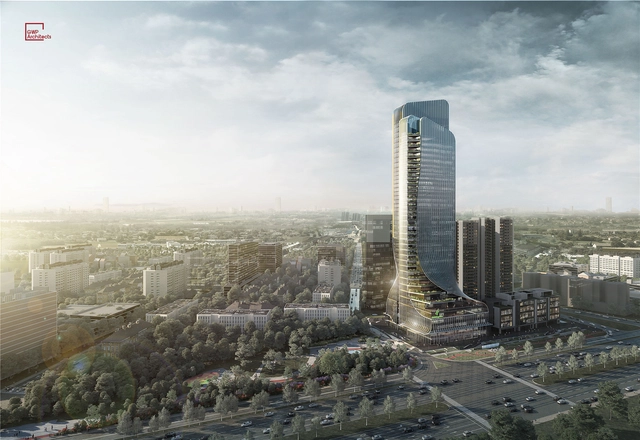
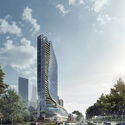
GWP Architects imagined a mixed-use development tower, reaching a height of 200 meters with a total construction area of approximately 81,000 square meters. Located in Guangzhou, the project entitled Fengsheng 101, includes hotels, offices, apartments, and commercial stores.
Inuit Art Centre. Image Courtesy of Michael Maltzan Architecture
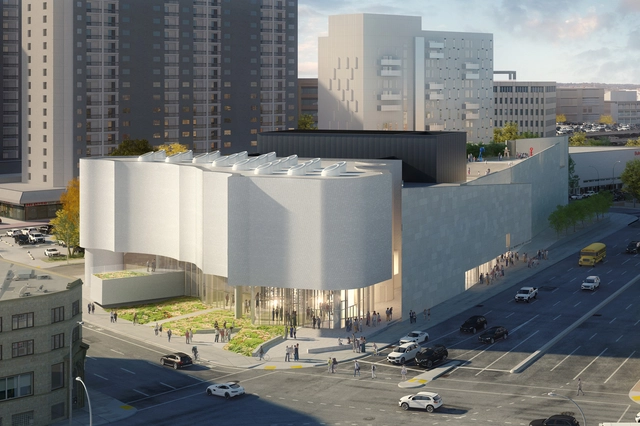
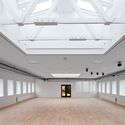
The Winnipeg Art Gallery’s Inuit Art Centre (IAC) is set to open in Manitoba this fall. Designed by Michael Maltzan Architecture in collaboration with Cibinel Architecture, the 40,000-square-foot scheme will include new galleries, a lecture theater, research areas, and a visible art storage vault. The IAC is set to become Canada's largest gallery space devoted to Inuit art, culture, and history.





.jpg?1515030902)
.jpg?1585888341&format=webp&width=640&height=580)
.jpg?1585857060 "© Paul Clemence")
.jpg?1585857994 "© Paul Clemence")
.jpg?1585888713 "© Paul Clemence")
.jpg?1585888938 "© Paul Clemence")
.jpg?1585888341)




.jpg?1585779371 "© Evabloem")
.jpg?1585779331 "© Evabloem")
.jpg?1585779341 "© Evabloem")

TomasPrinc-219.jpg?1585565151 "© Tomas Princ")




.jpg?1585746886&format=webp&width=640&height=580)