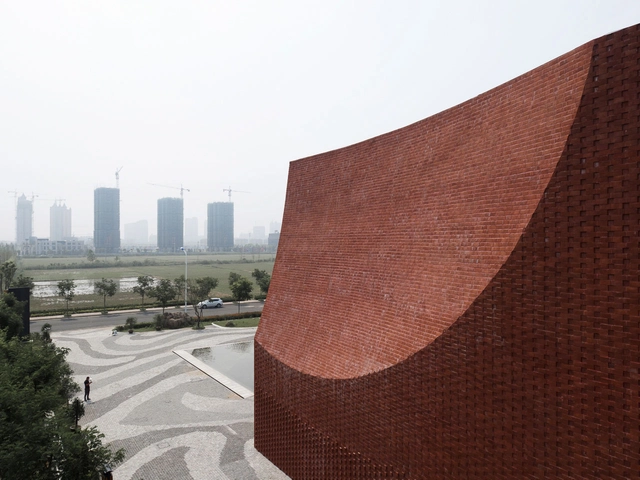
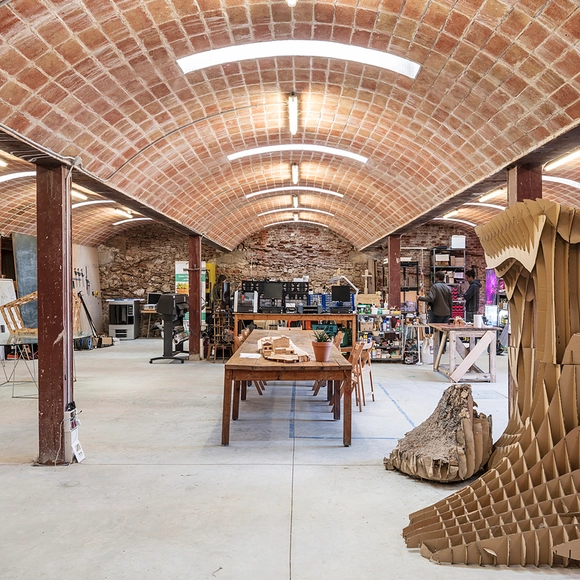
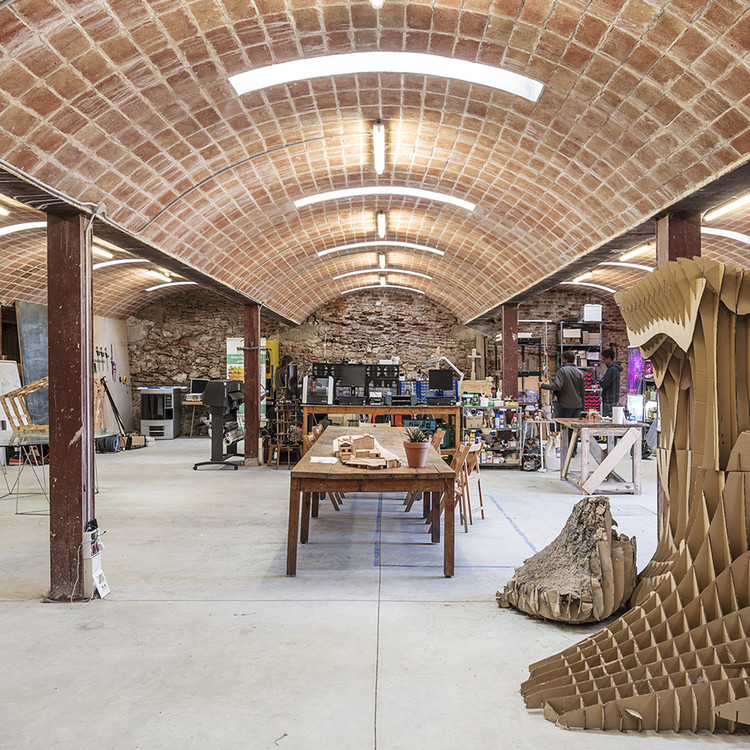
In some cases, a roof can become the shining centerpiece in a work of architecture. Catalan vault, also known as Valencian timbrel vault, became a fixture in Spanish architecture in the 19th century, popularized thanks to its low cost and ease of sourcing and assembly. With the ability to span over 30m per module, this technique is currently making a comeback, establishing itself as a go-to construction method in industrial architecture and can be seen in everything including workshops, factories, and warehouses.
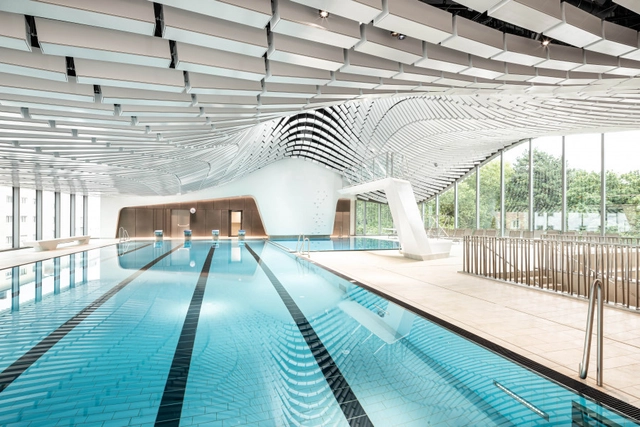
Aquatic centers are defined by activity. Making space for focused exercise and leisure alike, they are designed to support different scales of movement. At their core, they center on swimming pools. These structures explore ideas of light and space spanning millennia, from Pakistan's "Great Bath" at the site of Mohenjo-Daro and Ancient Greek palaestras to contemporary swimming complexes.
Townscaper is a new building game that allows users to create their own town, in a very simple way, with elements rising from a digital sea as they click. With no goal apart from the design aspect, this video game, launched very recently, has already gained a lot of positive reviews.
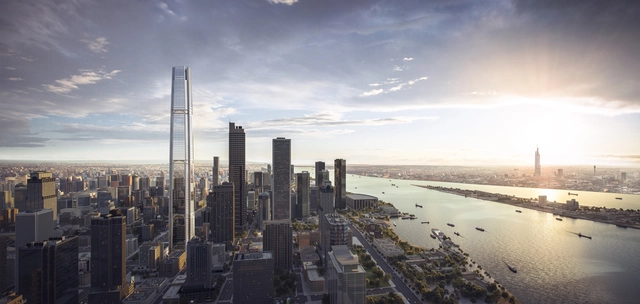
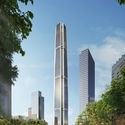
SOM has unveiled its design for a record-breaking supertall structure in Jiangsu Province, in China. Under construction since 2017, the Greenland Int’l Finance Center will become the tallest tower at almost 500 meters, once completed, surpassing Nanjing’s Zifeng Tower, also designed by SOM.
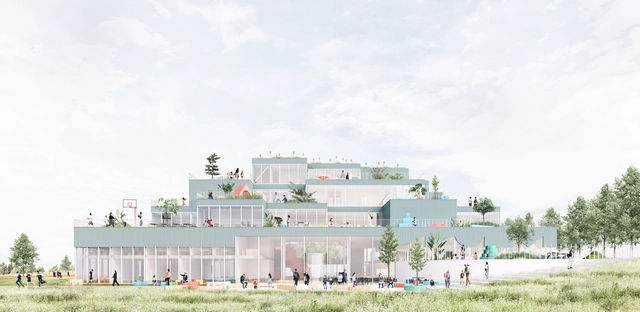
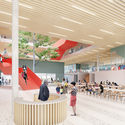
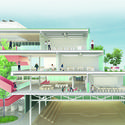
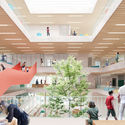
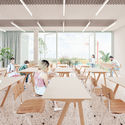
Barcelona and the Netherlands based Anagram A-U and Gruppa have designed a "Mountain of Knowledge" for the School of Dolní Měcholupy in Prague. Made for the national competition to create a new kindergarten and primary school, the proposal embraces connection and interaction to drive learning. The design is made of contour lines that delineate the mountain, while the building's core features a series of indoor-outdoor classroom spaces.
A lot of prejudice and contradictions surround the history of Cannabis sativa around the world. It is estimated that hemp was one of the first plants to be cultivated by mankind. Archaeologists have found remnants of hemp fabrics from ancient Mesopotamia (now Iran and Iraq) that date back to 8,000 BC [1]. There are similar records in China documenting the consumption of hemp seeds and oils, dating between 6 and 4 thousand BC. Upon its arrival in Europe, its main use was for the manufacture of ship ropes and fabrics: even the sails and ropes of Christopher Columbus' ships were made of this material. Likewise, the first books after Gutenberg's invention of the printing press [2] and many paintings by Rembrandt and Van Gogh were made of hemp.
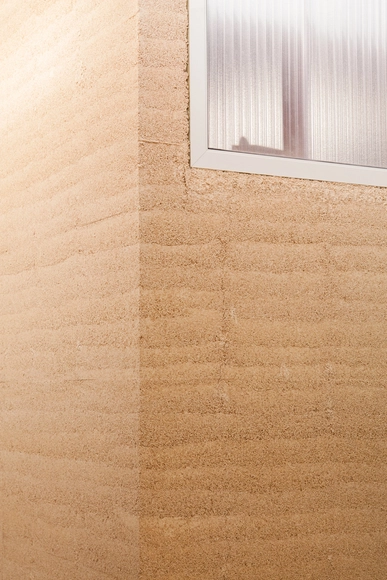
The use of hemp for civil construction is not new either. Mortar made of hemp was discovered on the pillars of bridges built by the Merovingians in the 6th century, in what is now France. It is also well known that the Romans used hemp fiber to reinforce the mortar in their buildings. Nowadays, although there are legal barriers in many countries, the use of hemp as a construction material has had encouraging results, with research demonstrating its strong thermoacoustic and sustainable qualities. Hemp can be shaped into fibrous panels, coverings, sheets, and even bricks.
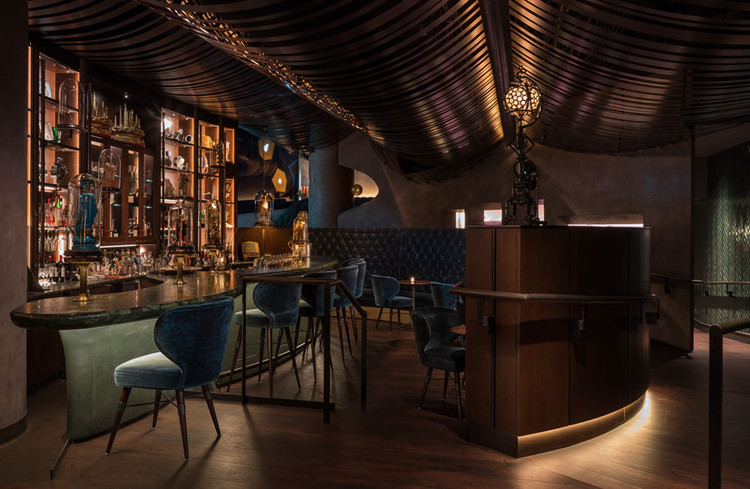
Deep Dive, a restaurant in Seattle underneath the Amazon Spheres, was another Studio Pacifica project. Graham Baba was the architect. Courtesy Studio Pacifica
Karen Braitmayer, a disabled architect, consultant, and volunteer, brings her unique life experiences to Studio Pacifica, the Seattle‐based practice she founded in 1993. With deep expertise in code compliance and regulations, Braitmayer and her team work with architectural firms like Olson Kundig and Perkins and Will to help create barrier‐free civic, residential, and commercial buildings. Studio Pacifica has served as consultants on notable projects ranging from the Space Needle renovation to the Bill & Melinda Gates Foundation Discovery Center and student housing at Smith College. Braitmayer was appointed by President Barack Obama to the United States Access Board, a position she still holds today.
As we mark the 30th anniversary of the passage of the Americans with Disabilities Act (ADA) this month, we spoke to her about how far we’ve come, and how we can continue to advance accessible design in the built environment.
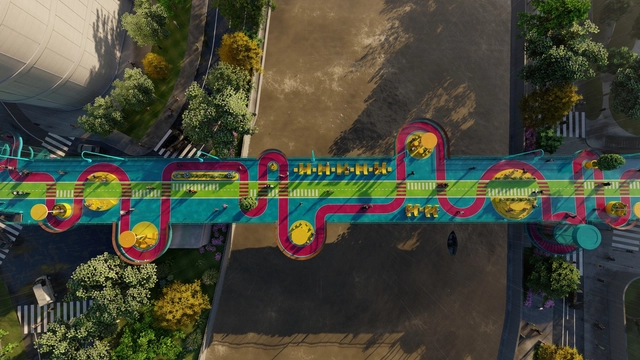
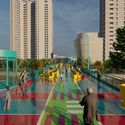
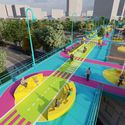
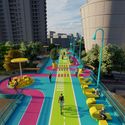
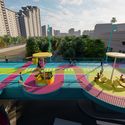
100architects has designed a proposal that regenerates the Puji Road pedestrian bridge in Shanghai, China. Entitled High Loop, the proposal reimagines the 1-kilometer elevated platform, adding playfulness and color to the city, without transforming the structure.
While not all plastics are being recycled, even the ones that display the recycling sign, the global plastic waste problem is nowhere close to being resolved. Recycling, generally determined by factors like demand, legislations, and economy, takes on arguably around 20% of the annual production of plastics, leaving a large quantity unattended, doomed to last forever in our environment. In addition, competing with newly-produced materials, recycled plastics need to meet standards of quality and price, and undergo a sustainable, efficient, and economically viable transformation.
ROGP or Rejects of Glass & Plastics Technology is an innovative approach that repurposes plastics, once labeled as non-recyclable materials due to technical complexity or economy-related issues.
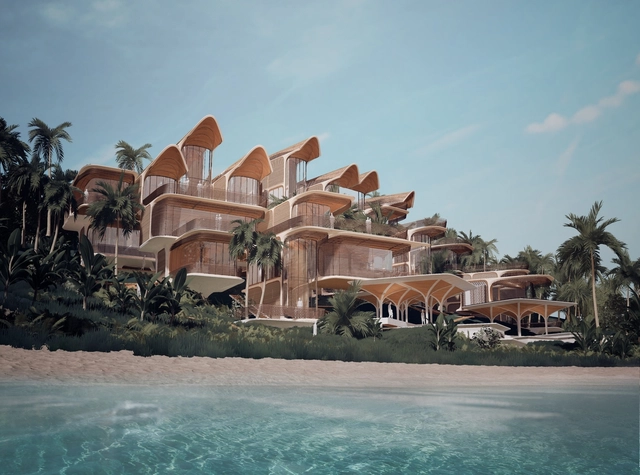
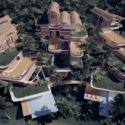
Zaha Hadid Architects has just unveiled Roatán Próspera Residences, its latest project with AKT II and Hilson Moran. Located on the island of Roatán in the Caribbean, the largest of the Bay Islands of Honduras, the project takes on specific ecological and social criteria, to develop homes for the island.
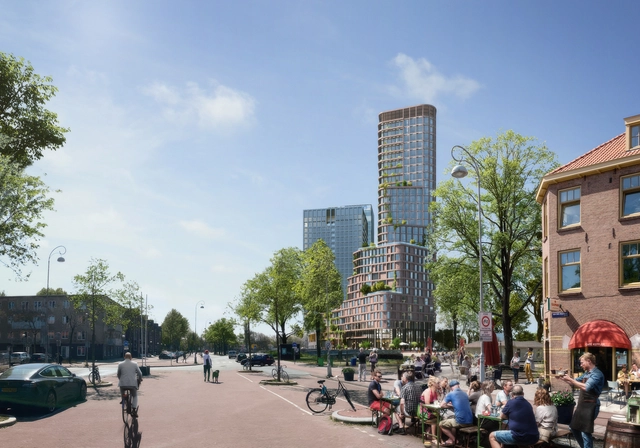
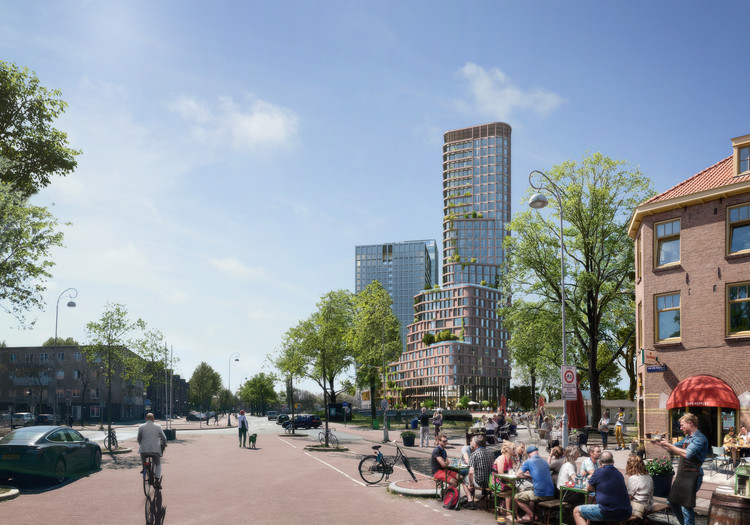
Dutch design practice Mecanoo has won the competition to design a new tower in Amsterdam. Dubbed Brink Tower, the project will rise 28 floors and accommodate nearly 400 new residents. The proposal is made to address a housing shortage for a range of tenants, including students and researchers. The new tower aims to become a green, sustainable and vibrant vertical neighborhood in the city.
Brick is one of the most popular materials for architects designing with a vintage or rustic aesthetic: exposed brick walls are often touted as highly desirable for apartments, restaurants, and stores, and exterior brick facades can make a building or home feel warmer and more inviting. However, the color and cut of the brick can greatly influence the atmosphere it emanates, with white brick lending itself to more minimalist design and tan brick tending to feel more rustic and earthy. In this article, we will explore some of the most popular brick colors, ways to artificially color brick, and recent projects that use brick facades or interior brick elements effectively.
https://www.archdaily.com/944493/the-colors-of-brickLilly Cao
Videos
Courtesy of the Lisbon Architecture Triennale
The Lisbon Architecture Triennale published on Vimeo the series of debates Talk, Talk, Talk held during its 5th edition, which was curated by Éric Lapierre. Divided into five major exhibitions, the Triennale addressed in one of them the issue of economy of means, discussed in the debates below.
https://www.archdaily.com/944638/economy-of-means-discussed-by-sharon-johnston-kersten-geers-and-robin-collyer-at-the-lisbon-triennaleEquipe ArchDaily Brasil
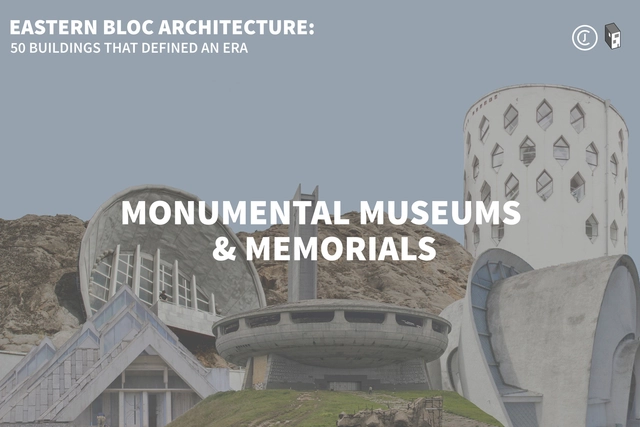
This article is part of "Eastern Bloc Architecture: 50 Buildings that Defined an Era", a collaborative series by The Calvert Journal and ArchDaily highlighting iconic architecture that had shaped the Eastern world. Every week both publications will be releasing a listing rounding up five Eastern Bloc projects of certain typology. Read on for your weekly dose: Monumental Museums and Memorials.
Bringing together technical experts in different fields to address issues of global importance, Fabien Cousteau, first grandson of Jacques-Yves Cousteau, and the Fabien Cousteau Ocean Learning Center (FCOLC) announced the inception of PROTEUS, “the world’s most advanced underwater scientific research station and habitat to address humanity’s most critical concerns”. Conceived as the underwater version of the International Space Station, the project is designed by Yves Behar and fuseproject.
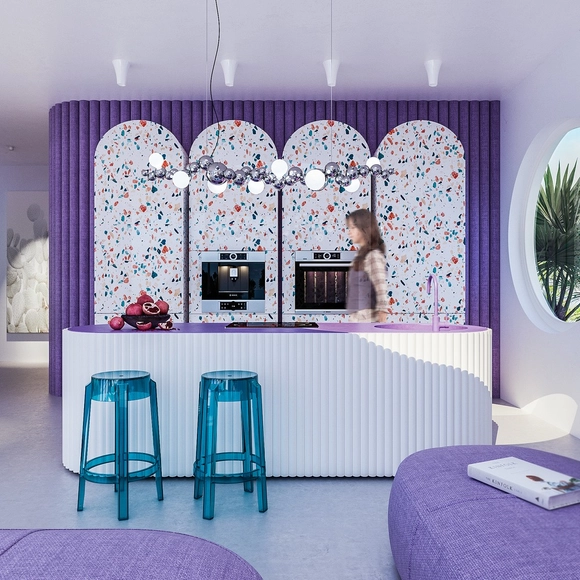
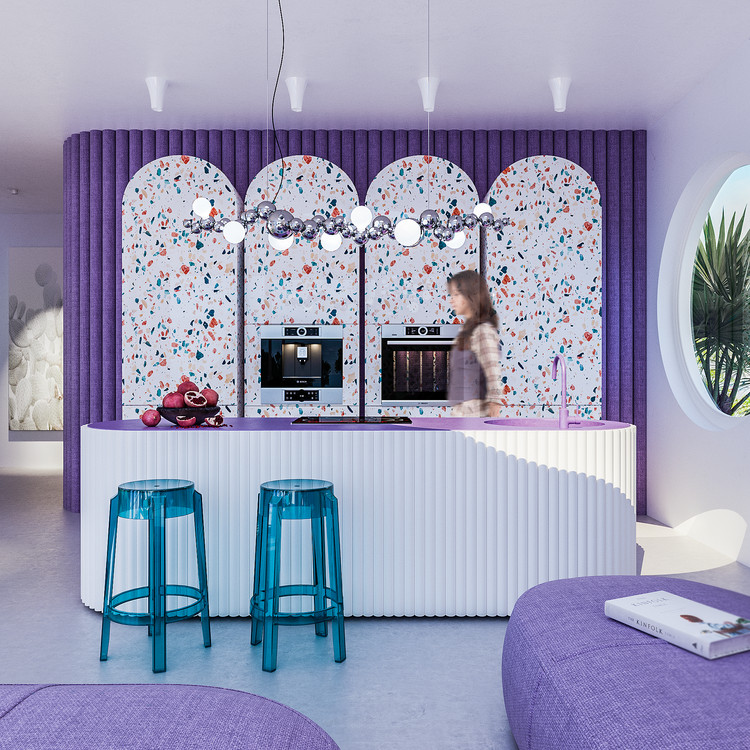
Text by Reutov Design. I was inspired to create this project by the nature of the island of Lanzarote in the Canary archipelago. Inspired by the extraterrestrial landscapes of this island combined with the bright colors of the nature of the island of Ibiza, we managed to create a light futuristic interior.
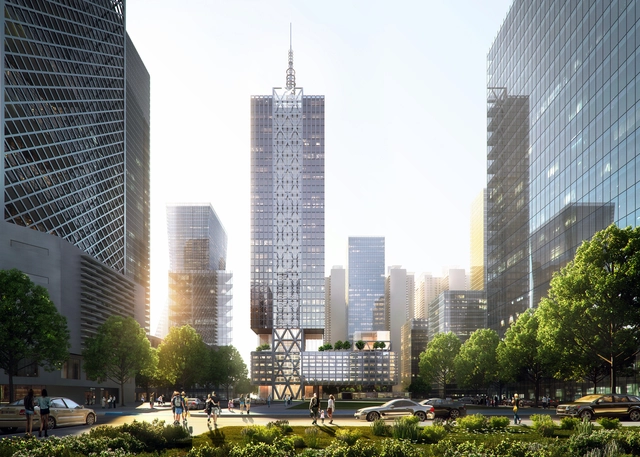
Hytera, one of the world's leading radio and communication systems manufacturers, has selected SOM to design its global headquarters, in Shenzhen, China. Integrated within the context, the project joins other emerging technology enterprises in the city and introduces a new typology of office space, as well as activates the surrounding public space.
The Royal Institute of British Architects (RIBA) has announced three joint winners of the Rethink: 2025 international design competition. Looking for designs for a post-pandemic world, the competition invited architects and students to consider what life and our built environment could look like by 2025. In total, there were over 147 entries from 18 countries that were submitted to reimagine daily life.
Architecture is grounded in optimism and a belief in what lies ahead. Building a body of work around this idea, architect and author Lance Hosey serves as a Design Principal and Chief Impact Officer at HMC Architects. A Fellow of both the American Institute of Architects and the US Green Building Council, Hosey is working to champion more sustainable design strategies and reconsider how architecture is practiced.
This essay is a summary of the book “The Multi-Skilled Designer: Cognitive Foundation for Inclusive Architectural Thinking.” Using the theory of multiple intelligences from cognitive psychology, and developments in psychometric research, the book advocates eight skills to incorporate skill diversity in design. Design problems of 21st Century vary far too greatly—in terms of their content, scale, and complexity, and demand a repertoire of skills. To consider multiple skillsets is to recognize the presence of individual differences, representations, and approaches in design. This allows a shift from formalist practices of architecture that emphasize graphical and formal logic skills, that tend to produce the same type of designers and privilege a narrow section of designer thinkers.
The COVID-19 Pandemic is a disruptive moment for our world, and it’s poised to spur transformative shifts in design, from how we experience our homes and offices to the plans of our cities. The webcast series Design Disruption explores these shifts—and address issues like climate change, inequality, and the housing crisis— through chats with visionaries like architects, designers, planners and thinkers; putting forward creative solutions and reimagining the future of the built environment.
Episode 3 will be streamed online on ArchDaily Facebook, Monday, July 27, at 11:30 am EST, and will focus on the future of Architecture and the Public Realm. Our guests will be Benedetta Tagliabue, co-founder of Barcelona-based EMBT, and Vishaan Chakrabarti, founder of Practice for Architecture and Urbanism and incoming William W. Wurster Dean of the College of Environmental Design at the University of California, Berkeley.
The concept of “decarbonization” has been in vogue recently in political speeches and global environmental events, but it has not yet gained enough attention in the field of architecture to profoundly change the way we design and construct the world of tomorrow. Buildings are currently responsible for 33% of global energy consumption and 39% of greenhouse gas emissions, indicating that architects must play a significant role if we are to stop or reverse climate change. With carbon acting as a universally agreed upon metric with which the greenhouse gas emissions of a building can be tracked [1], one of the most important ways through which this goal can be achieved is therefore the decarbonization of buildings.
https://www.archdaily.com/938866/urgent-issue-10-strategies-to-decarbonize-architectureLilly Cao
“I’ve known since I was a child that change would never happen on its own. My dream was to make a positive change as a woman architect and urban planner.” Architect, Activist, and Founder of Warch(ée) NGO, Anastasia Elrouss has been involved in architecture and advocating for women in the field, for nearly 15 years. Through her own practice, she is always seeking to create interventions that are constantly adapting to the users and the environment, “putting the human layer at the center of the architectural experience”. Through her platform, she is encouraging an ongoing conversation about gender equality and the role of women in the workplace and the world.
Archdaily’s Hana Abdel, project curator and Christele Harrouk, senior editor, had the chance to sit with Anastasia to discuss her journey, her creative process, her deeply-rooted involvement with women in the field and the inception of both her NGO and architectural practice.
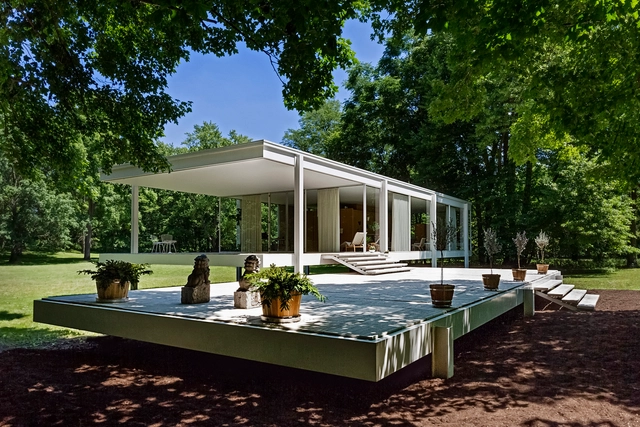
After a prolonged closure due to the COVID-19 pandemic, Farnsworth House reopens its doors with a new exhibition entitled “Edith Farnsworth Reconsidered”, a temporary refurnishing of the country house to reflect its 1955 appearance. Focusing on Dr. Edith Farnsworth’s life and times, the exhibition aims to highlight the untold story of this woman.

















.jpg?1596025638 "© Charbel Tannous, courtesy of Development Inc.")