1. ArchDaily
  2. News

News

8 Products Designed by Architects for Milan Design Week and Salone del Mobile 2023

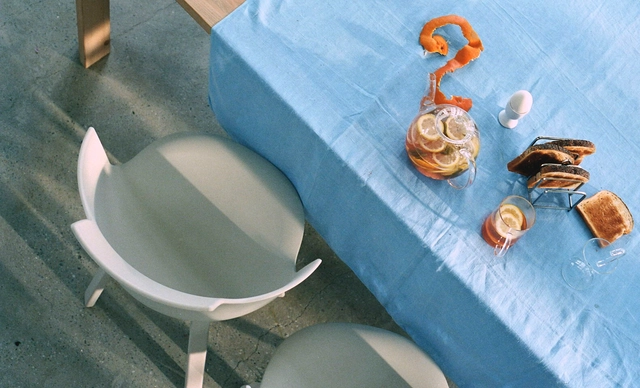
Milan Design Week is an annual festival that returned to Milan this April, with as a main event, The Salone del Mobile, which runs from April 18 to 23, 2023, at the Fiera Milano exhibition venue. Over 370,000 people attended the furniture fair this year, while thousands of design studios presented furniture, lighting, appliances, kitchen, bathroom, outdoor and workstation products. To highlight furniture and object design and the broader context of Milanese architecture and culture, many architectural offices collaborated with various businesses to make architect-designed items and construct architectural installations.

Reputable architects participated in the week-long event as they do every year, using products, furniture, and installations to share their expertise, address some of the most pressing issues facing the field, and demonstrate how their work can benefit the environment and society. Many firmly established architecture studios, from Foster + Partners, Mario Cucinella, and Hassell, designed various products. Furthermore, architects such as The New Raw, Snøhetta, and Studio Etienne Bastormagi have designed products focusing on efficient and sustainable systems that can inform future decision-making.

8 Products Designed by Architects for Milan Design Week and Salone del Mobile 2023 - Image 1 of 48 Products Designed by Architects for Milan Design Week and Salone del Mobile 2023 - Image 2 of 48 Products Designed by Architects for Milan Design Week and Salone del Mobile 2023 - Image 3 of 48 Products Designed by Architects for Milan Design Week and Salone del Mobile 2023 - Image 4 of 48 Products Designed by Architects for Milan Design Week and Salone del Mobile 2023 - More Images+ 8

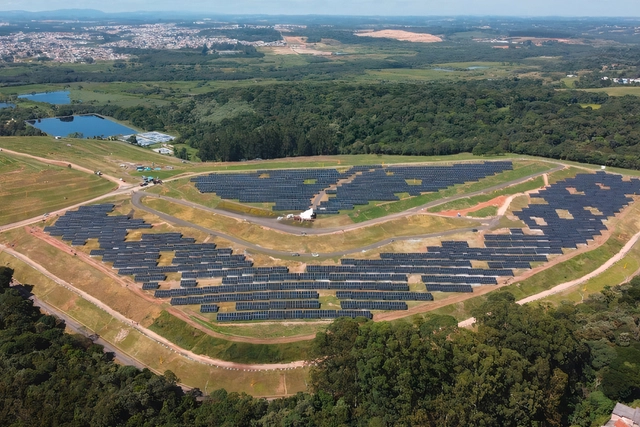
Curitiba transforms landfill into solar plant

A solar power plant built on top of the Caximba landfill, which was decommissioned in 2010, is the new symbol of Curitiba. Nicknamed the “solar pyramid” due to its shape, the plant has an installed capacity of 4.55 megawatts (MW) and was inaugurated last Wednesday (29) during the city's 330th anniversary celebrations.

The project is part of “Curitiba Mais Energia,” one of the city's initiatives to combat and mitigate climate change by producing renewable energy. The municipality will reduce the emission of 2,000 tons of CO2 into the atmosphere, helping meet the city's greenhouse gas reduction targets.

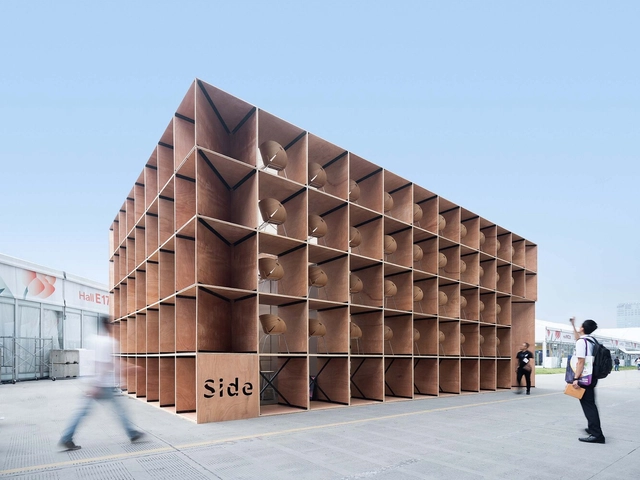
Afterlife of Pavilions: Exploring Reuse in Temporary Architecture

Temporary pavilions and installations, such as those used in events, exhibitions, or festivals, present themselves as a great challenge when addressing the circular economy in architecture due to their ephemeral condition. It seems contradictory to address resource management and try to extract the maximum value from the materials and minimize waste and pollution while designing a structure that is meant to be used for a limited period of time. However, there are several strategies to rethink the way we are designing these structures in order to promote circularity.

Afterlife of Pavilions: Exploring Reuse in Temporary Architecture - Image 1 of 4Afterlife of Pavilions: Exploring Reuse in Temporary Architecture - Image 2 of 4Afterlife of Pavilions: Exploring Reuse in Temporary Architecture - Image 3 of 4Afterlife of Pavilions: Exploring Reuse in Temporary Architecture - Image 4 of 4Afterlife of Pavilions: Exploring Reuse in Temporary Architecture - More Images+ 8

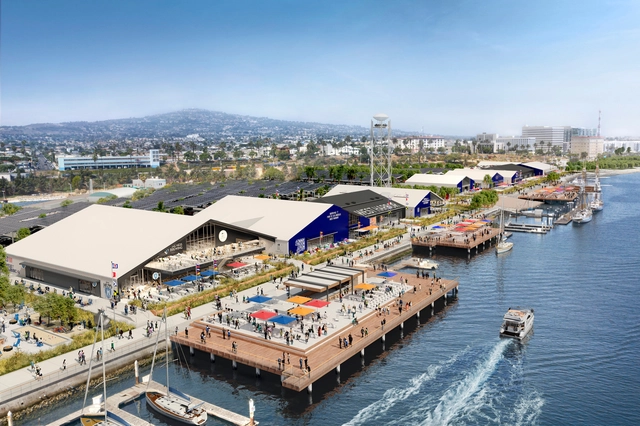
Reimagining the Future of Los Angeles: An Interview with Alan Pullman of Studio One Eleven

Subscriber Access | 

Architecture has the power to transform cities. Whether through the innovative use of materials, collaboration with other architecture firms to realize neighborhood master plans, or transforming public transportation for an entire population, design can significantly influence and impact how we interact with the places we live. In an exclusive interview with ArchDaily, Alan Pullman of Studio One Eleven talks about his firm’s vision for the future of Los Angeles and its approach to architecture and urban planning.
Reimagining the Future of Los Angeles: An Interview with Alan Pullman of Studio One Eleven - Image 1 of 4Reimagining the Future of Los Angeles: An Interview with Alan Pullman of Studio One Eleven - Image 2 of 4Reimagining the Future of Los Angeles: An Interview with Alan Pullman of Studio One Eleven - Image 3 of 4Reimagining the Future of Los Angeles: An Interview with Alan Pullman of Studio One Eleven - Image 4 of 4Reimagining the Future of Los Angeles: An Interview with Alan Pullman of Studio One Eleven - More Images+ 13

“Houses Are Our Private Museums”: Interview with Marta Brandão and Mário Sousa

Subscriber Access | 

No País dos Arquitectos is a podcast created by Sara Nunes, who also heads the architectural film production company Building Pictures. The podcast aims to profile the professionals, projects, and stories behind contemporary Portuguese architecture. With just over 10 million inhabitants, Portugal is a fascinating country when it comes to this professional field, and its architectural output far exceeds what its small population and territorial scale might suggest.

In this episode of the fifth season, Sara talks with architects Marta Brandão and Mário Sousa about the Mima housing system. Listen to the conversation and read an excerpt of the interview below.

“Houses Are Our Private Museums”: Interview with Marta Brandão and Mário Sousa - 1 的图像 4“Houses Are Our Private Museums”: Interview with Marta Brandão and Mário Sousa - 2 的图像 4“Houses Are Our Private Museums”: Interview with Marta Brandão and Mário Sousa - 3 的图像 4“Houses Are Our Private Museums”: Interview with Marta Brandão and Mário Sousa - 4 的图像 4“Houses Are Our Private Museums”: Interview with Marta Brandão and Mário Sousa - More Images+ 5

5 Changes to Transform Transportation and Meet Climate Goals

Subscriber Access | 

Transportation connects us. It is how we get to school and work, visit our families, and access grocery stores and healthcare services. It is also how we ship and receive goods and services. As economies and populations grow, so does the need for efficient, accessible, and sustainable transportation options.

Wind power generation set to break records in Brazil

As of February this year, Brazil has 890 wind farms installed across 12 states. These facilities represent 25.04 gigawatts (GW) of installed capacity in commercial operation, benefiting 108.7 million people.

Of this total, 85% are located in the Northeast region. According to the Brazilian Wind Energy Association (Abeeólica), by 2028 Brazil will have 44.78 GW of installed capacity of this energy source, whose share in the national energy mix currently stands at 13.2%. Today, wind power already accounts for 20% of the energy generation needed by the country.

Maceió: Can opening streets in a park improve traffic?

Subscriber Access | 

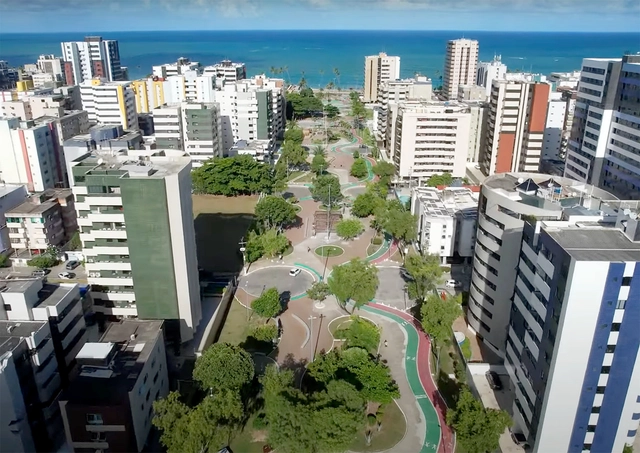
This is not the first article to address this, nor will it be the last. Numerous studies and pieces have pointed out the inconsistency of promoting car-centric urban policies as mobility solutions. I myself wrote in 2021 about the need to stop building overpasses and claiming they will solve mobility issues. Recently, however, Maceió’s Municipal Transport and Traffic Department (SMTT), a local government agency, launched a public consultation to gather feedback on opening streets within the city's largest linear park, the Vera Arruda Corridor. The proposal aims to improve "mobility" and "traffic flow" in an area that "suffers" from rush-hour congestion.

Minas Cheese Could Join the Intangible Cultural Heritage of Humanity List

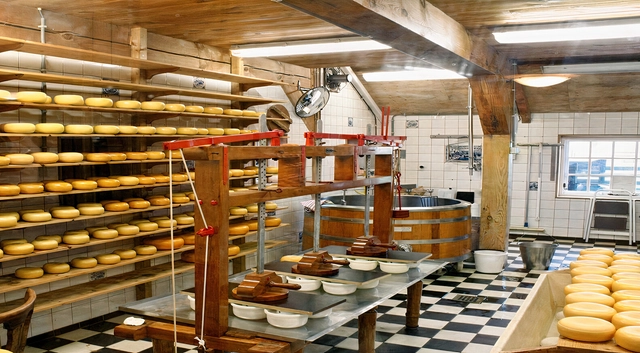
On Wednesday (29), the National Institute of Historic and Artistic Heritage (Iphan) formally presented the nomination of the Artisan Minas Cheese-Making Practices to the Representative List of the Convention for the Safeguarding of the Intangible Cultural Heritage of Humanity, through the Permanent Delegation of Brazil to UNESCO (Brasunesco). The list comprises intangible cultural assets that are considered representative of global cultural diversity and require protection and appreciation.

Argentina’s New Restaurants, Bars and Cafes: Innovating With Materials, Colors and Textures

Subscriber Access | 

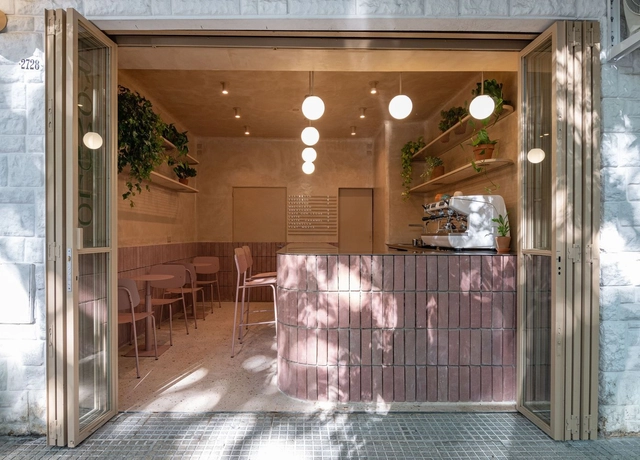
The interior design of gastronomic premises is becoming increasingly important due to the demand for improvement in the areas of competition, customer experience, and brand identity. The ability to adapt to current trends and needs is a point that Argentinian architecture and interior design professionals have been facing with innovation and flexibility in the use of materials, colors, and textures.

From the Streets to the Internet: The History of Commerce and Its Relationship With the Territory

Subscriber Access | 

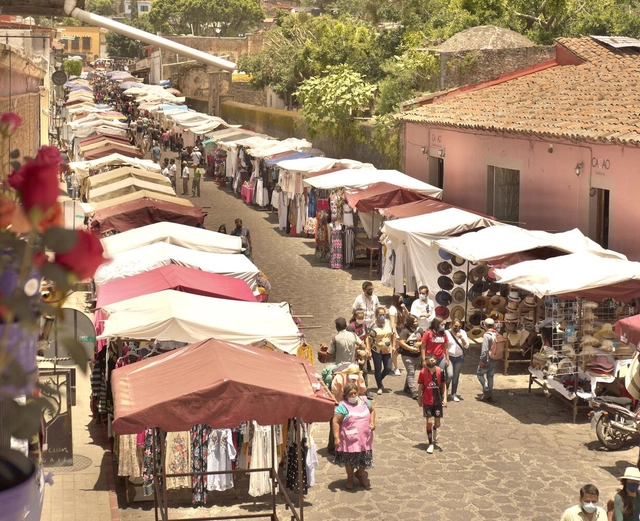
Commerce is a human activity practiced by societies since the beginning of evolution. Exchanges were made between products negotiated by entire communities at first. They began to be based on a common currency and practiced individually over time, from family to family. In one way or another, this activity is a characteristic of civilization and even influences our territorial organization. Historically practiced in outdoor spaces, commercial activity defined many spatial configurations.

From the Streets to the Internet: The History of Commerce and Its Relationship With the Territory - Image 1 of 4From the Streets to the Internet: The History of Commerce and Its Relationship With the Territory - Image 5 of 4From the Streets to the Internet: The History of Commerce and Its Relationship With the Territory - Image 3 of 4From the Streets to the Internet: The History of Commerce and Its Relationship With the Territory - Image 7 of 4From the Streets to the Internet: The History of Commerce and Its Relationship With the Territory - More Images+ 4

São Paulo to get an artificial beach designed by aflalo/gasperini arquitetos

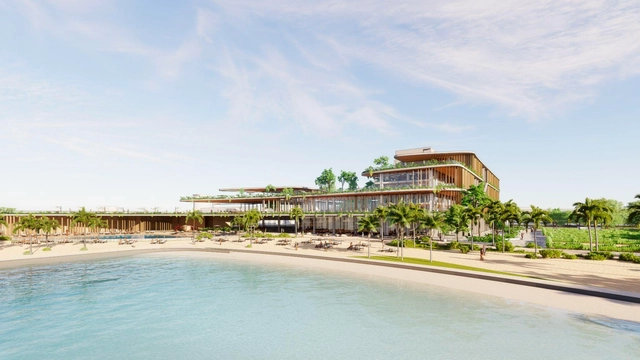
Surfers in São Paulo will no longer need to travel to catch a wave. Scheduled to open in 2025, Beyond The Club is a sports and wellness complex featuring an artificial wave beach. Designed by the firm aflalo/gasperini arquitetos, the club will feature, in addition to the wave pool and sandy beach, a sports complex with beach tennis and tennis courts, a gym, a spa, an indoor skate park, and three restaurants.

The club will occupy the site of the former Hotel Transamérica, located near Marginal Pinheiros in the city's south zone, which was designed by the firm's first generation in the 1980s. 

22 projects compete for the restoration of the iconic building at 221 Exposición Street, Santiago

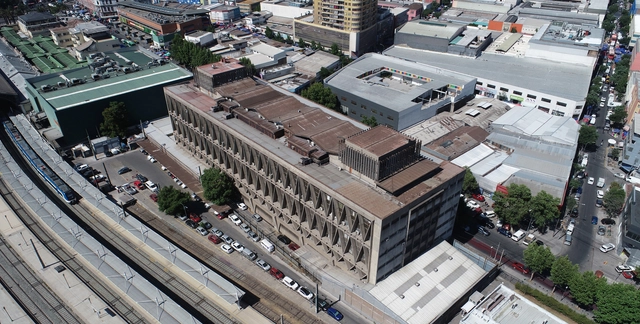
Twenty-two proposals were submitted to the EFE (Trenes de Chile) architectural competition to convert the iconic seven-story, triangular concrete structure at 221 Exposición Street in Santiago into its new corporate headquarters. Originally designed by architect Boris Guiñeman, the building was constructed between 1970 and 1974 to house the Correos de Chile sorting center.

How Can Informal Retail Preserve Pedestrian Zones as Car Dependency Increases in African Cities?

Subscriber Access | 

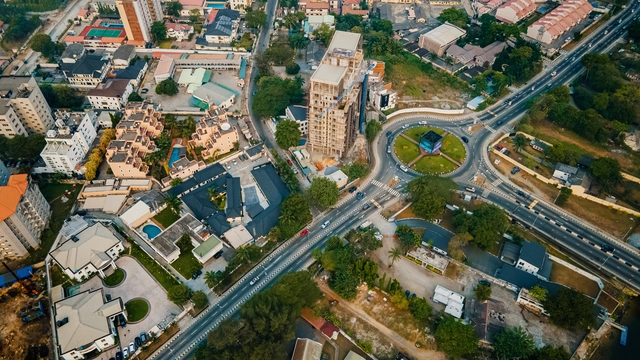
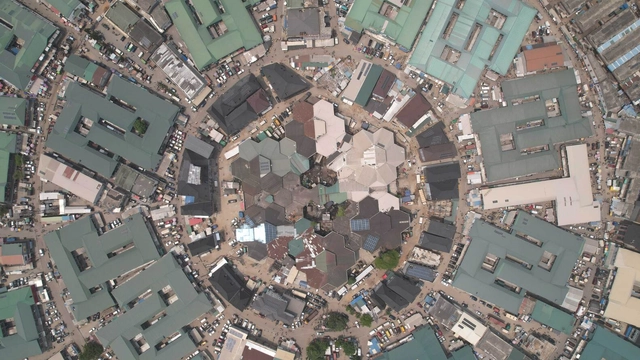
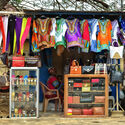
African cities are expected to experience a significant increase in population over the next 30 years. According to United Nations projections, these cities will welcome an additional 900 million inhabitants by 2050. This demographic shift will create both opportunities and challenges that will reshape the nature and structure of these cities. These challenges include the need for economic growth, increased demand for housing and infrastructure, and the development of supplementary transportation systems. So far, most African cities have responded to this rapid population growth with sprawling horizontal development patterns that expand the fringes of the city, increase social fragmentation, and ultimately lead to greater car dependency.

How Can Informal Retail Preserve Pedestrian Zones as Car Dependency Increases in African Cities? - 1 的图像 4How Can Informal Retail Preserve Pedestrian Zones as Car Dependency Increases in African Cities? - 2 的图像 4How Can Informal Retail Preserve Pedestrian Zones as Car Dependency Increases in African Cities? - 6 的图像 4How Can Informal Retail Preserve Pedestrian Zones as Car Dependency Increases in African Cities? - 3 的图像 4How Can Informal Retail Preserve Pedestrian Zones as Car Dependency Increases in African Cities? - More Images+ 4

At the Intersection of Architecture and Design: Winners of the German Design Awards 2023

 | Sponsored Content

The winners of the German Design Awards 2023 approach design in ways that are both clever and sustainable, with a focus on ground-breaking product solutions and visionary ideas. The cradle-to-cradle principle, modular construction methods, sustainable use of materials and energy efficiency have long been mainstays in manufacturing and the construction process. But real estate branding is also increasingly coming into focus and becoming an important instrument in architectural communication and marketing.
Of the 4,200 submissions that the German Design Awards 2023 received, 98 projects in total were honored with the highest ‘Gold’ distinction. The German Design Awards are one of the most well-recognized international design awards, distinguished by its diversity and the quality of the projects. The awards are given to companies whose products stand out in the categories of ‘Excellent Product Design’, ‘Excellent Communications Design’, and ‘Excellent Architecture’. In the three different design disciplines, this year’s winners include companies such as Duravit, Mono and WMF, as well as the architecture firm MVRDV and start-ups such as nevi and X Shore AB.
Join the Conversation: Share Your Ideas for Enhancing the Value of ArchDaily

At ArchDaily we are always looking for ways to increase the value of what we provide to the architecture community. In order to do this, we try to be at the forefront by identifying trends, providing the best tools possible, and connecting with our audience, which is why feedback from the community is so important.

We would love to hear your opinion on how we could make your experience better: the type of content you value the most, how and where you consume it, and what you would like to see on ArchDaily. To do this, we created a short survey to better understand you

Peter Pichler Architecture Unveils the Design of a Family of Ski Stations in the Italian Alps

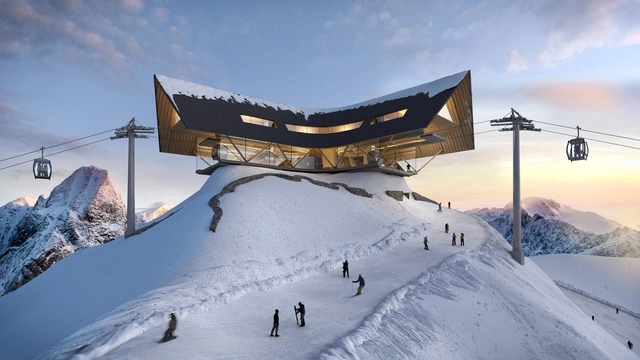
Peter Pichler Architecture has been invited to participate in a private competition for the design of a set of Ski Facilities in Ponte di Legno, Italy. The project includes the addition of three new cableway lines for the ski resort, each marked by an architectural intervention designed to provide shelter and dining options. The buildings also include exhibition spaces dedicated to the preservation of the cultural, natural, and historical heritage of the site.

The Serbia Pavilion Explores Global Collaboration at La Biennale di Venezia 2023

The National Pavilion of Serbia, curated by Iva Njunjić and Tihomir Dičić, has just announced its exhibition at the 2023 Venice Biennale, which explores architecture's futures, presents, and pasts through the lens of an international Trade Fair in Lagos, Nigeria, in 1977. The trade fair was a product of non-aligned cooperation between Yugoslavia and Nigeria.

Explore Some of Luis Barragan's Unbuilt and Little-Known Projects 121 Years After His Birth

Subscriber Access | 

March 9 marks the birthday of one of the most important Mexican architects worldwide. A pioneer of the Modern Movement in Mexico whose work has transcended geographical limits to be studied by different generations of architects who have rewritten his teaching to make it their own. Every year, this date represents the perfect excuse to rethink Barragan's legacy to architecture not only in Mexico but also in the world, and different projects have been carried out with this intention, awakening the interest of new generations. However, until a few years ago, the record of the architect's work was not very accessible since more than 50% of the projects he built remained anonymous due to the lack of a proper archive of his work.

Foodscapes, the Spanish Pavilion at the 2023 Venice Biennale Focuses on the Architecture of Food Production, Distribution, and Consumption

The Ministry of Transport, Mobility and Urban Agenda (Mitma) revealed in November 2022 the winning proposal for the curation and exhibition design of the Spanish Pavilion at the 18th edition of the Venice Architecture Biennale, which will take place from May 21 to November 26, 2023. Developed by Eduardo Castillo Vinuesa and Manuel Ocaña, "Foodscapes" focuses on the biennale's theme "The Laboratory of the future", by choosing as the object of its research the architecture related to the food production, distribution, and consumption chain, from the domestic to the territorial level.

Foodscapes, the Spanish Pavilion at the 2023 Venice Biennale Focuses on the Architecture of Food Production, Distribution, and Consumption - Image 1 of 4Foodscapes, the Spanish Pavilion at the 2023 Venice Biennale Focuses on the Architecture of Food Production, Distribution, and Consumption - Image 2 of 4Foodscapes, the Spanish Pavilion at the 2023 Venice Biennale Focuses on the Architecture of Food Production, Distribution, and Consumption - Image 3 of 4Foodscapes, the Spanish Pavilion at the 2023 Venice Biennale Focuses on the Architecture of Food Production, Distribution, and Consumption - Image 4 of 4Foodscapes, the Spanish Pavilion at the 2023 Venice Biennale Focuses on the Architecture of Food Production, Distribution, and Consumption - More Images+ 1

Circular Economy: Design Strategies in a Larger Time Dimension

These days, the architecture industry cannot disregard how significant the challenge of sustainability has become. One strategy for achieving sustainable development is a circular economy, based on a sustainable life cycle. This strategy minimizes resource usage and extends the useful life of buildings from a design perspective. Moreover, another challenge is how to increase the usability of the building itself, in addition to how we've incorporated building disassembly into the cycle. This requires that designers take the future into account when making design decisions, integrating the requirements of the present with the potential outcomes of what has not yet happened.

Circular Economy: Design Strategies in a Larger Time Dimension - Image 1 of 4Circular Economy: Design Strategies in a Larger Time Dimension - Image 2 of 4Circular Economy: Design Strategies in a Larger Time Dimension - Image 3 of 4Circular Economy: Design Strategies in a Larger Time Dimension - Image 4 of 4Circular Economy: Design Strategies in a Larger Time Dimension - More Images+ 9

Everything Is (Not) Architecture: Environmental Design and Architecture’s Slippery Slope

This article was originally published on Common Edge.

There’s no shortage of slippery slopes in the architectural lexicon: “architectural” and “architectonic” hover near the top of the list. Problems invariably arise when the modifier supplants the modified. This happens more than you’d think, especially of late. A wholly separate issue arises when owing partly to a linguistic slight of tongue, architecture is understood as something distinct from the building, eschewing physical inhabitation. 

Discover the winning project for the new laboratories of the Córdoba Grain Exchange and Chamber

The National Preliminary Project Competition for the construction of the new laboratories of the Córdoba Grain Exchange and Chamber was organized by the Association of Architects of the Province of Córdoba (CAPC) and sponsored by the Argentine Federation of Associations of Architects (FADEA). As a public, nationwide ideas competition, its goal is to rethink the laboratory headquarters through flexible spaces capable of adapting to future changes and growth. The design incorporates functional, constructive, and energy efficiency, while remaining mindful of both the people who occupy these spaces and their landscape context.

16 Architectural Installations at the 2023 Milan Design Week and Salone del Mobile

Subscriber Access | 

Milan Design Week represents one of the biggest annual design events in the world, bringing together Salone del Mobile.Milan, the largest furniture and design trade fair worldwide, and Furiosalone, along with many other exhibitions, product launches, conferences, and design-related events. This year’s edition, held between April 17th, 2023 and April 21st, 2023, brought together architects, designers, manufacturers and enthusiasts, both Italian and international. Many architectural offices contributed by collaborating with various brands to develop architect-designed products and to create architectural installations to highlight not only furniture and object design but also the larger context of Milanese architecture and culture.

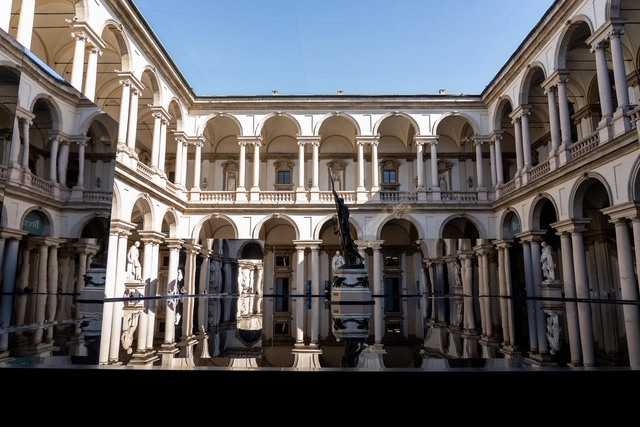
Featuring designs from internationally recognized architecture offices such as OMA, MAD Architects, Stefano Boeri Interiors and CRA-Carlo Ratti Associati, the following selection showcases temporary interventions in both historical and contemporary contexts. The designs present several recurring themes, such as the interest and fascination with the properties of water, be it contained within man-made structures or in its natural state. Many of the participating companies chose to showcase not only their products but also the historical architecture of Milan, by using buildings such as Pinacoteca di Brera, Casa Maveri, or the deconsecrated church of San Vittore e 40 Martiri as a backdrop for their installations.

16 Architectural Installations at the 2023 Milan Design Week and Salone del Mobile - Image 1 of 416 Architectural Installations at the 2023 Milan Design Week and Salone del Mobile - Image 2 of 416 Architectural Installations at the 2023 Milan Design Week and Salone del Mobile - Image 3 of 416 Architectural Installations at the 2023 Milan Design Week and Salone del Mobile - Image 4 of 416 Architectural Installations at the 2023 Milan Design Week and Salone del Mobile - More Images+ 42

You've started following your first account!

Did you know?

You'll now receive updates based on what you follow! Personalize your stream and start following your favorite authors, offices and users.