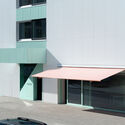
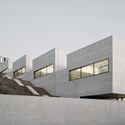
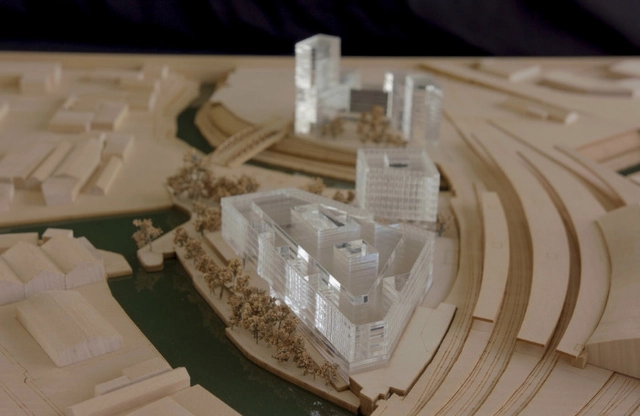
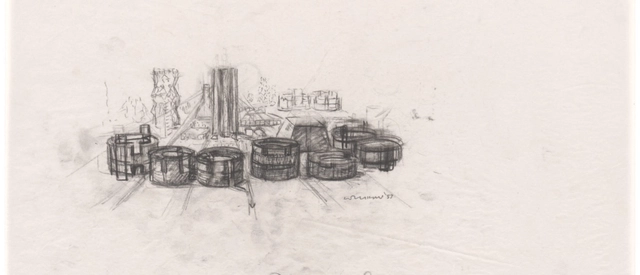
Market Street East (1960-62), Philadelphia Civic Center (1956-57).. Image Courtesy of Lars Muller Books, The Architectural Archives at the University of Pennsylvania, Sue Ann Kahn, and the Museum of Modern Art.
In an age of ebooks and web-first publishing, Louis Kahn: The Importance of a Drawing (Lars Müller Publishers) is a defiant throwback: a lavish, 500-plus-page book, very much an object befitting its subject, whose buildings had a weight, both literal and figurative, that was part of their power and appeal. Conceived and edited by Michael Merrill, the book is both a deep examination of Kahn’s creative process, as told through the medium of the hand drawing, as well as a revealing portrait of the man behind those buildings and illustrations. Merrill is an architect and educator and currently serves as director of research at the Institute for Building Typology at the Karlsruhe Institute of Technology in Germany. He’s also the author of two previous books on the master architect, Louis Kahn: Drawing to Find Out and Louis Kahn: On the Thoughtful Making of Spaces.
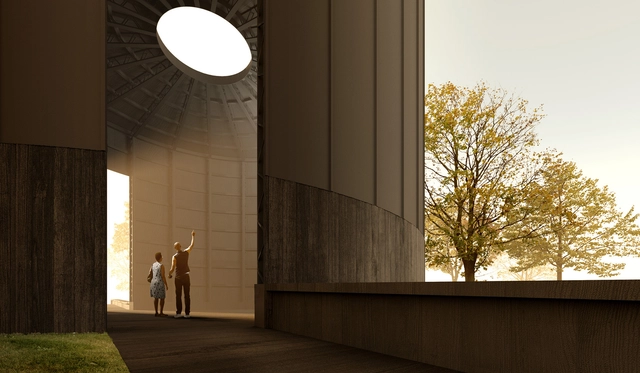
Serpentine Pavilion 2022, Black Chapel, designed by Theaster Gates. Design render, interior view. Image Courtesy of Theaster Gates Studio
American artist Theaster Gates unveiled his design for the 21st Serpentine Pavilion. Curated for the first time by a non-architect, the 2022 edition named Black Chapel, “will pay homage to British craft and manufacturing traditions”. Realized with the architectural support of Adjaye Associates, the pavilion will open to the public on Friday 10 June 2022, in Kensington Gardens.
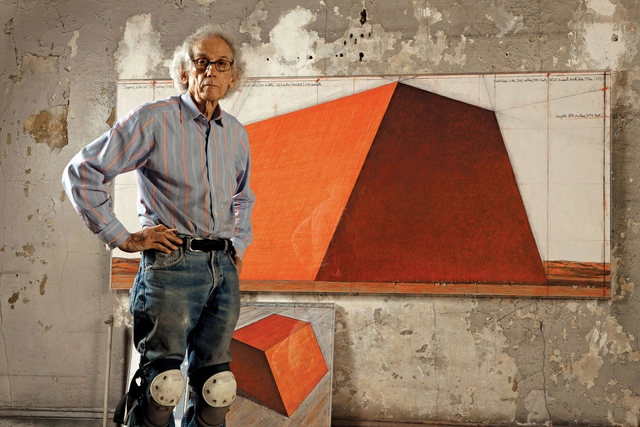
Conceived in 1977, and currently, in progress, The Mastaba, Christo and Jeanne-Claude’s largest permanent artwork in the world, is designed for Abu Dhabi, to be built in a proposed location approximately 160 kilometers south of the city in the desert of Liwa, in the United Arab Emirates. Made from 410,000 multi-colored barrels, the installation will create “a colorful mosaic, echoing Islamic architecture”. 150 meters high, 300 meters long at the vertical walls and 225 meters wide at the 60 degrees slanted walls, the duo’s final project will take at least three years to be built, once it receives governmental approval.
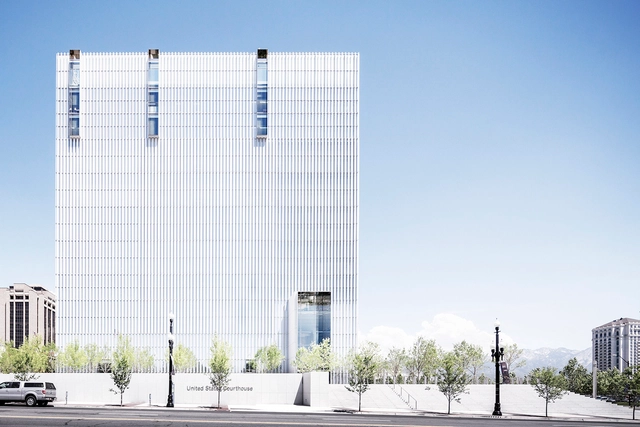
Courthouse architecture is defined by civic and monumental designs. These projects establish contemporary expressions that move beyond vernacular traditions to explore modern aesthetics and new forma approaches. As prominent landmarks in a city, courthouses reflect the beliefs, priorities, and aspirations of a people. They are also a meeting ground, cultural hub, and social gathering place.
Eden Project North - Morecambe. Image Courtesy of Grimshaw
After unveiling the Eden Project North back in 2018, Grimshaw Architects has finally received planning permission from Lancaster City Council to begin constructing its Morecambe attraction. The new addition to the Eden Project series will focus on reimaging health and wellbeing by taking inspiration from the landscape of Morecambe Bay, a natural estuary south of the Lake District. Similar to the rest of the attractions, a series of shell-like structures will host the main exhibition and recreational spaces.
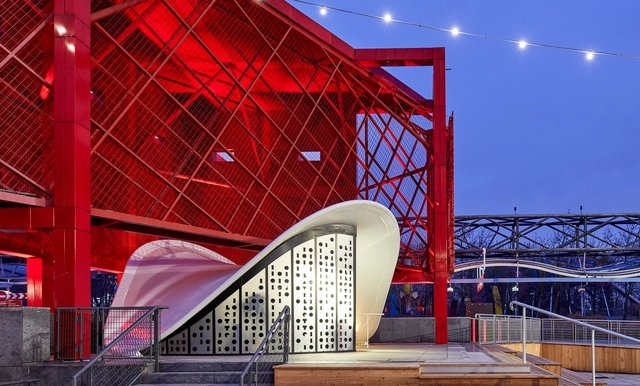
Bernard Tschumi's HyperTent, a hyperbolic paraboloid structure, is the latest addition to the iconic Parc de la Villette. Prompted by the opening of L'Espace Chapiteaux, a space for contemporary circus performances, the new ticket booth located on the podium of Folie L4, originally a music venue, carefully negotiates its presence within the context. The morphology of the project allows for the two structures to coexist without interfering. At the same time, the materiality of the HyperTent makes for an iconic presence in juxtaposition with the adjacent folie.
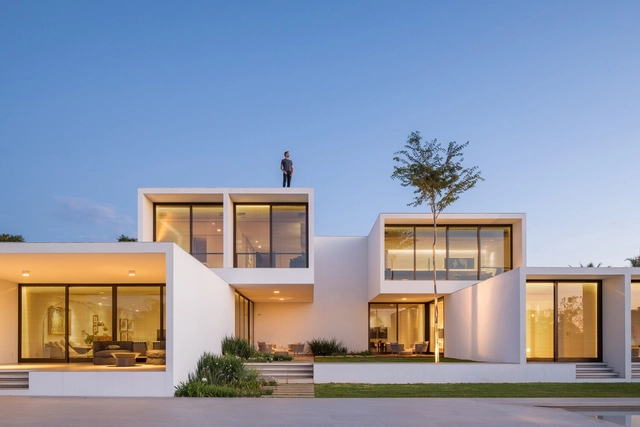
Each project can be a powerful context transformation tool. This is one of the conceptual bases of BLOCO Arquitetos, founded by Daniel Mangabeira, Henrique Coutinho and Matheus Seco. Based in Brasília, the Brazilian capital and a symbol of modern architecture worldwide, the office works at different scales and programs, and is characterized by its multidisciplinary work that encompasses initiatives to value Brazilian architectural culture and the profession itself.
Videos
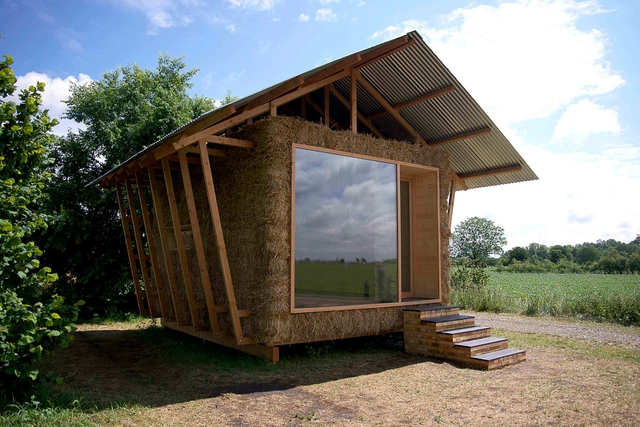
Ecologic Pavilion In Alsace / Studio 1984. Image Cortesia de Studio 1984
The concept of upcycling refers to taking an item that would be considered waste and improving it in order to make it useful again, adding value and new functionality to it. This is a common word in several industries, such as fashion and furniture. In civil construction, this concept can also be incorporated, making the waste generated by the industry itself recirculate or even bringing what would be discarded from other industries to be processed and incorporated into constructions. This is the case of transforming agricultural waste into building materials, bringing a new use to discards, reducing the use of raw materials and creating products with excellent characteristics.
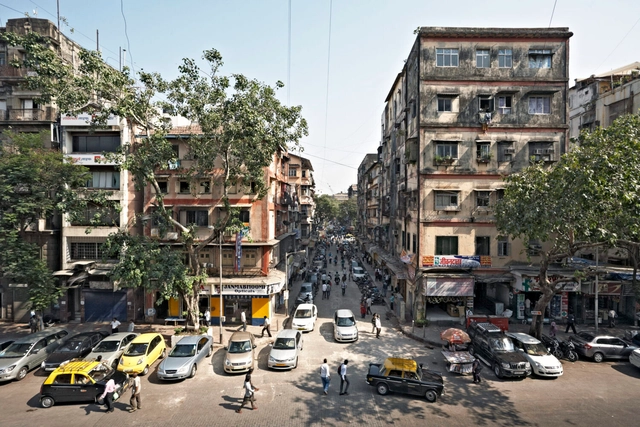
Kinetic Cities, courtesy RMA Architects. Image Courtesy of RMA Architects
Rahul Mehrotra is an urbanist, educator, and founding principal of Mumbai- and Boston-based Rahul Mehrotra Architects (RMA Architects). Across India, Mehrotra has designed projects that range from master plans to weekend houses, factories, social institutes, and office buildings. Over decades, his endeavors in urban activism have culminated in the founding of the firm’s Architecture Foundation, which focuses on creating “awareness of architecture in India” through research, publication, exhibitions, and inclusive public dialogue surrounding architectural ethics and values.
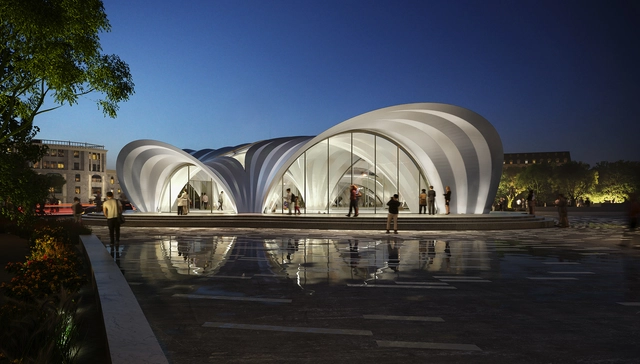
Following excavation and engineering works on Dnipro’s metro line in 2016, Zaha Hadid Architects has begun construction on three new metro stations. The Teatralna, Tsentalna, and Muzeina stations, all designed by the renowned architecture firm, will connect the residential, commercial, cultural, and academic institutions in Dnipro’s eastern districts with the city center and the Dnipro-Holovnyi railway station.
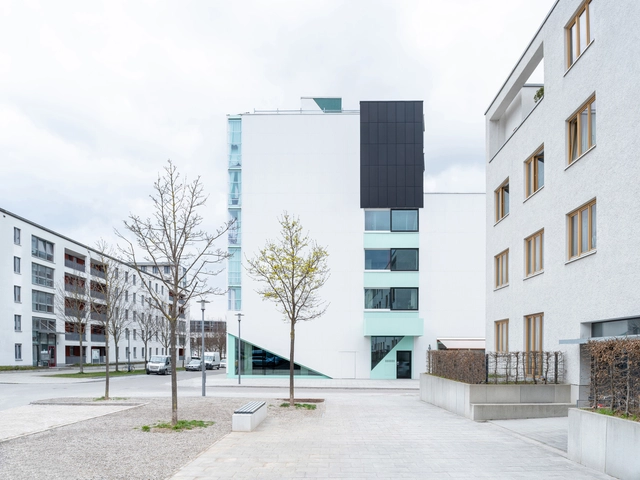
San Riemo Residental Building by ARGE Summacumfemmer Büro Juliane Greb is this year's recipient of the DAM Prize for Architecture, an annual award highlighting outstanding German projects. Selected from 100 buildings nominated by the Deutsches Architekturmuseum (DAM), the San Riemo Residental Building was commended for an exemplary take on communal living and its spatial flexibility that can accommodate a wide range of dwelling scenarios. The finalist projects include OMA’s Axel Spinger building, Burger Rudacs Architekten’s John Cranko ballet school in Stuttgart and Florian Nagler Architekten’s , Research Buildings Bad Aibling.
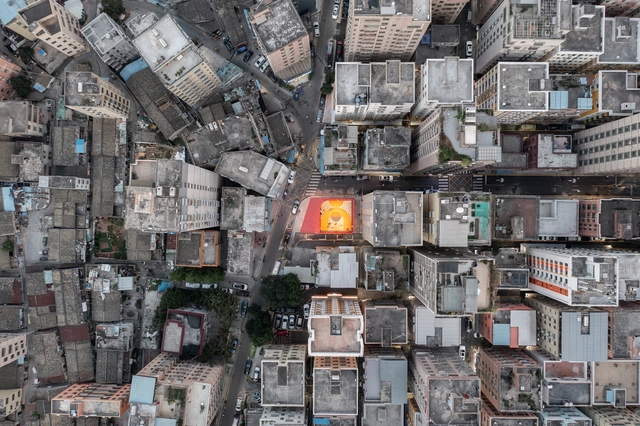
After a year delay due to the Covid-19 pandemic, Tokyo Olympics started at the end of July. In this edition, three new modalities debuted in the biggest competition in the world: 3x3 basketball, surfing and skateboarding. Bringing medals to countries such as Japan, United States, Brazil, Australia, Russia, Serbia, China and Latvia, and involving a large number of athletes and nations, these sports carry urban culture in their movements and histories and are an important part of relationships in the city.
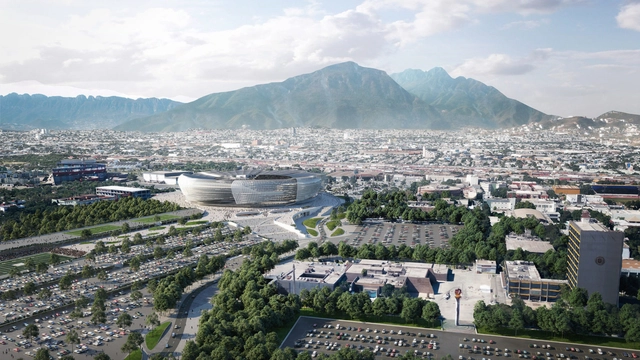
US office Populous has disclosed its involvement in the design to erect a new 65,000-seat stadium for Liga MX soccer club Tigres UANL, in the state of Nuevo León, Mexico. As communicated on its website, the plans for the stadium, whose delivery is scheduled for 2025, were announced at a press conference on January 14, 2022, with the presence of the Governor of Nuevo León, Samuel García, together with representatives of the club, Populous, UANL, Sports Synergy, and Ball Game.
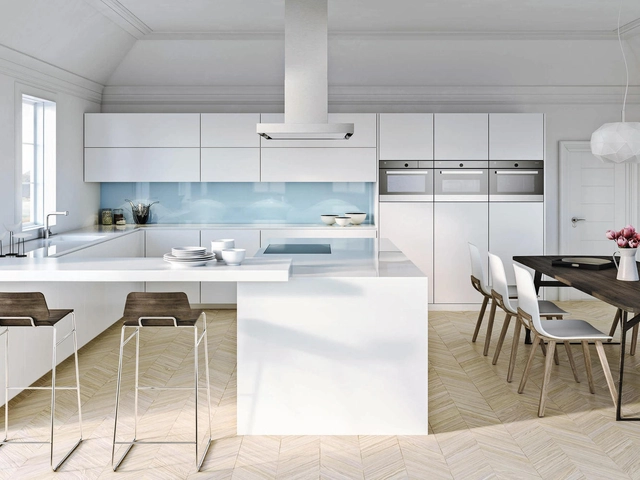
Whether it's by sharing a meal at a restaurant or preparing a home-cooked meal together, food does in fact, bring people together. With that in mind, architects placed kitchens at the heart of homes, giving residents a space to cook, dine, and spend quality time with their families and friends. However, not all homes can fit spacious kitchens, some are too small and others don't have the proper spatial configuration for it. In this interior focus, we will explore how architects and designers opted for different kitchen layouts based on different spatial and user needs.
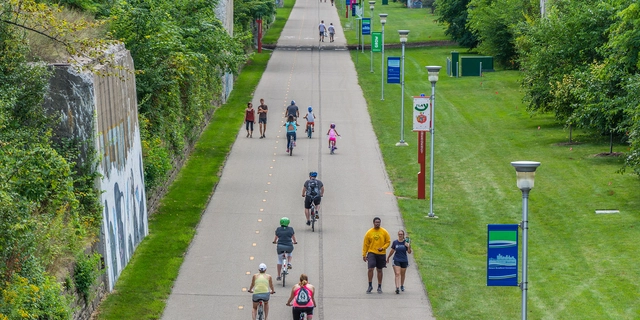
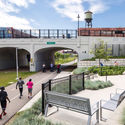
Dequindre Cut, Detroit / The High Line Network, SmithGroup. Image Courtesy of The Dirt
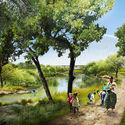
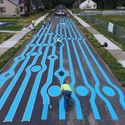
Decades of redlining and urban renewal, rooted in racist planning and design policies, created the conditions for gentrification to occur in American cities. But the primary concern with gentrification today is displacement, which primarily impacts marginalized communities shaped by a history of being denied access to mortgages. At the ASLA 2021 Conference on Landscape Architecture in Nashville, Matthew Williams, ASLA, with the City of Detroit’s planning department, said in his city there are concerns that new green spaces will increase the market value of homes and “price out marginalized communities.” But investment in green space doesn’t necessarily need to lead to displacement. If these projects are led by marginalized communities, they can be embraced.
Light serves an essential purpose in architecture: to help us see. Whether it be through natural or artificial methods, rooms must be illuminated accordingly so occupants can safely inhabit them and fulfill their daily functions. When the right system is selected, light can also contribute to energy efficiency and sustainability within the building as a whole. However, apart from its evident functional and environmental value, lighting design can vastly impact the visual comfort and aesthetic tone of interiors by drawing attention to textures, enhancing colors and defining volumes. Therefore, of the many pieces involved in interior design, lighting is certainly one that can enhance or destroy a space and even affect users’ well-being, which is why it should be considered a crucial design element by itself.
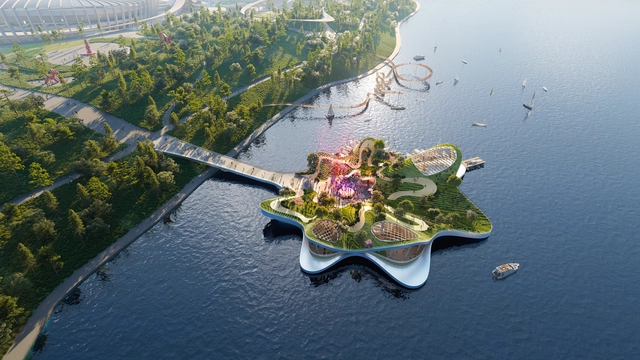
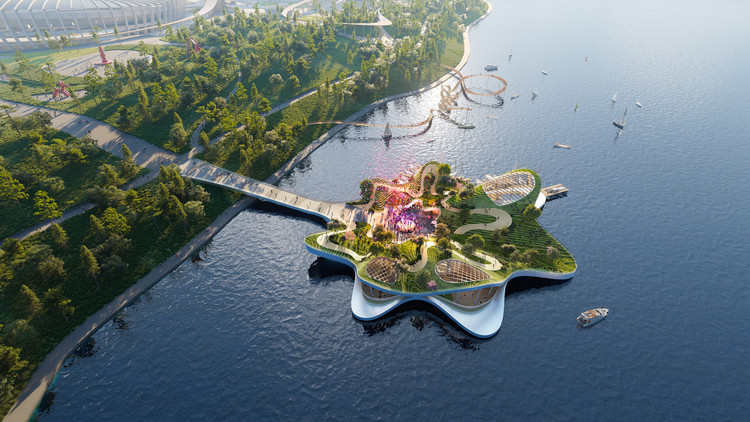
Following the Seoul Metropolitan Government's announcement of reviving and expanding the city's Olympic Jamsil Sports–MICE Complex, Heatherwick Studio has proposed a dynamic multi-leveled pier that promotes notions of "community spirit, activity, equality, play, and togetherness". Titled The Leaf, the project will feature plant-covered platforms built on the Han River, and will offer visitors recreational and cultural spaces across a floating platform.
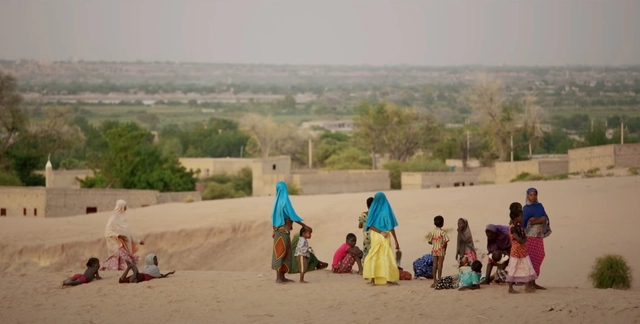
African nations are fighting climate change with an 8,000 kilometer long Great Green Wall meant to combat the desertification of the Sahel region, home to over 100 million people. Spanning the entire width of the African continent, the movement aims to restore 100 million hectares of degraded land, sequester 250 million tonnes of carbon and create 10 million jobs in rural Africa by 2030. Stretching from Senegal in the West to Djibouti in the East, the project is the joint effort of 21 African nations that strive to restore the once lush region and protect the livelihoods of local communities.
In the early 1920s, a time when women could not even work without their husband's authorization, Carmen Portinho started an engineering course at the Polytechnic School of the University of Brazil. At the vanguard of the profession, as one of the first three women to graduate as engineers in Brazil, she was opening up a field in a space dominated entirely by men.
At its heart, extreme-minimalism is a rebellion against consumerism, it’s a cathartic process of learning to live without. But it’s also a decorative style in its own right – a clean world for a clean mind.
Cities face much criticism with how they handle their car population, but have you ever thought about how much land use is dedicated to surface parking lots? In fact, it may be one of the most prominent features of the postwar city in the United States. Housing, community facilities, highway infrastructure, often garner much attention, but the amount of land dedicated just to park cars is astounding.
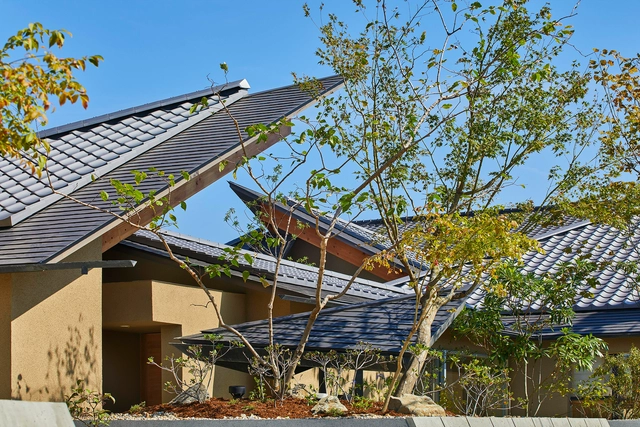
Roofs often play important roles in a project's identity. In addition to the aesthetic aspect, they play a fundamental role in protecting and closing the building. Of the existing types of coverage, pitched roofs are the most common in homes and buildings all around the world, therefore, it is necessary to ensure that they are within the parameters set out in the technical standards.
The Royal Institute of British Architects (RIBA) released a short educational film meant to teach young students aged 13 to 16 about the relationship between climate change and the built environment, exploring notions of sustainable design. The film introduces concepts such as embodied carbon, brownfield, green infrastructure, sustainable mobility and explains ideas such as adaptive reuse, retrofit, and the use of local materials. The scope of this learning resource is to empower young people to think creatively about how to address the climate crisis through design, helping raise a generation well versed in sustainability principles.
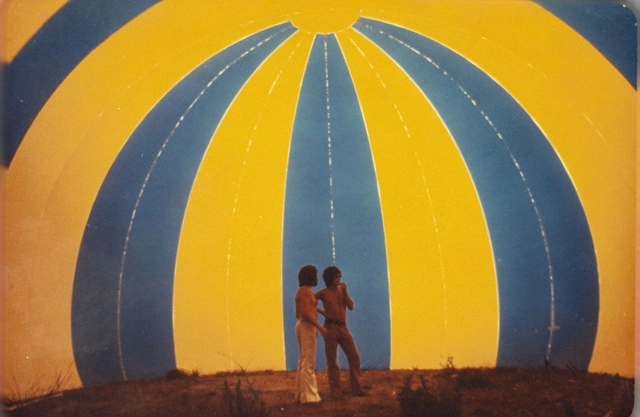
Instant City - ICSID 1971. Image Cortesía de OAB Office of Architecture in Barcelona
André Ricard and Daniel Giralt-Miracle, the member responsible for ADI/FAD, proposed the island of Ibiza as the venue for the ICSID Biennial Congress in 1971. That's how the story began. At that time, the so-called "Urquinaona Open Design Group" already existed in Barcelona. From the group, and with Carlos Ferrater at the head, they offered their help to the organization of the congress. They refused, as everything seemed to have already been organised. Together with Fernando Bendito, Ferrater asks about accommodation for the students. They still had nothing. They get the opportunity they were waiting for. Thousands of invitations are sent out to students all over the world. The number of replies was greater than the number of registered students.








.jpg?1643795946&format=webp&width=640&height=580)
.jpg?1643795945 "Eden Project North - Morecambe. Image Courtesy of Grimshaw")
.jpg?1643795946 "Eden Project North - Morecambe. Image Courtesy of Grimshaw")
.jpg?1643795921 "Eden Project North - Morecambe. Image Courtesy of Grimshaw")
.jpg?1643795912 "Eden Project North - Morecambe. Image Courtesy of Grimshaw")
.jpg?1643795946)