-
ArchDaily
-
Other
Other
https://www.archdaily.com/913187/camptong-island-and-museum-archiworkshopPilar Caballero
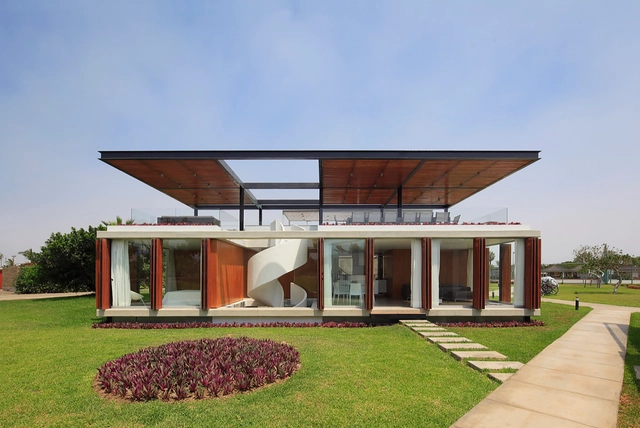
https://www.archdaily.com/778449/asia-house-jorge-marsino-pradoKaren Valenzuela
https://www.archdaily.com/912965/heytea-at-zhengzhou-grand-emporium-moc-design-officeCollin Chen
https://www.archdaily.com/913051/castaway-island-resort-vtn-architectsClara Ott
https://www.archdaily.com/912643/spring-qingmo-architectural-designCollin Chen
https://www.archdaily.com/912692/wanderwall-marc-fornes-theverymanyDaniel Tapia
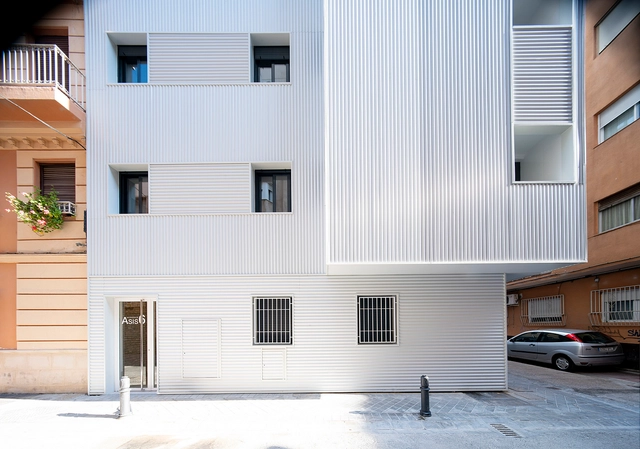
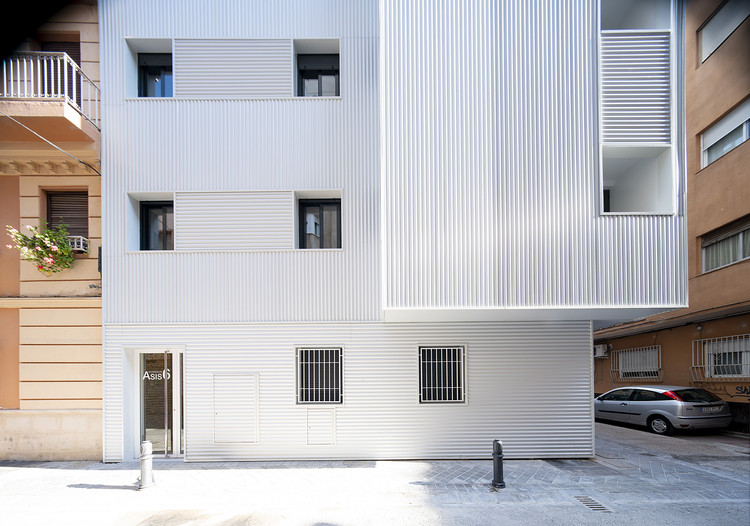
https://www.archdaily.com/912721/energy-rehabilitation-existing-building-ariasrecalde-taller-de-arquitecturaPilar Caballero
https://www.archdaily.com/912565/u-shape-room-atelier-tao-plus-cCollin Chen
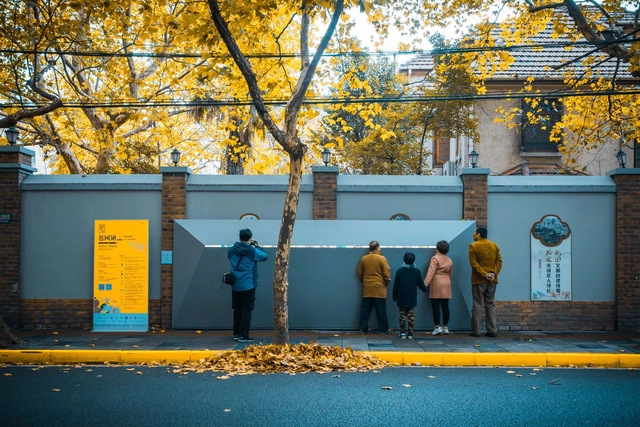
https://www.archdaily.com/912639/street-wall-gallery-on-yuyuan-road-bengo-studioCollin Chen
https://www.archdaily.com/911969/the-city-delta-goaCollin Chen
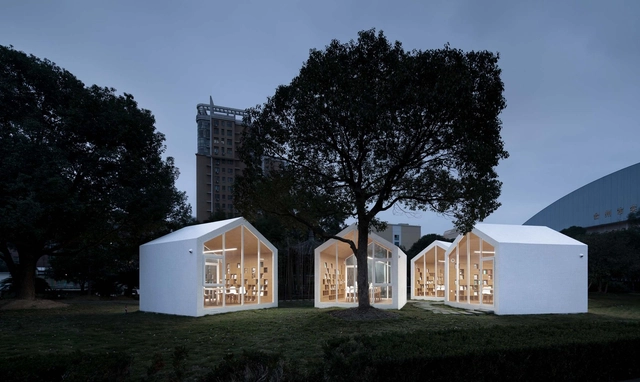
https://www.archdaily.com/912491/80m-2-reading-village-yuan-architectsCollin Chen
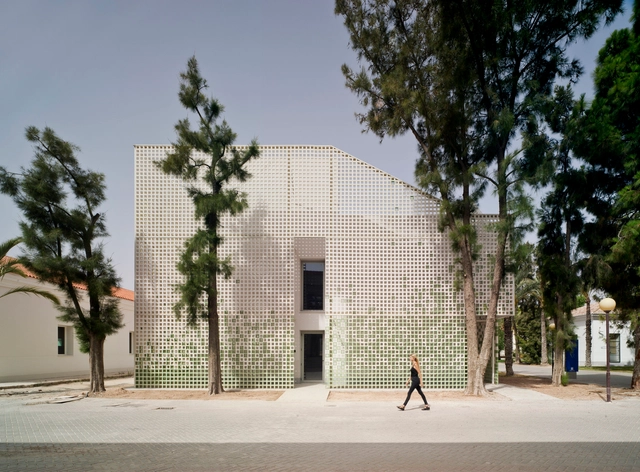
https://www.archdaily.com/912547/museum-of-the-natural-collections-of-the-university-of-alicante-cor-asociados-arquitectosPilar Caballero
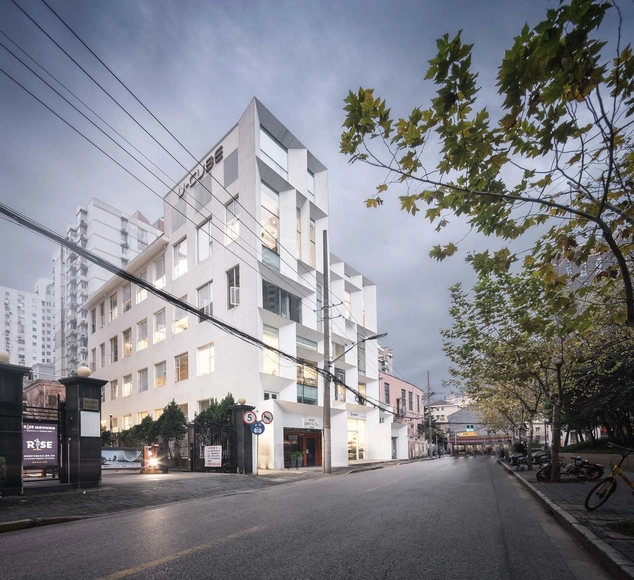
https://www.archdaily.com/912368/u-cube-office-reconstruction-lacime-architectsCollin Chen
https://www.archdaily.com/911260/mr-sun-sushi-bar-atelier-branco-arquiteturaPilar Caballero
https://www.archdaily.com/912337/gymnasium-blaise-pascal-high-school-koffi-and-diabate-architectesPilar Caballero
https://www.archdaily.com/911282/cutting-space-zohomeCollin Chen
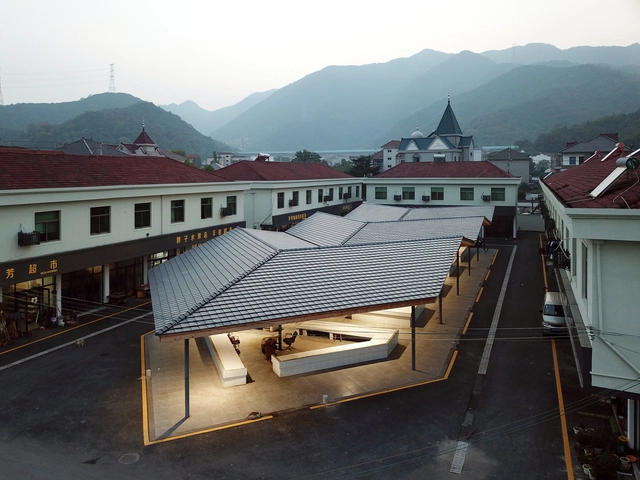
https://www.archdaily.com/912100/xiafu-farmers-market-bengo-studio舒岳康 - SHU Yuekang
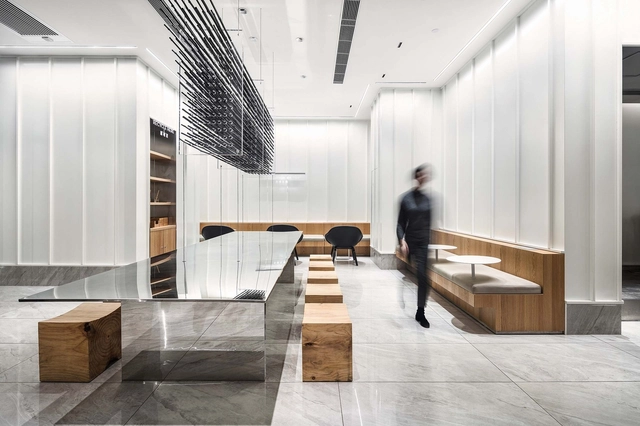
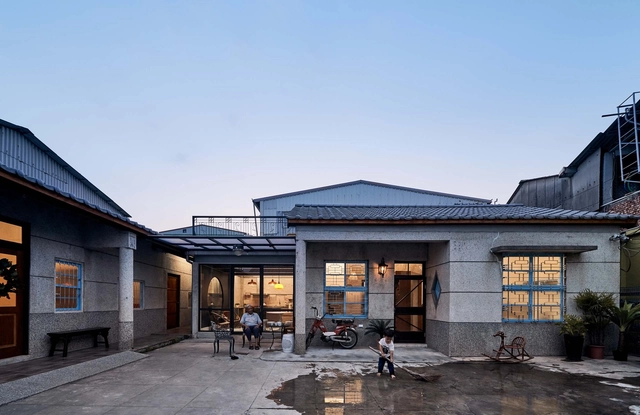 © Hey!Cheese
-
- Area:
211 m²
-
Year:
2018
https://www.archdaily.com/911854/the-living-lab-traditional-clan-estate-hao-designCollin Chen




















.jpg?1551785904 "© Hao Chen")
.jpg?1551785867 "© Hao Chen")



.jpg?1550758135 "exhibition square. Image © Tianzhou Yang")