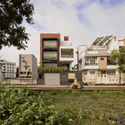
-
Architects: Mur Mur Lab
- Area: 400 m²
- Year: 2020
-
Manufacturers: Kabel
-
Professionals: J Studio King Lighting


*Open submissions are closed for this edition.
Architectural visualizations have recently reached unthinkable levels, being a great source of inspiration and a fundamental part of the design process in architecture. This is why we are proud to announce the first edition of the ArchDaily Architecture Visualization Awards, where we will award the best of the year.

Curated by the Politecnico di Torino (Michele Bonino and Francesca Governa, with the collaboration of Francesco Carota, Maria Paola Repellino and Angelo Sampieri) and by Prospekt Photographers (Samuele Pellecchia, Francesco Merlini) with Tsinghua University in Beijing, the exhibition is the result of years of research and offers the public a new and broad perspective that traces a line of continuity between past, present and future, connecting the culture of traditional China with the impressive transformations of contemporary Chinese cities.
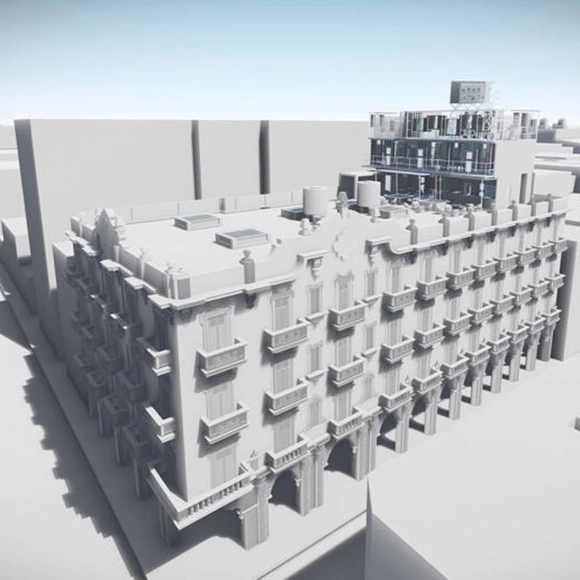
Cuban Architecture: The New Movement is our third virtual event in the series which was kicked-off with Chilean Architectural Design and Detrás del Muro (Behind the Wall). The festival highlights projects from the past 10 years and will include global panel discussions, documentary film premieres, and presentations from leading experts and artists from Argentina, Chile, Cuba, US. We are proud to be collaborating with Miami Center for Architecture and Design, American Institute of Architects and ArchDaily on our 10x10 Festival architectural series.
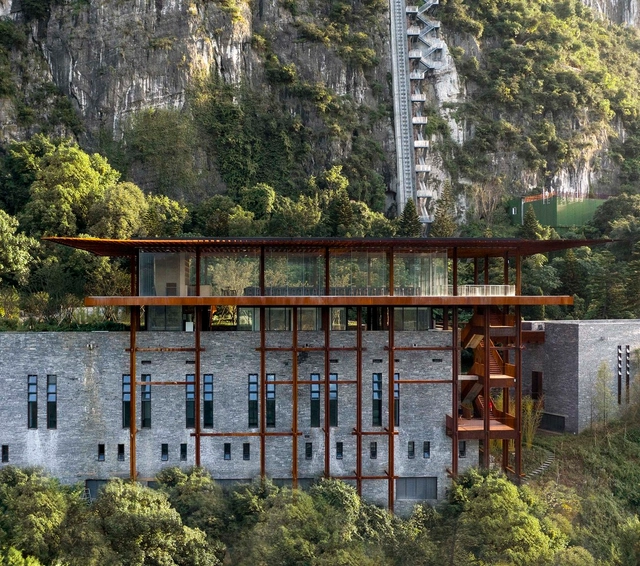
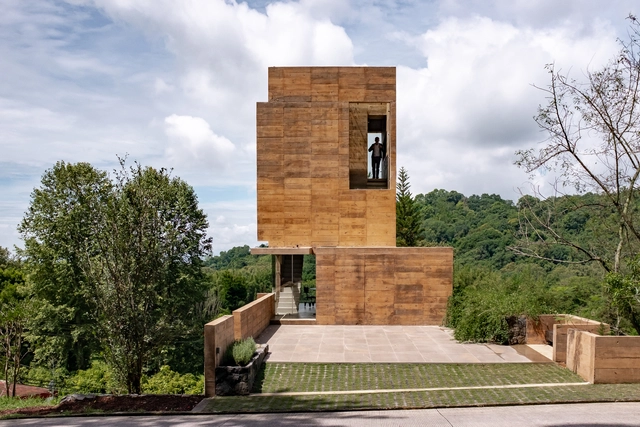


The Chicago Architecture Center looks forward to welcoming architecture lovers from across and beyond Chicago to enjoy an expanded Open House Chicago festival this October. The second-most widely attended event of its kind in the world, returning for a tenth consecutive year, Open House Chicago 2020 highlights architecturally, culturally and historically significant sites across “the city of neighborhoods,” with an intentional focus for 2020 on the city’s South and West Sides.

For almost two centuries, urbanization has been achieved by conquering land and using the natural environment as a disposable commodity. As a result, we have depleted our forests, wetlands, and soils. These effects have impacted the quality of life in urban areas, as well as the health of urban residents. And yet, the same pattern of development continues to be used, even as its negative consequences are amplified by climate change. Our forest conservation and restoration efforts, shaped by constant struggles against development, are reactive, opportunistic and ad-hoc rather than strategically planned.