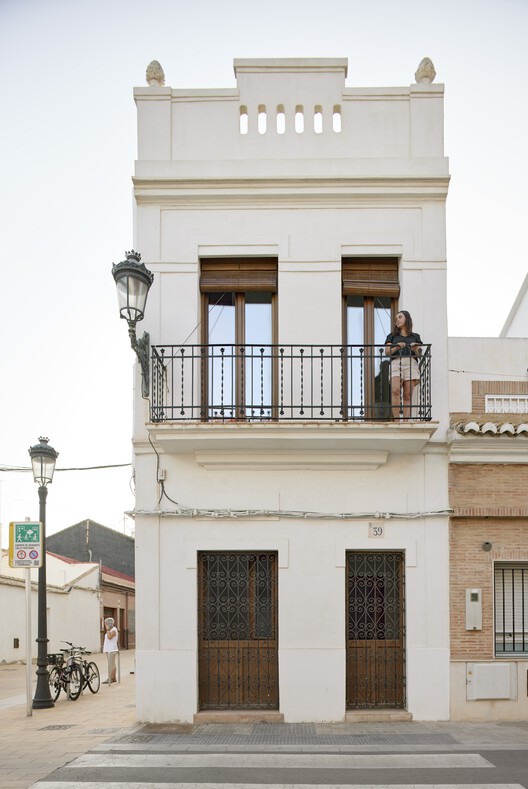
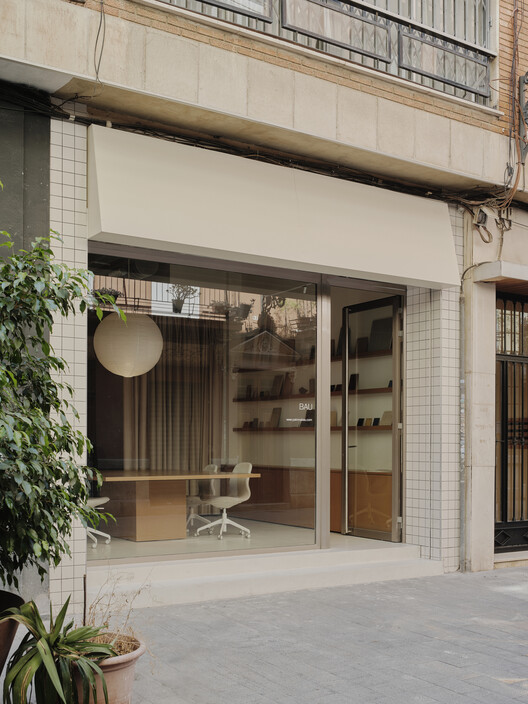
Architecture this week reflects on how buildings and cities adapt to changing cultural, social, and environmental conditions. From the expansion of established institutions and the preservation of architectural archives to new approaches to housing and the use of domestic space, several stories consider how architecture negotiates between existing contexts and future needs. These questions extend beyond individual buildings, touching on the role of public space, infrastructure, energy, and collective memory in shaping the built environment. At the same time, new projects and cultural programs across different contexts demonstrate how architecture can respond to local histories, urban transformation, and resource constraints while establishing new relationships between buildings, landscapes, and the communities that use them.
This week began with the United Nations' commemoration of the International Day of Peace, an invitation to ask what conditions are needed to cultivate nonviolence, social stability, and respect for human dignity. Against a backdrop of growing individual isolation, authoritarianism, and a multidimensional material crisis, we've gathered articles in which architecture mediates between conflict and coexistence through the construction of spaces for encounter and memory. Other news this week highlights a disciplinary tool that brings those two concepts together: the transformation of what we have already built to bring it up to date with our needs and aspirations, while another group of high-profile, large-scale projects opens in the Global North. On our radar, we also take a look at new projects in Dubai, Oxford, Portland and Paris, from major international firms.
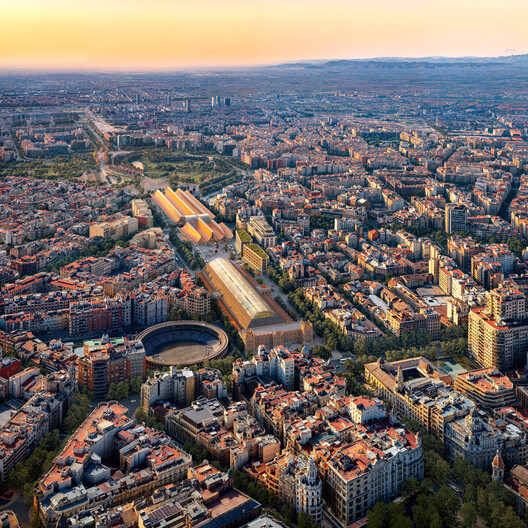
The team led by engineering and technology group Sener, in collaboration with UK-based architecture practice RSHP and Valencia-based ERRE, has been selected to design the new ValenciaCentral Station in Spain. The proposal was chosen by Adif Alta Velocidad's Evaluation Committee following a competition for a new intermodal rail hub integrating high-speed, commuter, metro, tram, bus, taxi, and active mobility connections. The new infrastructure will be coordinated with the planned Central Park, the Access Canal project, and the future through tunnel. The scope also includes the refurbishment of the historic Valencia Nord Station, a designated Site of Cultural Interest, while preserving its architectural and urban heritage.
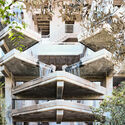
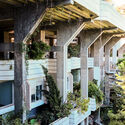
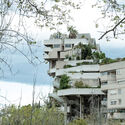
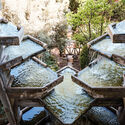
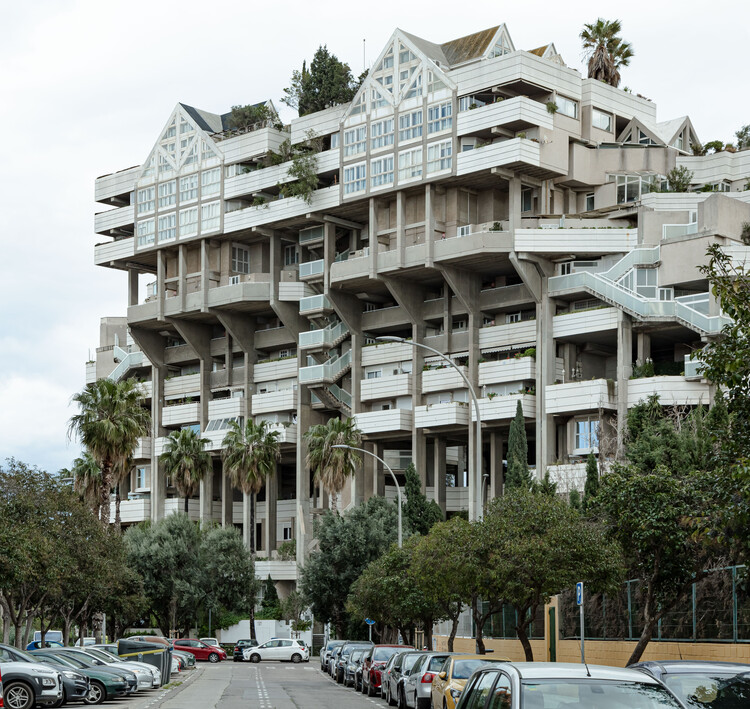
Even the most distracted passerby is captured by the monumental presence of this structure located in the established Valencian neighborhood of Benimaclet. Before it, any attempt at rational comprehension dissolves. The constructive logic seems to slip away as space unfolds in tensions and detours where nothing is immediately revealed. Between masses of concrete and the insurgency of vegetation, an almost choreographic play of planes, angles, and rotations emerges. In the vertigo of this encounter, one realizes that the building was not designed to be understood, but to be experienced.