1. ArchDaily
  2. Urbanism

Urbanism: The Latest Architecture and News

Subscriber Access

6 Collective Housing Interventions that Rethink Urban Block Design

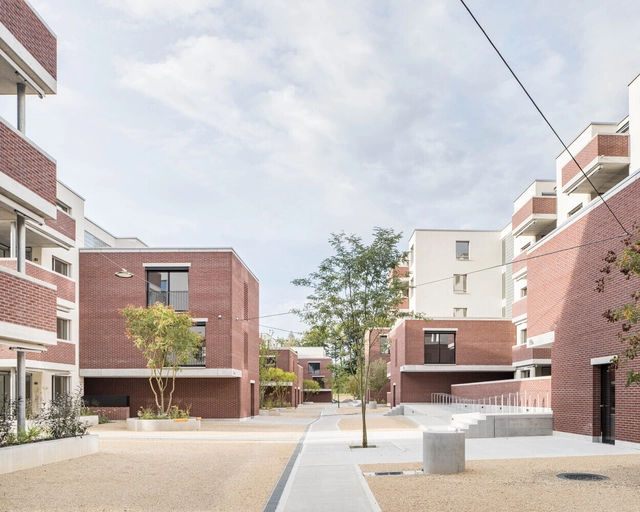
The city block is a typically urban element that, historically, has appeared in different forms and designs, structurally shaping city planning guidelines. When observing urban fabrics in cities such as Barcelona, Paris and Copenhagen, one can see significant variation between block models. This defines their landscapes and dynamics in countless ways. Style and format alterations, volumetric changes in the relationship between full and empty spaces, and modifications in connections to the surroundings are some examples of typological particularities that differentiate them. Blocks, therefore, are often emblematic and representative not only of certain urban planning models developed throughout history but also of their cities.

6 Collective Housing Interventions that Rethink Urban Block Design - 7 的图像 46 Collective Housing Interventions that Rethink Urban Block Design - 2 的图像 46 Collective Housing Interventions that Rethink Urban Block Design - 3 的图像 46 Collective Housing Interventions that Rethink Urban Block Design - 17 的图像 46 Collective Housing Interventions that Rethink Urban Block Design - More Images+ 13

Subscriber Access

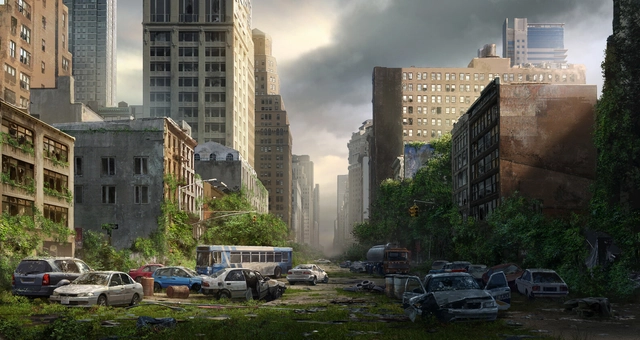
Architecture After Civilization: Design in the Post-Apocalypse

We’re all familiar with the plot of a movie that occurs in a city still standing in a post-apocalyptic era. The streets are empty, except for a few survivors who wander aimlessly, searching for signs of life. Buildings begin to crumble and rust away after years of neglect, public transportation sits idle, and overgrown weeds spring from the cracks in the unmanaged sidewalks and streets. The scene feels eerie because we can’t imagine letting our physical environment sit in decay. It seems impossible that our built environments where we live and work each day suddenly fall silent. It’s a city without a pulse.

Subscriber Access

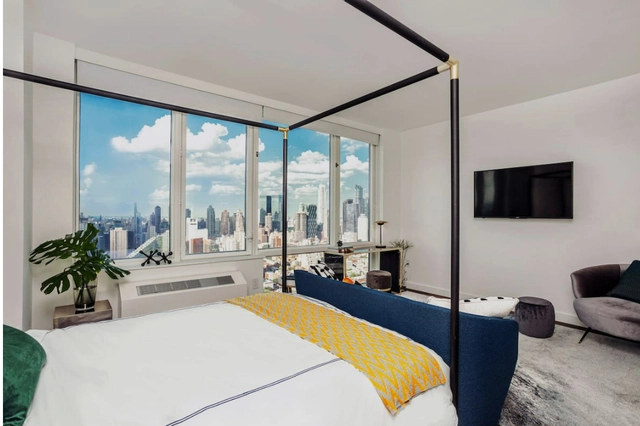
Is Airbnb Contributing to the Housing Crisis?

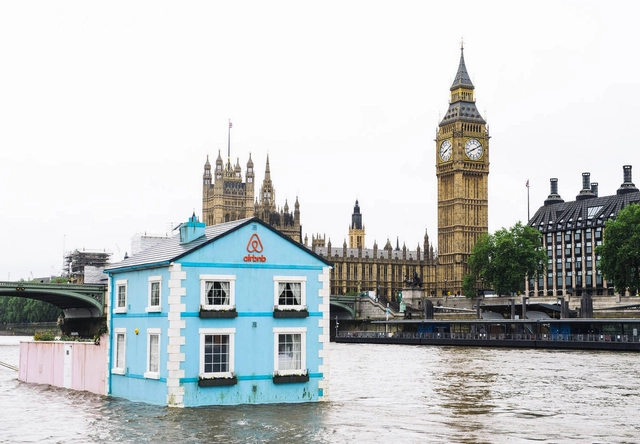
When Airbnb began nearly 15 years ago, it offered a new and innovative solution to book short-term stays without any hassle. By renting out a spare room or an entire apartment, it provided an alternative to traditional hotel models which were often overpriced and overbooked. Airbnb now faces many critics as the company quickly grew, offering hundreds of thousands of stays around the globe, but not without a handful of negative experiences. Now, planners and policymakers are beginning to see the effects of the abundance of Airbnb listings and how it impacts a growing housing crisis.

The 15-Minute City, Deconstructed

This article was originally published on Common Edge.

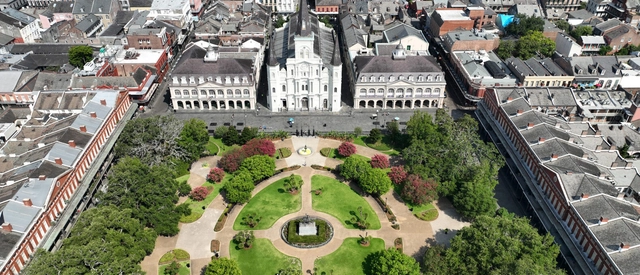
What is the 15-Minute City? It’s every city ever built by humans on this planet until a century ago, but with a catchy new name. If a city’s old parts haven’t been destroyed in the past century, it’s the areas that attract the most tourists. And people will travel across continents and oceans to experience the best of them.

Forty years ago, a few pioneers decided to start building 15-Minute Cities again. Actually, they built 5-minute cities because they didn’t think people would walk for 15 minutes—and, in the early 1980s, they were right, because people were so conditioned to driving everywhere back then. Seaside, Florida, is where it all began. Time magazine called it “the little town that changed the world.” For the first time in the modern history of sprawl, people could toss their car keys in a drawer or hang them on the wall and leave them there for days. When people returned from Seaside vacations, they came back asking, “Why can’t we build this way at home?” And soon, the New Urbanism was born.

The 15-Minute City, Deconstructed - Image 1 of 4The 15-Minute City, Deconstructed - Image 2 of 4The 15-Minute City, Deconstructed - Image 3 of 4The 15-Minute City, Deconstructed - Image 4 of 4The 15-Minute City, Deconstructed - More Images+ 8

Subscriber Access

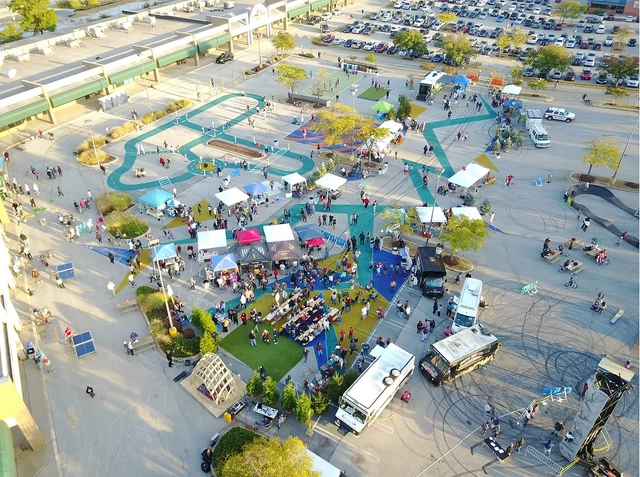
Meanwhile Spaces: Temporary Interventions for Lasting Urban Development

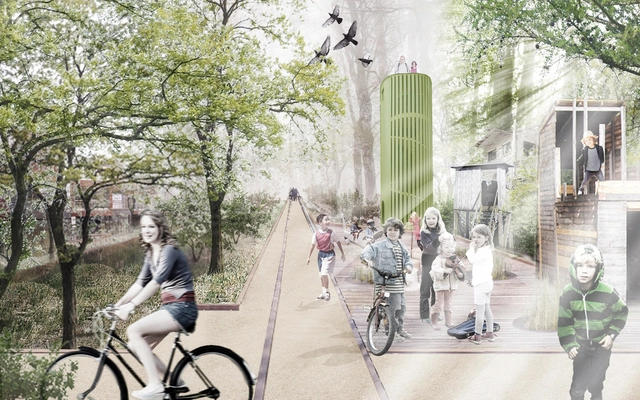
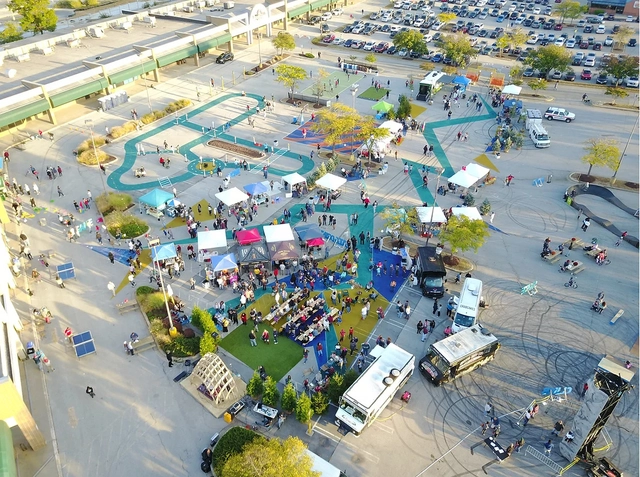
When streets lay empty, sidewalks untouched, and shutters hung heavy, the city seems lost of life. When businesses close, offices go remote and economic activity declines, the mechanisms that operate a city are idle. Vacant space and land are often perceived as “failed”, reflecting urban decline and economic blight. Emptiness, however, holds hope for possibilities and change. When urban voids are at the brink of transformation, what happens in the meanwhile?

Meanwhile Spaces: Temporary Interventions for Lasting Urban Development  - Image 1 of 4Meanwhile Spaces: Temporary Interventions for Lasting Urban Development  - Image 2 of 4Meanwhile Spaces: Temporary Interventions for Lasting Urban Development  - Image 3 of 4Meanwhile Spaces: Temporary Interventions for Lasting Urban Development  - Image 4 of 4Meanwhile Spaces: Temporary Interventions for Lasting Urban Development  - More Images+ 1

Subscriber Access

The Expansion of Pedal Power: Bike Shares Are on the Rise

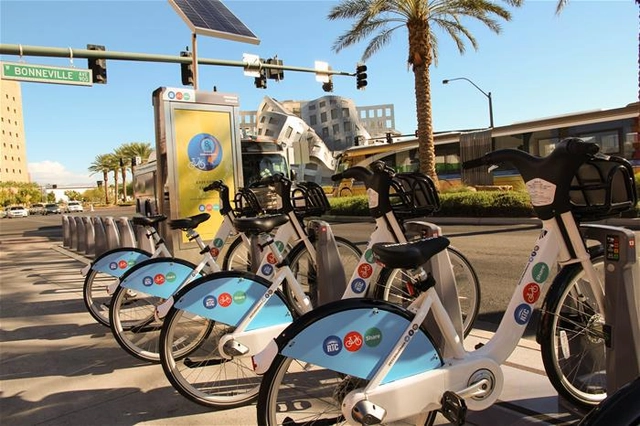
Over the last few years, bike share systems experienced a renaissance as the pandemic forced a hard decline in other forms of public transportation like trains and commercial flights where people wanted to avoid close contact with strangers. While ridership is now on a slow decline, since much of the “normal life” aspects have returned, many people continue to see bike shares as a viable means of transportation, lured by the ease and affordability of getting from place to place.

Subscriber Access

Regulations on Airbnbs Could Be Coming to A City Near You

Airbnb has long been a reliable way to find a homestay. Since its inception in 2008, the site has hosted more than 7 million homes around the world where travelers can stay in a room, or rent an entire house out for themselves. Recently, many cities have been cracking down on short-term stays, citing safety issues, false listings, and rising property prices which push people out of their homes when housing becomes used just for Airbnb rentals. What are cities doing about these issues? What is Airbnb doing to help remediate them? And will Airbnb be viable for much longer?

Subscriber Access

What Makes a Good Suburb?

Suburbs have experienced a sort of renaissance over the last decade. During the COVID-19 pandemic, people fled urban cores in favor of open space and decentralized amenities. For some people, the word “suburb” or “suburbia” flashes images of manicured lawns and rows of identical homes, but what makes a successful suburb may have more in common with cities than you might think.

Subscriber Access

The Rural vs. The Urban: The Postcolonial City of Dakar in the Film Touki Bouki

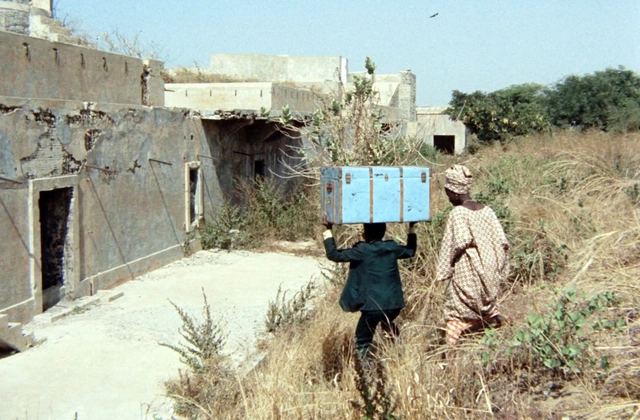
Simultaneously gripping, disconcerting, and chaotic, Djibril Diop Mambéty’s Touki Bouki is an exhilarating cinematic ride. The 1973 drama — the first full-length film by the Senegalese director — is the fantastical narration of a young couple in Dakar, eager to escape the Senegalese capital for the allure of Paris. It’s a character-driven film in many ways, primarily centered on the couple’s adventures, but it is also a subtle visual examination of the urbanism of post-independence Dakar, where the city and its architecture are essential fixtures in a surreal storyline.

The Rural vs. The Urban: The Postcolonial City of Dakar in the Film Touki Bouki - Image 1 of 4The Rural vs. The Urban: The Postcolonial City of Dakar in the Film Touki Bouki - Image 5 of 4The Rural vs. The Urban: The Postcolonial City of Dakar in the Film Touki Bouki - Image 2 of 4The Rural vs. The Urban: The Postcolonial City of Dakar in the Film Touki Bouki - Image 3 of 4The Rural vs. The Urban: The Postcolonial City of Dakar in the Film Touki Bouki - More Images+ 9

Space Popular Adapts Aldo Rossi’s Concepts of Urbanism to the Virtual Realms of the Metaverse

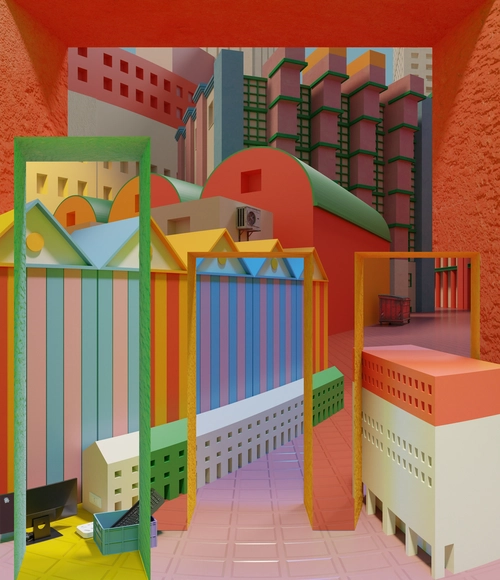
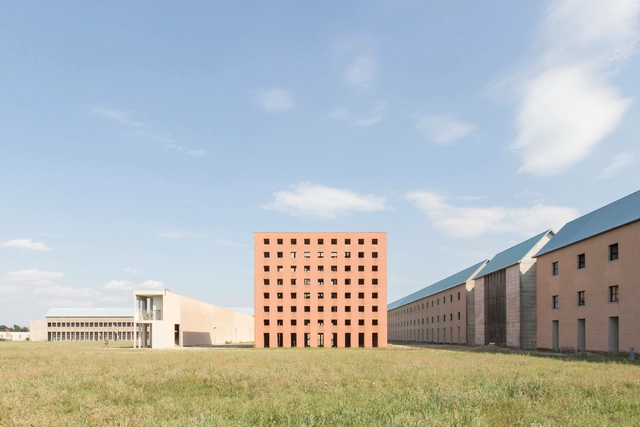
Through the “Search History” exhibition at MAXXI Museum in Rome, Lara Lesmes and Fredrik Hellberg, directors of the architecture and art studio Space Popular, set out to explore the work of Also Rossi and to translate his notions of “urban fact” and “analogous city” to the virtual realm. The installation is a reflection on the proliferation of metaverse platforms and the concept of virtual urbanism. The exhibition is part of the fifth edition of Studio Visit, a partnership between Alcantara and the MAXXI Museo nazionale delle arti del XXI secolo, which challenges designers to put forward a personal reinterpretation of the works of the masters in the MAXXI Architecture Collections.

Space Popular Adapts Aldo Rossi’s Concepts of Urbanism to the Virtual Realms of the Metaverse - Image 1 of 4Space Popular Adapts Aldo Rossi’s Concepts of Urbanism to the Virtual Realms of the Metaverse - Image 2 of 4Space Popular Adapts Aldo Rossi’s Concepts of Urbanism to the Virtual Realms of the Metaverse - Image 3 of 4Space Popular Adapts Aldo Rossi’s Concepts of Urbanism to the Virtual Realms of the Metaverse - Image 4 of 4Space Popular Adapts Aldo Rossi’s Concepts of Urbanism to the Virtual Realms of the Metaverse - More Images+ 29

Subscriber Access

A City's Trash is Not It's Treasure: How is New York Tackling its Garbage Issues?

The scene is almost identical, no matter which borough of New York City you’re in. Narrow sidewalks are lined by mountains of trash bags and other large objects, waiting for their turn to be taken away by the fleet of sanitary workers and trucks who will dispose of them. Large rodents seek shelter in their temporary plastic homes, feeding on discarded scraps, becoming a regular sighting for New York City residents. The City That Never Sleeps has a bigger problem than the flashing lights and noisy streets- it’s all of the trash that’s left to sit out on the sidewalks.

A City's Trash is Not It's Treasure: How is New York Tackling its Garbage Issues? - Image 1 of 4A City's Trash is Not It's Treasure: How is New York Tackling its Garbage Issues? - Image 2 of 4A City's Trash is Not It's Treasure: How is New York Tackling its Garbage Issues? - Image 3 of 4A City's Trash is Not It's Treasure: How is New York Tackling its Garbage Issues? - Image 4 of 4A City's Trash is Not It's Treasure: How is New York Tackling its Garbage Issues? - More Images

The Origins of Cemeteries as Public Parks

In the 19th century, many Americans living in up-and-coming cities and towns oftentimes found themselves strolling through the winding paths of curated gardens, stopping to rest under the shade of a tree and share a picnic with family and friends. Dotted across the grassy areas were headstones, marking the burial locations of those who were laid to rest. While the concept of relaxing in a graveyard seems a bit taboo in the present day, it was sometimes the only option for people to find space for recreation and leisure and was one of the earliest examples of a public park. Many of the parks we have today were actually caused by the evolution and planning of historic cemeteries.

Artificial Intelligence, Tiny Living, and Dissecting What We Build With In 2022

2022 has again resulted in diverse coverage on ArchDaily in an eventful year, from speculating on building materials of the future to analyzing the narrative role that architecture plays in literature. A selection of articles from this year is found below, organized into four over-arching topics. 

Artificial Intelligence, Tiny Living, and Dissecting What We Build With In 2022 - Image 1 of 4Artificial Intelligence, Tiny Living, and Dissecting What We Build With In 2022 - Image 2 of 4Artificial Intelligence, Tiny Living, and Dissecting What We Build With In 2022 - Image 3 of 4Artificial Intelligence, Tiny Living, and Dissecting What We Build With In 2022 - Image 4 of 4Artificial Intelligence, Tiny Living, and Dissecting What We Build With In 2022 - More Images+ 22

Subscriber Access

Can Urban Design Find Success Through Grassroots Movements?

There are significant deficiencies in how our cities worldwide operate and serve the people who live in them. Bureaucracies, red tape, and other limiting processes that publicly drive our cities towards their futures are often the aspects that cause change to happen at such a slow pace that by the time an issue is addressed, five more have popped up in its place. Over time, society has come to accept that when the systems we have in place don’t do much to serve our needs, it forces us to turn to alternatives to advocate for change. Some urban issues have found the best solutions after initiating social movements and the formation of grassroots groups. 

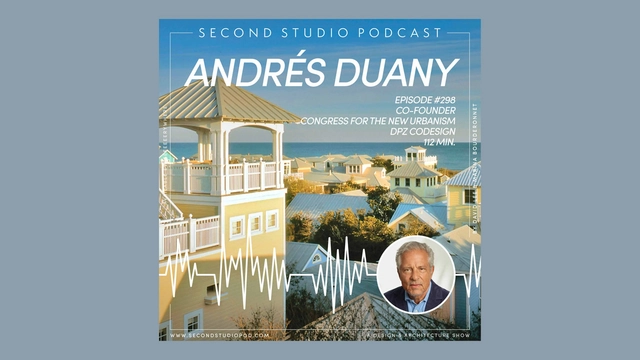
The Second Studio Podcast: Interview with Andrés Duany

The Second Studio (formerly The Midnight Charette) is an explicit podcast about design, architecture, and the everyday. Hosted by Architects David Lee and Marina Bourderonnet, it features different creative professionals in unscripted conversations that allow for thoughtful takes and personal discussions.

A variety of subjects are covered with honesty and humor: some episodes are interviews, while others are tips for fellow designers, reviews of buildings and other projects, or casual explorations of everyday life and design. The Second Studio is also available on iTunes, Spotify, and YouTube.

This week David and Marina are joined by Architect Andrés Duany, FAIA, CNU, one of the founders of the Congress for the New Urbanism to discuss new urbanism; his appearance on the Tucker Carlson Fox show; the importance of understanding an audience; Seaside, Florida and how it embodies principles of new urbanism; the current state of architecture; and more.

The Second Studio Podcast: Interview with Andrés Duany - Imagen 1 de 4The Second Studio Podcast: Interview with Andrés Duany - Imagen 2 de 4The Second Studio Podcast: Interview with Andrés Duany - Imagen 3 de 4The Second Studio Podcast: Interview with Andrés Duany - Imagen 4 de 4The Second Studio Podcast: Interview with Andrés Duany - More Images+ 6

On Community Preservation with Vishaan Chakrabarti in Urban Roots Podcast

Vishaan Chakrabarti
https://uncertain.substack.com/p/vishaan-chakrabarti-rough-transcript

On Community Preservation with Vishaan Chakrabarti in Urban Roots Podcast - Imagen 1 de 4On Community Preservation with Vishaan Chakrabarti in Urban Roots Podcast - Imagen 2 de 4On Community Preservation with Vishaan Chakrabarti in Urban Roots Podcast - Imagen 3 de 4On Community Preservation with Vishaan Chakrabarti in Urban Roots Podcast - Imagen 4 de 4On Community Preservation with Vishaan Chakrabarti in Urban Roots Podcast - More Images

Subscriber Access

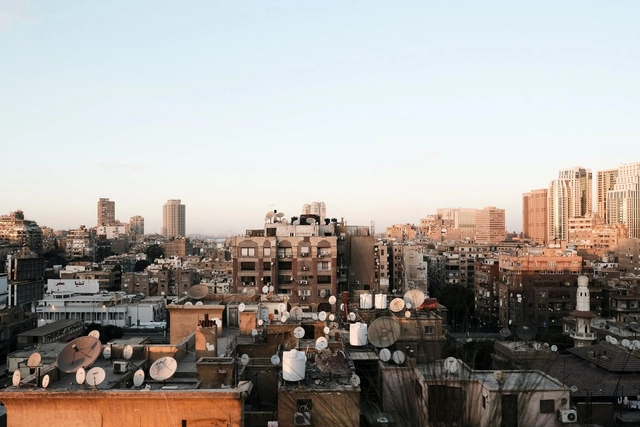
Questioning the Megalopolis in the Global South

As of today, over 50% of the world’s population lives in urban areas, and by 2050, this urban population will almost double in size, and 7 of 10 people in the world will live in cities. As cities have continued to grow and expand throughout history, a new vocabulary has also emerged, often to better communicate the scale of urban living in a relatively contemporary context. One such example is the term megalopolis – typically defined as a network of large cities that have been interconnected with surrounding metropolitan areas by infrastructure or transportation. In effect, it’s a region perceived as an encompassing urban area, within which there is a constant flow of commerce and migration.

Questioning the Megalopolis in the Global South - Image 1 of 4Questioning the Megalopolis in the Global South - Image 2 of 4Questioning the Megalopolis in the Global South - Image 3 of 4Questioning the Megalopolis in the Global South - Image 4 of 4Questioning the Megalopolis in the Global South - More Images+ 7

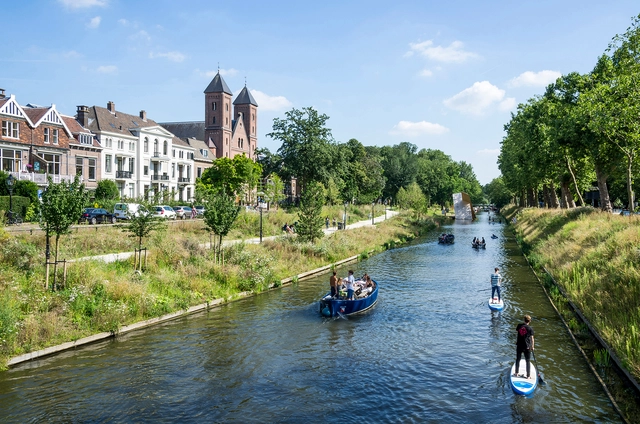
OKRA Receives the European Urban Public Space Award 2022

The Dutch firm OKRA landschapsarchitecten has been awarded the European Prize for Urban Public Space 2022 for its project to restore the Catharijnesingel canal in the city of Utrecht in the Netherlands. Being an initiative of the Center of Contemporary Culture of Barcelona (CCCB), this eleventh edition received 326 projects from 35 different countries showing those problems that European cities must face and proposing some solutions in the framework of a post-pandemic context focused on climate change and how to make cities more livable.