1. ArchDaily
  2. Sustainability

Sustainability: The Latest Architecture and News

Applying Bricks to Facilitate a Sustainable Project

Subscriber Access | 

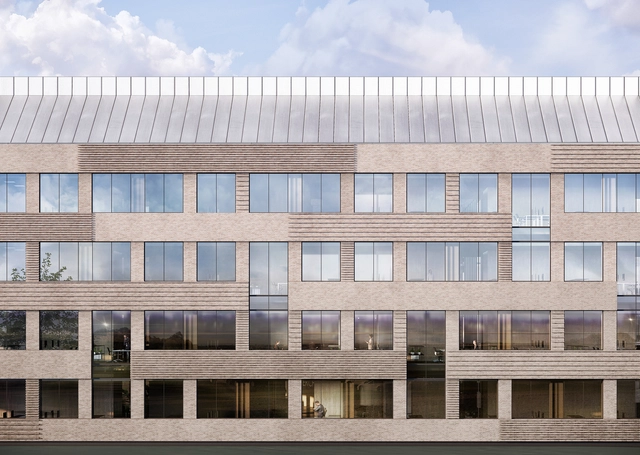
Generally made from kiln-fired clay, it is estimated that bricks have been used since 7000 BC, as examples were discovered in the ancient city of Jericho. Since then, bricks have been omnipresent in the history of architecture, combining constructive ease, aesthetics and comfort. Nowadays, with the growing concerns around the environment and the larger impact of materials used and decisions taken on a project, there are ways to modernize an ancient material such as brick through a few updates to its manufacturing process, making it even more eco-conscious. Brick can already be considered a sustainable material because of its durability and recyclability, but there are ways to further improve it. The new project for the headquarters of the food manufacturer Danish Crown, under construction and developed by CEBRA office, is a good example of how to apply this product in a more sustainable way.
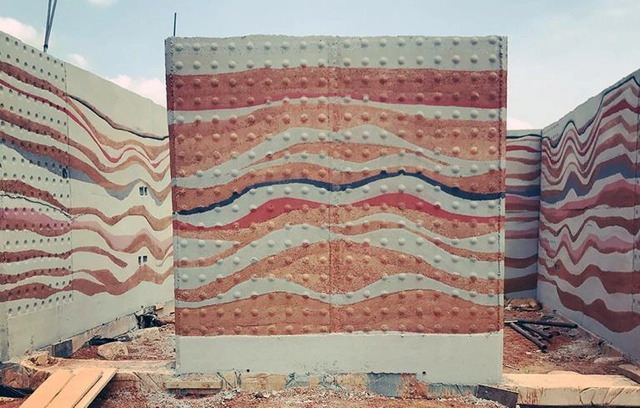
Colors Of the Earth: Ghana's Incredible, Rammed Earth Walls

Subscriber Access | 

Rammed earth constructions are not a novelty, on the contrary, some sections of the Great Wall of China were made using this technique. Relegated and replaced by modern methods of construction, the mud walls are currently re-emerging as an economic, sustainable solution, with low environmental impact. Even Joelle Eyeson, a young African entrepreneur, is betting that it may be the answer to the housing deficit in her region.

This is a rudimentary construction system in which earth is compressed into wooden boxes. The clay is horizontally placed in layers of 15 cm in height, and compacted with manual or pneumatic tools, to achieve its ideal density creating a resistant and durable structure.

VELUX and EFFEKT Develop Strategic Framework for Designing Healthier and More Sustainable Build Environment

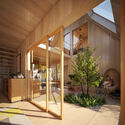
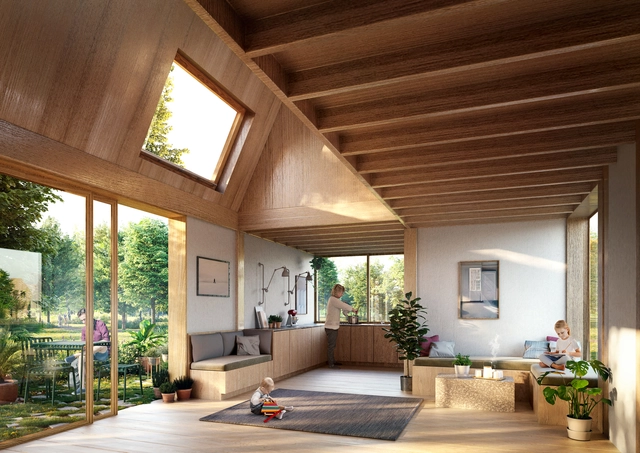
VELUX Group reveals The Build for Life concept aimed at creating sustainable communities and built environment through affordable, socially-oriented designs and new housing models, healthy indoor climates and the use of low-impact materials. Developed together with EFFEKT, MOE engineers and Danish construction company Enemaerke & Petersen A/S, the concept provides architects and city planners with a “compass’ for navigating the sustainability imperatives of the moment while encouraging the design of healthier living places.

VELUX and EFFEKT Develop Strategic Framework for Designing Healthier and More Sustainable Build Environment - Imagem 1 de 4VELUX and EFFEKT Develop Strategic Framework for Designing Healthier and More Sustainable Build Environment - Imagem 2 de 4VELUX and EFFEKT Develop Strategic Framework for Designing Healthier and More Sustainable Build Environment - Imagem 3 de 4VELUX and EFFEKT Develop Strategic Framework for Designing Healthier and More Sustainable Build Environment - Imagem 4 de 4VELUX and EFFEKT Develop Strategic Framework for Designing Healthier and More Sustainable Build Environment - More Images+ 5

Climate Change is Teaching Designers to Expand Their Horizons—or at Least It Should

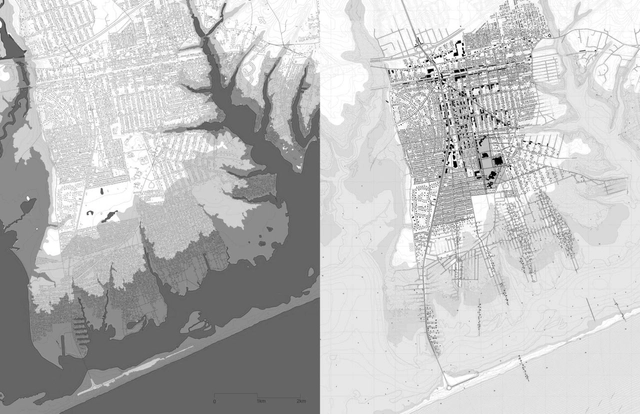
A lot can happen in the space between a book’s title and subtitle, as A Blueprint for Coastal Adaptation: Uniting Design, Economics, and Policy (Island Press, 2021) demonstrates. Here, in a reversal from the norm, the subtitle assumes the more evocative bent by elevating design to the same status as economics and policy. To some, this might seem a spurious move, but the volume lives its creed: Its editors include two design academics and a business school professor, to say nothing about the myriad backgrounds of its contributors.

Blueprint goes deep into the policy decisions that have shaped the brittle condition of coastal infrastructure. It coalesces into a convincing picture of the wider context in which design operates, with the aim of making the built environment more equitable for those caught on the front lines of certain climate change cataclysm.

The Build Better Now Virtual Pavilion at COP26 Showcases Pioneering Sustainable Designs

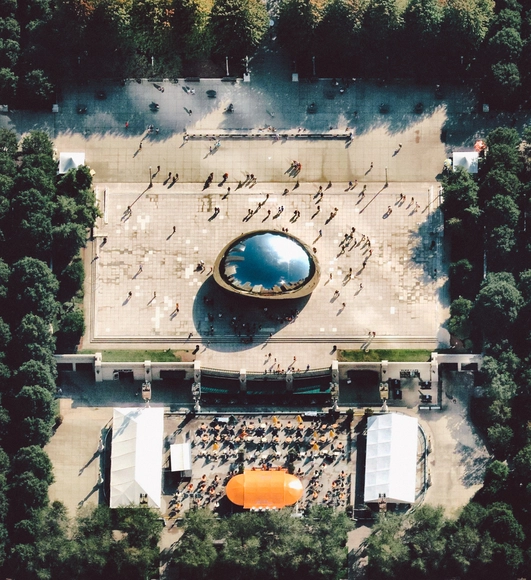
The Build Better Now virtual pavilion opened to the public during COP26, showcasing seventeen sustainable projects that demonstrate the built environment's opportunities for addressing the climate crisis. The initiative, run by UK Green Building Council, comes as a global call for climate action, highlighting the AEC's industry's commitment to sustainable practice on a worldwide stage, particularly since this year the COP26 dedicated a day to buildings and cities.

The Build Better Now Virtual Pavilion at COP26 Showcases Pioneering Sustainable Designs - Image 1 of 4The Build Better Now Virtual Pavilion at COP26 Showcases Pioneering Sustainable Designs - Image 2 of 4The Build Better Now Virtual Pavilion at COP26 Showcases Pioneering Sustainable Designs - Image 3 of 4The Build Better Now Virtual Pavilion at COP26 Showcases Pioneering Sustainable Designs - Image 4 of 4The Build Better Now Virtual Pavilion at COP26 Showcases Pioneering Sustainable Designs - More Images+ 10

World’s Cities Day 2021: Resilience, Climate Crisis and Sustainable Urbanization

Subscriber Access | 

As cities grow in scale, dimensions, and amplitude, taking in 60% of the world population, the United Nations has designated the 31st of October as “World Cities Day”, an opportunity to talk furthermore about global urbanization, addressing challenges, encouraging opportunities across borders and highlighting responses. Focusing this edition on the theme of “Adapting Cities for Climate Resilience”, this day, part of Urban October, seeks to raise awareness about the climate crisis and its repercussions on the built environment.

Cities, at the center of the global challenges, are hubs for institutions, society, economy, commerce, and transportation. Understanding the importance of “Thinking the City”, we have compiled in this roundup, articles published by ArchDaily’s editors that offer planning tools and guidelines, tackle the different components of the urban realm and highlight worldwide as well as contextual questions and responses. 

How to Overcome the Challenges of Designing with Solar Technology

Solar technology has enormous potential, but it has been underutilized. To get an idea of just how underutilized it is, consider that every 24 hours the amount of sunlight that hits the Earth could provide energy for the entire planet for 24 years. Of course, it is necessary to collect it properly, through photovoltaic systems. With the climate crisis increasingly present in our daily lives, causing growing concerns about obtaining energy from renewable sources and reducing carbon emissions, using the sun's possibilities to generate clean energy seems to be a path of no return. But there are still some difficulties that reduce its use, such as obtaining economical solar products, aesthetics, availability of these products, regulations, and even installation issues.

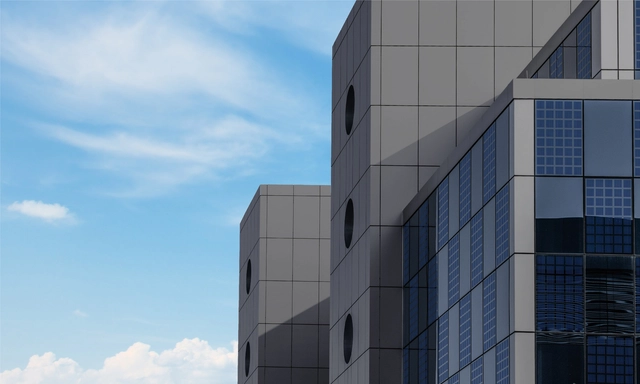
Building-integrated photovoltaics, or BIPVs, offer the design and construction industry solutions to typical challenges that hinder adoption of solar energy. Below, we list the main challenges of incorporating solar energy into projects and how they can be overcome.

Cities and Conflict: Exploring Urban Adaptive Reuse

COP26, The United Nations Climate Change Conference, is scheduled to be held in Scotland soon, in the last week of October 2021. Against the backdrop of this conference is a heightened global awareness of climate change, as discussions take place on how a sustainable, more equal future can be achieved. The present and future state of architecture is a key component of this conversation, as criticism is levelled at architecture firms that “greenwash” and questions are raised on if the term “sustainability” is increasingly merely being used as today’s buzzword.

Cities and Conflict: Exploring Urban Adaptive Reuse - Imagem 1 de 4Cities and Conflict: Exploring Urban Adaptive Reuse - Imagem 2 de 4Cities and Conflict: Exploring Urban Adaptive Reuse - Imagem 3 de 4Cities and Conflict: Exploring Urban Adaptive Reuse - Imagem 4 de 4Cities and Conflict: Exploring Urban Adaptive Reuse - More Images+ 9

Brazil Pavilion at Expo 2020 Dubai Offers Sensory Experience of Brazilian Biodiversity

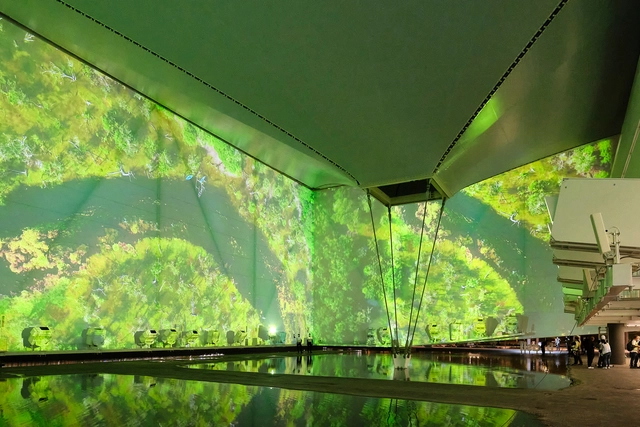
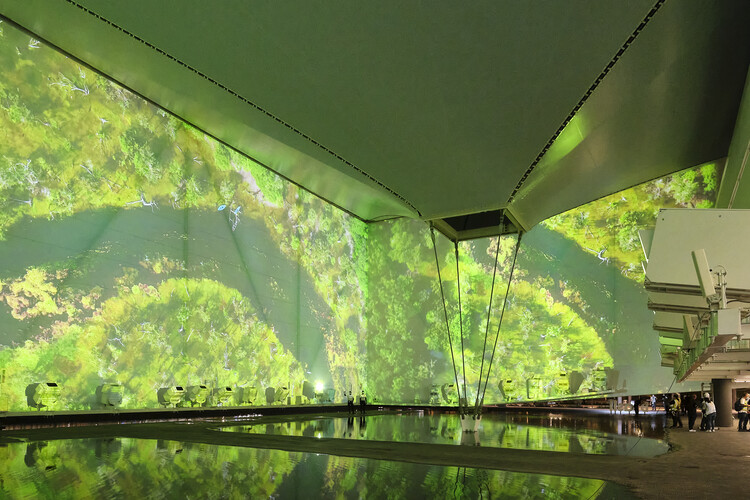
Designed by JPG.ARQ, MMBB Arquitetos, and Ben-Avid, the Brazil Pavilion at Expo 2020 Dubai offers a sensory experience that connects visitors of the World Expo with Brazilian biomes and cultural heritage.

Brazil Pavilion at Expo 2020 Dubai Offers Sensory Experience of Brazilian Biodiversity - Image 3 of 4Brazil Pavilion at Expo 2020 Dubai Offers Sensory Experience of Brazilian Biodiversity - Image 5 of 4Brazil Pavilion at Expo 2020 Dubai Offers Sensory Experience of Brazilian Biodiversity - Image 6 of 4Brazil Pavilion at Expo 2020 Dubai Offers Sensory Experience of Brazilian Biodiversity - Image 12 of 4Brazil Pavilion at Expo 2020 Dubai Offers Sensory Experience of Brazilian Biodiversity - More Images+ 27

A 100% Recyclable Polycarbonate Envelope for a Bright and Sustainable Building

 | Sponsored Content

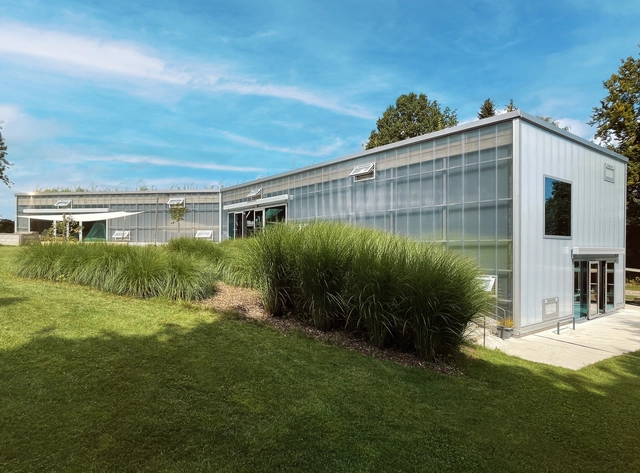
Climate and resource protection are some of the most pressing issues in regards to our future world. This is not a singular issue, but a complex one that affects every sector of humanity including mobility, architecture, sustainable living, and learning. There is a common misconception that building materials - such as polycarbonate translucent panels - cannot be sustainable. Plastic as a material has such an enormous impact on the world, and has drawn negative attention which makes it difficult to break away from the generalization that plastic is fundamentally "bad." Companies such as Rodeca, for example, in the plastics production space have engineered translucent building materials that are capable of enduring for many years as an integral construction material, and do not have to be quickly disposed of. As a producer of polycarbonate panels, Rodeca is always looking ahead to the future of sustainability.

World Architecture Day 2021: Accelerating Urban Action for a Carbon-Free World

Subscriber Access | 

Celebrated on the first Monday of every October, World Architecture Day was set up by the Union International des Architects (UIA) back in 2005 to “remind the world of its collective responsibility for the future of the human habitat”, coinciding with UN-Habitat's World Habitat Day.

This year both organizations have defined themes related to improving the quality of life and reducing the effects of the climate crisis by taking action in the built environment. While the International Union of Architects' 2021 World Architecture Day theme is "Clean Environment for a Healthy World", UN-Habitat's World Habitat Day has announced "Accelerating Urban Action for a Carbon-Free World" as their topic.

What Happens If Hempcrete Catches Fire?

Subscriber Access | 

Every time we publish an article about Hempcrete, we get a lot of comments on social media - with a certain level of irony - about what would happen if the material caught fire. This is actually a legitimate question, as there is still a lot of confusion about the differences between marijuana and hemp, both of which come from the same plant species (Cannabis Sativa). But while marijuana has psychoactive effects due to tetrahydrocannabinol (THC), mainly present in the flowers of the plant, hemp-based building materials are produced from its stem, which contains small amounts of THC. To quickly answer the title question: no, the building won't be destroyed in the event of a fire. In fact, some tests have shown that these materials have excellent behavior against fire, dissipate flames, maintain structural integrity, and don't emit toxic smoke.

Net-Zero Buildings Are Critical to Staving off Further Climate Change

A new report from the Intergovernmental Panel on Climate Change (IPCC) states that global warming of 1.5°C (2.7 °F) is essentially inevitable in coming decades. The question now is whether the world can prevent further, more destructive warming of 2°C (3.6°F), or, even worse, 3°C (5.4°F), which is what current policies put us on a trajectory to experience. Our economies can only put another 420 gigatons of greenhouse gas emissions into the atmosphere if we want a good chance of keeping a temperature increase to 1.5°C instead of 2°C. At our current pace, the world’s carbon budget will be used up before 2030. We need to phase out fossil-fuel use, build thousands of new clean power plants -- and swiftly move to power our homes, offices, schools, and transportation systems with clean energy.

Net-Zero Buildings Are Critical to Staving off Further Climate Change    - Image 1 of 4Net-Zero Buildings Are Critical to Staving off Further Climate Change    - Image 2 of 4Net-Zero Buildings Are Critical to Staving off Further Climate Change    - Image 3 of 4Net-Zero Buildings Are Critical to Staving off Further Climate Change    - Image 4 of 4Net-Zero Buildings Are Critical to Staving off Further Climate Change    - More Images+ 7

How to Build with Zero-Kilometer Wood? The Experience of The Voxel in Barcelona

Zero kilometer materials can be purchased locally, do not need to be transformed by large stages of industrial processing or toxic treatments and, at the end of their service life, they can be returned to the environment.

For example, wood from a nearby forest eliminates the need for long transfers, valuing local resources, and allowing architecture to lessen its environmental impact while committed to the landscape and context.

How to Avoid the Most Common Mistakes When Building With Bamboo

Subscriber Access | 

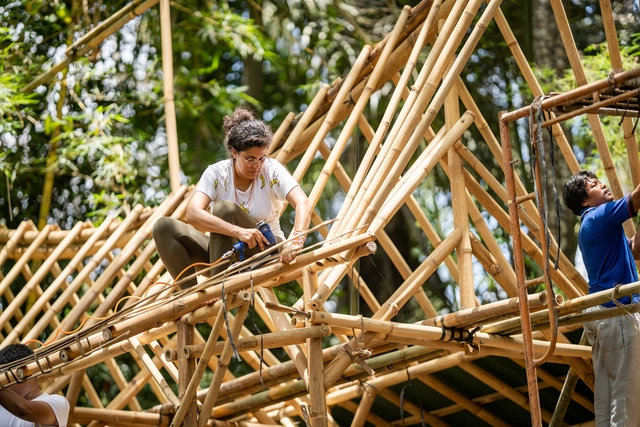
While bamboo holds incredible potential as a building material, efforts to build durable bamboo structures often fall short with errors made in both the design and building process. Bamboo structures are often criticized for their lack of durability, and before treatment technology was discovered, this was one of the pitfalls to building with bamboo, nowadays however, architecture firms like IBUKU have proven that if designed well, treated right, and maintained a bamboo structure can last a lifetime.

Besides poor treatment, there are other errors made when building with bamboo and these are often overlooked, but they hold equal weight in ensuring the longevity of a bamboo structure. There are plenty of great guides that explain how to build with bamboo, however information falls short when addressing what not to do. In this article, we will share how to avoid the most common mistakes when building with bamboo.

A Climate Conversation: The Role of Architecture in Shaping a Sustainable African Future

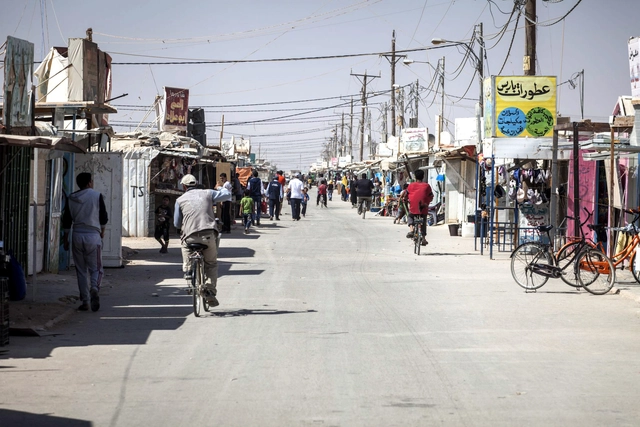
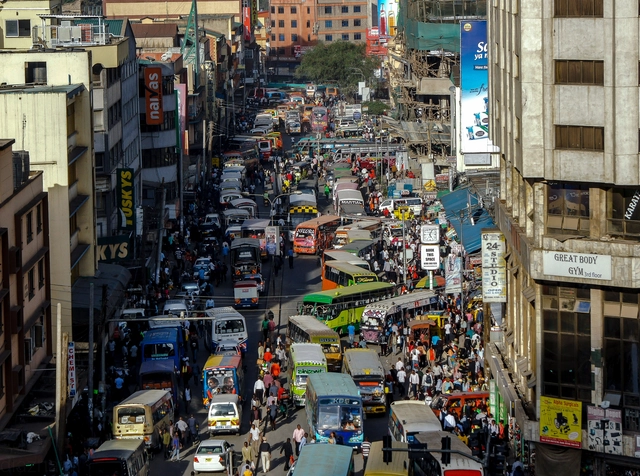
When we think of migration, we think of movement. We think of the movement of people simply looking for greener pastures – a better life for themselves. But we also think of war, of conflict, of an unstable situation in a specific place forcing the hand of a location’s residents to seek safety elsewhere. Historically and into present day, war has been the reason for the increased presence of refugees. Instability in places such as Syria, Iraq, or the Central African Republic have caused millions to flee their homes. Lurking amongst this migration due to conflict, however, is the migration of people at mercy of the changing environmental conditions of the Earth – climate migration.

A Climate Conversation: The Role of Architecture in Shaping a Sustainable African Future  - Image 1 of 4A Climate Conversation: The Role of Architecture in Shaping a Sustainable African Future  - Image 2 of 4A Climate Conversation: The Role of Architecture in Shaping a Sustainable African Future  - Image 3 of 4A Climate Conversation: The Role of Architecture in Shaping a Sustainable African Future  - Image 4 of 4A Climate Conversation: The Role of Architecture in Shaping a Sustainable African Future  - More Images+ 4

There is Life After Demolition: Mass Timber, Circularity and Designing for Deconstruction

Subscriber Access | 

The first Shikinen Sengu was held in the year 690, in the city of Ise, Mie Prefecture, Japan. It consists of a set of ceremonies lasting up to 8 years, beginning with the ritual of cutting down trees for the construction of the new Ise Shrine and concluding with the moving of the sacred mirror (a symbol of Amaterasu-Omikami) to the new shrine by Jingu priests. Every 20 years, a new divine palace with exactly the same dimensions as the current one is built on a lot adjacent to the main sanctuary. Shikinen Sengu is linked to the Shinto belief in the periodic death and renewal of the universe, while being a way of passing on the ancient wood construction techniques from generation to generation.

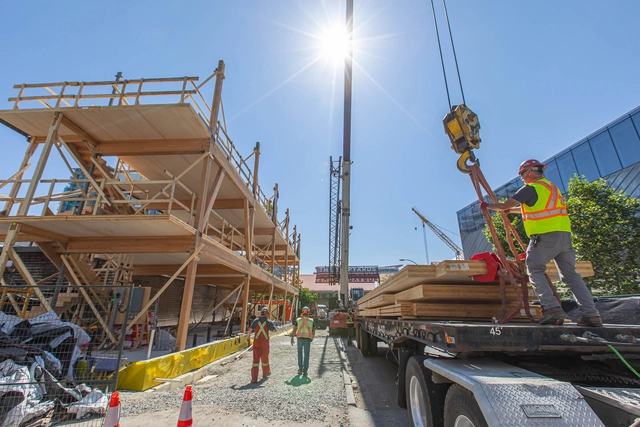
The idea of creating a building that will have an expiration date is not a common one. In fact, the useful life of a structure is often given little consideration. When demolished, where will the materials go? Will they be disposed of in landfills or could they be reused in new projects? There are certain construction methods and materials that make this process easier. Others make reuse unfeasible, due to several factors. 

Copenhagen named UNESCO World Capital of Architecture for 2023

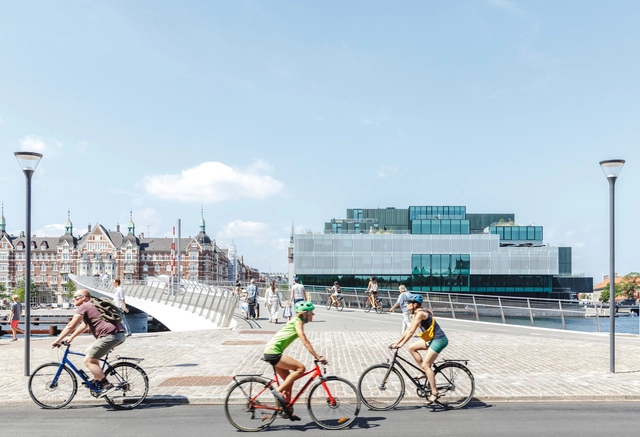
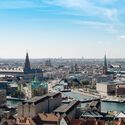
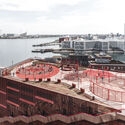
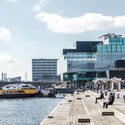
Following Rio de Janeiro’s inaugural hold of the title, Copenhagen has been named World Capital of Architecture for 2023 by UNESCO and will host the International Union of Architect’s World Congress 2 years from now. At its second edition, the initiative supported by UNESCO in partnership with UIA is meant to highlight the role of architecture and urban planning in shaping a sustainable future and tackling global challenges. Designated triennially, the city World Capital of Architecture will become an international forum for debate around issues related to the urban environment.

Copenhagen named UNESCO World Capital of Architecture for 2023  - Image 1 of 4Copenhagen named UNESCO World Capital of Architecture for 2023  - Image 2 of 4Copenhagen named UNESCO World Capital of Architecture for 2023  - Image 3 of 4Copenhagen named UNESCO World Capital of Architecture for 2023  - Image 4 of 4Copenhagen named UNESCO World Capital of Architecture for 2023  - More Images