1. ArchDaily
  2. Sustainability

Sustainability: The Latest Architecture and News

Subscriber Access

The Decolonization of Architecture Is a Necessary Step in Its Decarbonization

Imagination and policy development go hand in hand. Before we can create policies that bring about a desirable future, we must first envision what that future looks like, which is particularly significant in Architecture because we see the future as an integral part of the design process. This familiarity with envisioning the future carries a responsibility for us to create guidelines and regulations that can either support or obstruct the direction our planet takes.

In this moment of climate change, resulting from centuries of irresponsible practices, the idea of the future has been invaded by fear, an alert that would determine the survival of our existence. Architecture, along with other disciplines, has begun to channel efforts toward reexamining, reconceptualizing, and reformulating its practices toward the future we need to achieve. Beyond statistics and projections, the approach of architecture in relation to climate action brings to light numerous concepts, among them, the need for a historical review for the creation of this future.


The Decolonization of Architecture Is a Necessary Step in Its Decarbonization - Image 1 of 4The Decolonization of Architecture Is a Necessary Step in Its Decarbonization - Image 2 of 4The Decolonization of Architecture Is a Necessary Step in Its Decarbonization - Image 3 of 4The Decolonization of Architecture Is a Necessary Step in Its Decarbonization - Image 4 of 4The Decolonization of Architecture Is a Necessary Step in Its Decarbonization - More Images+ 3

Sustainability and Innovation in Ephemeral Architecture: 15 Wooden Pavilions

Throughout the modern era, pavilion architecture has consistently reflected cutting-edge architectural trends. These temporary or semi-permanent structures, often featured in exhibitions, fairs, cultural events, and sports gatherings, provide a platform for exploring new materials and design concepts. Pavilion designs are intended for easy assembly and disassembly and are typically used for short durations, making it crucial to consider reducing environmental impact without sacrificing aesthetics and innovation. In this endeavor, wood emerges as a key ally.

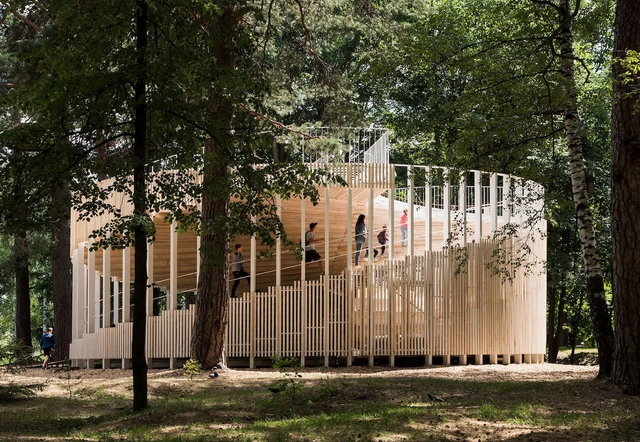
Sustainability and Innovation in Ephemeral Architecture: 15 Wooden Pavilions - Image 1 of 4Sustainability and Innovation in Ephemeral Architecture: 15 Wooden Pavilions - Image 2 of 4Sustainability and Innovation in Ephemeral Architecture: 15 Wooden Pavilions - Image 3 of 4Sustainability and Innovation in Ephemeral Architecture: 15 Wooden Pavilions - Image 4 of 4Sustainability and Innovation in Ephemeral Architecture: 15 Wooden Pavilions - More Images+ 12

Holcim Foundation for Sustainable Construction Announces Finalists for the 2023 International Holcim Awards

The Holcim Foundation for Sustainable Construction has unveiled the list of 20 finalists for the Holcim Awards 2023 competition. The jury, composed of five independent expert panels worldwide, has selected the projects to showcase contextual and practicable approaches to sustainable construction, exemplifying a diverse range of scales, budgets, geographies, and forms. The ranking of the nominees will be announced at the Holcim Awards 2023 Ceremony scheduled for November 18 in Venice, Italy during the final weeks of the Biennale Architettura 2023 - 18th International Architecture Exhibition.

Holcim Foundation for Sustainable Construction Announces Finalists for the 2023 International Holcim Awards - 1 的图像 4Holcim Foundation for Sustainable Construction Announces Finalists for the 2023 International Holcim Awards - 2 的图像 4Holcim Foundation for Sustainable Construction Announces Finalists for the 2023 International Holcim Awards - 3 的图像 4Holcim Foundation for Sustainable Construction Announces Finalists for the 2023 International Holcim Awards - 4 的图像 4Holcim Foundation for Sustainable Construction Announces Finalists for the 2023 International Holcim Awards - More Images+ 16

How New Technologies Are Evolving to Embrace Sustainability in Architecture

 | Sponsored Content

When we talk about technology, we often think of robots, supercomputers, data centers or smartphones. But technology also refers to the invention of the first chipped stone tools or the development of the steam engine, which brought about the first Industrial Revolution. The term comes from the combination of the Greek words techne (art, craft) and logos (word, speech) and is nothing more than the application of knowledge to achieve goals in a specific and reproducible way, for practical purposes. In the construction industry, which moves large amounts of resources and people, more technology means incorporating new methods, tools, automation and software that can improve efficiency. As a historically innovation-resistant industry, the construction sector has a huge impact on the environment due to its carbon emissions and exploitation of raw materials. However, as it turns to the digital world, builders have seen technology as a means to optimize practices and identify, build, and manage their projects.

Subscriber Access

Ailton Krenak: “Instead of Operating in the Landscape, We Should Blend in With It”

Ailton Krenak is a renowned environmentalist, philosopher, writer, and poet who holds honorary doctorates from the Federal University of Minas Gerais and the Federal University of Juiz de Fora. As an Indigenous leader, he played a pivotal role in advocating for Indigenous Rights, which were eventually enshrined in the 1988 Constitution of Brazil. His profound ideas have been disseminated through lectures, educational courses, and books, including notable works such as Ideas to Postpone the End of the World, Life is not Useful, and Ancestral Future.

Krenak has a unique talent for transforming his life experiences into profound concepts, which he conveys through oral and poetic language. His worldview blurs the boundaries between landscapes, human beings, animals, rivers, and mountains. He strongly advocates for a reassessment of our lifestyle, emphasizing the importance of 'breaking up the ground to allow the channeled waters to resurface.' On September 5th, he participated in a discussion in São Paulo during the Archtrends Summit 2023, organized by Portobello. During this event, he shared his insights on topics such as cities, forests, and the future of our planet.

Women-Led Architecture Practices: Redefining Urban Housing Design at the Time Space Existence Exhibition in Venice

As part of the 6th edition of “Time Space Existence”, the European Cultural Center (ECC) presented the “Reconceptualizing Urban Housing” exhibition. Taking place from May 20 to November 26, 2023, it brings together a diverse array of women-led architecture practices from around the world, each offering a unique perspective on collective housing, particularly within urban settings. The showcased projects feature approaches from Europe, North America, and more developing countries like Uganda, Malaysia, and Mexico.

Women-Led Architecture Practices: Redefining Urban Housing Design at the Time Space Existence Exhibition in Venice - Imagen 1 de 4Women-Led Architecture Practices: Redefining Urban Housing Design at the Time Space Existence Exhibition in Venice - Imagen 2 de 4Women-Led Architecture Practices: Redefining Urban Housing Design at the Time Space Existence Exhibition in Venice - Imagen 3 de 4Women-Led Architecture Practices: Redefining Urban Housing Design at the Time Space Existence Exhibition in Venice - Imagen 4 de 4Women-Led Architecture Practices: Redefining Urban Housing Design at the Time Space Existence Exhibition in Venice - More Images+ 13

The Symbolism of Yakisugi: Explore the Beauty and Durability of this Wood in Contemporary Architecture

Wood in contemporary construction is often associated with coziness, simplicity, and a certain sense of nobility. Despite requiring more frequent maintenance compared to materials like concrete, wood is increasingly considered a viable option within the concept of regenerative design, owing to its place in the natural organic cycle of our planet. While wood has been a staple in architectural design, carbonized wood, known as yakisugi, is gaining significant attention as a finishing choice.

The Symbolism of Yakisugi: Explore the Beauty and Durability of this Wood in Contemporary Architecture - Image 1 of 4The Symbolism of Yakisugi: Explore the Beauty and Durability of this Wood in Contemporary Architecture - Image 2 of 4The Symbolism of Yakisugi: Explore the Beauty and Durability of this Wood in Contemporary Architecture - Image 3 of 4The Symbolism of Yakisugi: Explore the Beauty and Durability of this Wood in Contemporary Architecture - Image 4 of 4The Symbolism of Yakisugi: Explore the Beauty and Durability of this Wood in Contemporary Architecture - More Images+ 2

Subscriber Access

Is it Possible to Grow Cement? Prometheus Materials and the Transformation of Concrete

Innovation thrives when we pause to observe, question, and reimagine the world around us, turning challenges into opportunities for progress. Nature, in particular, serves as a rich source of inspiration. By observing it, studying its daily challenges, and contemplating its processes, we can discover valuable insights that inspire innovative solutions.

One of these current challenges is the production of concrete, an ancient and extremely popular material that is now accountable for a significant portion of global CO₂ emissions, due to the energy-intensive process of cement production and the chemical reactions involved. It is estimated to be responsible for approximately 8% of the world's annual CO₂ emissions, pumping 11 million tons of CO₂ into the atmosphere every day and consuming 9% of the world's annual industrial water usage. In addition, the world's building stock is expected to double by 2060—the equivalent of building an entire New York City every month for the next 36 years, which means an incredible increase in demand for cement and concrete. Faced with this daunting situation, is there anything we can do? In this article, we speak with Loren Burnett, CEO of Prometheus Materials, which has developed a material that mimics nature's processes to recreate concrete as we know it.

Uses of Wood in Contemporary Mexican Architecture

Wood has played an important role in contemporary Mexican architecture due to its versatility, sustainability, and cultural connection to the architectural history of the country. Currently, architecture in Mexico has gained worldwide recognition for its sensitivity and mastery in designing everyday spaces using various techniques that prioritize sustainability, aesthetics, and bioclimatic design.

Subscriber Access

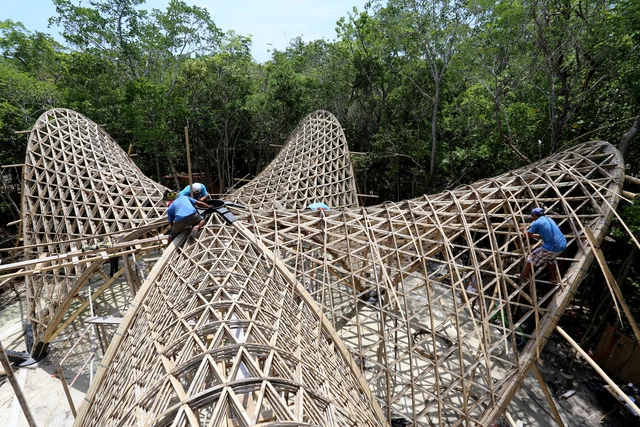
Pushing Boundaries with Bamboo: A Structural Engineering Case Study

In a world grappling with environmental challenges, forward-thinking architects and engineers are increasingly leaning towards more sustainable solutions. While steel and concrete have long dominated the construction industry, bamboo is now stepping into the limelight as a compelling alternative. Thanks to its potent mix of strength, flexibility, and eco-friendliness, bamboo is fast becoming the go-to material for those keen on pushing the boundaries of sustainable architecture.

Bridging this transformative moment in sustainable design is the timely arrival of the "Bamboo Structures" eBook series, which this article is based on. Acting as a touchstone in the field, the first volume focuses on the structural design process behind the Luum Temple—a masterclass in bamboo engineering. The guide serves as more than just a theoretical text; it is a comprehensive manual teeming with real-world insights, cutting-edge research, and practical expertise.

Subscriber Access

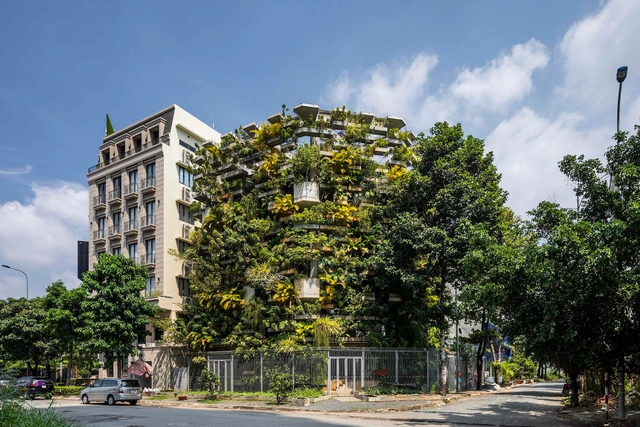
How to Use Vertical Farming for Sustainable Living

Increasing in both size and number, cities worldwide are experiencing accelerated growth. With green land regularly lost to either urbanization or its effects – such as rising sea levels or natural disasters – and expanding populations meaning more mouths to feed, the farming and agricultural industries are in crisis. Viewed by many as the solution, vertical farming is the practice of stacking layers of crops atop each other, using humanity’s latest design and engineering tech to grow more with less space.

More traditional horizontal farmland, however, does more for the environment than simply growing our food. The open-air green spaces often serve as natural habitats, air filtration, and temperature control for the surrounding area. By stepping up the concept of vertical farming into the world of architecture, we can bring all the goodness of the farm, straight to our doorstep.

Cross-Laminated Timber Reaches new Heights: Why use CLT in Construction?

 | Sponsored Content

The growth of the world's population has led to an increase in housing and building construction around the globe. Considering that today the construction industry is responsible for 40% of the planet's CO2 emissions, and according to the Chilean Chamber of Construction, by 2035, Chile will need housing for 2.6 million people, it is necessary to guide this sector toward an environmentally friendly alternative. The answer to this challenge can be found in nature itself, where there are various efficient and sustainable construction solutions. Such is the case with wood: a noble and renewable material capable of capturing CO2 and contributing to a better environmental future.
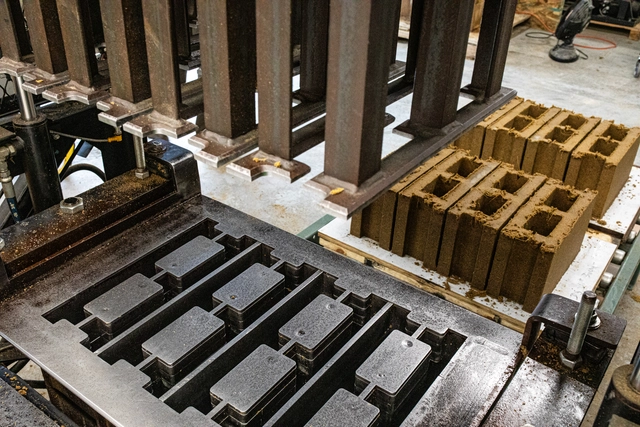
Today, thanks to technological advances, engineered wood or laminated wood, composed of layers of structural wood oriented perpendicularly to each other, has positioned itself as a trending construction material worldwide, and Chile should not be the exception.

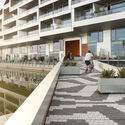
An Architect’s Guide to Copenhagen: Anders Lendager and the Essence of the Sustainable City

Copenhagen was founded in the 12th century and has undergone numerous transformations to establish itself as an urban benchmark of the 21st century. Its dynamic urban environment stands as an exemplar of architecture's importance and crucial role in shaping a sustainable future for cities. Confronting global challenges like mobility, urban development, and eco-friendly construction, the city is an inspiring model. This is why in 2023, the Danish city was named the World Architecture Capital by UNESCO-IUA, positioning Copenhagen as a platform for discussions on climate, sustainable solutions, and livability.

In this context, Danish architects such as Anders Lendager have been asked about their perception and interaction with their favorite places in the city, providing valuable insight into what makes Copenhagen unique. Lendager, the CEO and founder of Lendager Group, has been the designer behind eco-village projects, the Danish Pavilion in Milan, and a skyscraper built from recycled materials. Collectively, these projects showcase the capacity to translate the core principles of sustainable cities into tangible components, prioritizing human well-being and fostering circular economy models.

Subscriber Access

Natural Roofs: Sustainable Alternatives for Modern Buildings

Nowadays, when we imagine enclosed spaces, concrete slab roofs often come to mind. However, the use of concrete in construction now raises concerns due to its documented contributions to climate change and environmental harm. In response, it is necessary to incorporate vernacular and traditional techniques into our architectural toolkit. In this context, natural coverings emerge as an excellent solution. Despite their alignment with numerous desirable project attributes, these materials, which have sheltered humans for centuries, are still underutilized in contemporary construction. Natural roofs offer biodegradable materials, making them a more sustainable option with an aesthetic appeal and enhanced thermal comfort.

Natural Roofs: Sustainable Alternatives for Modern Buildings - 1 的图像 4Natural Roofs: Sustainable Alternatives for Modern Buildings - 2 的图像 4Natural Roofs: Sustainable Alternatives for Modern Buildings - 3 的图像 4Natural Roofs: Sustainable Alternatives for Modern Buildings - 4 的图像 4Natural Roofs: Sustainable Alternatives for Modern Buildings - More Images+ 14

An Architect’s Guide to Copenhagen: Dan Stubbergaard and the “Bustling City Designed for Living”

 | Sponsored Content

Copenhagen is a living testament to its architectural legacy, innovative urban development, and commitment to sustainability and liveability. The city inspires the whole world with its quality of urban life, made up of efficient and intelligent mobility systems, along with vibrant and interesting public and private spaces. It is in this context that the city has been awarded the title of World Capital of Architecture by UNESCO for 2023, and hosted the World Congress of the International Union of Architects. These milestones represent unique opportunities to highlight the crucial role of architecture and urban planning in building a sustainable future, establishing the city as a prominent international forum for discussing crucial issues related to the urban environment and the ongoing search for innovative solutions.

Visit Copenhagen has developed a series of four videos to explore the city's architectural wonders, guided by local architects. In the first one, which you can watch below, Danish architect Dan Stubbergaard –founder of Cobe– takes us on a captivating tour of Copenhagen, sharing his insights into what makes the city truly exceptional for its inhabitants.

Subscriber Access

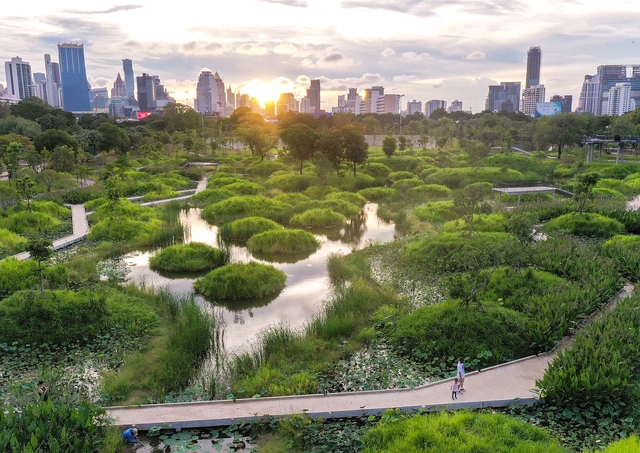
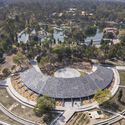
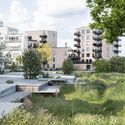
6 Successful City Park Projects That Are Hotspots for Biodiversity

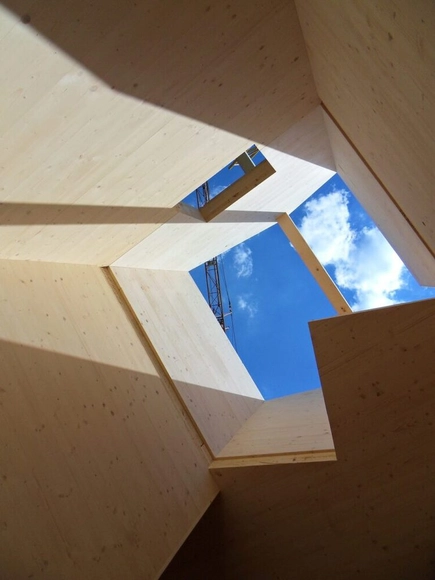
Modernity and globalization have significantly reduced geographical distances, transformed social interactions, and accelerated the flow of information across nations, which has, in a sense, made the world more accessible to people everywhere. However, it's important to note that when we say "everyone," we refer to a vast and diverse population. Modernity and globalization had an impact on noticeable inequalities in both social and technological realms, as more advanced and privileged nations have established benchmarks and norms for leisure, culture, and consumption. As a result, certain cultures have established a dominant influence, promoting the notion that there is a "correct" way to live and build cities. This unchecked pursuit of development comes at a significant cost to the Earth's ecosystems and biomes.
6 Successful City Park Projects That Are Hotspots for Biodiversity - Imagen 1 de 46 Successful City Park Projects That Are Hotspots for Biodiversity - Imagen 2 de 46 Successful City Park Projects That Are Hotspots for Biodiversity - Imagen 3 de 46 Successful City Park Projects That Are Hotspots for Biodiversity - Imagen 4 de 46 Successful City Park Projects That Are Hotspots for Biodiversity - More Images+ 4

Subscriber Access

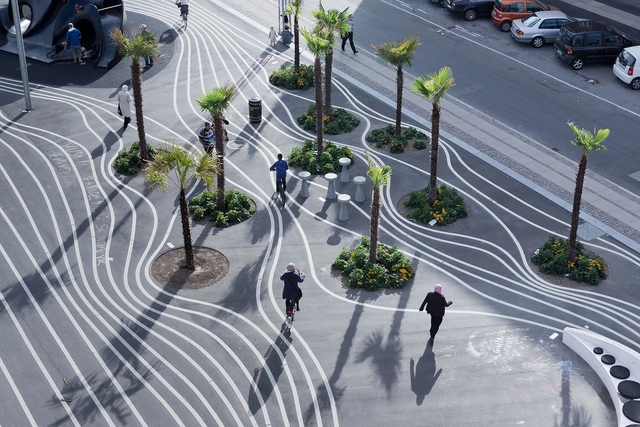
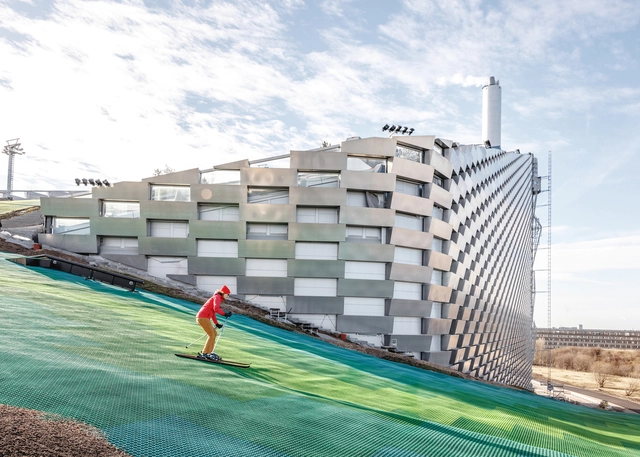
What Is Hedonistic Sustainability in Architecture?

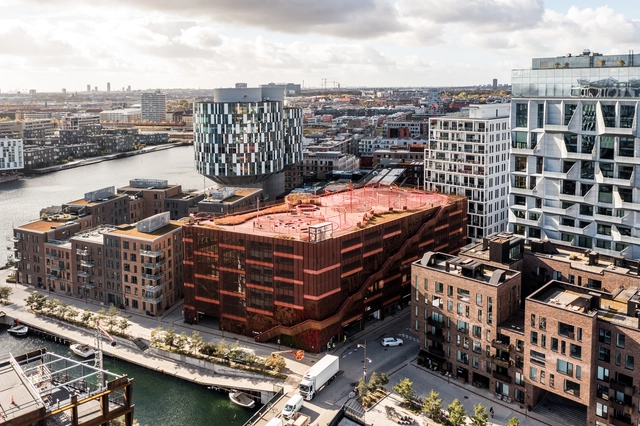
If you follow BIG, you have probably already seen Bjarke Ingels talk about hedonistic sustainability and how this concept permeates the most daring projects of the Danish office.
What Is Hedonistic Sustainability in Architecture? - Image 1 of 4What Is Hedonistic Sustainability in Architecture? - Image 2 of 4What Is Hedonistic Sustainability in Architecture? - Image 3 of 4What Is Hedonistic Sustainability in Architecture? - Image 4 of 4What Is Hedonistic Sustainability in Architecture? - More Images+ 6

Subscriber Access

Sustainable Elegance: The Use of Bamboo in Interior Design

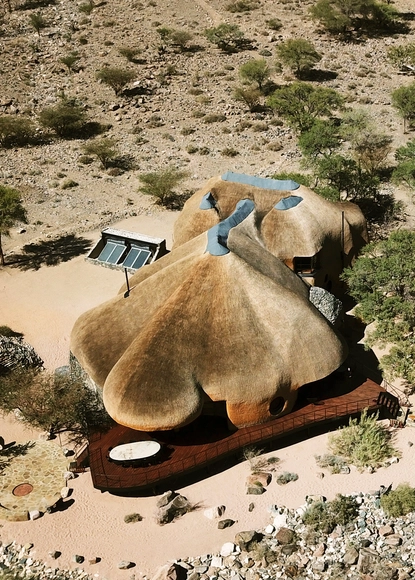
In recent years, there has been a noticeable surge in the pursuit of sustainability and eco-conscious practices across diverse domains, including interior architecture projects. Bamboo has garnered significant attention among various elements thanks to its remarkable versatility. It presents a wide array of creative opportunities for crafting environmentally conscious and elegant spaces.
Sustainable Elegance: The Use of Bamboo in Interior Design - Image 1 of 4Sustainable Elegance: The Use of Bamboo in Interior Design - Image 2 of 4Sustainable Elegance: The Use of Bamboo in Interior Design - Image 3 of 4Sustainable Elegance: The Use of Bamboo in Interior Design - Image 4 of 4Sustainable Elegance: The Use of Bamboo in Interior Design - More Images+ 8