1. ArchDaily
  2. Mumbai

Mumbai: The Latest Architecture and News

From Bogotá to Bombay: How the World's 'Village-Cities' Facilitate Change

Subscriber Access | 

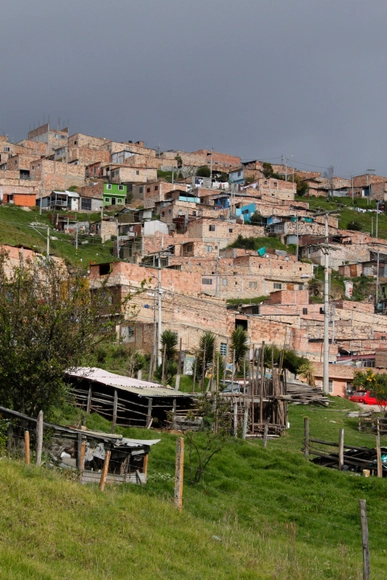
Perched behind the fog that conceals Bogotá’s mountains is William Oquendo’s house. It is a labyrinth of doors and windows, wherein a bedroom opens into the kitchen and a bathroom vents out into the living room.

Five thousand 5,000 kilometers away in Rio de Janeiro, Gilson Fumaça lives on the terrace level of a three-story house built by his grandfather, his father, and now himself. It’s sturdy; made out of brick and mortar on the ground floor, concrete on the second, and a haphazard combination of zinc roof tiles and loose bricks on the third. The last is Gilson’s contribution, which he will improve as his income level rises.

On the other side of the world in Bombay (Mumbai since 1995), houses encroach on the railway tracks, built and rebuilt after innumerable demolition efforts. “The physical landscape of the city is in perpetual motion,” Suketu Mehta observes in ‘Maximum City.’ Shacks are built out of bamboo sticks and plastic bags; families live on sidewalks and under flyovers in precarious homes constructed with their hands. And while Dharavi—reportedly the largest slum in Asia—has better quality housing, running water, electricity and secure land tenure, this is not the case for most of the new migrants into the city.

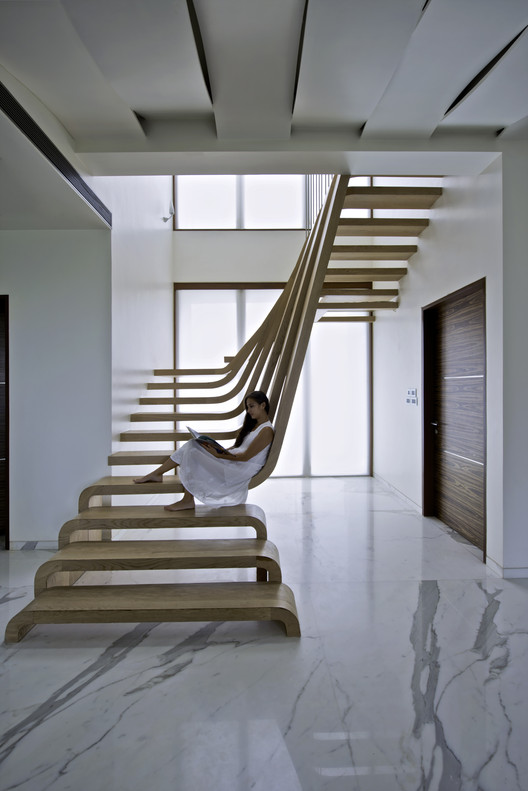
SDM Apartment / Arquitectura en Movimiento Workshop

SDM Apartment / Arquitectura en Movimiento Workshop - Apartment InteriorsSDM Apartment / Arquitectura en Movimiento Workshop - Apartment InteriorsSDM Apartment / Arquitectura en Movimiento Workshop - Apartment InteriorsSDM Apartment / Arquitectura en Movimiento Workshop - Apartment InteriorsSDM Apartment / Arquitectura en Movimiento Workshop - More Images+ 25

AD Interviews: Rahul Mehrotra / RMA Architects

Subscriber Access | 

On his recent visit to Santiago, Chile we caught up with Rahul Mehrotra, founder of Mumbai-based RMA Architects and a professor of Urban Design and Planning at Harvard’s Graduate School of Design. Mehrotra is known for his advocacy work in Mumbai and has carried out projects on a myriad of scales including interior design, architecture, urban design, conservation and planning. His projects include everything from a house on a tea plantation to a campus for NGO Magic Bus, the KMC Corporate Office in Hyderabad and housing for mahouts and their elephants. Mehrotra has also written and lectured extensively on architecture, conservation and urban planning in Mumbai and India.

India’s Most Successful Architect: Improving India's Slums or Exacerbating Social Gaps?

Subscriber Access | 

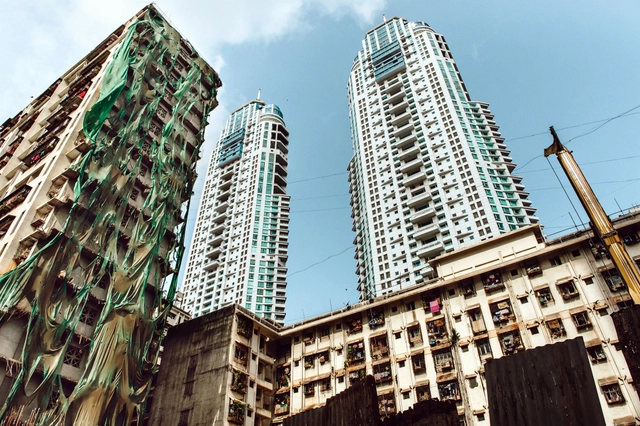
"The Indian poor live in perpetual darkness, while the Indian rich live in perpetual light." This fact is obviously embedded in Mumbai, where luxury condominiums rise in the middle of slums. Many of these extravagant buildings were designed by India's most commercially successful architect, Hafeez Contractor, who believes his arrestive work is the beginning of slum redevelopment. Learn about his crusade and how he's been criticized in this New York Times article by Daniel Brook.

Grove Towers / 3XN

Grove Towers / 3XN - Skyscrapers
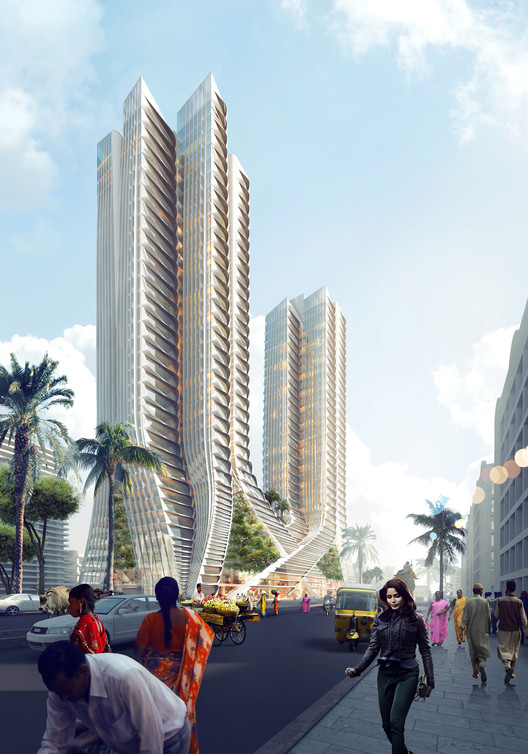
Street View. Image © 3XN

Construction has begun on 3XN’s first project in India. Aesthetically inspired by local foliage, the 136-meter “Grove Towers” are designed to interweave at their base, much like the roots of the native mangrove trees. These lower, “interwoven” floors will house retail establishments, while the upper floors will be given over to residential units.

Birdsong Cafe / Studio Eight Twentythree

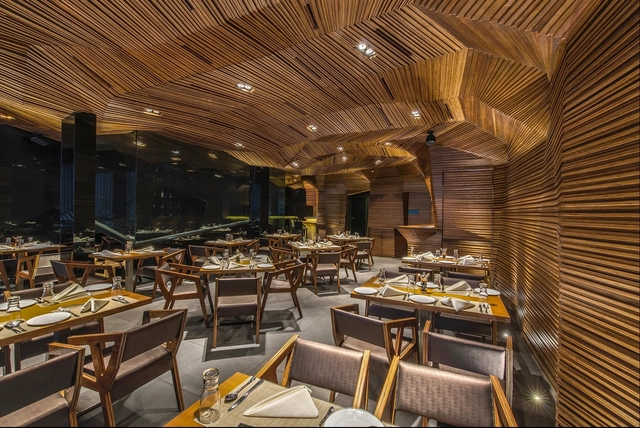
Birdsong Cafe / Studio Eight Twentythree - Interior Design, Arch, Arcade, Table, Lighting, ChairBirdsong Cafe / Studio Eight Twentythree - Interior Design, LightingBirdsong Cafe / Studio Eight Twentythree - Interior Design, Kitchen, Beam, Table, Chair, CountertopBirdsong Cafe / Studio Eight Twentythree - Interior Design, Beam, Arch, Table, ChairBirdsong Cafe / Studio Eight Twentythree - More Images+ 6

361° Conference 2014: Architecture and Identity

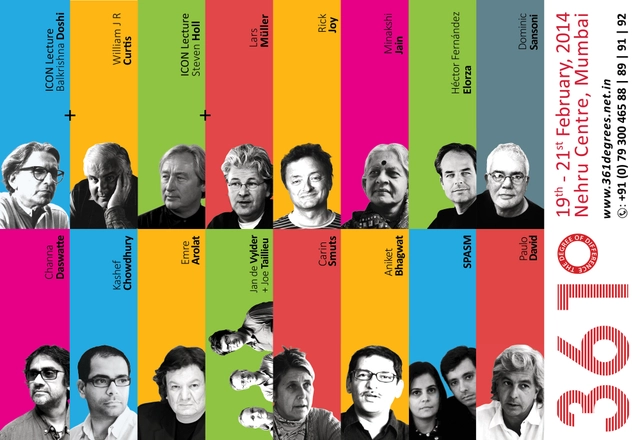
The 361° Conference, an initiative by Indian Architect & Builder to create a relevant platform for dialogue on architecture in India, will take place on February 19th to the 21st in Mumbai. This year's edition, based on the theme of "Architecture and Identity," will include renowned speakers, including Steven Holl and Dr. B V Doshi. More details, after the break...

Auriga Restaurant / Sanjay Puri Architects

Auriga Restaurant / Sanjay Puri Architects - Restaurant, Facade, DoorAuriga Restaurant / Sanjay Puri Architects - RestaurantAuriga Restaurant / Sanjay Puri Architects - RestaurantAuriga Restaurant / Sanjay Puri Architects - Restaurant, StairsAuriga Restaurant / Sanjay Puri Architects - More Images+ 10

Mumbai, India

100 Urban Trends: A Glossary of Ideas

The BMW Guggenheim Lab, a mobile think-tank focused on the study of urban life, has returned to New York City for its homecoming exhibition currently on view at the Guggenheim Museum till January 5, 2014. After two years of research and touring Berlin and Mumbai, the lab aims to present major urban themes in art, architecture, education, science, sustainability and technology."100 Urban Trends: A Glossary of Ideas" is a compilation of definitions of the most pressing issues in urban centers today, contextualized to reflect how different cities interpret them. Architects, planners and students take note: From street facades to bailouts, gentrification to trash mapping, this resource archives years of discussion into one user-friendly interface. Explore the glossary, here.

Interview: William Hunter Discusses Contested Urbanism in Dharavi

Subscriber Access | 

Dharavi - Asia’s largest slum of one million with an average density of 18,000 residents per acre - is amidst a heated debate between its people, the government and private investors as it sits on some of India’s hottest real estate in Mumbai. While the government is grappling for solutions on how to successfully dismantle the low-rise slum and relocate its residents to a high-rise podium style typology, the investor’s profit-driven approach has placed residents on the defense, “rendering Dharavi a perfect storm of contested urbanism," as architect, urban designer and author William Hunter describes.

In light of this, we would like to direct you to an interview by Andrew Wad of Polis in which discusses Dharavi’s dire situation and the motivation behind Hunter’s new book, Contested Urbanism in Dharavi: Writings and Projects for the Resilient City. Read the interview in its entirety here and read a recap on Dharavi’s situation here.

Adrian Smith and Gordon Gill Architecture Unveils Proposal for Mumbai’s Tallest Tower

Adrian Smith and Gordon Gill Architecture Unveils Proposal for Mumbai’s Tallest Tower - Skyscrapers
© Adrian Smith and Gordon Gill Architecture

Adrian Smith and Gordon Gill Architecture has unveiled a competition-winning prototype in which they hope will become Mumbai’s tallest skyscraper. Standing 400-meters about the crowded city streets, the 116-story Imperial Tower’s curvilinear form is aerodynamically shaped to “confuse the wind.” Its 132 “spacious and luxurious” residential units are punctuated by north- and south-facing sky gardens, which break up wind currents around the tower and provide unprecedented access to natural light and views of the Arabian sea.

CSMVS - Visitor Centre at the Prince of Wales Museum / RMA Architects

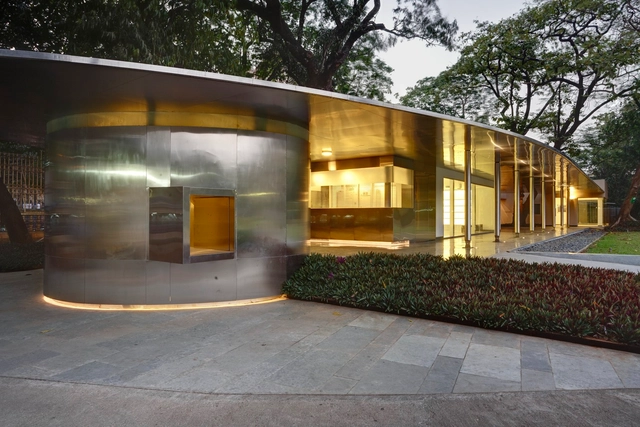
CSMVS - Visitor Centre at the Prince of Wales Museum / RMA Architects - Visitor Center, Garden, Fence, FacadeCSMVS - Visitor Centre at the Prince of Wales Museum / RMA Architects - Visitor Center, Facade, Column, DoorCSMVS - Visitor Centre at the Prince of Wales Museum / RMA Architects - Visitor Center, FacadeCSMVS - Visitor Centre at the Prince of Wales Museum / RMA Architects - Visitor Center, Facade, Handrail, ChairCSMVS - Visitor Centre at the Prince of Wales Museum / RMA Architects - More Images+ 13

Slum Rehabilitation Promise to Mumbai's 20 Million

Subscriber Access | 
Slum Rehabilitation Promise to Mumbai's 20 Million - Image 3 of 4
Aerial View of Mumbai; Courtesy of Flickr User Cactus Bones; Licensed via Creative Commons

Slums, shanty-towns, favelas - they are all products of an exploding migration from rural to urban areas. Over the last half century, people living in or near metropolises has risen in proportion to the global population. Migrations from rural areas to urban areas have grown exponentially as cities have developed into hubs of economic activity and job growth promising new opportunities for social mobility and education. Yet, with all these perceptions holding fast, many people who choose to migrate find themselves in the difficult circumstances of integrating into an environment without the proper resources to accommodate the growing population. Cities, for example, like Mumbai, India's largest city and 11th on the list as of 2012 with a population of an estimated 20.5 million. According to a New York Times article from 2011, about 60% of that number live in the makeshift dwellings that now occupy lucrative land for Mumbai's developers.

More to come after the break.

Poona House / Rajiv Saini

Poona House / Rajiv Saini - Houses, FacadePoona House / Rajiv Saini - Houses, Patio, Beam, Table, ChairPoona House / Rajiv Saini - Houses, Stairs, Door, Handrail, FacadePoona House / Rajiv Saini - Houses, Bedroom, Beam, Table, ChairPoona House / Rajiv Saini - More Images+ 35

Mumbai, India
  • Architects: Rajiv Saini
  • Area Area of this architecture project Area:  12 ft²
  • Year Completion year of this architecture project Year:  2008

Concrete 0023 / studio eight twentythree

Concrete 0023 / studio eight twentythree - Showroom, Kitchen, Stairs, Facade, Door, Table, Countertop, ChairConcrete 0023 / studio eight twentythree - Showroom, Column, BenchConcrete 0023 / studio eight twentythree - Showroom, Column, Lighting, TableConcrete 0023 / studio eight twentythree - Showroom, TableConcrete 0023 / studio eight twentythree - More Images+ 9

Mumbai, India

AD Interviews: Bijoy Jain, Studio Mumbai

Subscriber Access | 

During the launch of the META Project in Chile, we had the chance to interview Bijoy Jain, founder of Studio Mumbai.

House on Pali Hill / Studio Mumbai

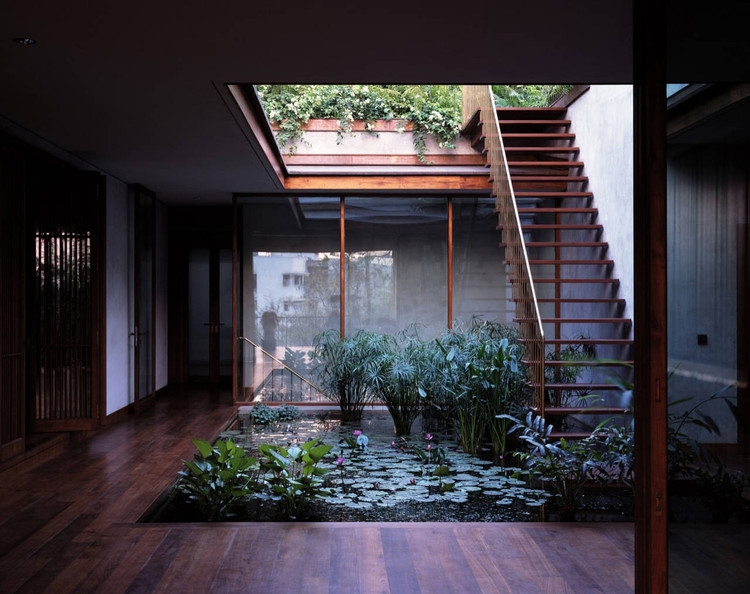
House on Pali Hill / Studio Mumbai - Houses, Facade, Fence, ArchHouse on Pali Hill / Studio Mumbai - Houses, FacadeHouse on Pali Hill / Studio Mumbai - Houses, Column, FacadeHouse on Pali Hill / Studio Mumbai - Houses, Garden, Door, Facade, LightingHouse on Pali Hill / Studio Mumbai - More Images+ 27

Mumbai, India

Today Studio-X Mumbai Event: "Paths Uncharted" / Dr. Balkrishna Doshi

Subscriber Access | 
Today Studio-X Mumbai Event: "Paths Uncharted" / Dr. Balkrishna Doshi - Image 3 of 4
Image via Columbia University's Graduate School of Architecture, Planning and Preservation

Tonight, Studio-X Mumbai is hosting a free event with architect Dr. Balkrishna Doshi. The Mumbai gathering will explore the architects life and work on the release of his book “Paths Uncharted”. Described as an evening of storytelling, Doshi will also share his thoughts on the future of architecture. The conversation will be moderated and discussed with professor Neelkanth Chhaya, architect Rajeev Kathpalia and architect Sen Kapadia. Continue reading for more event information.