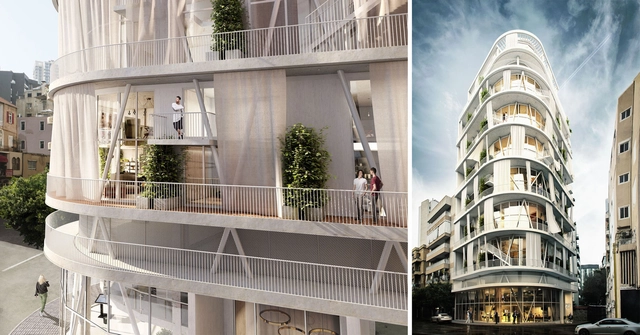
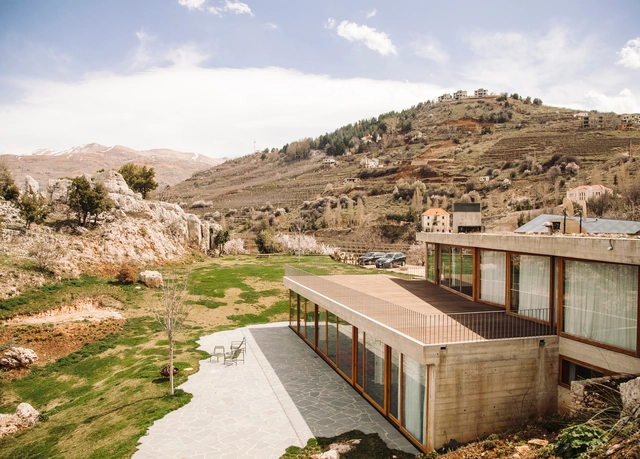
Lebanon is known for its millenary culture, and Lebanese architects are a part of it, using their projects to communicate with the environment and with the current challenges in architecture. To celebrate Lebanon’s Independence Day on 22 November, we have selected seven offices to learn more about contemporary Lebanese architecture.
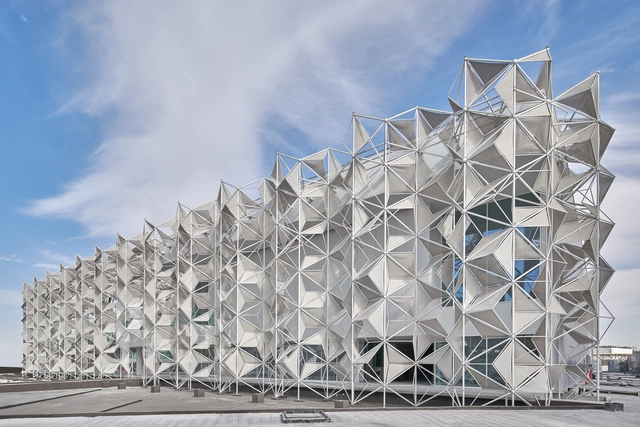
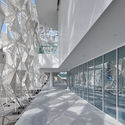
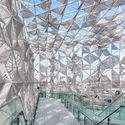
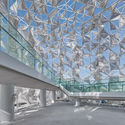
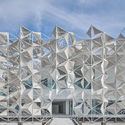
Centred around the theme of connection, Japan's Pavilion for Expo 2020 Dubai unfolds a geometrical 3D lattice inspired by the commonalities of traditional Japanese and Arabic patterns. Designed by Yuko Nagayama and Associates, the project uncovers through different architectural means the cultural similarities between Japan and the Middle East.
While in a lot of countries around the world, the construction, architecture, engineering, and urban planning sectors, are still reserved for men, initiatives that empower women in these fields are surfacing everywhere around the globe. Playing a huge role in the integration of female power into these disciplines, these movements take on many forms such as organizations, websites, platforms, etc. working with professionals, artisans, and workers.
From providing skills, connecting outstanding females, ensuring exposure, and promoting the works of pioneers, these initiatives have the common purpose of encouraging women to have an impact on their built environment.
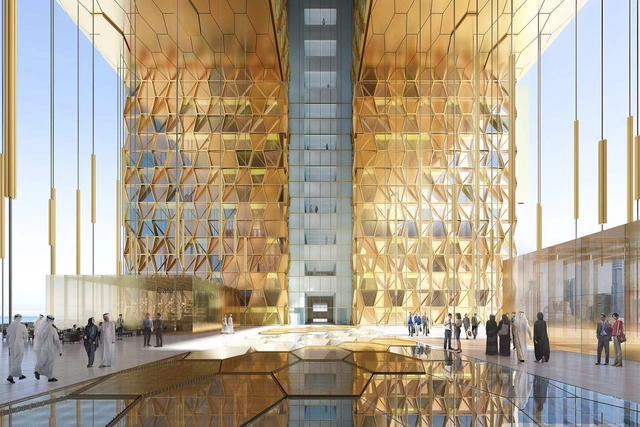
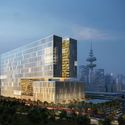
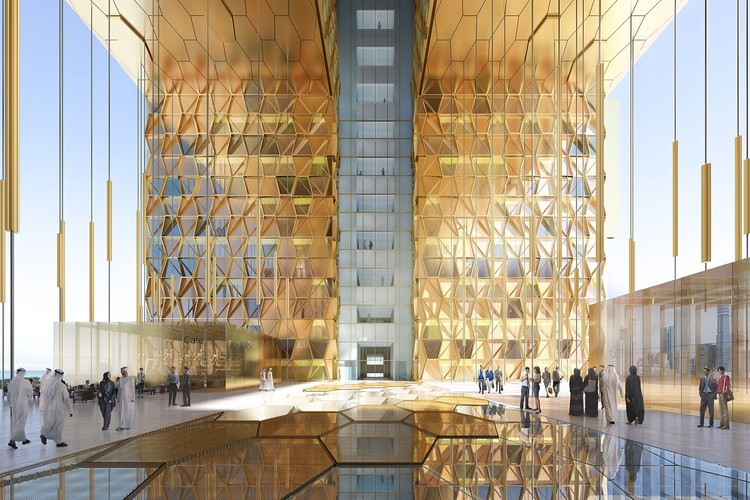
The new Palace of Justice in Kuwait by PACE is currently under construction. Al-Diwan Al-Amiri plans for the project to include a 25-story building with 123 courtrooms, as well as both automated and conventional parking for 3000 cars. The Palace is designed to be a "symbol of fairness and integrity" for Kuwait.
Warchée is an organization that has the purpose of integrating women into the construction field. Born from the observation that in a rapidly urbanizing world, particularly in the Middle East, women are still excluded from certain professions, the NGO, founded by Anastasia Elrouss, aims to create an all-inclusive and evolving world.
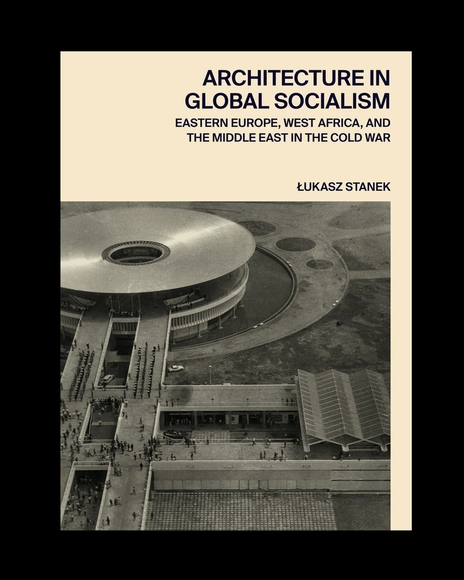
Cover of Architecture in Global Socialism by Łukasz Stanek, Princeton University Press, 2020.
In the course of the Cold War, architects, planners, and construction companies from socialist Eastern Europe engaged in a vibrant collaboration with those in West Africa and the Middle East in order to bring modernization to the developing world. Architecture in Global Socialism shows how their collaboration reshaped five cities in the Global South: Accra, Lagos, Baghdad, Abu Dhabi, and Kuwait City.
Dr Michael Toler receiveing the prize on behlaf of the Aga Khan Documentation Center @ MIT at the 2018 Tamayouz Excellence Award's Annual Ceremony.
The Mohamed Makiya Prize is part of Tamayouz Excellence Award's programme that champions and celebrates the best of architecture in the Middle East and North Africa. Every cycle, the prize is presented to the 'Architectural Personality of the Year', or the individual/organisation that has made the greatest contribution towards the advancement of architecture in a specific period. The winner will be celebrated during the annual Tamayouz Excellence Award Ceremony.
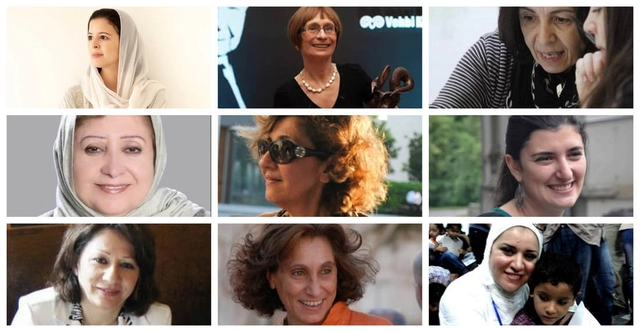
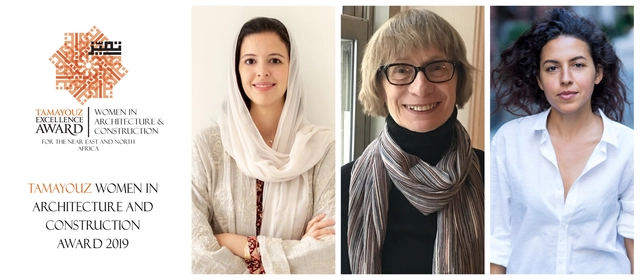
Previous winners of Tamayouz's Women in Architecture and Construction Award
The Tamayouz Women in Architecture and Construction Award is an excellence award for women who have contributed to the fields of architecture and construction throughout the Near East and North Africa. The award consists of two categories:
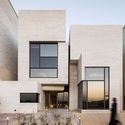
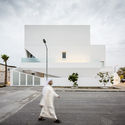
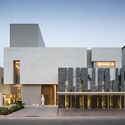
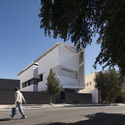
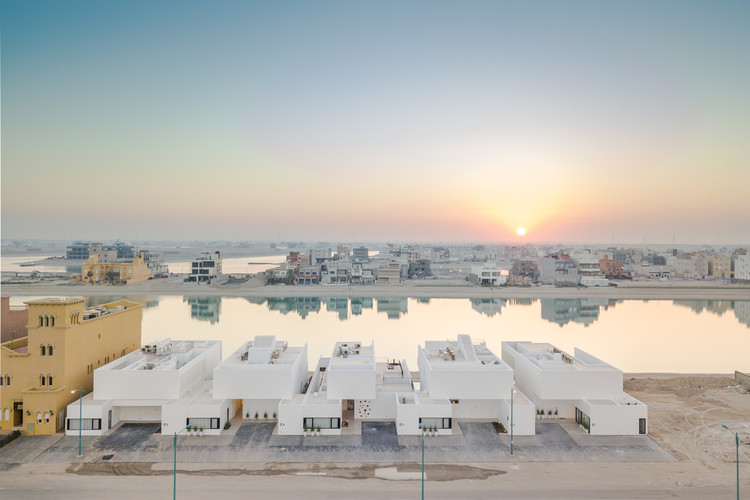
Modern architecture is tied to cultural history. In Kuwait, the country’s built environment and housing has been reshaped by larger economic and cultural movements. After the discovery of oil, the country experienced economic growth that drove development across diverse markets and transformed how citizens live today.
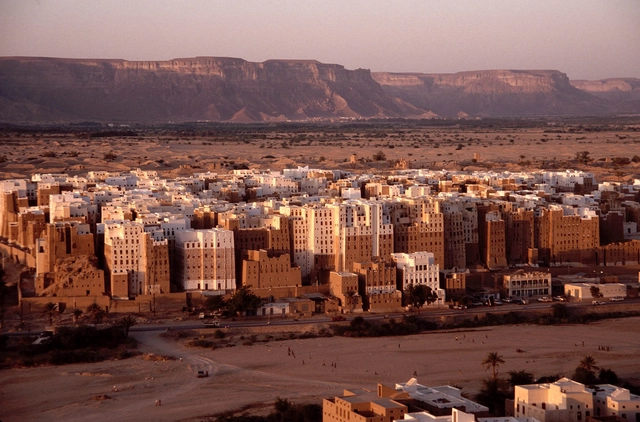
Walking through narrow chaotic alleys dwarfed by soaring towers, few would estimate the age of Yemen's city of Shibam at nearly 1,700 years. Located in Yemen's central Hadhramaut district, Shibam has roots in the pre-Islamic period, and evidence of construction dating from the 9th century.
Shibam is known as the first city on earth with a vertical masterplan. A protected UNESCO World Heritage Site since 1982, the city is home to densely packed buildings ranging from four to eight storeys, beginning in 300 AD but now mostly built after 1532. Thanks to a fortified ring wall, the city has survived nearly two thousand years despite its precarious position adjacent to the wadi floodplain.
Enter the ancient walled world of Shibam after the break
Courtesy of 2019 Tamayouz Women in Architecture and Construction Award
The Tamayouz Excellence Award revealed the winners of its Women in Architecture and Construction Award 2019, a prize that honors the achievements of female architects in the Near East and North Africa, under 2 categories: Rising Star and Woman of Outstanding Achievement.
Jonathan Ben David of the Israel Institute of Technology has created a thesis project titled “Terra Nullius” which dwells on the identities and conceptual restraints dividing people in the Middle East. Suggesting alternative concepts, frames of mind, and mediums for which different social groups can gather upon, the thesis takes place off the coast of Jaffa, once an epicenter of Palestinian urbanism, where a new state is formed as an act of protest by Jews and Palestinians longing for co-existence.
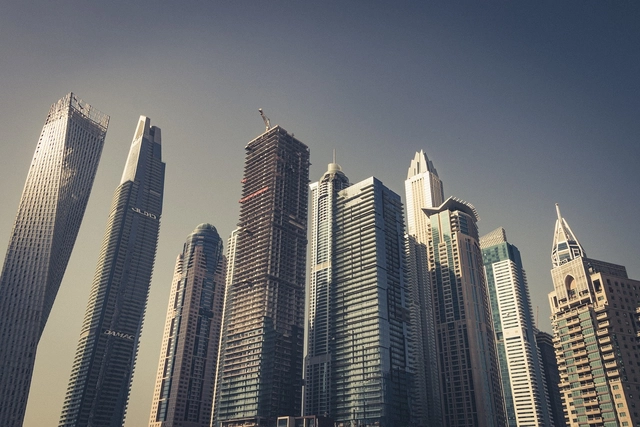
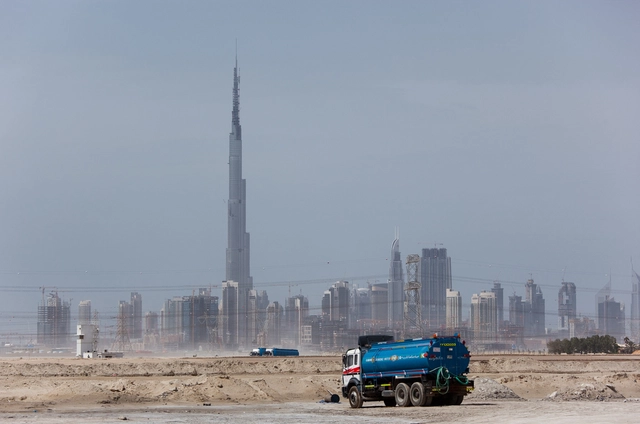
In the past three decades, Dubai has grown from a dusty desert town to a strategic hub for international business and tourism. As a result, several cities in the developing world have been competing to outdo one another in the race to replicate this development model—an urbanism largely built around the automobile, luxury villas, gleaming skyscrapers, massive shopping malls, and ambitious “smart” cities, designed and built from scratch. Across Africa, these new developments go by different names: Eko Atlantic City Nigeria, Vision City in Rwanda, Ebene Cyber City in Mauritius; Konza Technology City in Kenya; Safari City in Tanzania; Le Cite du Fleuve in DR Congo, and several others. All are mimicries of Dubai.
https://www.archdaily.com/910933/what-urban-africa-needs-to-learn-from-dubaiKatherine Allen
It is, once again, the time of year where we look towards the future to define the goals and approaches that we will take for our careers throughout the upcoming year. To help the millions of architects who visit ArchDaily every day from all over the world, we compiled a list of the most popular ideas of 2018, which will continue to be developed and consolidated throughout 2019.
Over 130 million users discovered new references, materials, and tools in 2018 alone, infusing their practice of architecture with the means to improve the quality of life for our cities and built spaces. As users demonstrated certain affinities and/or demonstrated greater interest in particular topics, these emerged as trends.
https://www.archdaily.com/910525/the-trends-that-will-influence-architecture-in-2019Pola Mora
The Council on Tall Buildings and Urban Habitat (CTBUH) has named the initial list of speakers for the 2018 Middle East Conference, Polycentric Cities: The Future of Vertical Urbanism. The list features men and women from some of the most influential businesses in the industry, such as HOK, Safdie Architects, Kohn Pederson Fox, Gensler, Perkins+Will, SOM and many more.
The conference will highlight a wide array of subjects and disciplines related to the conference theme, as well as other hot topics in the industry, including smart technologies, modular construction, 3D-printing buildings, net-zeroskyscrapers and much more.
Read on for more about Polycentric Cities and the initial list of speakers.
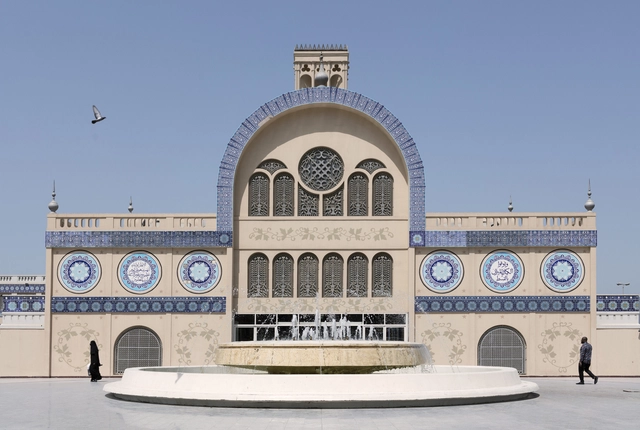
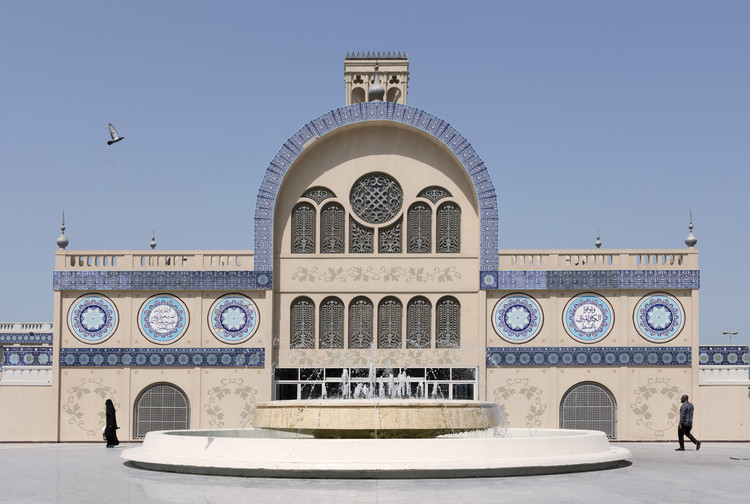
The Sharjah Architecture Triennial will open in November 2019 as "the first major platform for dialogue on architecture and urbanism in the Middle East, North Africa, East Africa and South Asia." Curator Adrian Lahoud has announced the theme of the Triennial as the Rights of Future Generations, aiming to fundamentally challenge traditional ideas about architecture and introduce new ways of thinking that veer from current Western-centric discourse.
Beirut has seen an influx of wealth into the area ever since the end of the Lebanese Civil War in 1990. Large-scale developments and designer architecture from Herzog & de Meuron, Snøhetta and David Adjaye have been popping up throughout the capital, much like its Middle Eastern neighbors. Retro67 by Andrea Vattovani Architecture, together with local architects Plan Bee Architecture, will celebrate the appearance of the old town of Beirut and reinterpret the traditional stylistic elements with the modern flair that is becoming the city’s favored style.
via Flickr User Utsav Verma. Licensed under Attribution-NonCommercial 2.0 Generic (CC BY-NC 2.0).
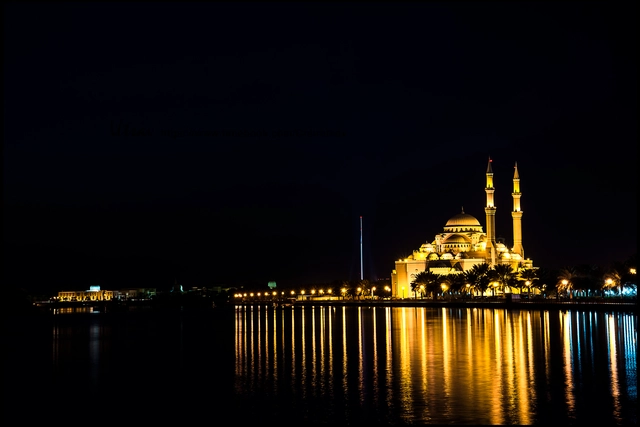
Foster + Partners have announced plans for the redevelopment of a major landfill site in Sharjah, UAE, belonging to Bee’ah – the foremost environmental energy and waste management company in the Middle East since 2007. Upon Sharjah reaching its “zero waste to landfill” target by 2020, the site is set for redundancy, sparking a proposed sustainable masterplan as an example of a circular economy and a reflection of Bee’ah’s vision of clean energy and sustainable innovation.
“We believe that this vision, as interpreted through our masterplan, represents a wonderful opportunity to demonstrate just what can be achieved at sites like this which feature in every industrialized nation on the planet,” expressed Giles Robinson, Senior Partner at Foster + Partners. “The project will also serve to further showcase Bee’ah’s waste management center as a place where innovation, environmental best practice, and good design take center stage.”
https://www.archdaily.com/875062/foster-plus-partners-to-transform-major-landfill-site-into-sustainable-innovation-hub-in-sharjahOsman Bari















.jpg?1548884950&format=webp&width=640&height=580)