

-
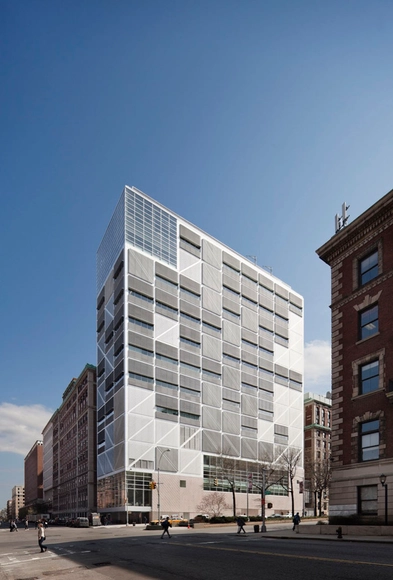
Architects: Andrew Bartle Architects
- Area: 22000 ft²
- Year: 2014
-
Manufacturers: Circle Redmont

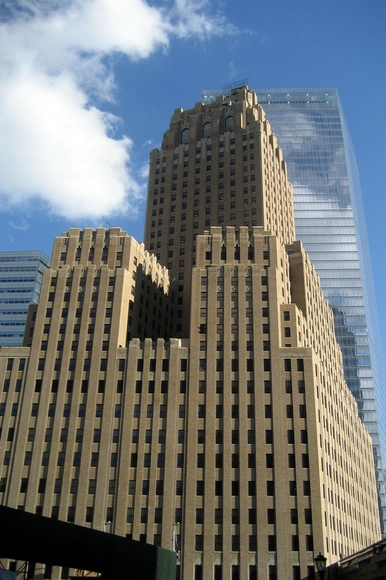
No architect played a greater role in shaping the twentieth century Manhattan skyline than Ralph Thomas Walker, winner of the 1957 AIA Centennial Gold Medal and a man once dubbed “Architect of the Century” by the New York Times. [1] But a late-career ethics scandal involving allegations of stolen contracts by a member of his firm precipitated his retreat from the architecture establishment and his descent into relative obscurity. Only recently has his prolific career been popularly reexamined, spurred by a new monograph and a high-profile exhibit of his work at the eponymous Walker Tower in New York in 2012.

.jpg?1422495864&format=webp&width=640&height=580)
.jpg?1420470712&format=webp&width=640&height=580)
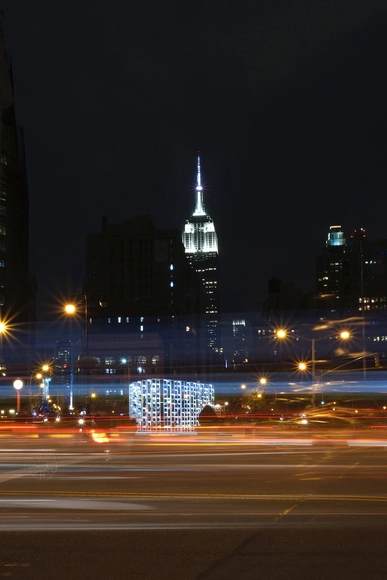
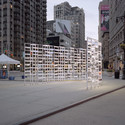
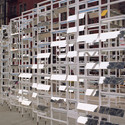
Text description provided by the architects. This holiday season, wedged between two New York City icons - the Flatiron and Empire State building - stands the #NewYorkLight public art installation by Brooklyn-based INABA. A magnificent place to experience the Manhattan grid, the installation frames a unique and uninterrupted view of the skyline due to the clearing of Madison Square Park.



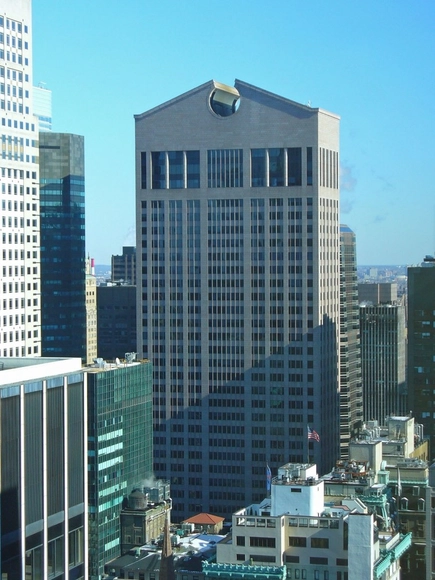
New York City is home to a plethora of Postmodernist designs — from the impressive Sony Tower to the diminuative Central Park Ballplayers' House — but most remain unprotected by traditional heritage registries. The New York City Landmarks Preservation Commission is at the threshold of its 50th anniversary but has yet to recognize the architectural successes of 1970 up to the most recent eligible year for landmarking, 1984. The commission has been unnecessarily slow to recognize Postmodernist structures in New York City, say Paul Makovsky and Michael Gotkin writing for Metropolis Magazine, who argue that the absence of historical recognition for Postmodernism has come at a high cost, citing the recladding of Takashimaya Building on Fifth Avenue as a "wake-up call" for the Commission.

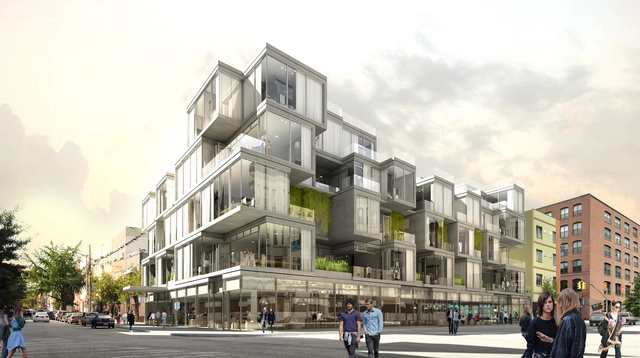
ODA Architecture has shared with us “510 Driggs,” a multi-family residential project that aims to provide residents with the “qualities of a private house” within Brooklyn’s dense urban landscape. Each of the six-story building’s 100 units will be equipped with a large, functional outdoor space and at least two exposures to maximize light and air.

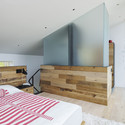
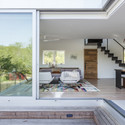
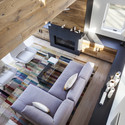
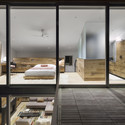



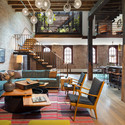
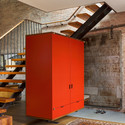
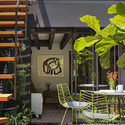

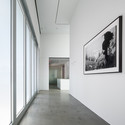

.jpg?1422495926 "© Eric Laignel")
.jpg?1422495857 "© Eric Laignel")
.jpg?1422496336 "© Eric Laignel")
.jpg?1422496262 "© Eric Laignel")
.jpg?1422495864)
.jpg?1420470663 "© Emily Andrews")
.jpg?1420470601 "© Emily Andrews")
.jpg?1420470564 "© Emily Andrews")
.jpg?1420470569 "© Emily Andrews")
.jpg?1420470712)
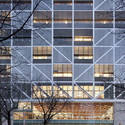




















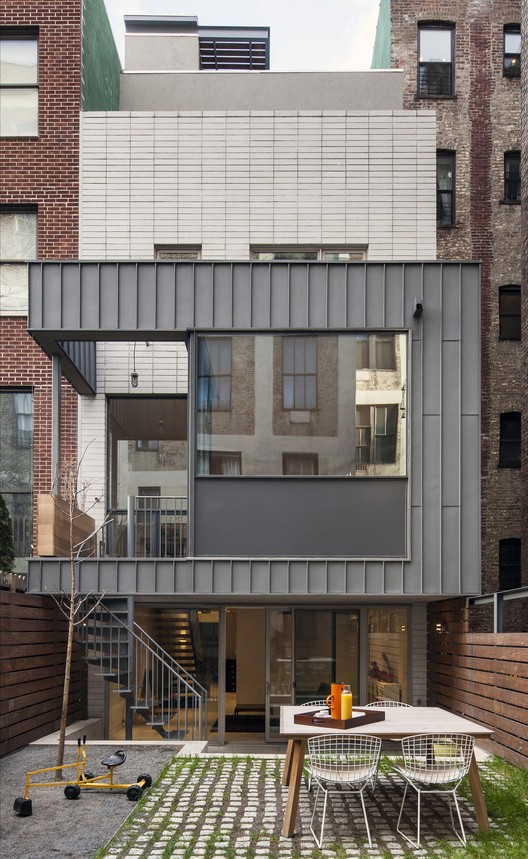



.jpg?1413546606 "Detail of the interior courtyard façade. Image © Field Condition")
