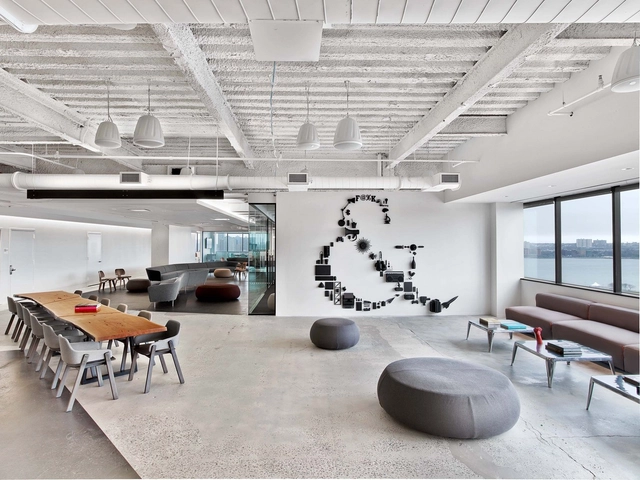


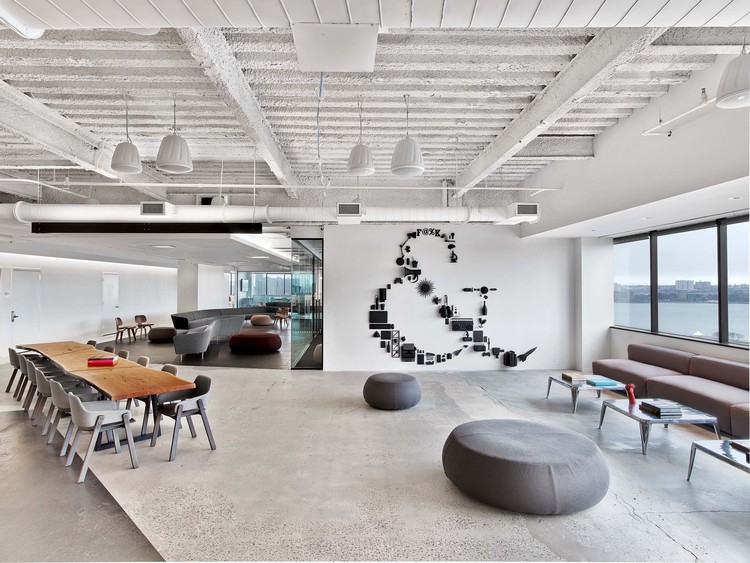
-
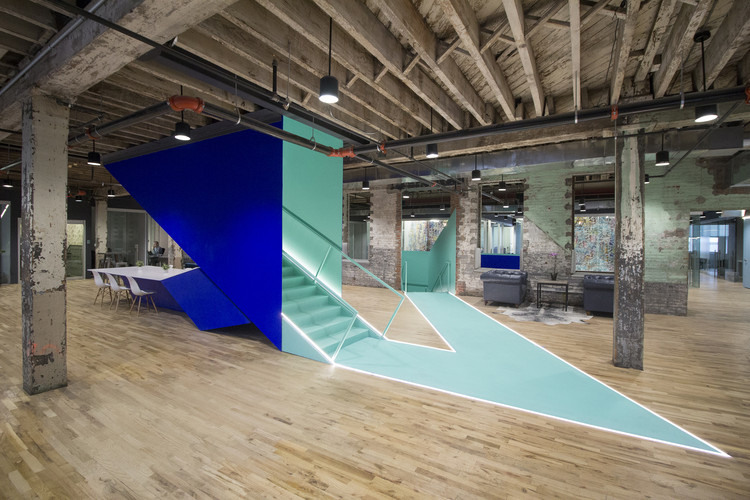
Architects: M Moser Associates
- Area: 44200 ft²
- Year: 2016
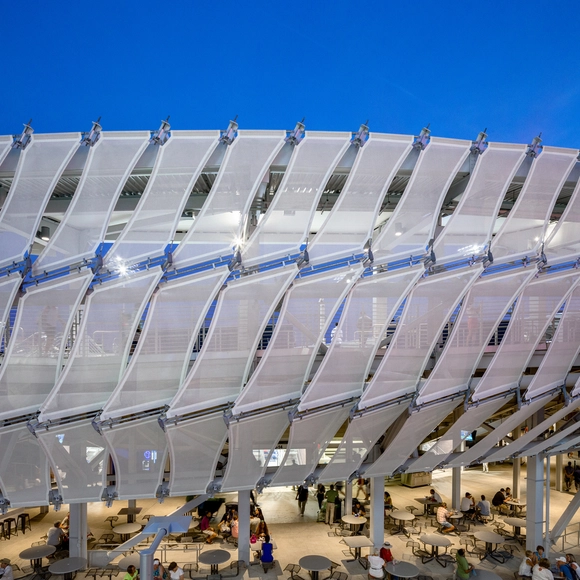

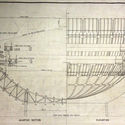
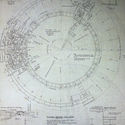
With the onset of the Great Depression in the 1930s, the great World’s Fairs that had been held around the globe since the Crystal Palace Exhibition of 1851 lost much of their momentum. With the specter of another global conflict looming like a stormcloud on the horizon in the latter half of the decade, prospects for the future only grew darker. It was in this air of uncertainty and fear that the gleaming white Trylon and Perisphere of the 1939 New York World’s Fair made their debuts, the centerpiece of an exhibition that presented a vision of hope for things to come.

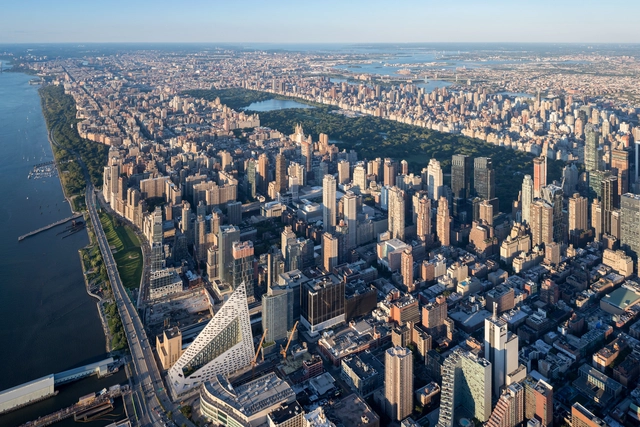
Description via Amazon. These 200 images show you the spectacular views from hundreds of New York City’s finest residences. Everyone loves an amazing view, and some pay millions for a property with views across Central Park, the East River, the Hudson River, or the Midtown skyline. In the jungle of glass, stone, and steel that is New York City, it is impossible to overstate the value of an incredible view. Tauber, a Manhattan-based independent photographer, shot these images over the last decade while shooting New York City’s finest properties for real estate firms, architects, interior designers, developers, and magazines. This collection reflects the shimmering pull of New York City views through the seasons, from morning light over Central Park to twilight over the Hudson.
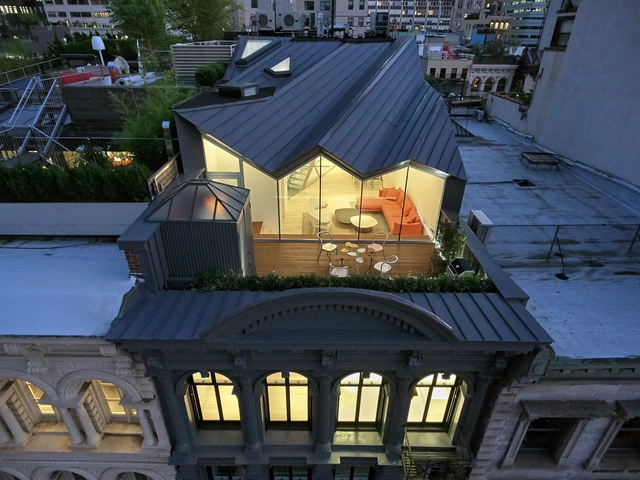

Never Built New York shows us the visionary architectural ideas of the city's greatest dreamers across two centuries of New York City history. Nearly 200 proposals spanning 200 years encompass bridges, skyscrapers, master plans, parks, transit schemes, amusements, airports, plans to fill in rivers and extend Manhattan, and much more.
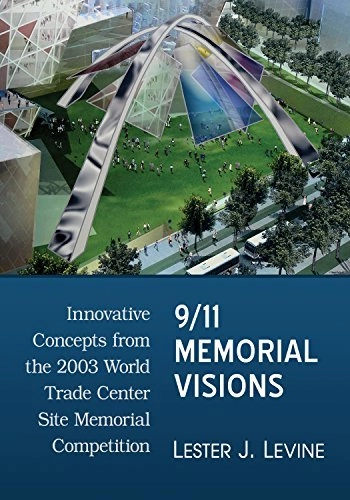
Description via Amazon. More than a billion people watched the 9/11 World Trade Center destruction unfold on television, making it the greatest shared event in world history. Reflecting this fact, the 2003 World Trade Center Memorial Design Competition was open to anyone, drawing 5,201 entries from 60 countries, all of which were posted online.
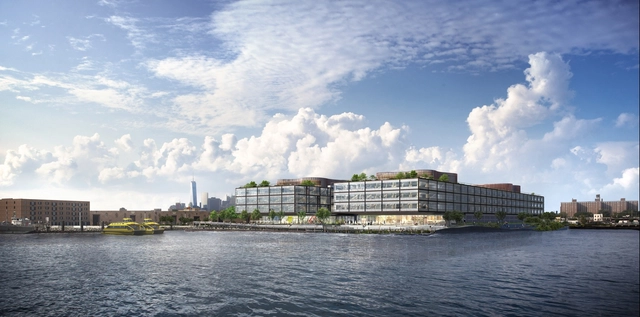
Foster + Partners has designed a mammoth, mixed-use complex on the Brooklyn waterfront in Red Hook, with 600,000 square feet (55,700 square meters) of offices and 23,000 square feet (2,100 square meters) of retail space and restaurants. Located on a former industrial site, the buildings will provide flexible open floor plans of up to 100,000 square feet (9,300 square meters). The facility is intended to build on a dramatic growth in technology companies in Brooklyn, creating an office environment that is open and collaborative, reflecting a style that is de rigueur in the tech-sector.
This article was originally published on Metropolis Magazine as "Citizen Bridge, NYC's First Floating Bridge, Reaches Kickstarter Goal."
Governors Island is a small, pedestrian-only island to the south of Manhattan and to the west of Brooklyn. It’s just across from Red Hook, the Brooklyn neighborhood known to many a Manhattanite as the home of New York’s only Ikea. To get there, you have to take the East River Ferry—that’s the only option. No subway, no bus, no rail. But it wasn’t always that way.
Nancy Nowacek is a Red Hook-based artist whose vision, since 2012, has been to create an alternative way to reach this backyard of New York City. She has always had a close relationship with the waterfront, but many, she suggests, do not. “It’s really hard to get to the water’s edge from most points inland,” she says. “It’s not a part of the New York that the kids in my building...live in, nor many others who live a few miles away geographically, but experientially are a world away.”

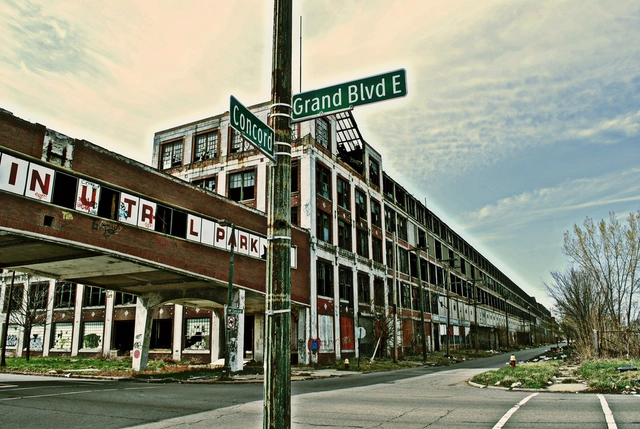
Detroit Resists has released a statement questioning the ambition of the US Pavilion’s “The Architectural Imagination” exhibition at the 2016 Venice Biennale. The exhibition consists of twelve teams of designers who will present newly speculative projects that can be applied not only to various sites in Detroit, but also to other cities around the world. Yet while the exhibition aims to understand Detroit’s political, social, economic, and environmental context so that “the power of architecture” can be of service to the community of Detroit, Detroit Resists’ statement claims that in the past this “architectural power” has been indifferent to the political context.
“This architectural power has been manifestly apparent in architecture’s recruitments against indigenous, impoverished, marginalized, and precarious communities across the globe, usually in the name of “development” or “modernization” in the second half of the 20th century,” reads the statement.