
Hangzhou: The Latest Architecture and News
Chun’an Distillery / PRA
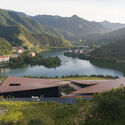
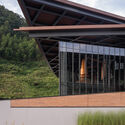
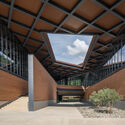
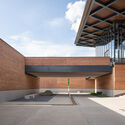
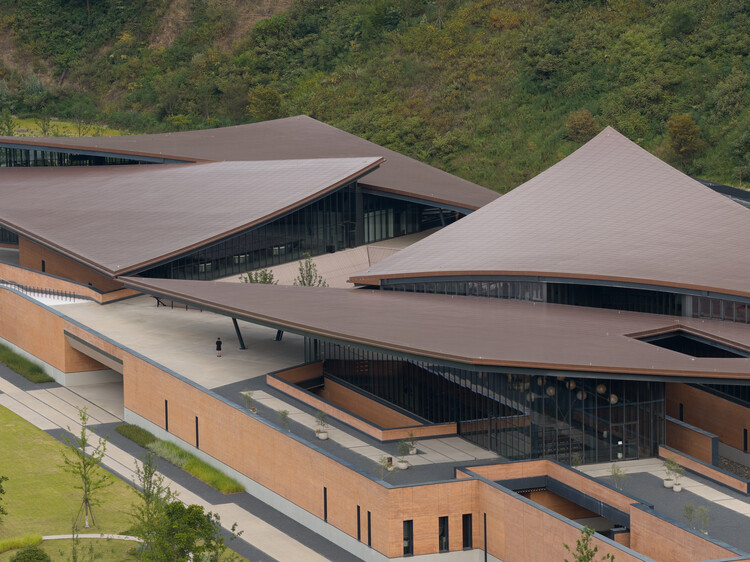
https://www.archdaily.com/1186996/chunan-distillery-praXiaoyin Kuang
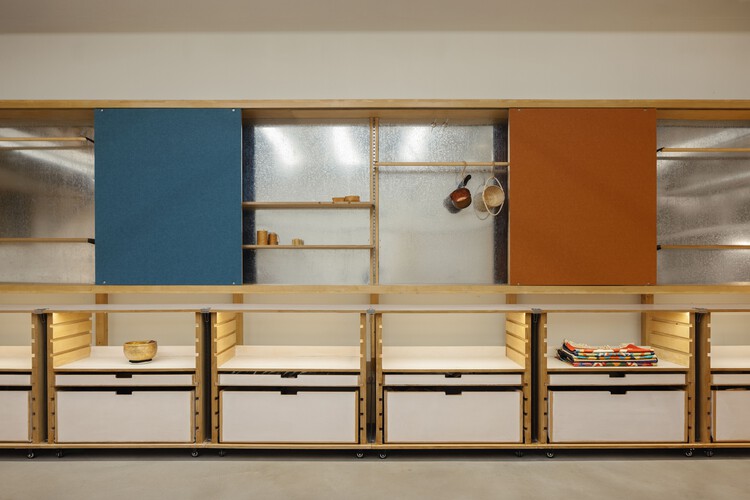
7th door Hangzhou Restaurant / Chakchak Studio



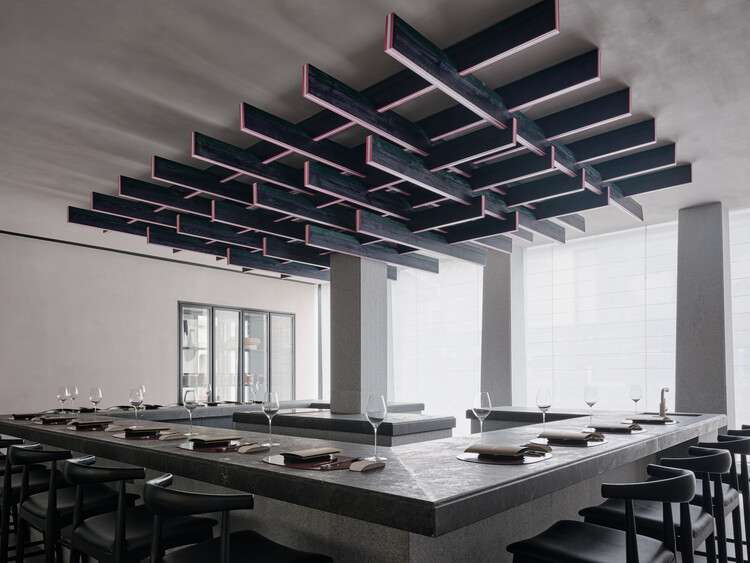
-
Architects: Chakchak Studio
- Area: 150 m²
- Year: 2025
https://www.archdaily.com/1186809/7th-door-hangzhou-chakchak-studioMiwa Negoro
Yuelang Road Block Comprehensive Quality Enhancement / TJAD Original Design Studio



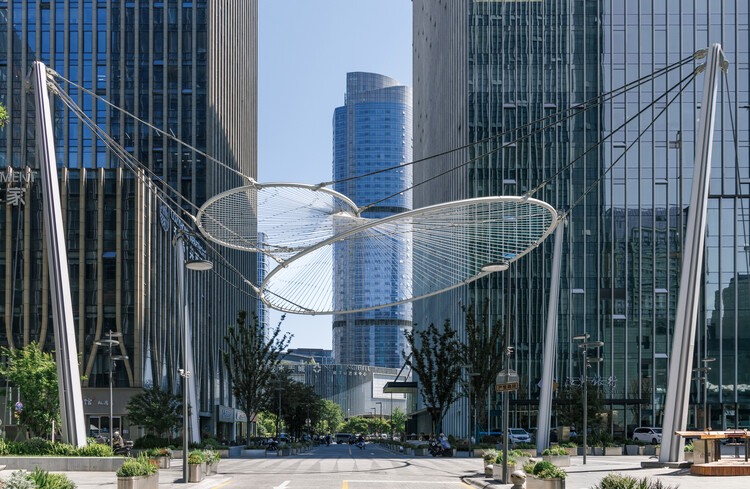
-
Architects: TJAD Original Design Studio
- Area: 69900 m²
- Year: 2025
https://www.archdaily.com/1185737/yuelang-road-block-comprehensive-quality-enhancement-tjad-original-design-studio韩爽 - HAN Shuang
Greentown ThinkWorks / LYCS Architecture + GLA

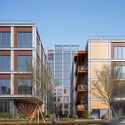
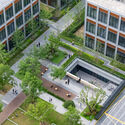
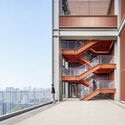
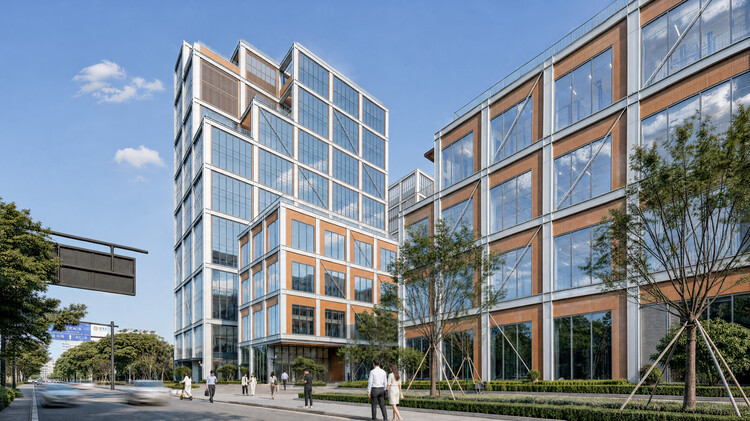
-
Architects: GLA, LYCS Architecture
- Area: 75859 m²
- Year: 2026
https://www.archdaily.com/1184224/greentown-thinkworks-lycs-architecture韩爽 - HAN Shuang
Ouse Fashion Lobby / say architects

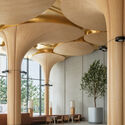
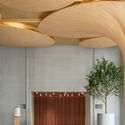
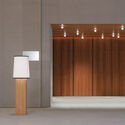
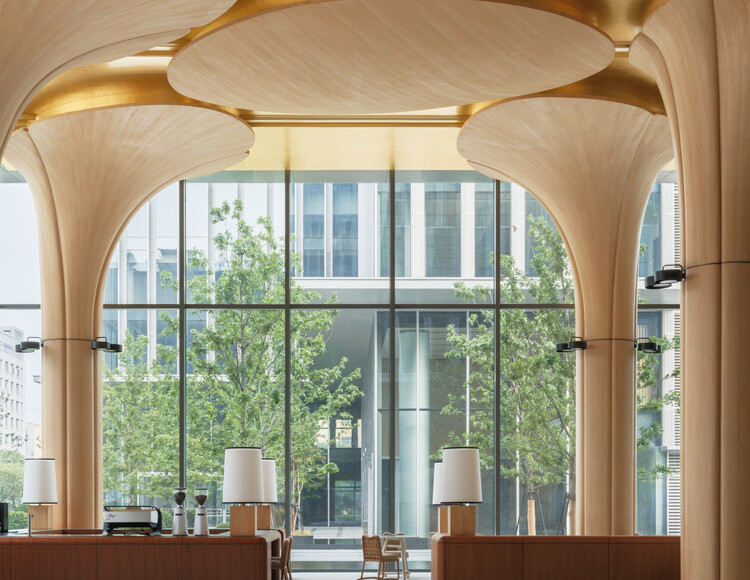
-
Interior Designers: say architects
- Area: 660 m²
- Year: 2026
https://www.archdaily.com/1183656/ouse-fashion-lobby-say-architects韩爽 - HAN Shuang
WeDoctor Green Valley / gad



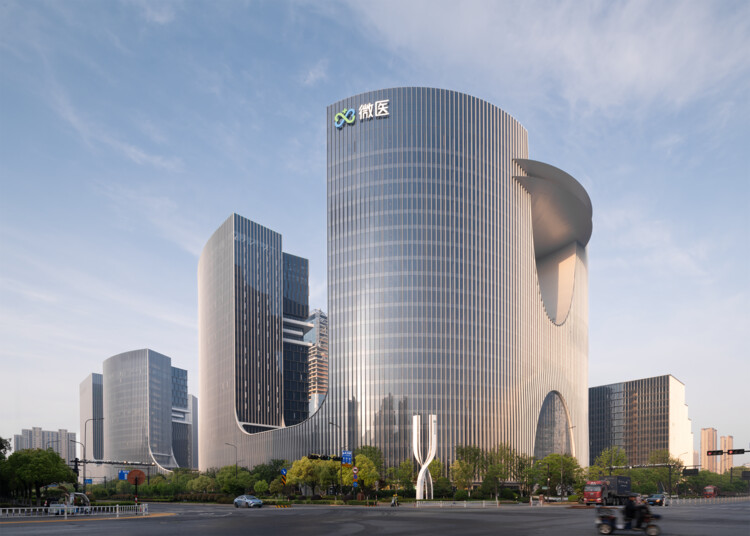
https://www.archdaily.com/1183411/wedoctor-green-valley-gad韩爽 - HAN Shuang
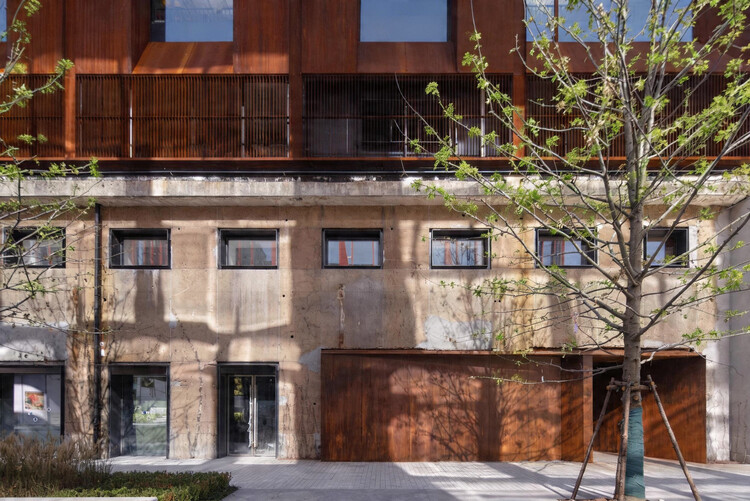
Hangzhou LOFT49 Regeneration / line+ studio

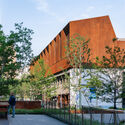
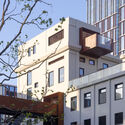
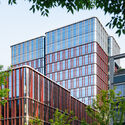
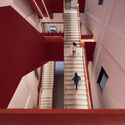
-
Architects: line+ studio
- Area: 95901 m²
- Year: 2025
https://www.archdaily.com/1148709/hangzhou-loft49-regeneration-line-plus-studio韩爽 - HAN Shuang
Westlake 66 Mixed Use Complex / KPF

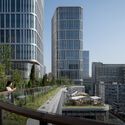
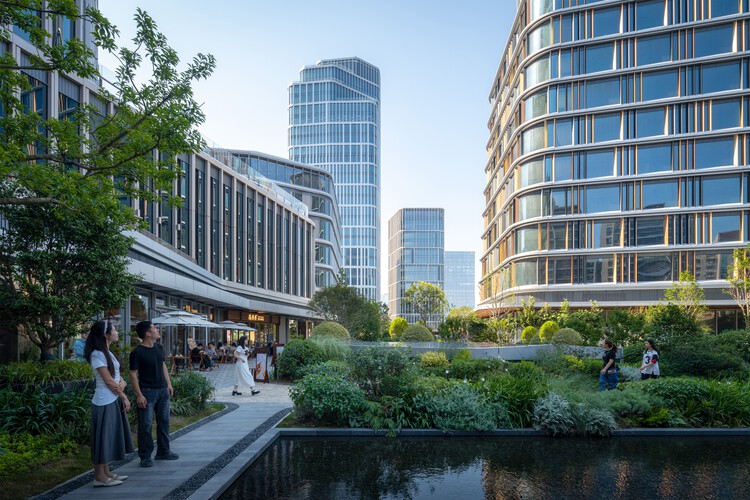
https://www.archdaily.com/1148690/westlake-66-kpfNana Dokua
Spatial Renewal and Scene Stitching of Birland Food Court / Atelier Diving Bell

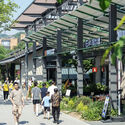
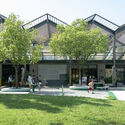
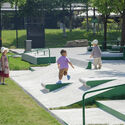
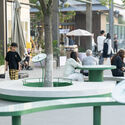
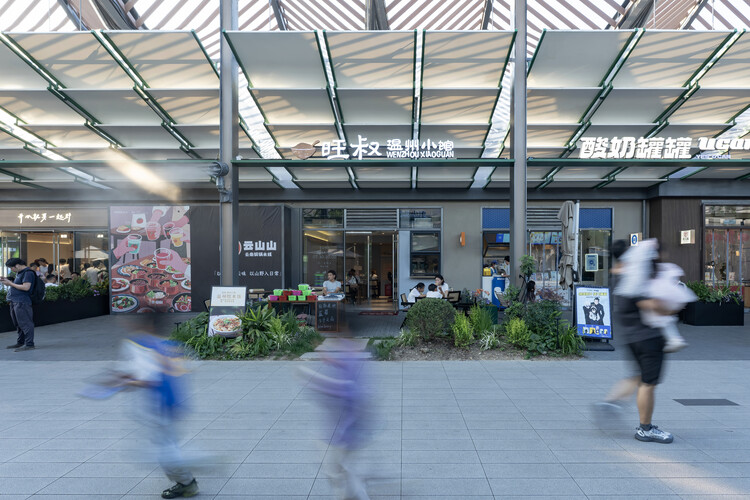
-
Architects: Atelier Diving Bell
- Area: 1400 m²
- Year: 2026
https://www.archdaily.com/1042922/spatial-renewal-and-scene-stitching-of-birland-food-court-parallect-design-plus-atelier-diving-bell韩爽 - HAN Shuang
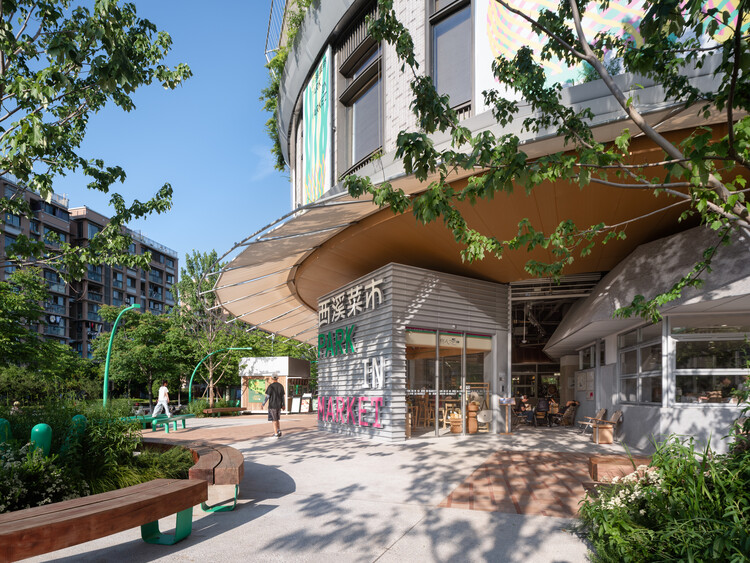
Park in Market / Office Canopy of Architecture

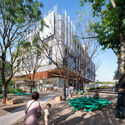
-
Architects: Office Canopy of Architecture
- Area: 4053 m²
- Year: 2025
https://www.archdaily.com/1042581/park-in-market-office-canopy-of-architectureAndreas Luco
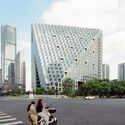
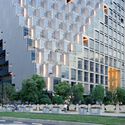
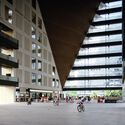
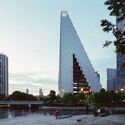
Hangzhou Prism / OMA

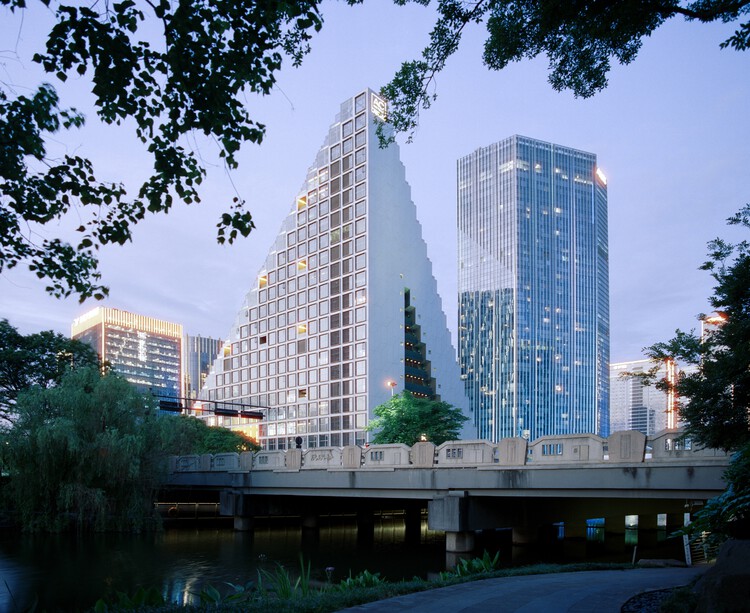
-
Architects: OMA
- Area: 43000 m²
- Year: 2026
-
Professionals: Open Structural Design Co., Ltd., MJP M&E Consultant, VS-A. HK Ltd., BPI, IPD
https://www.archdaily.com/1042657/hangzhou-prism-omaMiwa Negoro
OMA Completes Hangzhou Prism Mixed-Use Development in China's Future Tech City

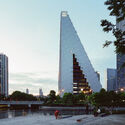
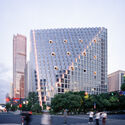
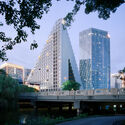
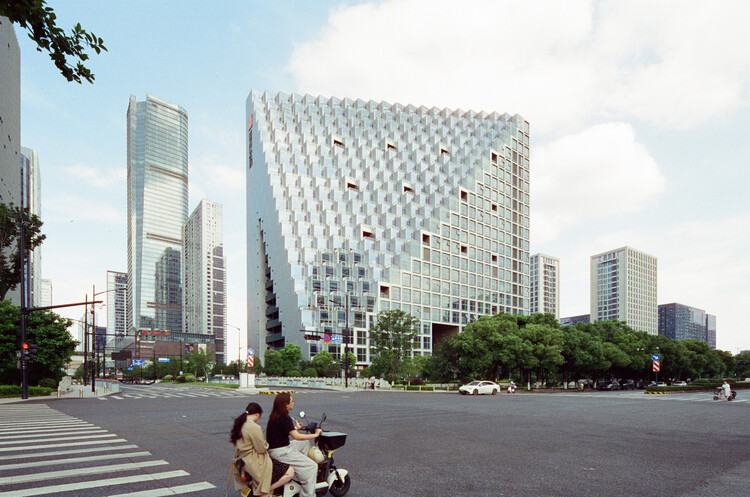
OMA has completed the Hangzhou Prism, a large-scale mixed-use development in Hangzhou's Future Tech City district, China, following a design and development process that began in 2016. Commissioned by Xinhu Real Estate Group and led by OMA Partner Chris van Duijn, with Michael Hadjistyllis serving as project architect, the project combines residential units, a hotel, offices, commercial spaces, and public amenities within a single building volume. Marking OMA's first completed project in Hangzhou, the development occupies a central site within one of the city's emerging innovation and business districts.
https://www.archdaily.com/1042293/oma-completes-hangzhou-prism-mixed-use-development-in-chinas-future-tech-cityReyyan Dogan
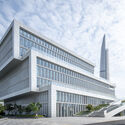
The Westlake University Library / UAD

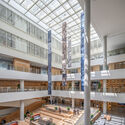
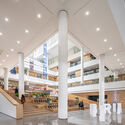
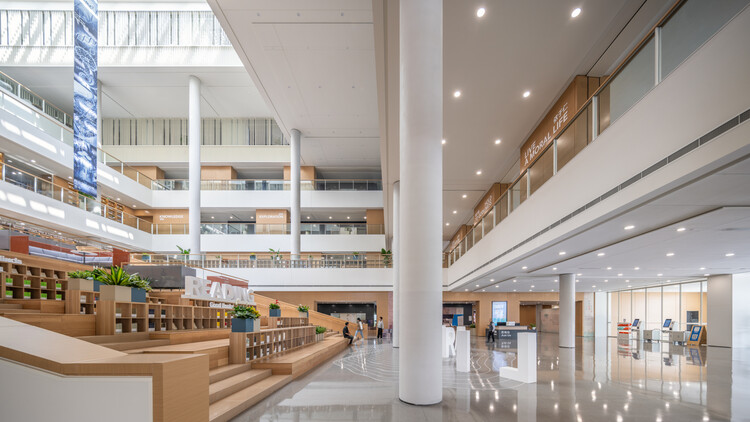
https://www.archdaily.com/1041729/the-westlake-university-library-uadValeria Silva
The Linping Fintech Tower / CUC

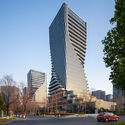
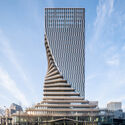
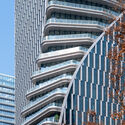
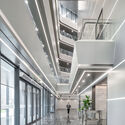
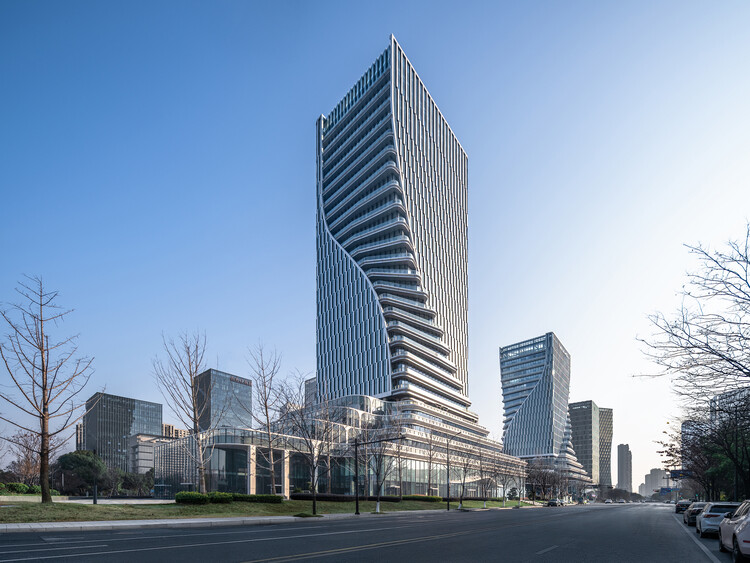
https://www.archdaily.com/1041610/the-linping-fintech-tower-cuc-star-zoyo韩爽 - HAN Shuang
Houses of Stealth (Tonglu Senbo Resort) / SpActrum


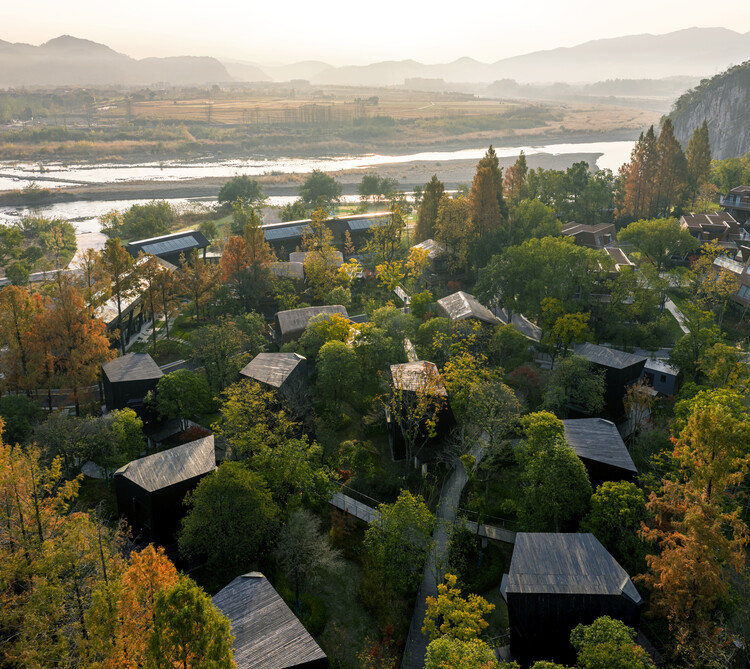
https://www.archdaily.com/1040505/houses-of-stealth-tonglu-senbo-resort-spactrumPilar Caballero

Heritage Transformations, New Capital Cities, and Residential Innovations: This Week’s Review

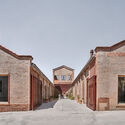
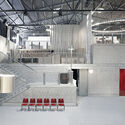
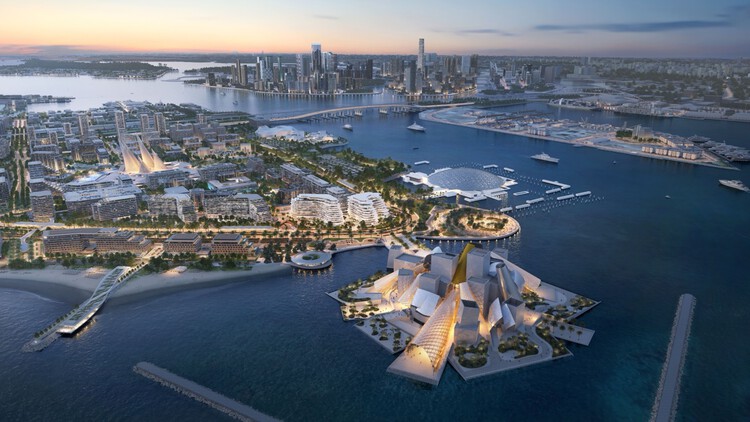
This week's news landscape brought together diverse approaches to built and cultural heritage, ranging from the design of a Museum of Jesus' Baptism at a UNESCO World Heritage Site in Jordan to major transformations of modern industrial sites and the development of major cultural districts. The World Monuments Fund's support for 21 locally led heritage projects foregrounds conservation strategies that reinforce the role of architecture in safeguarding both material and intangible heritage. Across this week's highlighted projects, adaptive reuse, landscape integration, and the reconfiguration of civic space emerge as recurrent strategies for extending the life and relevance of existing built environments. The projects also reflect broader contemporary concerns, including material research in timber construction, zero-waste urban installations, large-scale residential efficiency, and infrastructure upgrades linked to global events like the Olympic Games. Framing these developments within a wider territorial perspective, discussions on relocating capital cities worldwide offer an example of how geopolitical discourses continue to shape architecture, revealing the evolving relationship between the built environment and structures of power over time.
https://www.archdaily.com/1038729/heritage-transformations-new-capital-cities-and-residential-innovations-this-weeks-reviewAntonia Piñeiro
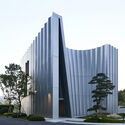
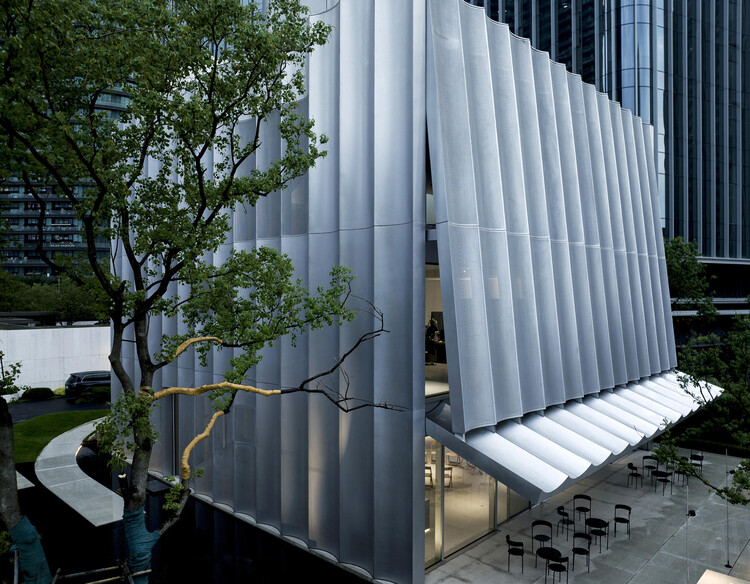
Hangzhou Empathy Museum / TAOA

https://www.archdaily.com/1038429/hangzhou-empathy-museum-taoaPilar Caballero