There was a time when buildings wanted to be mountains, roofs wanted to be forests, and pillars wanted to be trees. As the world began to go into a state of alert with the melting of glaciers and the consequent rise of Earth’s temperature, architecture – from a general perspective – was concerned with imitating the shapes of nature. Something close to human-made “ecosystems”, seen by many as allegoric and decorative, in service of marketable images of “sustainable development”.
As part of the effort to make the construction sector more sustainable in the face of the climate crisis, the bioeconomy has stood out. While the road to net-zero architecture is still very complex, the emerging shift in culture and general thinking is evident, and innovation seems to be driving this transformation.
Extreme natural events are becoming increasingly frequent all over the world. Numerous studies indicate that floods, storms, and sea-level rise could affect more than 800 million people worldwide, ultimately costing cities $1 trillion per year by the middle of the century. This suggests that urban survival depends on addressing urban vulnerability as a matter of urgency to protect the city and the population.
Over the past 60 years, architects and engineers have surrendered to industrial construction solutions, with buildings designed to be built faster and faster and at very low cost.
Over the past 60 years, architects and engineers have surrendered to industrial construction solutions, with buildings designed to be built faster and faster and at very low cost. As a more standardized and cheaper international approach to building emerged throughout the 20th century, many professionals abandoned the vernacular traditions of their ancestral cultures, which were developed over thousands of years, to fight the climatic extremes of different regions.
Agriculture and the food industry seem to have little in common with architecture, but it is precisely the overlap of these three areas that interests Ghanaian-Filipino scientist and architect Mae-ling Lokko, founder of Willow Technologies based in Accra, Ghana. Working with recycling agricultural waste and biopolymer materials, Lokko searches for ways to transform the so-called agrowaste into building materials.
Nature is often used as an inspirational source for architecture. Whether from its shapes, the extraction and use of its materials, or even the incorporation of physical and chemical processes in the technologies used, it is always relevant to look for relations between the built environment and the natural environment. Of the many ecosystems present on planet Earth, the oceans represent most of the surface and hold stories, mystiques, symbols and shapes that can be referenced in architecture.
“And the Lord God planted a garden in Eden, in the east, where He placed the man He had formed. Out of the ground the Lord God gave growth to every tree that is pleasing to the eye and good for food.”
This is how the Garden of Eden is portrayed in the first book of the bible, Genesis, which describes the origin of the universe and the heavenly place where Adam and Eve were placed. Such a paradise, despite being little characterized in the original words, has been inhabiting the imagination of the faithful and other enthusiasts of the matter for centuries. The scenes of this idyllic place, reinforced by the paintings and sculptures created over time, present a landscape considered ideal, an Edenic nature, expressed many times by the vibrant and contourless color – just like a painting by Monet –, probably emphasizing the representation of the spiritual world, where the image is seen through the contrast of colors, shadows and lights.
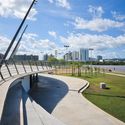
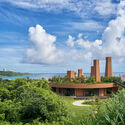
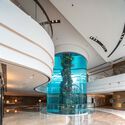
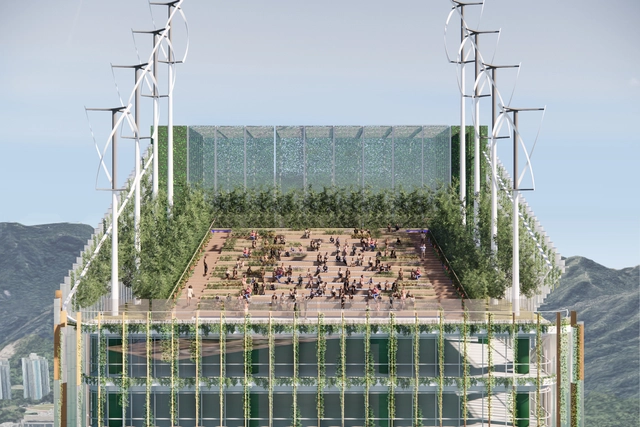
Torre Taikoo Green Ribbon / ARUP. Image Cortesia de Arup
Discussing carbon neutrality in architecture should not only be based on local materials and new technologies, since there are many aspects that impact the construction production chain. From design to construction, without losing sight of the context and economic system of our society, the construction industry is responsible for a considerable part of the energy consumed worldwide. In order to interfere in this reality, it is necessary to expand the fronts of action, questioning the place of construction in our society.
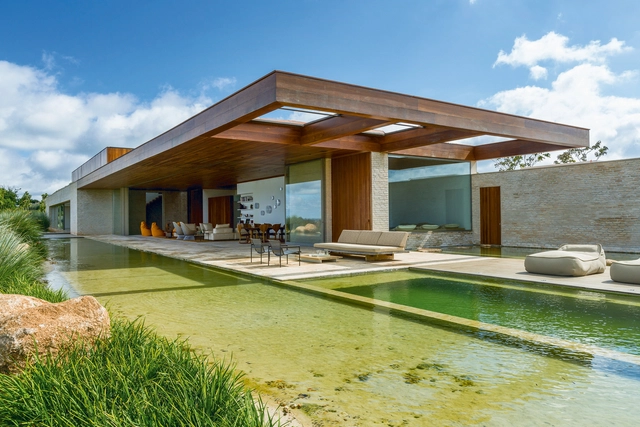
At a time when biophilia is highly valued in architecture, natural pools become another element capable of increasing the connection with nature, enabling the creation of a recreational and contemplative space at the same time. Also known as ecological or biological pools, they reproduce an ecosystem composed of plants, rocks and even some species of fish.
Global Finance's ranking of the world's best cities to live in, during 2022 has just been released. Centered on 8 different parameters that calculate and compare the quality of life of people living in urban areas such as economy, culture, population, environment, etc., this year’s edition also took into consideration Covid-19 deaths per thousand for each country, to reflect the new reality we live in. With data from the Global City Power index, Johns Hopkins University, Statista, and Macrotrends, the list seeks to have a complete vision, putting together traditional metrics with new factors.
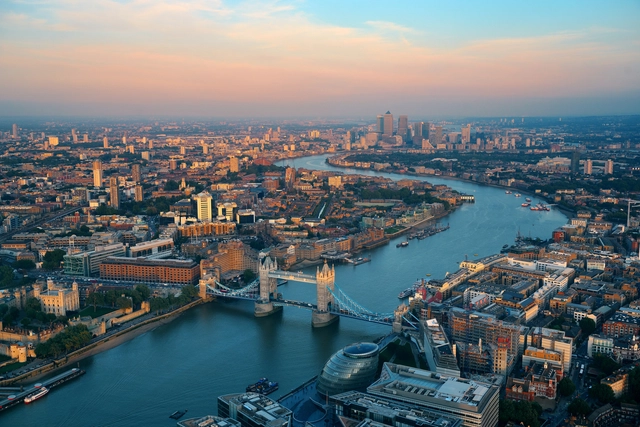
Claiming the first position is London, U.K, a city that although didn’t get high rankings in its Covid-19 metrics, still topped the list, mainly due to its scores in culture, accessibility, and population growth. Tokyo was selected for the second position, showing weakness in one parameter, population, as its numbers have been declining for the past 10 years. Shanghai followed next, in the third position, because of relatively low Covid-19 death figures and strong population growth. Singapore and Melbourne came in 4th and 5th positions.
Nowadays everything is “painted” green. It's green packaging, green technologies, green materials, green cars and, of course, green architecture. A “green wave”, stimulated by the environmental and energy crisis we are facing, with emphasis on climate change and all the consequences linked to global warming. This calamitous situation is confirmed by the second part of the report entitled Climate Change 2022: Impacts, Adaptation and Vulnerability prepared by the Intergovernmental Panel on Climate Change (IPCC) and presented in recent weeks. It reveals that, although adaptation efforts are being observed in all sectors, the progress implemented so far is very low, as the actions taken are not enough.
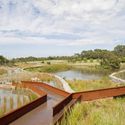
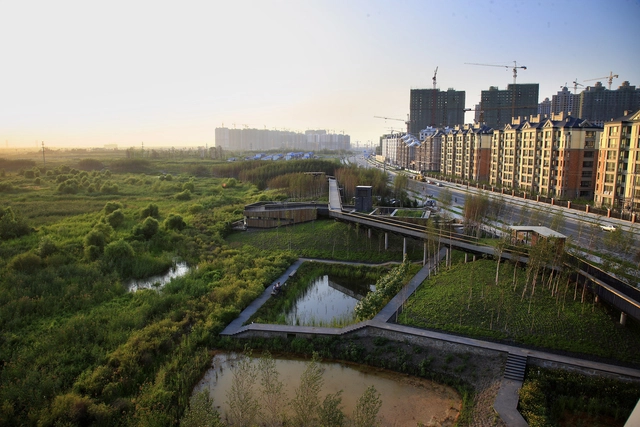
Parque Manancial de Águas Pluviais / Turenscape. Imagem cortesia de Turenscape
According to the architect and researcher Patrícia Akinaga, ecological urbanism emerged at the end of the 20th century as a strategy to create a paradigm shift with regard to the design of cities. With this, urban projects should be designed from the potential and limitations of existing natural resources. Unlike other previous movements, in ecological urbanism architecture is not the structuring element of the city — the landscape itself is. In other words, green areas should not only exist to beautify spaces, but as true engineering artifacts with the potential to dampen, retain and treat rainwater, for example. With ecological urbanism, urban design becomes defined by the natural elements intrinsic to its fabric.
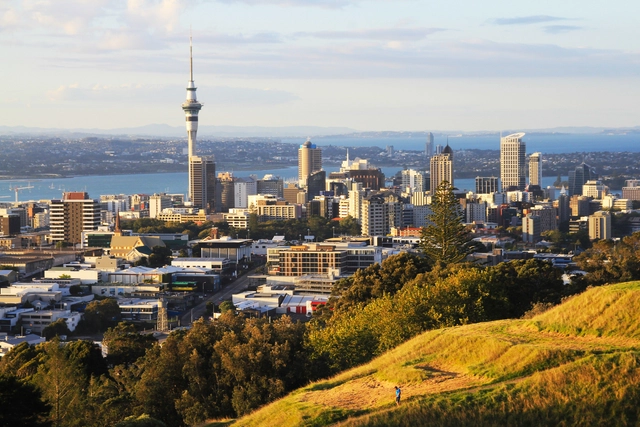
Auckland in New Zealand has topped the ranking in the 2021 EIU's annual world's most liveable city survey. Classifying 140 cities across five categories including stability, healthcare, culture and environment, education, and infrastructure, this year’s edition of the review has been highly affected by the global pandemic. Australia, Japan, and New Zealand took leading positions, while European and Canadian cities fell down the ranking.
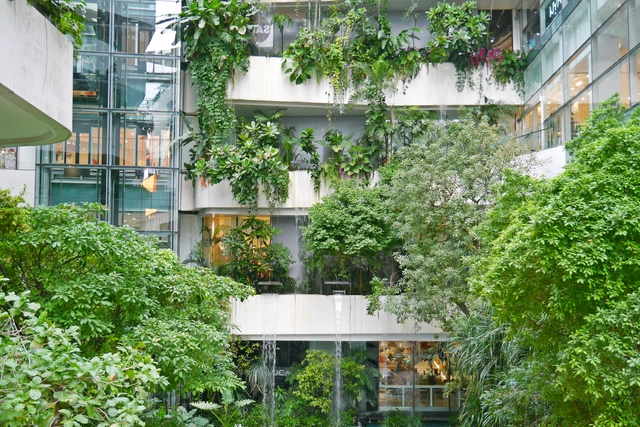
The climate crisis has revealed the poor planning of our cities and the spaces we inhabit. Both construction and projects contribute to high carbon gas emissions. Fortunately, there are several ways to intervene to bring change into this scenario, either through materials and techniques adopted in each initiative or through geographical and social impact. In this scenario, the only certainty is that: to think about the future we cannot ignore the "green" in all its recent meanings from nature to sustainability, and ecology.
The first lockdown brought most of the world to a standstill, and many were quick to point out the silver lining: the significant drop in carbon emissions. However, this pollution reduction was short-lived, and past crises indicate that we might be standing at a crossroads when it comes to our climate goals. What has this unprecedented year meant for the efforts to curb climate change and protect the environment?
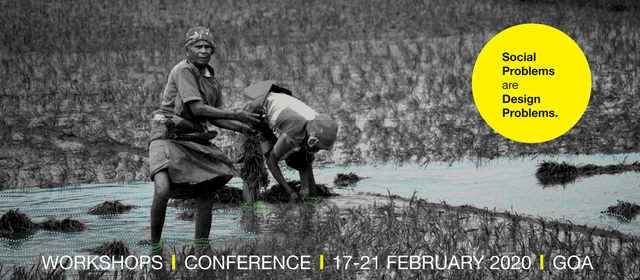
A five-day national festival to seed, incubate and showcase socio-environment design successes. Workshops are three-day hackathons that address design issues in the social realm. Conference as a forum to understand how design can bridge the deficit in the public domain.
Archisource presents ‘Drawing of the Year 2019’. Our first competition celebrating the talent of architecture and design students and young professionals through a single drawing. With four categories to win from, we are celebrating the extensive variety of drawings that are created around the world each year.
Soil is the foundation of the Earth in which we all inhabit. We grow from it, prosper from it, build upon it, pollute it, and dichotomize it. Soil is an organic material providing a sustainable base for life. Yet, polarized as degrading and dirty. How is it that soil can unite nations, yet divide people? What power does it have in cultivating the built environment and defining its boundaries?




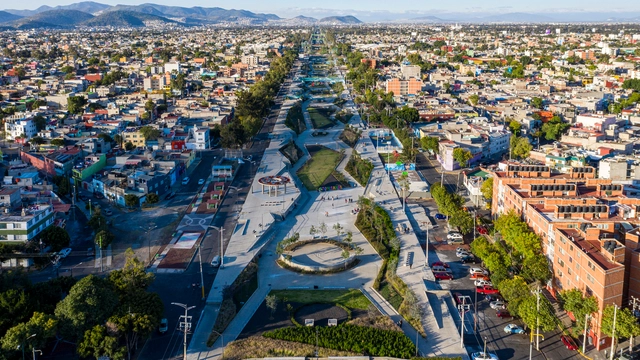


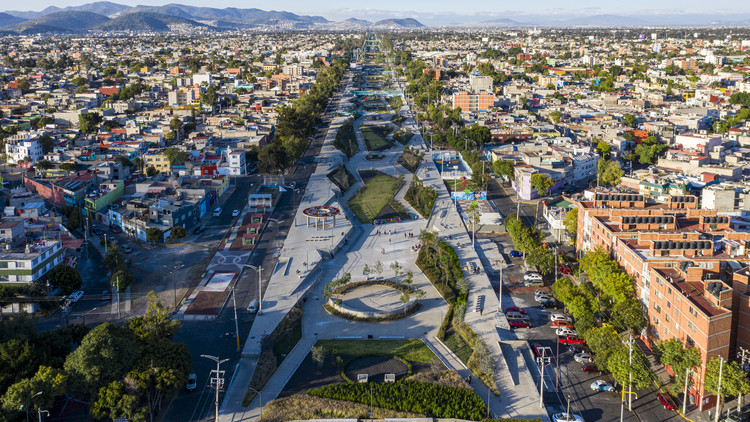


















.jpg?1645660187 "Cidade colombiana transformou 18 ruas e 12 hidrovias em paraísos verdes. Imagem cortesia de CicloVivo")