No matter how long, how far, or how restful a trip away is, one of the most relaxing moments of any vacation is when you get home. When every muscle in the body relaxes as you collapse into your own chair, greeted by the comforting features of a home you didn’t previously realize you missed.
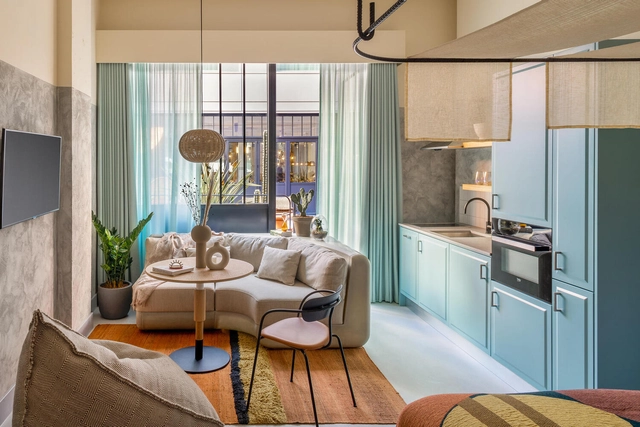
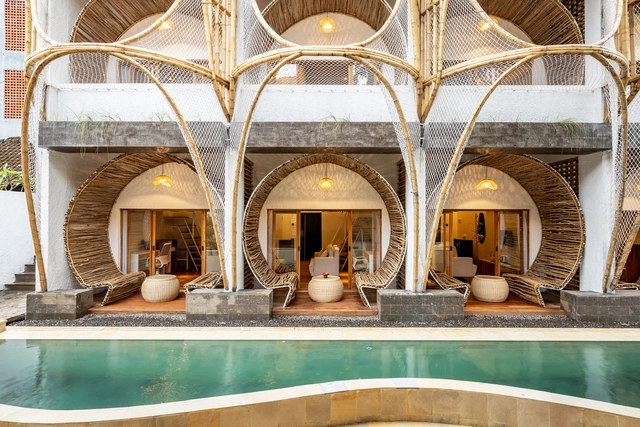
After the rise of Airbnb and other likeminded travel accommodation sites and services, providing real homes –or at least characterful spaces dressed up as them– to travelers searching for more familial home comforts, hoteliers, designers, and architects are taking note, and implementing features that turn the hotel room into a home away from home.
Dramatic societal transformations- such as pandemics and technological advancements - call for dramatic shifts in lifestyles. Architects keep up by exploring and proposing new models of housing, each iteration catering to society’s latest needs. The co-living model is one such example that has become a roaring success over the past few decades. Redefining the way people live, co-living seeks to provide a form of cost-effective social housing. Although widely targeted at younger generations, the co-living industryis evolving to cater to various niche groups.
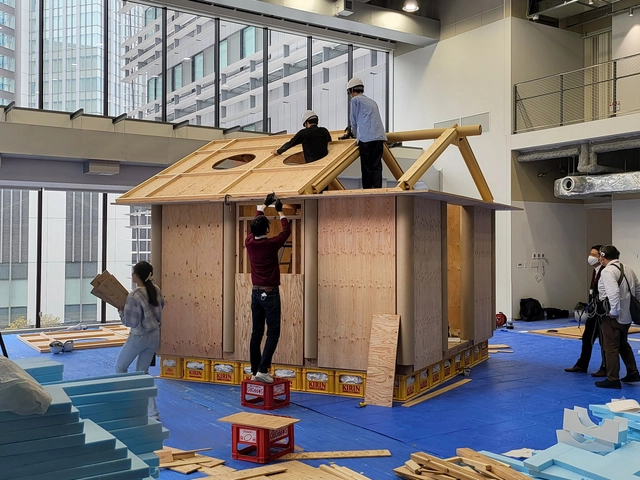
Shigeru Ban Architects, in collaboration with Voluntary Architects’ Network, has developed an improved version of the temporary housing developed to help those affected by the recent Turkey-Syria earthquake. The new prototype represents an upgrade of the paper tube system deployed in northwestern Turkey after the 1999 earthquake. This new version takes into consideration matters of efficiency and the need to minimize construction time on site.
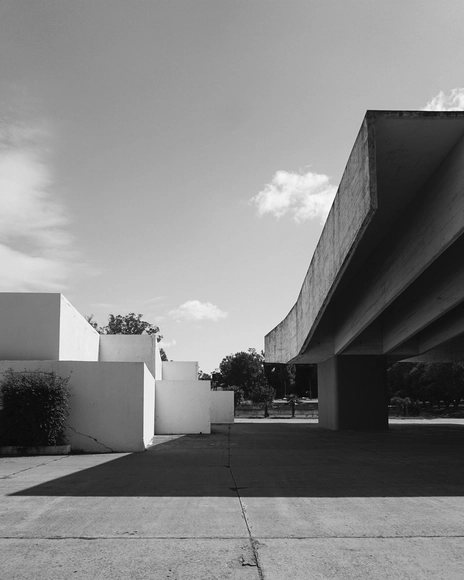
Mar del Plata is an obligatory reference to the Modern Movement in Argentina. Not only for being the scene of some architectural classics such as the House on the River, the Parador Ariston, or the Terrace Palace but also for the Cementerio Parque designed by Horacio Bucho Baliero and Carmen Córdova in the 1960s.
With a coastline of 832 kilometers facing the Atlantic Ocean, Portugal has a long and deep relationship with the sea, which was for many centuries considered the country's main means of communication with the rest of the world. Today, the Portuguese coast attracts millions of tourists every year from across Europe and around the world, who arrive in search of warm weather and beautiful seaside scenery. The main destinations are the southern beaches which are warmer than in the North however, the number of tourists has increased throughout the entire country over the past decade.
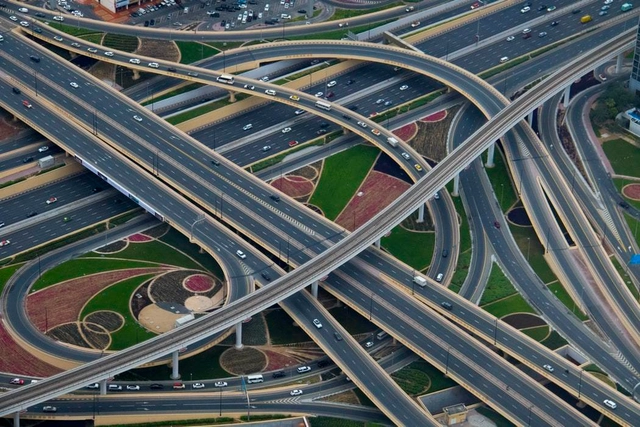
Countries around the world have urban, suburban, and rural problems- and it’s all connected by the problem itself. There are too many highway systems. In some cities that are notoriously known for their traffic jams, like Los Angeles, Minneapolis, and Atlanta, there are almost five miles of road per every 1000 residents. This has also impacted how some forms of public transit, like rail cars and busses, operate, significantly reducing their efficiency. So why do we build these superhighways, and how can we fix their congestion?
When you come to think of it, most of the food on your plate has a history behind it - a long journey that we are unable to describe. In her book Food Routes: Growing Bananas in Iceland and Other Tales from the Logistics of Eating (2019), Robyn Shotwell Metcalfe refers to the paradox of fish being caught in New England, exported to Japan, and then shipped back as sushi, revealing a large and complex network that nobody can see when they buy takeout Japanese food at the local grocery store.
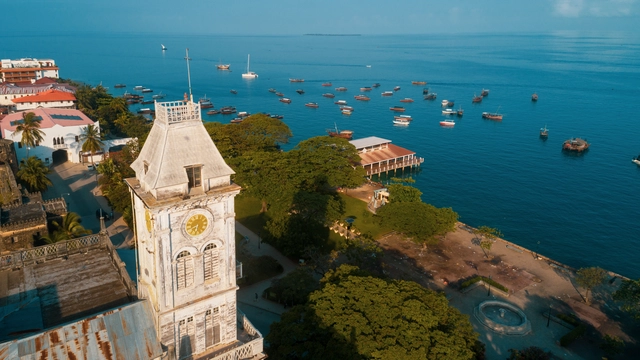
Light — how we perceive the world around us — is an integral, emotive architectural element. Access to light is enhanced and limited in an architectural capacity globally, with architects of expensive tropical dwellings celebrating sunny vistas with expansive glazing, while a wide range of art galleries reject light in its natural form, eliminating it in adherence to the sensitive exhibit requirements of art pieces. Light in an architectural and urban sense is also highly symbolic, evident in the many metropolises of our world, but where this symbolism takes on an interesting dimension is in the archipelago of Zanzibar.
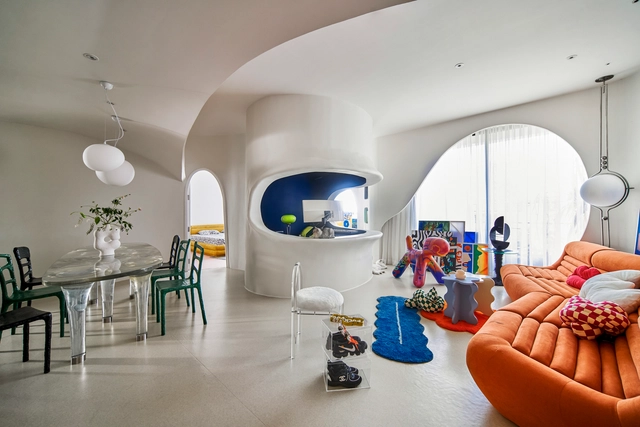
“How to give your home: Dark Academia vibes” reads the title of a popular YouTube video targeted at homeowners fascinated by the aesthetics relating to liberal education and the arts. A subculture born in the age of social media, Dark Academia is one of many internet aesthetics that have gained prevalence in the last decade. Image-based platforms like Tumblr, Instagram, Pinterest, and TikTok have amplified internet aesthetics, especially during the COVID-19 pandemic. Social media allows users to support and create their own trends that rapidly amass a following. Today, the creation of aesthetic trends lies in the hands of the general public and will dictate the way interior design trends develop.
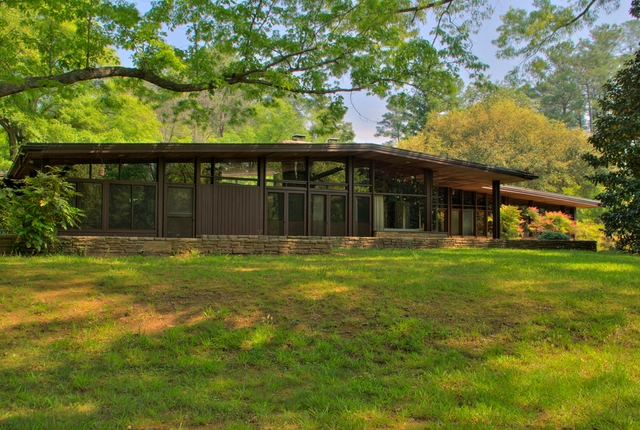
George Smart is an unlikely preservationist, almost an accidental one. The founder and executive director of USModernist, a nonprofit dedicated to the preservation and documentation of modern houses, Smart worked for 30 years as a management consultant. “I was doing strategic planning and organization training,” he says. “My wife refers to this whole other project as a 16-year seizure.” Recently I spoke with Smart about his two websites, the podcast, the house tours his organization conducts, and why documentation is such a power preservation tool.
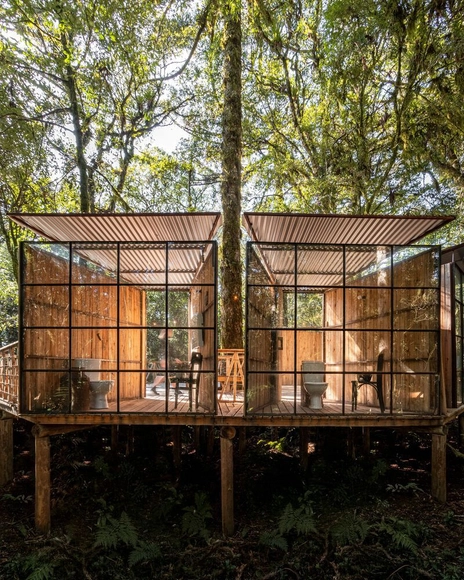
Within various - if not all - architectural programs, there is a function that is an essential and common requirement: the bathroom. A residence, office, commercial space, theater, museum, religious space, park, or school can only be designed with it. In some countries, public toilets are part of urban infrastructure like public transport or waste collection. A fundamental human right, although denied to a considerable portion of the global population, the toilet follows a historical evolution. Modernity brought with it the separation between public and private, and the room became increasingly reserved in Western society.
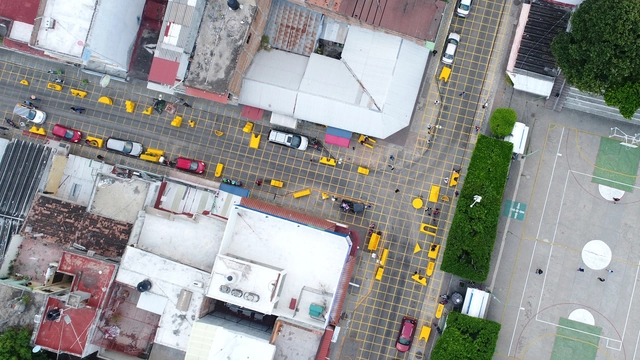
As part of a new initiative of the multidisciplinary laboratory based in Mexico, dérive LAB presents "Shared Streets", a project with a focus on urban design that seeks to spatially transform the street so that it is governed by human relations, rather than using traffic control devices; this suggests that the street is not only a space for transportation and mobility but one in which many other social, economic and cultural activities take place.
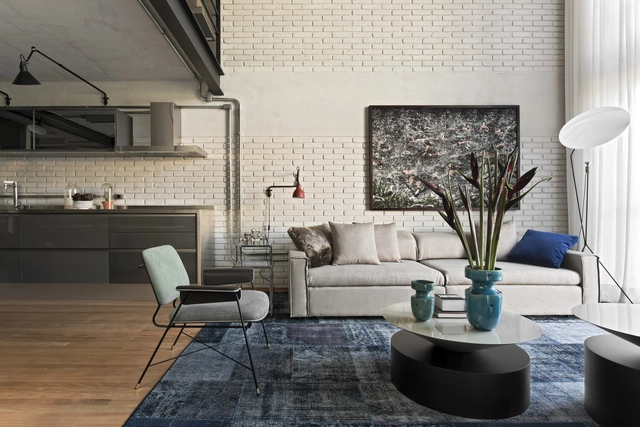
Exposed pipes highlighted in architecture are not a novelty. Classics like Centre Pompidou and Sesc Pompeia already adopted infrastructure elements as objects that helped compose the building's aesthetics. Solutions inspired by the industrial architecture of the 50s, urging to remodel industrial sheds for other uses, made their facilities apparent to make the work more cost-effective and less complex. After a few decades, we find this idea at different scales.
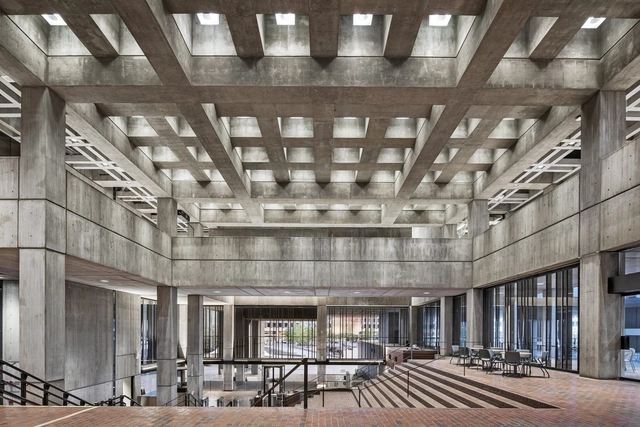
Boston City Hall. Image Courtesy of Reed Hilderbrand
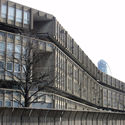
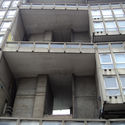
It’s true that all trends are circular, and what was once seen as old and outdated becomes new and modern again- in fashion, music, art, and especially architecture. From the mid 20th century, brutalist architecture rose in popularity before reaching its peak in the mid-1970s, when it was disregarded for being too stylistic and non-conforming to the needs of clients who wanted their buildings to feel timeless. But the love for these concrete beasts is facing a resurgence, and a renewed appreciation for this architectural style is on the rise.
Prefabricated wooden houses date back to the 19th century, when so-called "kit houses" became popular in North America. Sold by companies like Sears, they offered affordable and convenient housing options, especially for people living in rural areas where labor was scarce and expensive. Customers could choose from a few designs and dimensions, and the kits usually included all the materials needed to build the house, including numbered and precut lumber, nails, shingles, and other necessary components. For some time, however, prefabricated houses were seen as constructions of lesser quality and prestige, and coupled with the lack of flexibility of these solutions, they went into decline.
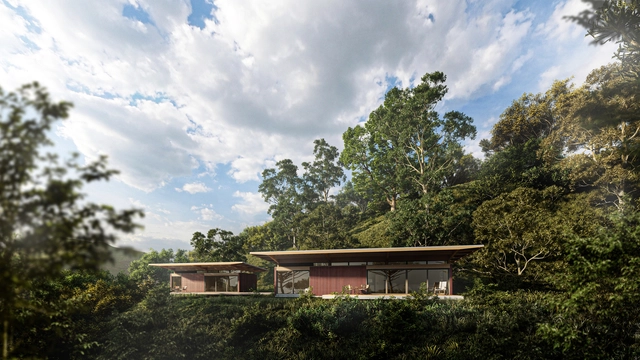
Nowadays, thanks to the technologies available in the market, modular and prefabricated constructions have emerged as clean, sustainable, and energy-efficient construction solutions. In addition, innovations in engineered wood have emphasized its many uses, with the added benefit of aesthetic and structural possibilities. It was in this context that the office UNA BV developed the Modular 5.5 project, whose goal was to create flexible modular constructions that could be assembled in different arrangements, allowing the construction of houses with a variety of dimensions and needs in different terrains. We spoke with Fernanda Barbara and Fábio Valentim about this project:
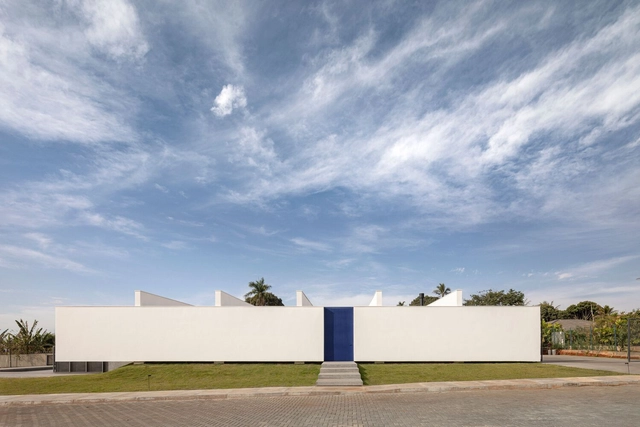
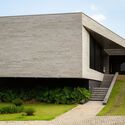
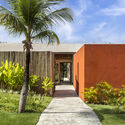
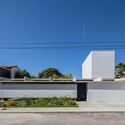
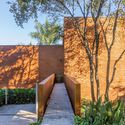
Not all projects seek a constant connection with the outside, at least not in their front façade. Despite not being a usual appearance, there are several reasons for creating an opaque façade: privacy, security, reduced energy consumption, and protection against inclement weather. More common in government, cultural or religious buildings, this solution is also found in some residential cases.
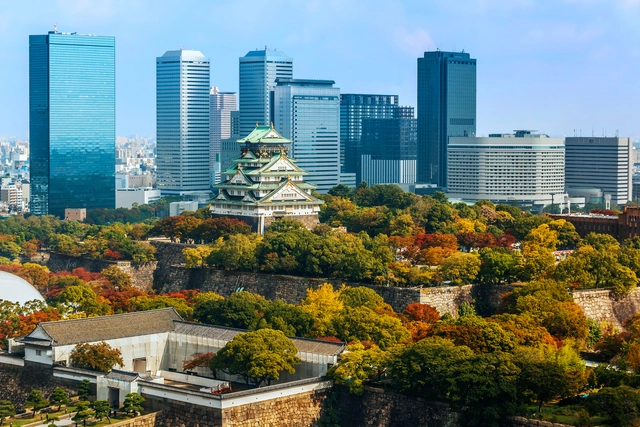
In 2018, the Bureau International des Expositions (BIE) announced that the Japanese city of Osaka won the bid to host the 2025 World Expo, an event expected to draw millions of visitors. The event will open on April 13, 2025, and close on October 13, 2025. This will be Japan’s second time hosting the event, as another World Expo was held in Osaka in 1970. The official theme for this edition is “Designing Future Society for Our Lives.” Architect Sou Fujimoto has been chosen as the Expo Site Design Producer of the event, becoming responsible for designing the master plan and directing the designers of the participating countries. As of March 24, 2023, 153 countries and regions and 8 international organizations have officially confirmed their participation in Expo 2025 Osaka, Kansai, Japan.