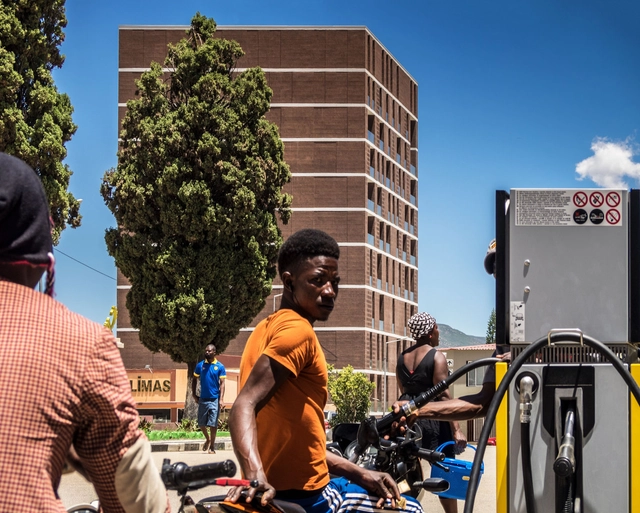
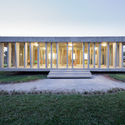
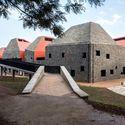
Angola, like many African countries, is experiencing a process of rapid urbanization. For the most part, these changes are happening under little to no regulation, filling cities with spaces that lack the infrastructure to provide a basic quality of life for residents. However, in spite of this unregulated development, it's worth noting the quality of contemporary architecture being produced in the second-largest Portuguese-speaking country, where projects draw inspiration from the strong local identity and blend with modern materials and technology.
In this article, we highlight 4 current projects in Angola. While it is a small sample, not only from the capital city of Luanda, but from smaller cities as well, it showcases the richness of Angola's local architecture--an art form that deserves worldwide recognition.
The Ivory Coast is creating a new design language in West Africa. Located between Ghana and Liberia, Côte d'Ivoire is home to a range of modern architecture. Before colonization, the Ivory Coast was home to Gyaaman, the Kong Empire, and Baoulé, with ties that would shape its identity. Now, local architecture is rethinking past traditions to create a model for the future.
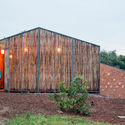
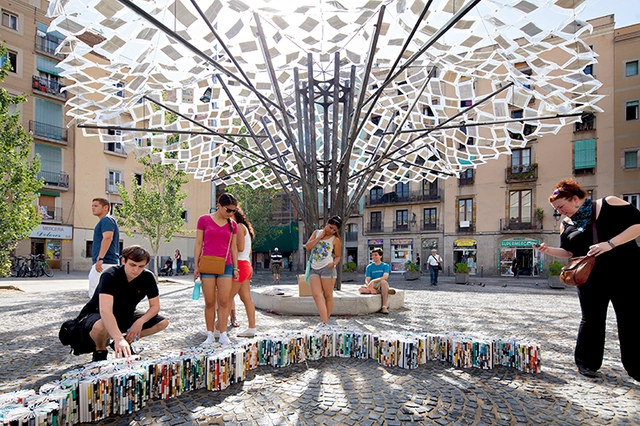
Architecture studio theMAAK has unveiled a new installation as part of the 2019 experimental Design & Make program Follies in the Veld (FITV) in Cape Town, South Africa. The team worked with makers and the community to collectively design and build a large scale ‘Folly’. Each year, a specific site and a unique material is used as the departure point for the hands-on creative program.
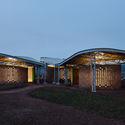
Rwanda is writing a new global story for itself. Over two decades after the end of the country’s civil war and the 1994 genocide, a series of progressive visions have been the catalyst for transformation throughout Rwanda. These economic and structural reforms have redefined the built environment, and in turn, are shaping contemporary architecture across the country.
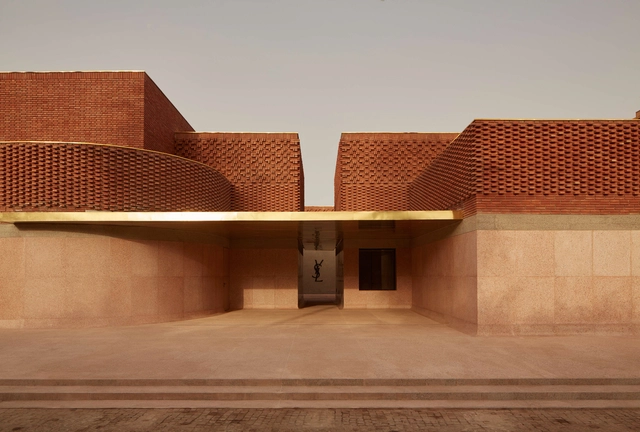
Modern Moroccan architecture is reinterpreting vernacular traditions. Taking its name from the Arabic al-maġhrib, or the “place the sun sets; the west”, the kingdom is a sovereign state home to numerous examples of Islamic design, as well as detailed art and ornamentation found within geometric patterns, friezes and open courtyards.
Wherever there is a center, there is by necessity a periphery. This in itself should not generate any headlines; we live in a world of centers, and peripheries that continually stretch those centers, whether it be politics, countries, or societal norms. It also applies to architectural practice. In a complex, interconnected world, members of the architectural profession around the world are constantly expanding into new peripheries, generating new visions for how practice should operate, influenced by technological, political, cultural, and environmental changes.
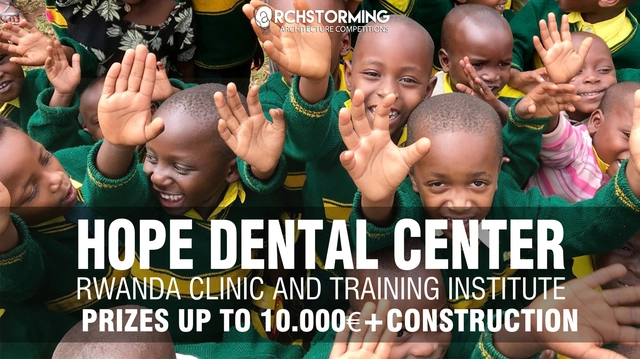
Archstorming is collaborating in this new competition with His Hands on Africa. a non-profit organization born in 2016 that wants to address the lack of dental services by equipping communities to achieve sustainability with dignity. The chosen location is Rwanda, a small country in the heart of Africa.
In a discourse about the future of cities, one could be forgiven for limiting their geographical scope to innovations in Europe, the United States, and increasingly, China and Southeast Asia. After all, Shenzhen is about to once again host the world’s only Biennale dedicated exclusively to urbanization, while smart, responsive architecture manifests in visions for cities such as Toronto and London, and tech giants such as Microsoft and Siemens. However, despite our preoccupation with the problems and opportunities of urbanization in the ‘Global North’, and the architectural innovations they herald, there is merit in expanding our horizons – and not just towards Mars. By the end of the century, none of the world’s largest 20 cities will be in China, Europe, or the Americas. Africa, meanwhile, will host 13 out of 20, including the top 3.
https://www.archdaily.com/927842/why-africa-is-the-future-of-megacitiesNiall Patrick Walsh
The second machine age, gender-based violence, global south, developing cities, poor infrastructure, influx, digitization, sustainability, Afro-futurism? We keep hearing the buzzwords over and over again but what does it all mean? How do these notions intersect spatially in response to the needs of future city developments? Cities are like ecosystems, collectively dependent on the surrounding environment. The larger and more complex they become, the greater the pressures and repercussions, namely: population growth, urban expansion, and physical resource scarcity.
https://www.archdaily.com/926361/wakandas-afro-futuristic-masterplan-an-ecosystem-of-flexible-bim-structures-for-urban-nomadsKhensani de Klerk, Solange Mbanefo
Madanfo Project and Radefoundation announce a call for entries for the "Timeabu Kindergarten" Architecture Competition. The competition aims to create a place where the youngest children of Timeabu can take classes.
The competition is open to candidates both students of professionals of architecture, design, engineering, or people involved to design or construction projects, from all around the world.
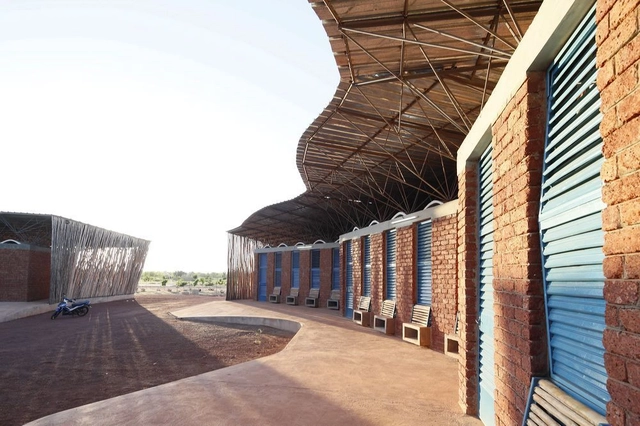
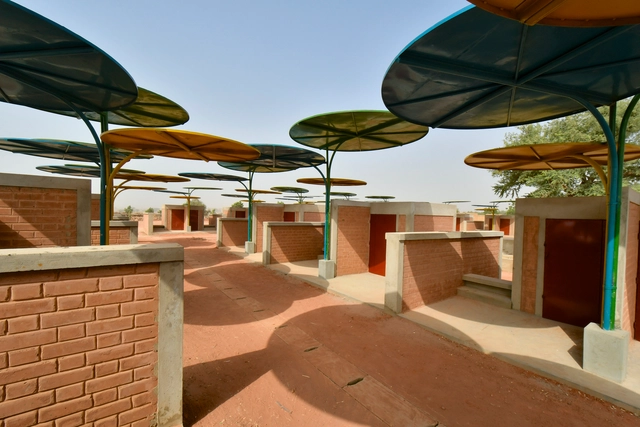
The history and architecture of Burkina Faso is tied to its landscape. As a landlocked country in western Africa, it occupies an extensive plateau with grassy savannas and sparse forests. More than two-thirds of the people live in rural villages, and as such, the country’s modern architecture is the product of ingenuity born from reimagining traditional building materials and techniques.
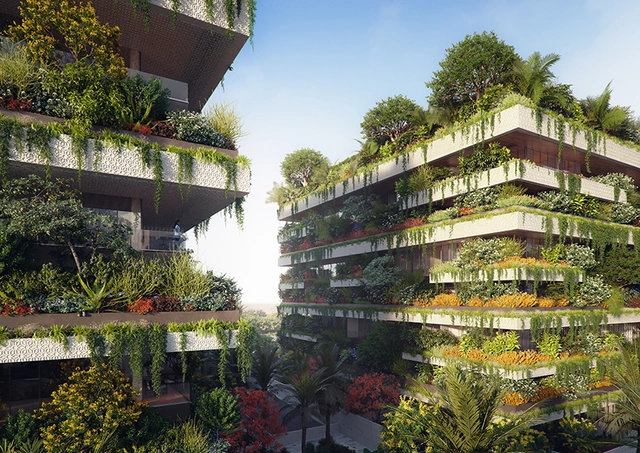
Stefano Boeri Architetti has unveiled its vision for the first vertical forests in Africa, in the Egyptian capital, Cairo. The 3 cubes or the 3 experimental edifices consisting of one hotel and two residential structures, will be part of the new administrative town plan, under construction in the southeast of the city.
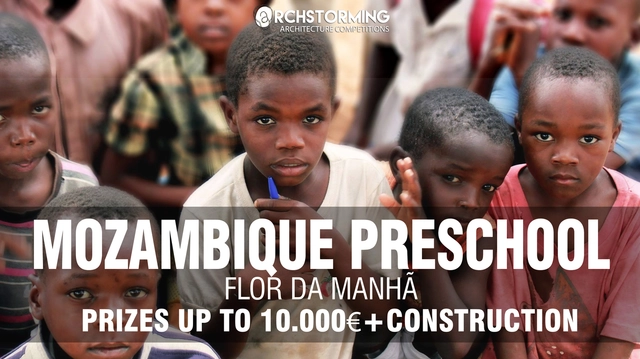
In the current competition, we will help Assa, a Mozambican teacher, build a center for children with disabilities and affected by social exclusion, with the help of the Estamos Juntos Initiative and the NGO Somos del Mundo. The winning proposal will be built. The school will be located in a plot between the cities of Xai-Xai and Chongoene, approximately 1 km away of the road that connects them.
The winners of the Kaira Loo Competition have been announced, dedicated to the design of a Peace Pavilion to be built in the city of Sedhiou, southern Senegal. The objective of the competition was to create a symbolic structure serving as a memorial to the victims of African wars, and that would sensitize the local and international community by creating a commemorative and educational space that respects both the environment and local traditions.
https://www.archdaily.com/918845/winning-designs-for-senegal-peace-pavilion-judged-by-kengo-kumaNiall Patrick Walsh
Manufacturers: Afrisam, Blackwood, Chartwell, Cladcom, Dracon National, +13Ecosense, Infin8, Krost engineering, Magnet engineering, Prestige tiling, Restaurant shopfitting, Space Lift, Union Steel, Upfront Media and Jalite, WBHO, Wescape & Hensjen, White Head, World of decorative concrete-13
Videos
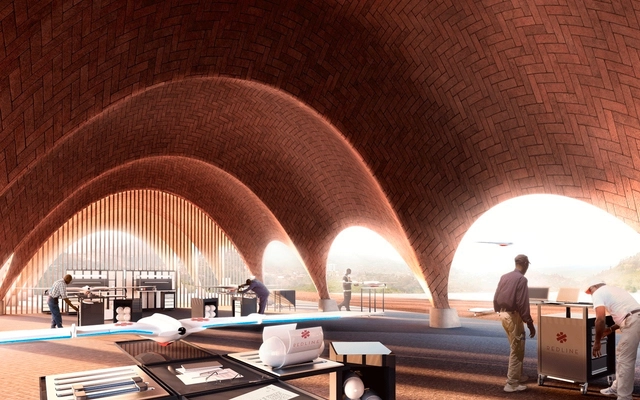
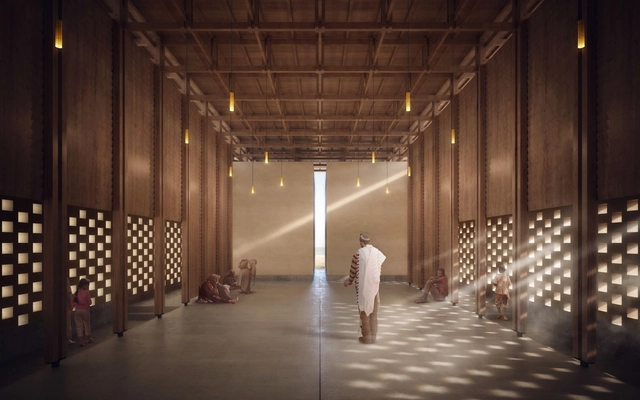
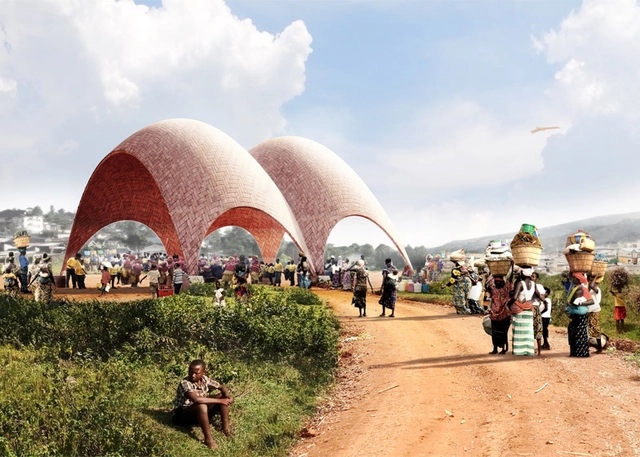
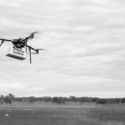
Droneports. Image Courtesy of Jonathan Ledgard and Norman Foster
A new video by AERIAL FUTURES explores the potential of droneports in East Africa and the Global South. The Norman Foster Foundation was one of the first groups to propose the creation of a droneport network to deliver medical supplies and other necessities to areas of Africa that are difficult to access due to a lack of roads or other infrastructure. The project aspires to have droneports across small towns in Africa and in other emerging economies by 2030.