

-
Architects: Böll Architekten
- Year: 2014
-
Professionals: Ingenieurbüro Wagner und Koll, INCO Ingenieurbüro GmbH
Earlier this year, Emre Arolat Architects completed their Sancaklar Mosque, "a simple cave like space" in Istanbul which through its humble exterior forms and emphasis on connection to nature, offers a "dramatic and awe inspiring place to pray and be alone with God." Over a period of 24 months, SGMStudio (Sarraf | Galeyan | Mekanik) documented this work, as the elements of the mosque gradually emerged from its steel rebar framework. "While recording the progress of the construction throughout passing seasons, the film aims to portray the building's existence within nature and its percept of space with the sensibility of the structure it purposes to narrate," say SGMStudio. Set to dramatic backing music, "the film dwells on the tension between the technical and engineering-centric implementation and humble and tranquil art of building with its pacing."


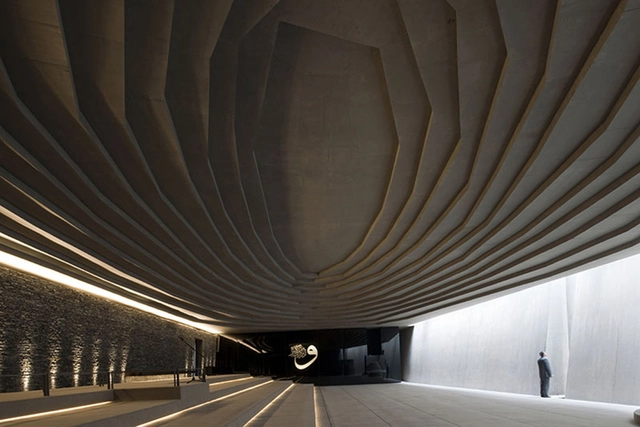
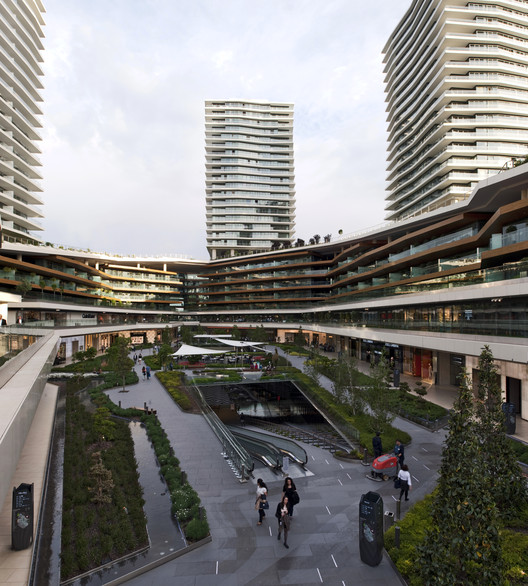
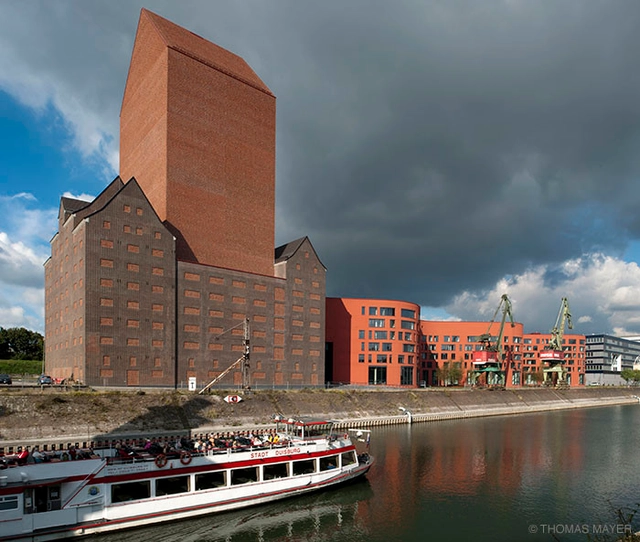
In honor of World Photo Day (August 19th) ArchDaily wanted to thank the photographers who bring to life the projects that we publish every day. So we asked architects to weigh in on the work of some of our most-appreciated architecture photographers. Here, Emre Arolat writes on behalf of Thomas Mayer.


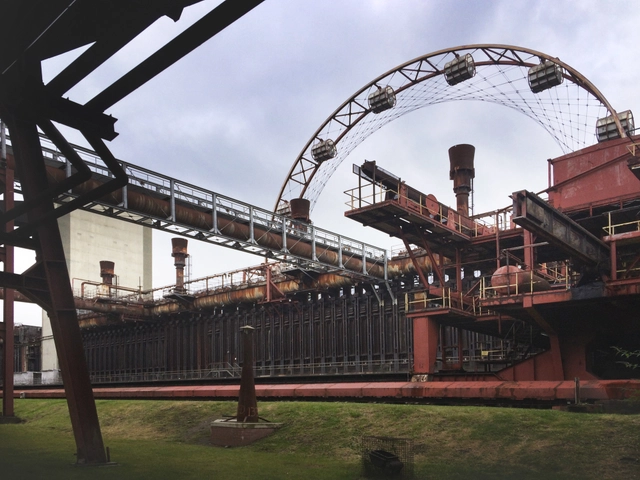
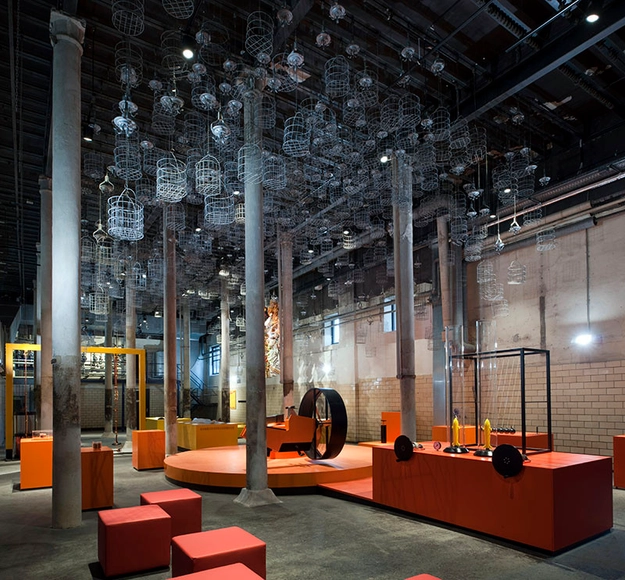
Derelict urban landscapes and abandoned spaces have always attracted adventurous explorers, searching for a peek into the world of a fallen industrial dystopia. That desire can be fulfilled by a visit to the Zollverein complex in Essen, Germany: once Europe’s largest coal mine, Zeche Zollverein was transformed over 25 years into an architectural paradise. Contributions by Rem Koolhaas, Norman Foster and SANAA are included in the 100-hectare park; overwhelming in its complexity, the estate includes rusty pipes, colossal coal ovens and tall chimneys, inviting over 500,000 people per day to gain an insight into the golden age of European heavy-industry.
Join us for a photographic journey through this machine-age playground, after the break…
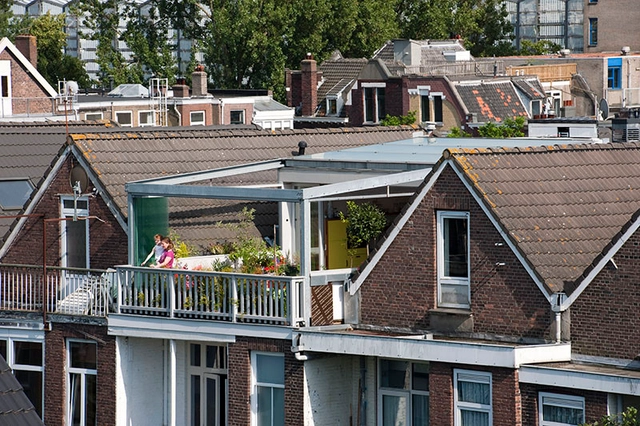
Two Dutch designers, collectively known as HUNK-design, have transformed their 19th century top floor apartment into a "unique city paradise." Architect Bart Cardinaal and artist Nadine Roos, who have lived in parts of the house in central Rotterdam since their student years, have created a large outdoor terraced space amid the rooflines of a built up area. By demolishing the existing pitched roof, they have constructed what they describe as their "Cabrio apartment."
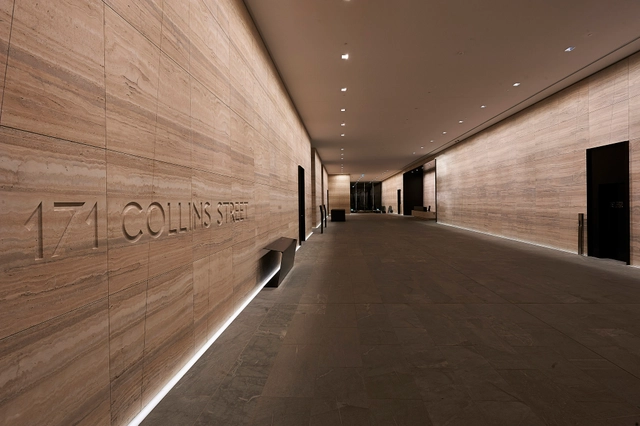
Modernism induced a shift in lighting away from luminaires and towards invisible light sources that render spaces in a purer (forgive the pun) light. For the first time, lit walls were used to define rooms and to structure architecture. Today I’d like to explore early prototypes - including Philip Johnson’s Brick House and the Seagram Building - and discuss how their lighting techniques continue to influence architecture today.
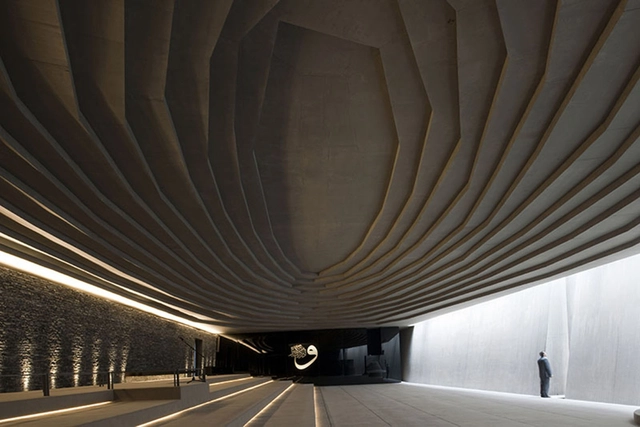
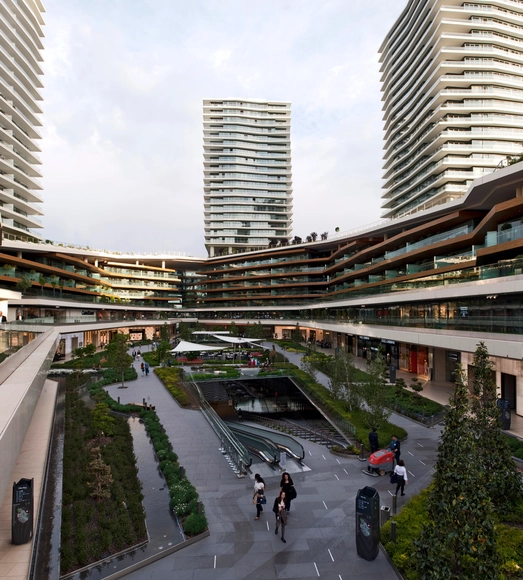
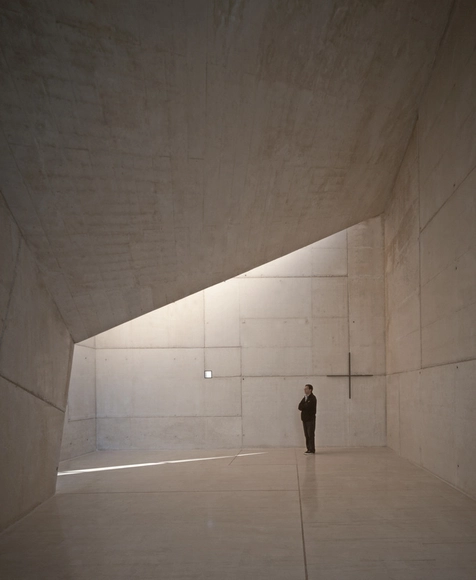
The use of light can lead to very diverse feelings: a ray of sunlight calls attention; glare overpowers; the nocturnal sky fascinates, while a dense dark forest arouses fear. Religions have made use of these experiences to convey the mystic aspects of their respective deities — accordingly, so too do their erected buildings.
After the break, an exploration of the different approaches for using light as a vehicle of symbolic meaning and spiritual experience in religious spaces.