Rasmus Hjortshøj - COAST

BROWSE ALL FROM THIS PHOTOGRAPHER HERE
↓

Beyond 2023 UIA World Congress of Architects: 9 Events to Explore in July in Copenhagen

This year, the UIA World Congress of Architects gathers professionals from the construction industry to the Danish Capital to discuss and promote more sustainable ways of practicing architecture. This edition of the congress, happening between July 2nd and 6th, is centered around the UN 17 Sustainable Development Goals, highlighted by the overarching theme “Sustainable Futures – Leave no one Behind.” The world’s largest architecture congress offers a vast program of keynote dialogues, new findings presented on the science track, Next Gen sessions, workshops, exhibitions of new materials, and political talks. The packed schedule also includes the Obel Award Talks on the theme “Wellbeing Through Architecture”, Velux Daylight Talks, and Realdania Talks.

Beyond 2023 UIA World Congress of Architects: 9 Events to Explore in July in Copenhagen  - More Images+ 7

From Tiny Squares to Urban Parks: 100 Public Spaces From All Around the World

From Tiny Squares to Urban Parks: 100 Public Spaces From All Around the World - Image 111 of 4
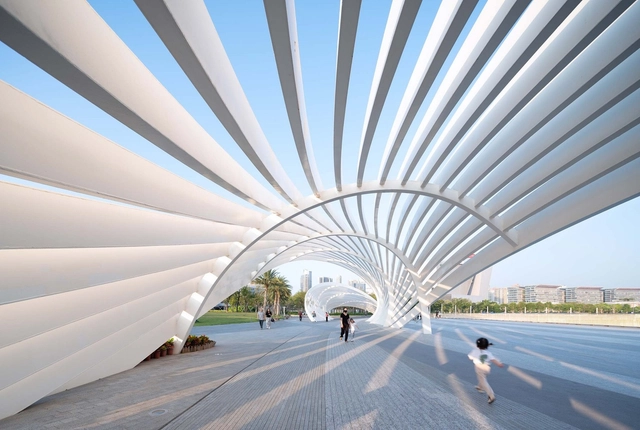
© DuoCai Photograph

The key to successfully designing or recovering public spaces is to achieve a series of ingredients that enhance their use as meeting places. Regardless of their scale, some important tips are designing for people's needs, the human scale, a mix of uses, multifunctionality and flexibility, comfort and safety, and integration to the urban fabric.

To give you some ideas on how to design urban furniture, bus stops, lookouts, bridges, playgrounds, squares, sports spaces, small parks, and urban parks, check out these 100 notable public spaces.

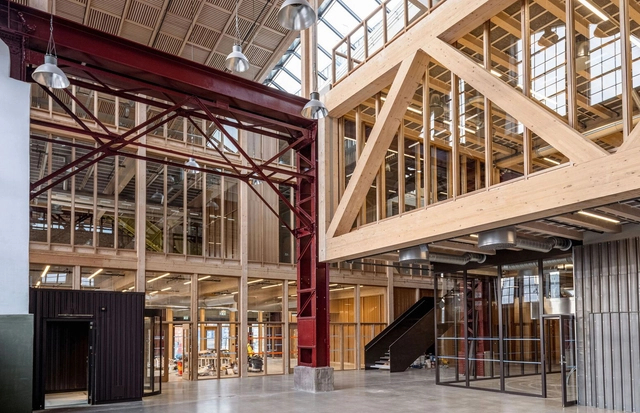
Gjuteriet Renovation / Kjellander Sjöberg

Gjuteriet Renovation / Kjellander Sjöberg - More Images+ 25

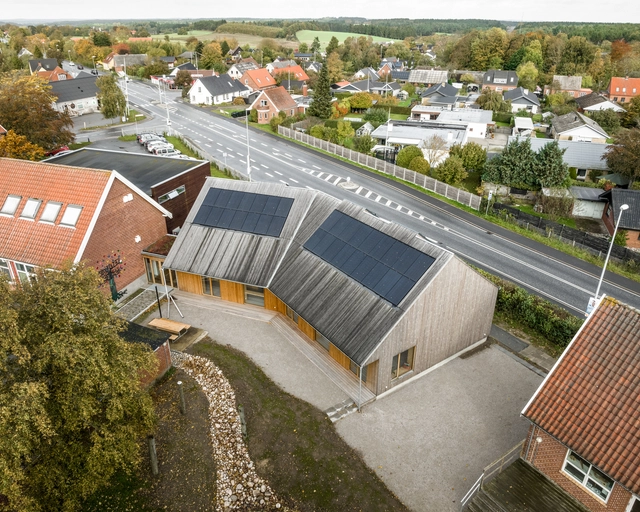
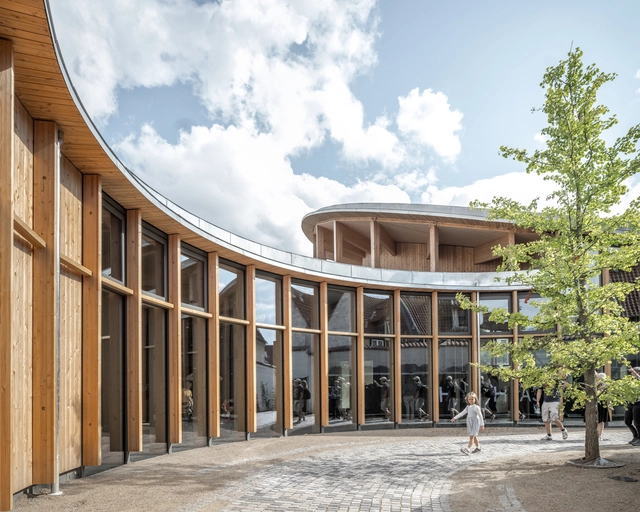
Feldballe School / Henning Larsen

Feldballe School / Henning Larsen - More Images+ 31

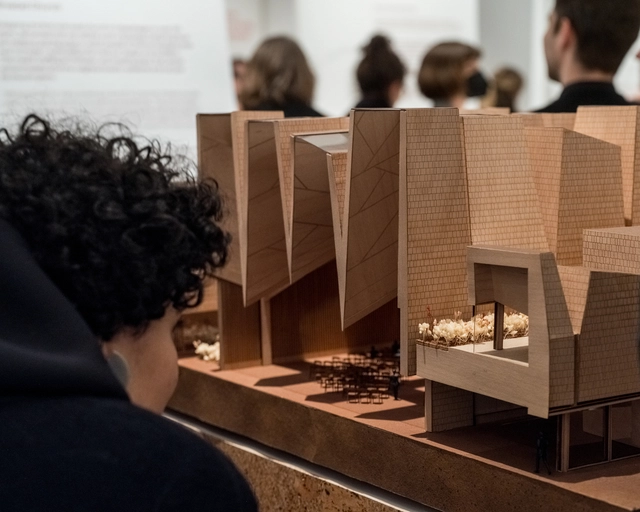
“Changing Our Footprint”: Henning Larsen Opens an Explorative Exhibition at Aedes Architecture Forum in Berlin

In an effort to address the architecture industry’s environmental impact, Henning Larsen is presenting the “Changing Our Footprint” exhibition at Aedes Architecture Forum in Berlin. The event features the small but scalable steps that the office is taking to move towards a more desirable future through the projects they are designing and the research they are conducting. The exhibition aims to be an engaging event, inviting visitors to participate in the dialogue, to think critically about the proposed solutions and initiatives, and to ask difficult questions in the search for better outcomes. The exhibition is open until March 22, 2023. Henning Larsen will also host a series of panel debates at the Aedes Architecture Forum from February 22 to March 14.

“Changing Our Footprint”: Henning Larsen Opens an Explorative Exhibition at Aedes Architecture Forum in Berlin - More Images+ 13

What Does It Mean to Future-Proof a City, Landscape or Building with AI?

 | Sponsored Content

Cities concentrate opportunities and exchanges, culture and business, while, at the same time are a key contributor to climate change. They are highly complex organisms, with multiple actors involved, that bring to light underlying social interests and conflicts present in society. In 2007, the world's urban population surpassed the rural and this difference has been increasing ever since. According to the 2018 Revision of World Urbanization Prospects report, 55% of the world's current population lives in urban areas, rising to 68% by 2050. This will represent an increase of 2.5 billion people in urban areas, with almost 90% of this increase occurring in Asia and Africa. The Smart Sustainable Cities: Reconnaissance Study also points out that urban centers account for 67% of global energy demand, emit 70% of greenhouse gases and, on top of it all, buildings consume 40% of all energy worldwide. The prospect of a mostly urban world, along with the alarming onset of climate change, both raise challenges regarding living conditions in the coming decades and centuries, and all the implications that will accompany these changes.

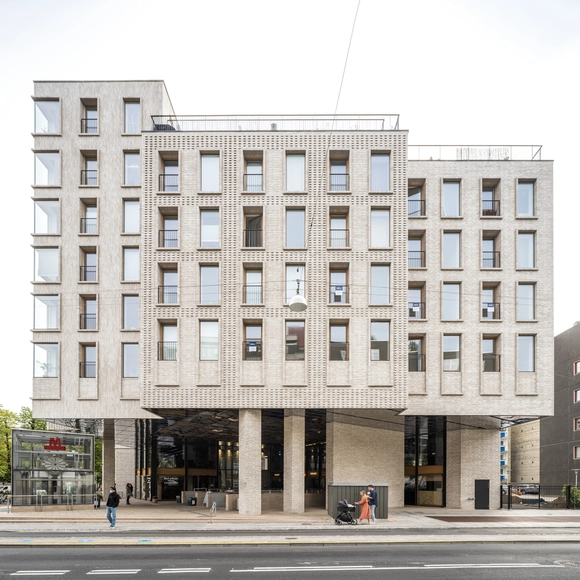
Frederiksberg Allé 41 / Cobe

Frederiksberg Allé 41  / Cobe - More Images+ 3

  • Architects: Cobe
  • Area Area of this architecture project Area:  3500 m²
  • Year Completion year of this architecture project Year:  2021
  • Manufacturers Brands with products used in this architecture project
    Manufacturers:  Randers Tegl

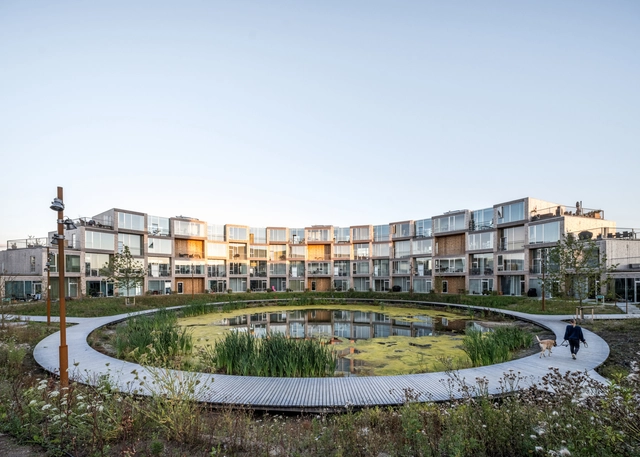
Sneglehusene Housing / BIG

Sneglehusene Housing / BIG - More Images+ 20

  • Area Area of this architecture project Area:  9500 m²
  • Year Completion year of this architecture project Year:  2022

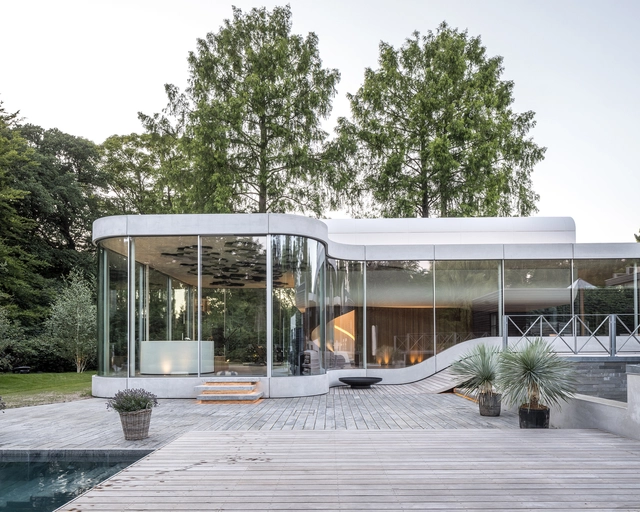
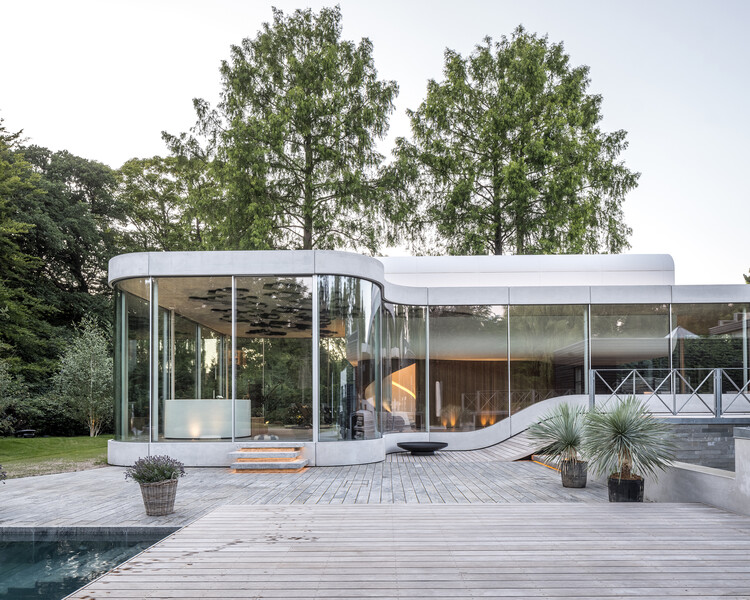
Villa Kirk / SPOL Architects

Villa Kirk / SPOL Architects - More Images+ 35

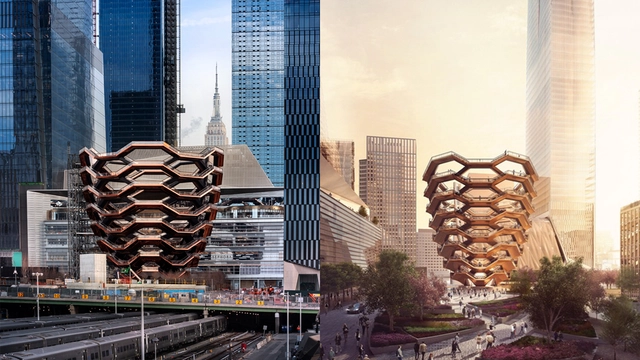
Renders vs. Reality, Comparing Recent Project's Original Vizualization to their Built Result

It is nearly impossible nowadays not to present accompanying renders when proposing a new project. No matter the method, software or style that is used, it is a valuable reference that bares more practical weight than one might think. Not only can it be one of the closest possible representations of the architect's vision, if approved, it can also become a promise to clients, investors, and the general public.

When it comes to works from renowned architects, the render becomes a critical reference to the project participants and to the expectant community. A lot of details can be developed and considered when creating the images. In most cases, special attention is brought to the lighting, materials, and context in order to make the most accurate representation possible.

Renders vs. Reality, Comparing Recent Project's Original Vizualization to their Built Result - More Images+ 38

Subscriber Access

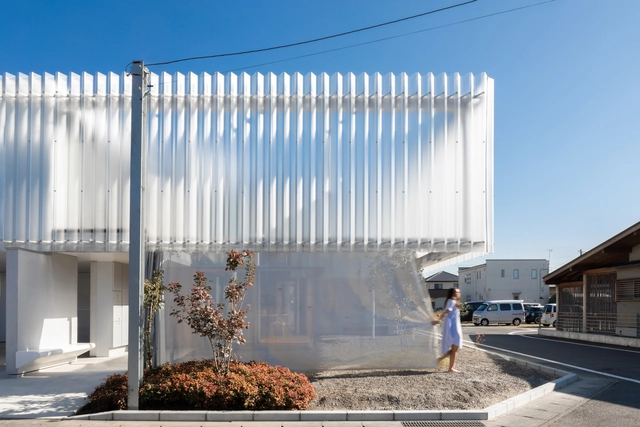
Why Use Translucent Polycarbonate on Building Facades?

Whether blending in or standing out, embodying transparency or solidity, expressing coarseness or softness, a façade is the medium through which we engage with architecture. It tells a story and can often set the tone for the rest of the interior. But apart from defining a purely visual experience, a building’s envelope must also be practical, durable and have the ability to properly manage natural lighting and ventilation needs. After all, by being the point of contact with the outside, it is responsible for mitigating sounds and providing protection from climatic conditions, such as wind, rain, heat and humidity. Therefore, when designing a facade, it is important to consider a balance between performance and a beautiful aesthetic. Of course, many materials successfully meet these criteria. But when it comes to creating a comforting, light-filled ambiance while ensuring resistance, ease of installation and versatility, the properties of translucent polycarbonate panels seem to be unparalleled.

Subscriber Access

What Does the Future Hold for Coastal Cities Following the Aftermaths of Climate Change?

Coastal cities have always been a point of attraction for residents, tourists, and businesses. Alongside the aesthetic features, their proximity to the sea has made these cities a focal point for maritime transportation with the construction of ports, as well as hotspots for recreational and aquacultural activities. However, the past decades saw these particular regions threatened with a shortened lifespan; rising water levels, floods, and recurring cyclones, along with other natural disasters, have endangered coastal communities, putting their population, ecosystem, and built environment at risk. 

What Does the Future Hold for Coastal Cities Following the Aftermaths of Climate Change? - More Images+ 3

H.C.Andersen Hus Museum / Kengo Kuma & Associates

H.C.Andersen Hus Museum / Kengo Kuma & Associates - More Images+ 17

•
Odense, Denmark
Subscriber Access

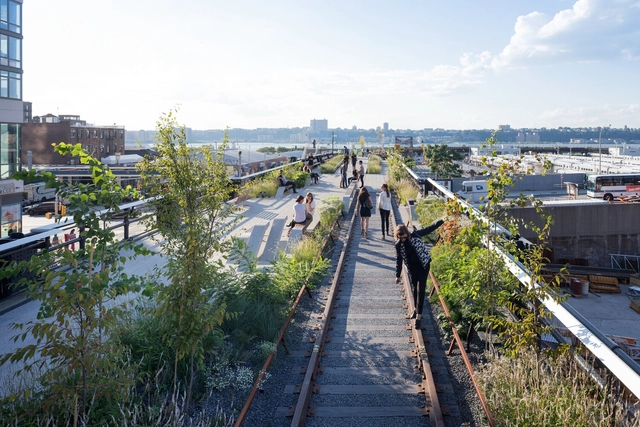
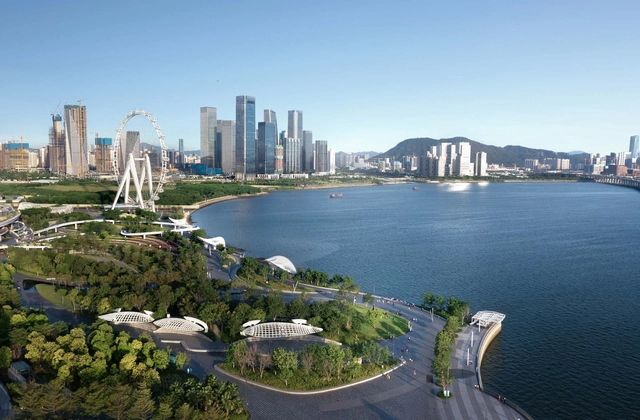
Coastal Design: The New Waterfront Parks Making Waves

Between rising water levels and global migration to cities, architects and designers need to critically reimagine the relationship between coastal landscapes and public space. Cities are facing entirely new risks and environmental conditions. Resiliency, infrastructure, and ecology are increasingly common terms, reflecting the growing demand to address the spatial and formal challenges faced by cities worldwide. Rethinking boundaries and edges, designers have unique opportunities to help shape public understanding of these conditions through waterfront parks.

Coastal Design: The New Waterfront Parks Making Waves - More Images+ 7

Thy National Park Visitor Center / LOOP Architects

Thy National Park Visitor Center  / LOOP Architects - Exterior Photography, Park
© Rasmus Hjortshøj - COAST

Thy National Park Visitor Center  / LOOP Architects - More Images+ 18

The Silo / Cobe

The Silo / Cobe - More Images+ 32

  • Architects: Cobe
  • Area Area of this architecture project Area:  10000 m²
  • Year Completion year of this architecture project Year:  2017
  • Manufacturers Brands with products used in this architecture project
    Manufacturers:  &Tradition, Anker & Co, Ideal Work, Randi, Skandinaviska Glassystem, +1

The Author’s House / SLETH architects

The Author’s House / SLETH architects - More Images+ 36

  • Architects: SLETH architects
  • Area Area of this architecture project Area:  90 m²
  • Year Completion year of this architecture project Year:  2020
  • Manufacturers Brands with products used in this architecture project
    Manufacturers:  Dinesen

Endless “Sustainable” Growth is an Oxymoron

This article was originally published on Common Edge

In a Common Edge article, I briefly discussed a concept that I call the “Triple Bottom Lie,” which posits that more people, plus more consumption by each person, plus an economic system completely dependent on the aforementioned items, can just keep working forever, without consequences. Historically, the United States has accepted the economic shibboleth of endless growth because it reduced class conflict; a rising tide (supposedly) lifted all boats, rafts and yachts included. We are, however, approaching the limits of growth, from both a resource standpoint (we’re running out of raw materials) and a technological standpoint (our inventions are progressively less revolutionary).