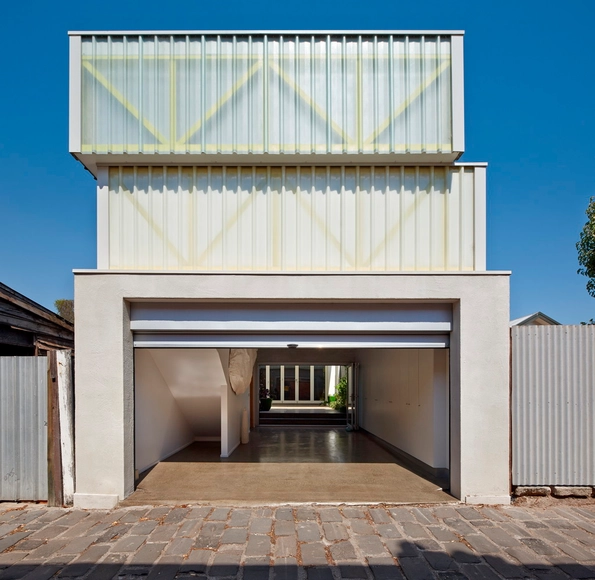
Middle Park Studio / Jean-Paul Rollo Architects


https://www.archdaily.com/587955/middle-park-studio-jean-paul-rollo-architectsDiego Hernández
Cut Paw Paw / Austin Maynard Architects
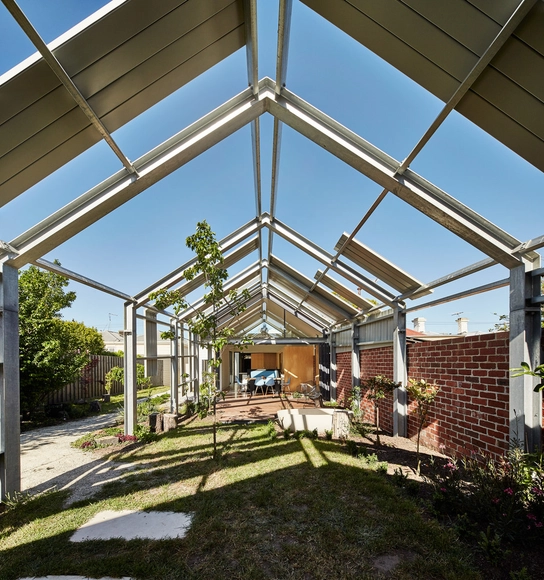


-
Architects: Austin Maynard Architects
- Year: 2014
-
Professionals: Mark Projects, Maurice Farrugia and Associates
https://www.archdaily.com/585768/cut-paw-paw-andrew-maynard-architectsCristian Aguilar
Macquarie University Social Learning Space / Bennett and Trimble
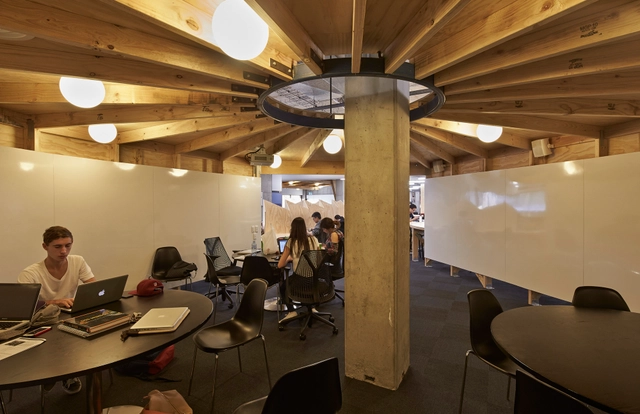


https://www.archdaily.com/569018/macquarie-university-social-learning-space-bennett-and-trimbleKaren Valenzuela
Fujitsu HQ / Woods Bagot
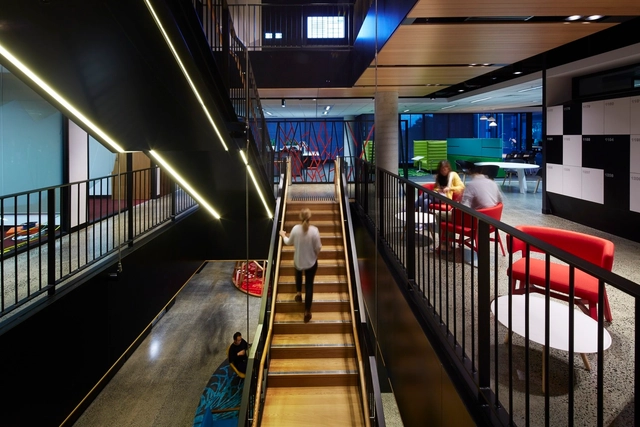


-
Architects: Woods Bagot
- Area: 9000 m²
- Year: 2014
https://www.archdaily.com/568912/fujitsu-hq-woods-bagotDaniel Sánchez
Riverview House / Bennett and Trimble
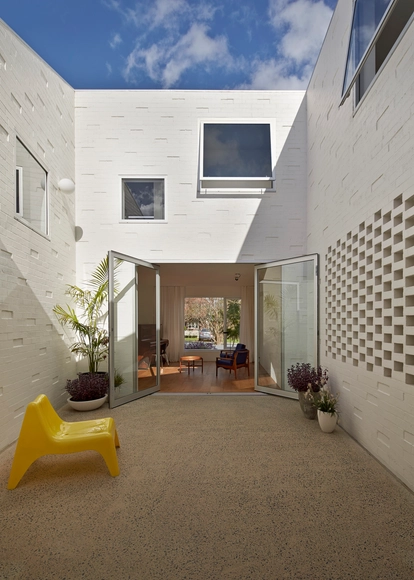


https://www.archdaily.com/569069/riverview-house-bennett-and-trimbleKaren Valenzuela
Take a Moment to Enjoy ArchDaily's 12 Most Popular Outdoor Spaces on Pinterest
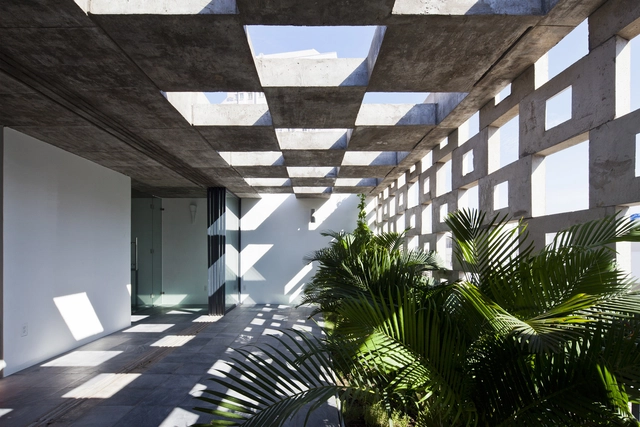
Architects are notorious for working long, consecutive hours. So, in an attempt to remind you to take a break, we've compiled the top 12 most re-pinned images of inviting, well-designed outdoor spaces from our Pinterest. Take a look, after the break, then step away from the screen and go outside for some much needed fresh air.


https://www.archdaily.com/553845/take-a-moment-to-enjoy-archdaily-s-12-most-popular-outdoor-spaces-on-pinterestKarissa Rosenfield
Woy Woy Rehabilitation Unit / Woods Bagot


-
Architects: Woods Bagot
- Area: 2200 m²
- Year: 2013
-
Manufacturers: Austimber
https://www.archdaily.com/551038/woy-woy-rehabilitation-unit-woods-bagotKaren Valenzuela
Skylight House / Andrew Burges Architects
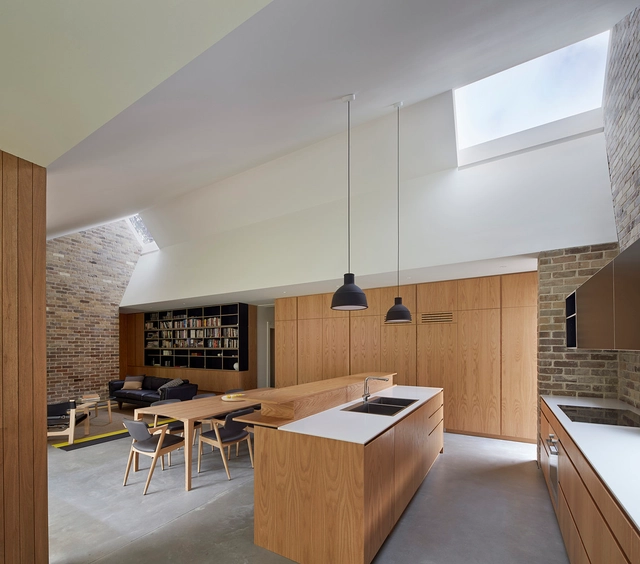


https://www.archdaily.com/547018/skylight-house-andrew-burges-architectsCristian Aguilar
Australian Institute of Architects Announces 2014 National Awards Shortlist

The Australian Institute of Architects has announced the 61 projects making it to this year's 2014 Australian National Awards. Selected from a pool of 153 regional winners across 13 categories, the jury have visited all the shortlisted projects (except the international shortlist) in preparation for the announcement of the National winners at a ceremony in Darwin on November 6th.
Commenting on the shortlist, jury chair Paul Berkemeier said: "As a jury and as members of the profession, we were inspired by the number of projects that had informed clients working closely with the architects to achieve better outcomes. In many instances, this relationship allowed the project to go well and truly above and beyond the original brief."
Read on after the break for the full shortlist



https://www.archdaily.com/547515/australian-institute-of-architects-announces-2014-national-awards-shortlistRory Stott
Pittwater House / Andrew Burges Architects
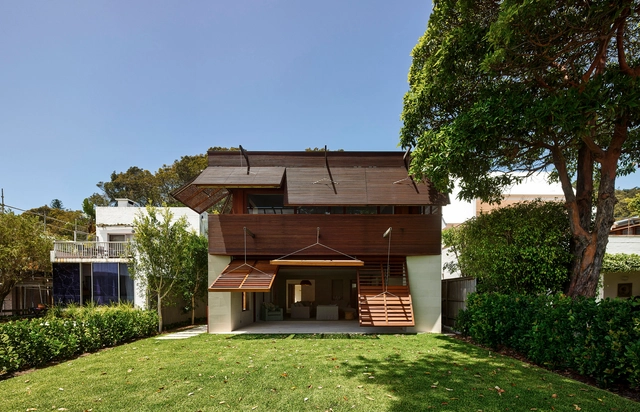


-
Architects: Andrew Burges Architects
- Area: 425 m²
- Year: 2013
-
Manufacturers: Studio Bagno
https://www.archdaily.com/544990/pittwater-house-andrew-burges-architectsKaren Valenzuela
AGL Pavilion / Kennedy Associates Architects
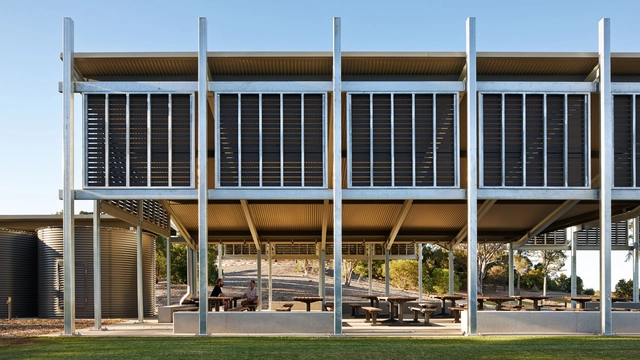


https://www.archdaily.com/537738/agl-pavilion-kennedy-associates-architectsDaniel Sánchez
South Australian Health and Medical Research Institute / Woods Bagot
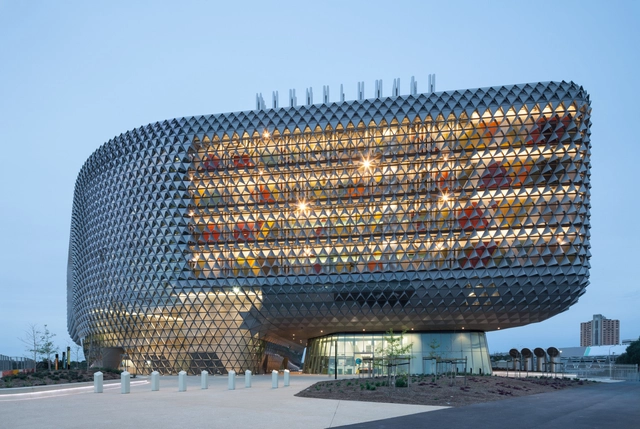


-
Architects: Woods Bagot
-
Manufacturers: Alucoil, Boral, Fielders, Klik Systems, Rondo
-
Professionals: Aurecon, Hindmarsh, Oxigen, Norman, Disney & Young
https://www.archdaily.com/533388/south-australian-health-and-medical-research-institute-woods-bagotDaniel Sánchez
AR Names its 2014 House Awards
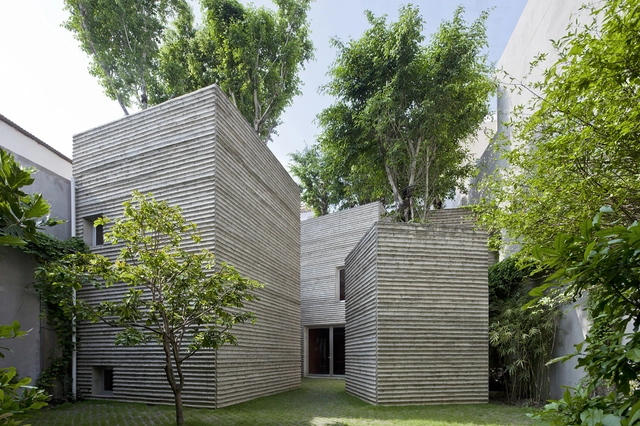
The winners of the 2014 AR House Awards have been announced, celebrating excellence and innovation in the design of a one-off house. This year, the jury consisted of AR Editor Catherine Slessor, Ben van Berkel (UNStudio), Yvonne Farrell (Grafton Architects), William Mann (Witherford Watson Mann Architects) and Abraham Thomas (Director, Sir John Soane's Museum).
Read on after the break for the full list of winners


https://www.archdaily.com/521064/ar-names-its-2014-house-awardsRory Stott
Australian Institute of Architects Announces 2014 NSW Awards
.jpg?1403805849)
The Australian Institute of Architects announced its 2014 NSW Architecture Awards in a ceremony held in Sydney last night. Among the 42 Awards and 18 Commendations given out, perhaps the biggest winner was Neeson Murcutt Architects, whose Prince Alfred Park + Pool Upgrade won the Sulman Medal for Public Architecture, the Lloyd Rees Award for Urban Architecture, and was a joint winner of the City of Sydney Lord Mayor's Prize.
In awarding the scheme by Neeson Murcutt Architects, the jury noted that it was "a rare synthesis of art and landscape, urban design and architecture" making the experience "a delight in every detail."
See the full list of 69 Awards, Prizes and Commendations after the break


https://www.archdaily.com/521147/australian-institute-of-architects-announces-2014-nsw-awardsRory Stott
Sneakerboy Store / March Studio
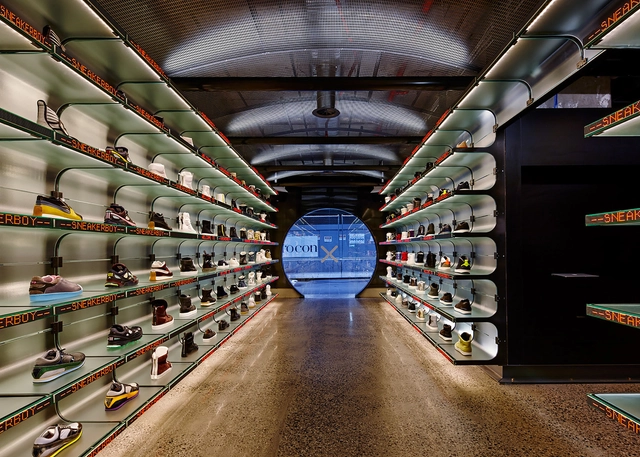


-
Architects: March Studio
- Area: 70 m²
- Year: 2014
-
Professionals: CBD Contracting, Co Struct Engineering
https://www.archdaily.com/515415/sneakerboy-store-march-studioKaren Valenzuela
Australian Institute of Architects Announces Winner of 2014 ACT Awards
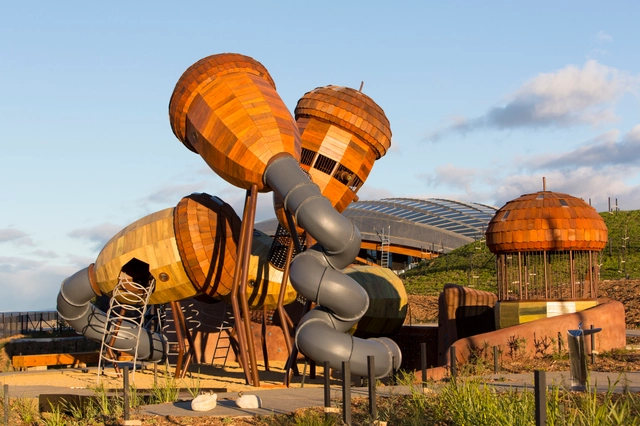
The Australian Institute of Architects have announced 35 awards out of a record 51 entries for the ACT Architecture Awards. The star of the show was Tonkin Zulaikha Greer’s (TZG) National Arboretum, which after winning the 2013 Romaldo Giurgola Award for Public Architecture last year received the highest prize of the Canberra Medallion.
Other awards included an Enduring Architecture award for Enrico Taglietti's 1979 project 'Apostolic Nunciature'; and the Australian National University Australian Centre on China in the World by Munns Sly Moore in association with Mo Atelier Szeto - which won the Romaldo Giurgola Award for Public Architecture, the Art in Architecture Prize and a commendation in the INLITE Light in Architecture Prize.
Read on after the break for the full list of awards


https://www.archdaily.com/516482/australian-institute-of-architects-announces-winner-of-2014-act-awardsRory Stott
Catholic Leadership Centre / Woods Bagot


https://www.archdaily.com/508613/catholic-leadership-centre-woods-bagotDaniel Sánchez
Wood Encouragement Policy Coming To Australia
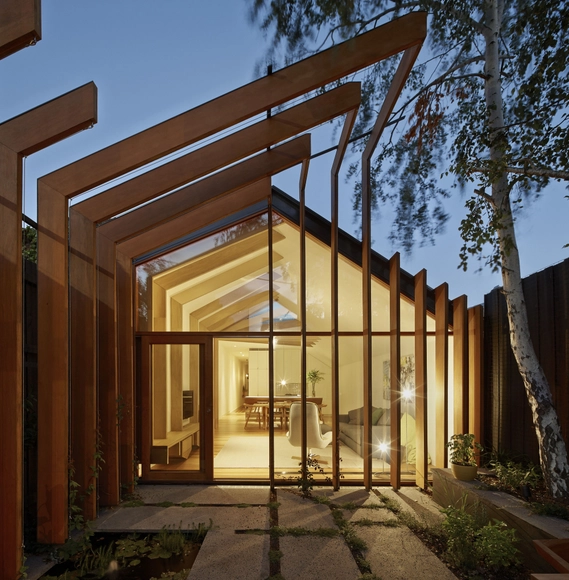
Latrobe City Council is pushing an initiative that would put “wood first.” If implemented, the “Wood Encouragement Policy” would educate architects and industry professionals about the structural and environmental benefits of wood in an effort to promote the local timber industry and use of sustainable building materials. Following the lead of the United States and New Zealand, both of which recently established “wood encouragement” policies, the council hopes that this will set a precedent that can be applied throughout the rest of Australia.
https://www.archdaily.com/499157/wood-encouragement-policy-coming-to-australiaStephen Stanley