

-
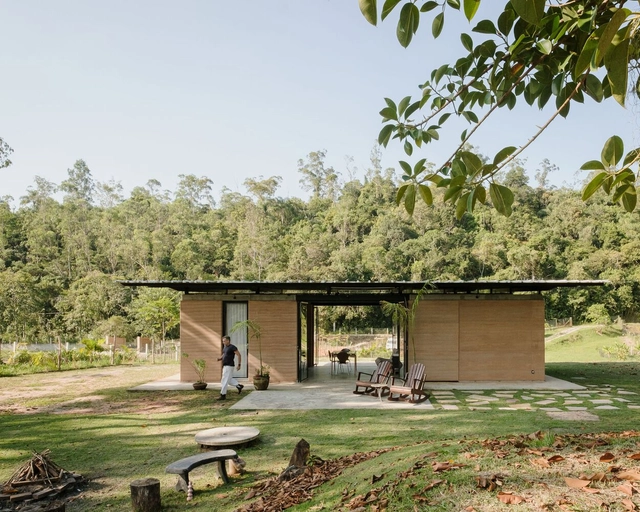
Architects: Terra e Tuma Arquitetos Associados
- Area: 657 ft²
- Year: 2018
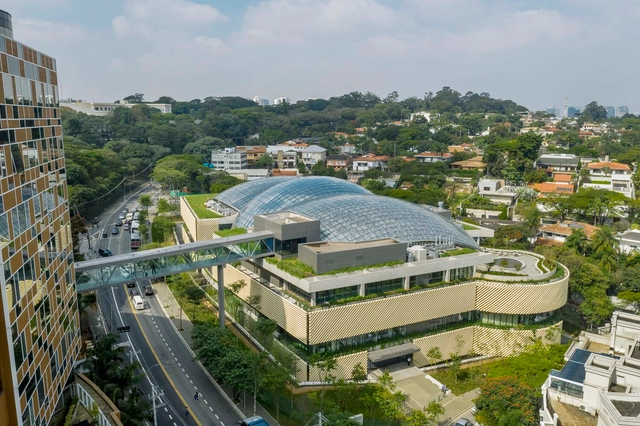
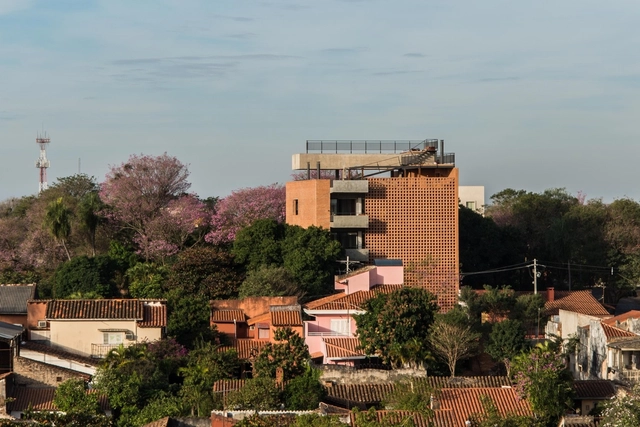
The end of the 19th century in the Americas is marked by a wave of historical disputes and political transformations that have as a backdrop the search for a national identity. The period records a series of conflicts and disputes for the independence of what we now know as sovereign countries and republics. In this context, the Pan-American or Spanish-American movements emerged, which, despite having different political influences, aimed at the unification of all the territories of the American continent.
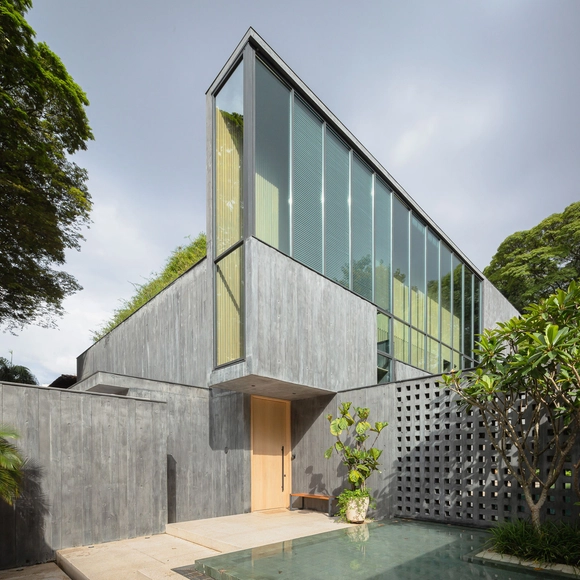
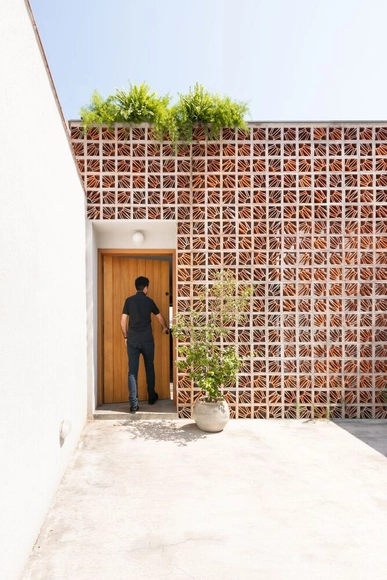
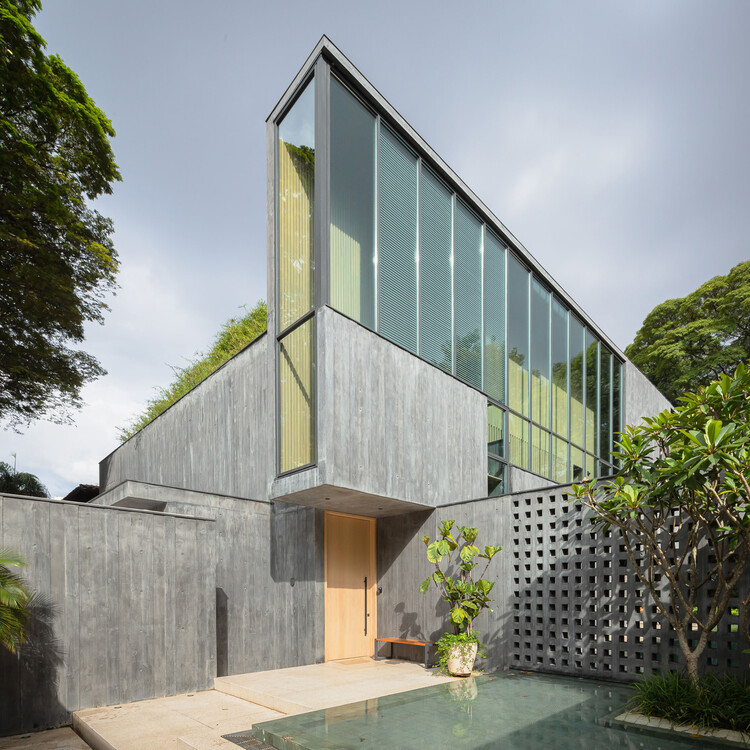
Visual permeability, ventilation and a strong identity appeal, the hollow elements have increasingly found their place in contemporary architecture. Whether in large buildings or small residences, they appear in different shapes, materials and compositions, helping to determine the degree of interaction between interior and exterior space. This artifice in a residential construction is an important tool to ensure privacy and intimacy, without losing the possibility of connections to the outside and natural ventilation.
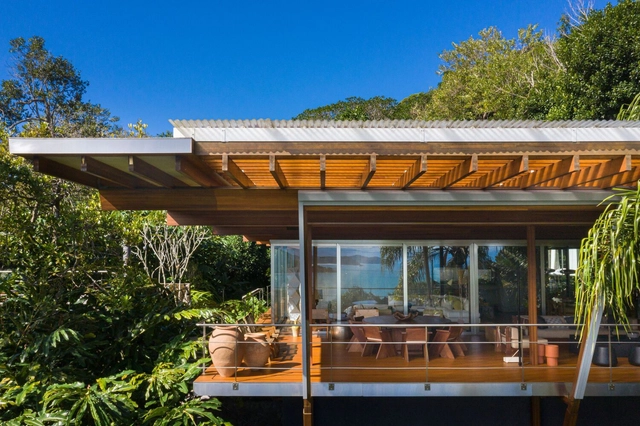
Founded in 1997, the São Paulo architecture firm Andrade Morettin Arquitetos Associados began with a partnership between Vinicius Andrade and Marcelo Morettin, which later included the architects Marcelo Maia Rosa and Renata Andrulis. Today, the office has more than two decades of history and a wide range of activities.
2021 was the year of a new reality, with humankind adapting to what is known as the second year of the pandemic. While some countries witnessed a return to alternative normality, opening up to the world through travel and events, others stayed in lockdown, expanding furthermore the inequality gaps. Nevertheless, this year also brought a lot of hope in all aspects, raising questions and building solutions for the near future. With a major focus on climate urgency, biomedical research as well as notions of hybridity, 2021 has triggered new understandings of the environment that surrounds us and of our place in this world.
Highlighting contextual topics, bringing both a local and global perspective, while shedding light on overlooked historical narratives, ArchDaily's diverse team of editors has been front and center, reacting to everything that has been happening. Always seeking "to empower everyone who makes architecture happen to create a better quality of life", the editorial content, generated across all sites, in our 4 languages, English, Spanish, Portuguese, and Chinese, provided tools, inspiration, and knowledge to widen horizons and help our users build a better future.
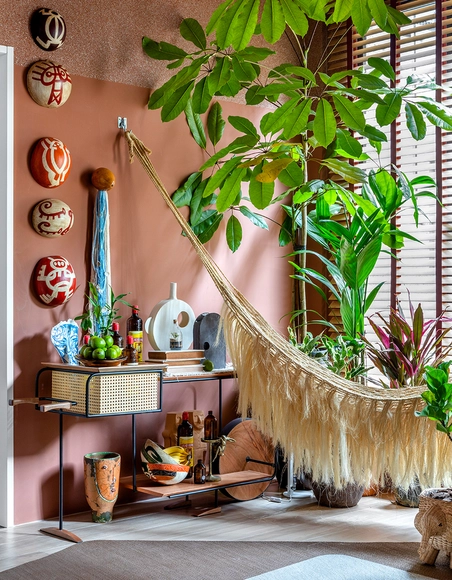
Hammocks are an undeniable passion and an iconic design element in Brazil and are key pieces of furniture in many Brazilian homes. In small houses or apartments, however, hammocks can often be difficult to place in the room. This article shows examples of how to include hammocks in architectural projects and ideas to inspire you to hang one in your apartment.
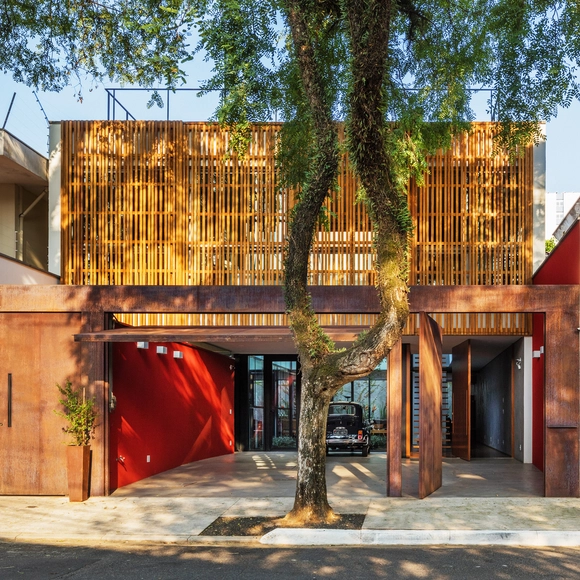
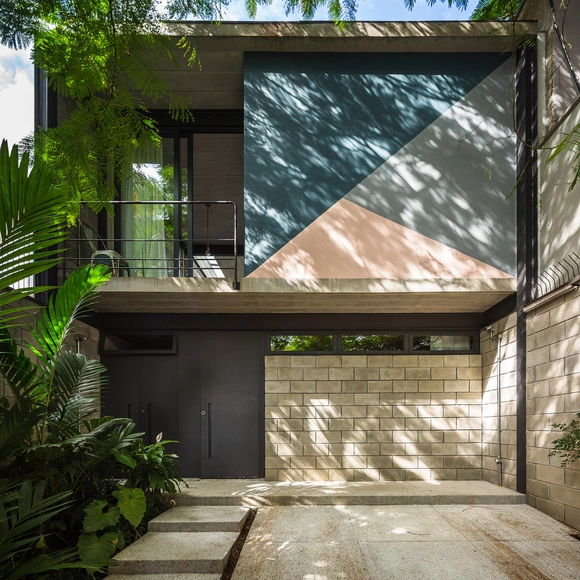
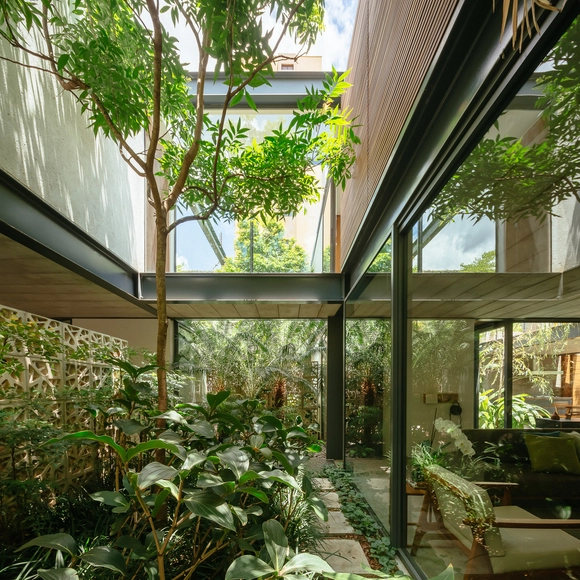
Houses are the most intimate structures we as architects can design. It is no coincidence that intimacy, security, and privacy are recurring concepts in residential architecture. Yet, like all architecture, houses are inevitably embedded in a context—an environment with which they must engage. There are many ways to achieve this, particularly within highly dense urban fabrics, as is the case in many Brazilian cities.
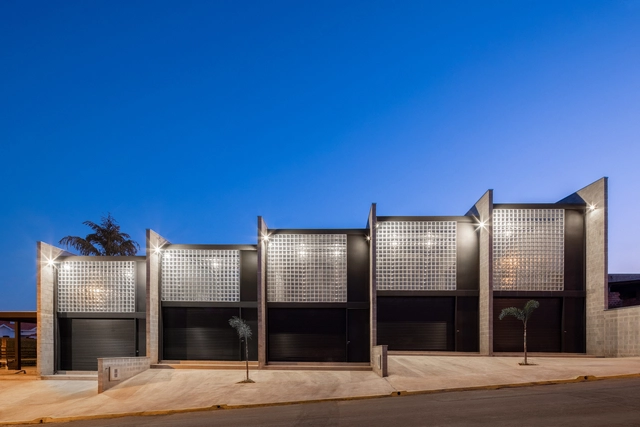
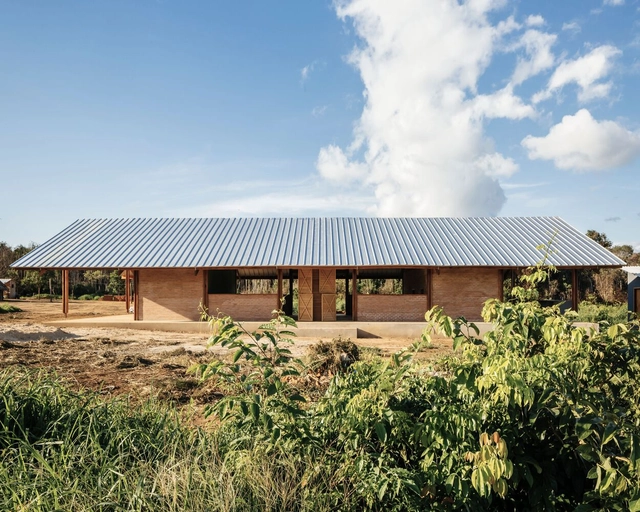
Briefly, structural masonry is a construction system in which the walls of the building perform a structural function, using masonry units arranged in a way that is self-supporting and load-bearing. The walls will evenly distribute the load to the foundation and later into the ground.
Stacked in layers, the bricks, blocks, or stones may or may not be connected by a binder (mortar) and steel reinforcements that heavily influence the mechanical properties of the wall, dimensioned to resist active forces.
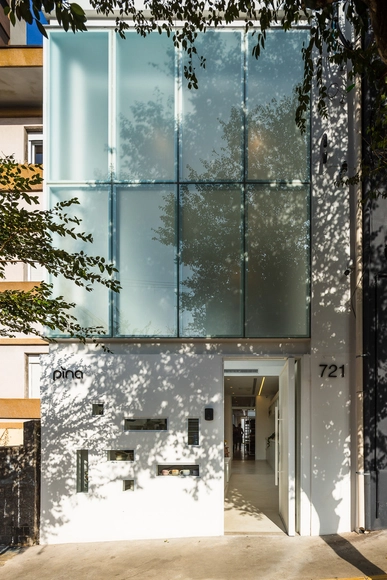
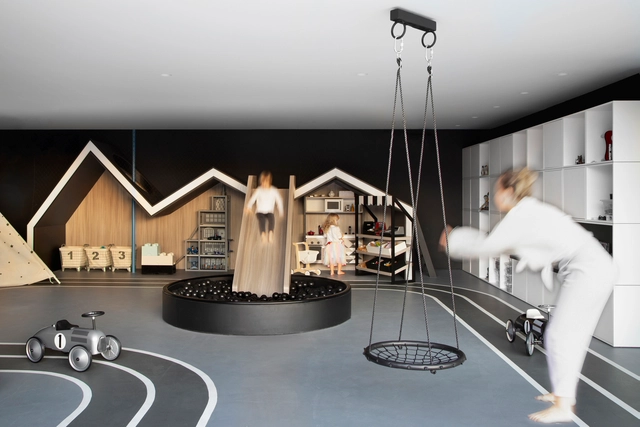
Beyond viewing the home as mere shelter and protection, there is now a much greater complexity of functions integrated into the elementary programs of dwelling. We no longer think only of spaces for sleeping, cooking, and bathing, but rather of a series of new programs that demand new spaces and configurations. Among these, leisure emerges as an activity integrated into living, in the form of backyards, swimming pools, and TV rooms.