

-
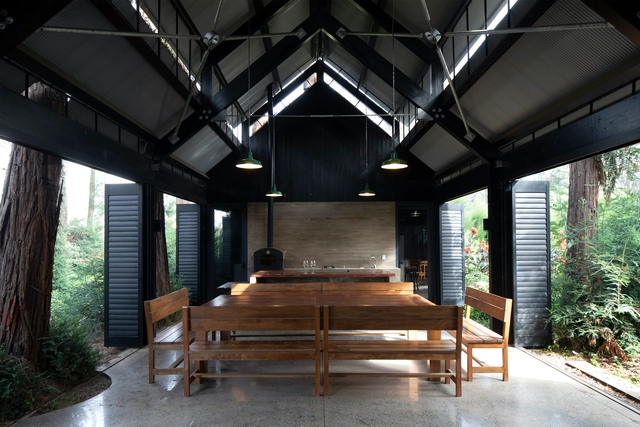
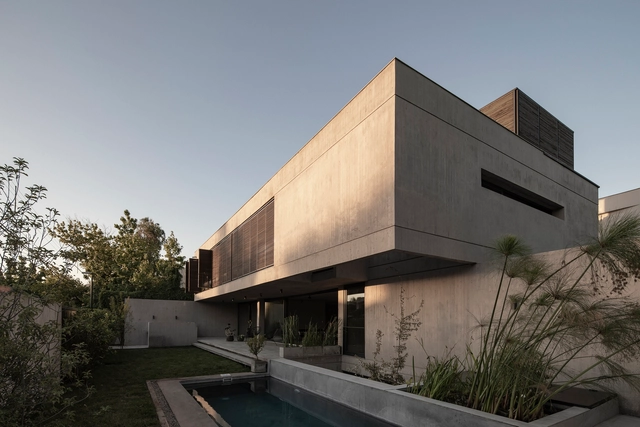
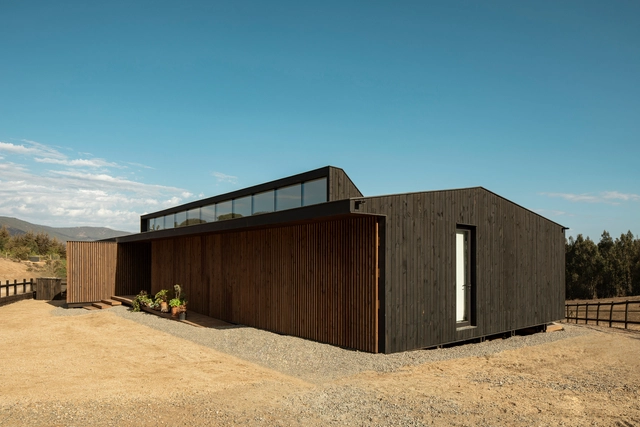
Architects: OF Arquitectos
- Area: 450 m²
- Year: 2018

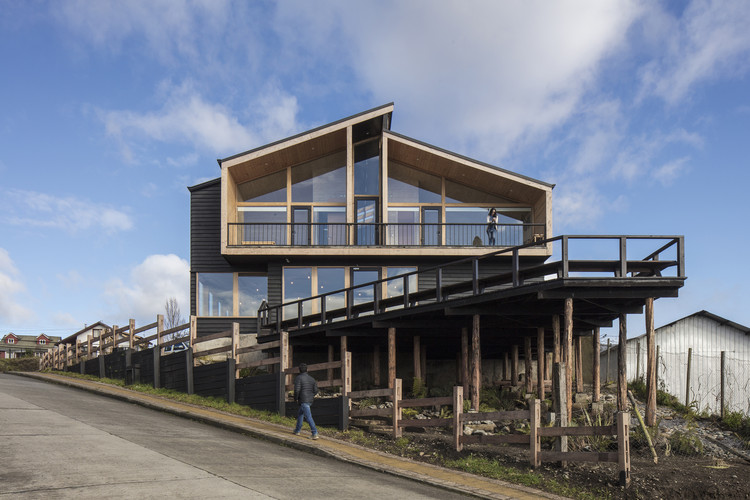
When I look at the architecture of Guillermo Acuña, I am quickly reminded of those well-known Chilean wooden houses scattered across the territory—those that mark distant points on the hills and gently blur the edges of the coastline, those that rise lightly and blend with nature, teaching us about material honesty and a connection to the landscape. Those that remind us of where we come from and of what humans create.
This is why we reached out to the office of GAAA for a brief interview, to hear the story behind their inspirations, purposes, explorations, and future vision.
Chilean architecture has a strong relation to the unique geography and climate of the country. Germán del Sol is recognized as one of the most prolific Chilean architects working with these demanding conditions, with projects across the country that enhance and rediscover the natural landscape, through architecture that uses natural materials, local techniques, and a profound sense of the place.
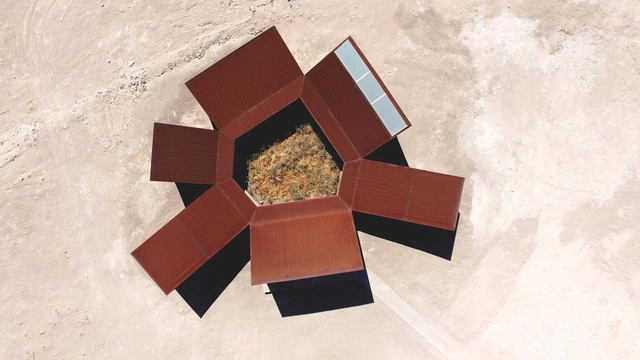
Photographer and filmmaker Pablo Casals-Aguirre revisits the Remota Lodge in Patagonia, one of the most celebrated projects by Germán del Sol, in a video that is able to transmit not only the static relationship with nature, but also the experience of inhabiting the landscape from the building.
The wild landscape of the Patagonian plains covers also the roofs of the buildings. The roofs concrete slabs are coated with the same synthetic asphalt membrane and a carpet of wild grasses 2 feet high [...] The ever changing light of Patagonia enters the building through the sequence of vertical cuts of the windowpanes. Then it surrounds big concrete or wooden pillars, and slides along the ceilings wooden trellises that hang well under the concrete slab. - Germán del Sol
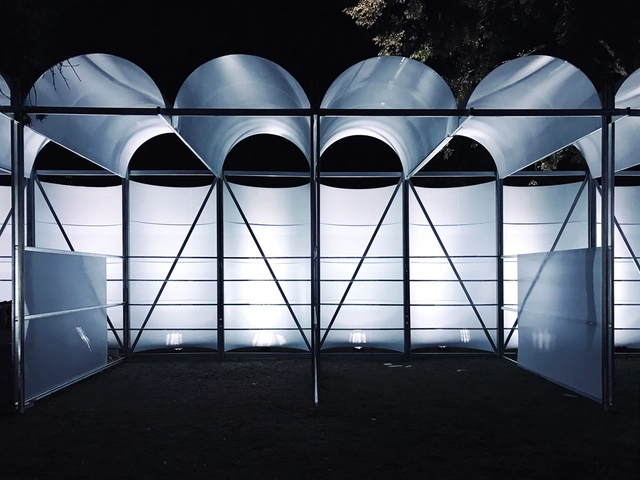
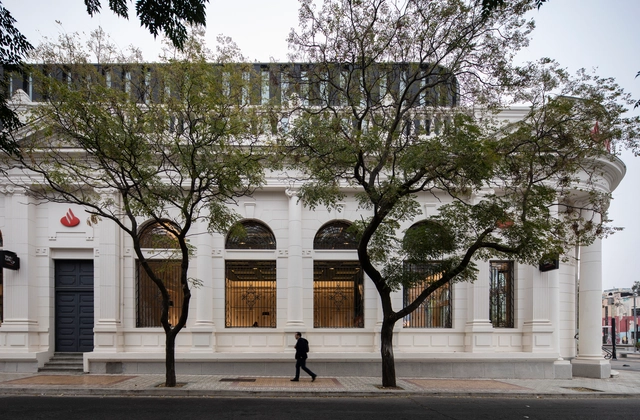

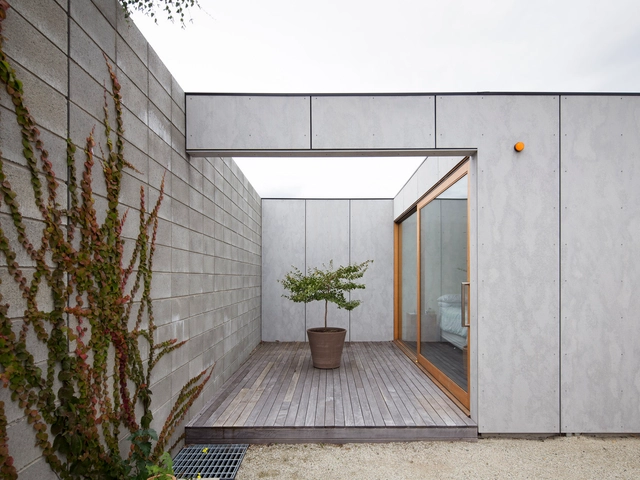
How to build light and modular facades with a rustic and monolithic appearance?
Composed of cement, cellulose, and mineral materials, fiber cement allows us to clad walls in a light, non-combustible, and rain-resistant way, generating facades with different textures, colors, and tones. Its panels are easily manageable and perforable, and can configure ventilated facades when installed with a certain separation between the rear wall. Check out 9 projects below that have cleverly used fiber cement as the primary material in facades.
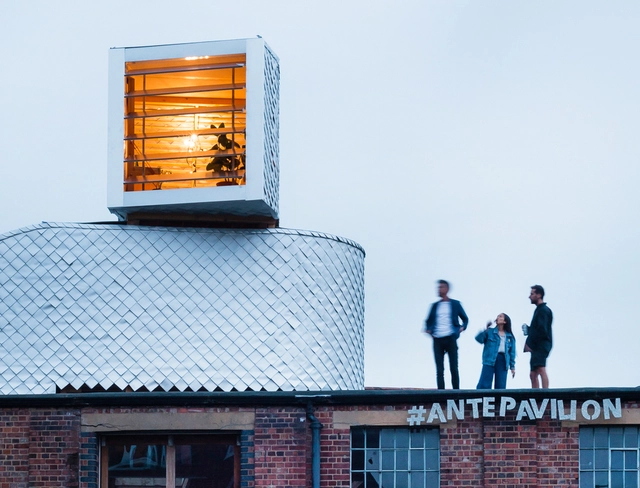
When we talk about roofs or fifth facades it is already a classic to think about green roofs. In reality, there is a wide range of uses and possibilities that materialize in different ways depending on the specific technical needs of each roof as well as the spatial and climatic possibilities of each location. The roofs can also be favourable spaces to develop structures, extensions, recreational areas and interactive spaces. It could even play a key role in the integration of a building with the landscape.

In 1979, CHC opened its doors as a toilet seat manufacturer in Chile. The company took its first steps manufacturing these under the Europa brand, later adding Delfin Coatings industrial paints, followed by bathroom fixtures from the Spanish brand Roca. During the 1980s, public restrooms in Chile used products designed for residential use, leading to frequent failures and a poor reputation. This unmet need opened the door to importing specialized products from the US and Italy to improve the country's public restrooms. Years later, CHC innovated by designing products specifically for the Chilean market. It developed the Wasser brand, introducing new fixtures to homes and buildings, such as whirlpool tubs, prefabricated furniture, bathroom partitions, shower trays, laminated glass screens, and cabins, among others.
During the 2000s, aiming to offer comprehensive solutions, the company added ceramic tiles, porcelain tiles, vinyl and laminate flooring, sports surfaces, and ventilated facades to its portfolio, incorporating more than 20 renowned brands based in Spain, Italy, and Brazil.








.jpg?1557928819&format=webp&width=230&height=230&crop=true)


