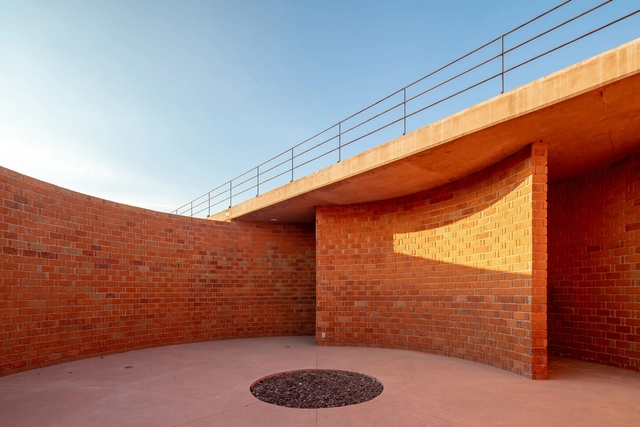


-
Architects: Taller de Arquitectura Miguel Montor
- Year: 2022
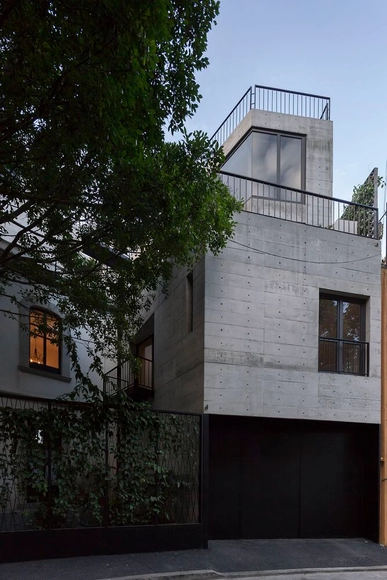
.jpg?1587612590&format=webp&width=640&height=580)
Climate is one of the key factors to take into consideration when designing a space. Of course, this can present a challenge, especially when dealing with extreme climates and the need for insulating materials that are able to adapt to a wide range of conditions. Luckily, for architects operating in Mexico, the country's privileged climate facilitates the creation of microclimates and spaces that blur the line between interior and exterior.
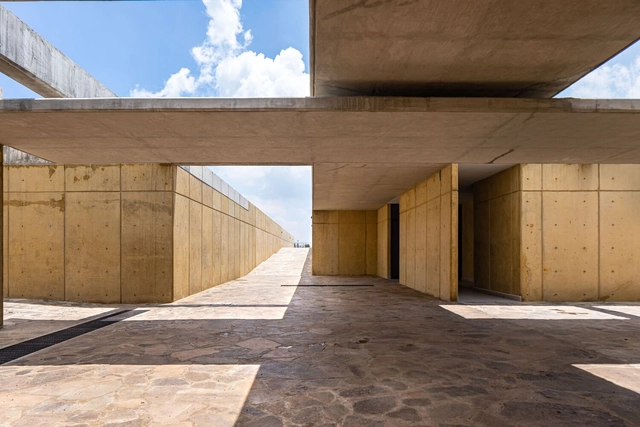
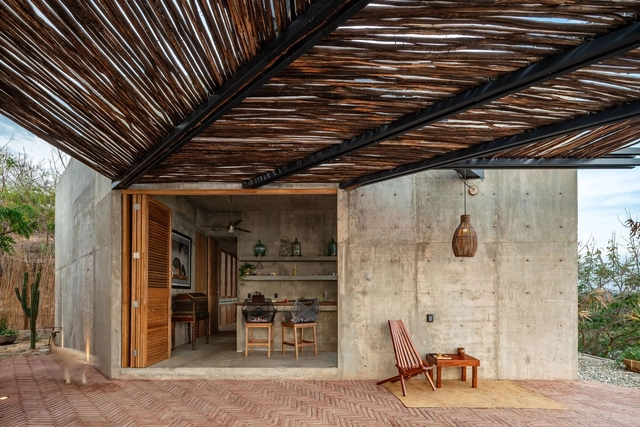
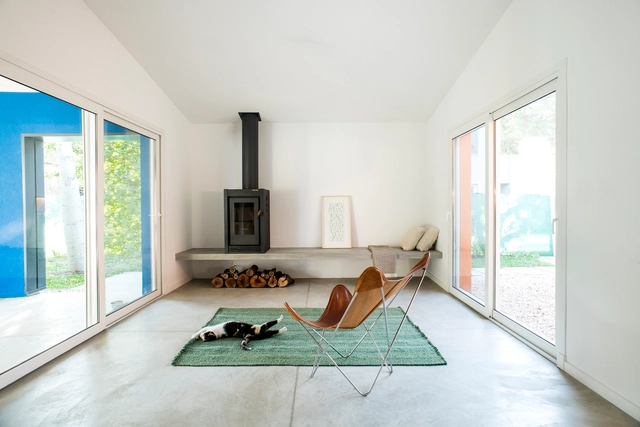
Originating as protection against low temperatures around 3,500 years ago, carpets and rugs have, over time, evolved into a true art form, reaching a high level of specialization by the 16th century. Rugs, carpets, and tapestries of various shapes, colors, textures, and patterns are integrated into different areas of the home to meet users' needs and enhance spatial comfort, sometimes extending far beyond their original purpose.
.jpg?1658430879&format=webp&width=640&height=580)
Over the years, interior design has evolved according to the needs that arise, but above all according to the experiences it seeks to evoke in the user. In the last two years we have witnessed a radical change and a special interest in this subject because the pandemic forced us to pay specific attention to the configuration of the places we inhabit. This brought about much more holistic designs that seek to address the wellbeing of the user, combining colours, sensory experiences, technology and natural elements that promote health.
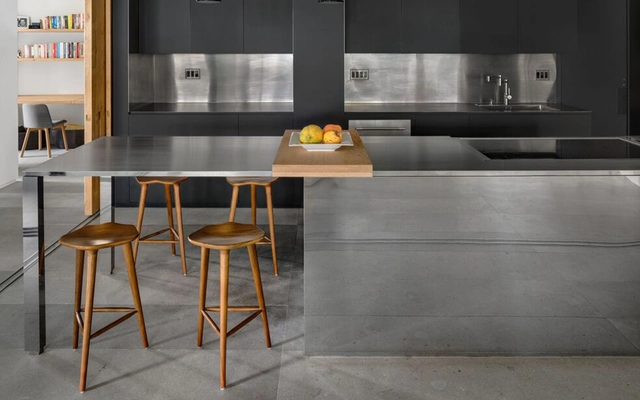
Over the years, interior design has evolved in response to changing needs, and above all, to the experiences it seeks to evoke for the user. Over the last two years, we have witnessed a radical shift and a heightened interest in this field, as the pandemic forced us to pay closer attention to how we configure the spaces we inhabit. This has brought about much more holistic designs aimed at user well-being, combining colors, sensory experiences, technology, and natural elements that promote health.

Is there only one way to inhabit the coast? The Pacific coast, the largest ocean on earth, is a vast territory with a great diversity of temperature, winds, and topography, among others. Consequently, it has a great variety of ecosystems, ranging from the freezing point near the poles, vast deserts and forests, to the hot tropical rainforest. Such majestic diversity is no stranger to architecture, responding to the different contexts in which it is placed. As a result, there is a great variety of architectural works, all of which share in framing the views of the sea.
The following list shows 30 residential projects along the Latin American Pacific coastline, revealing the diverse architectural approaches that exist along the coast.
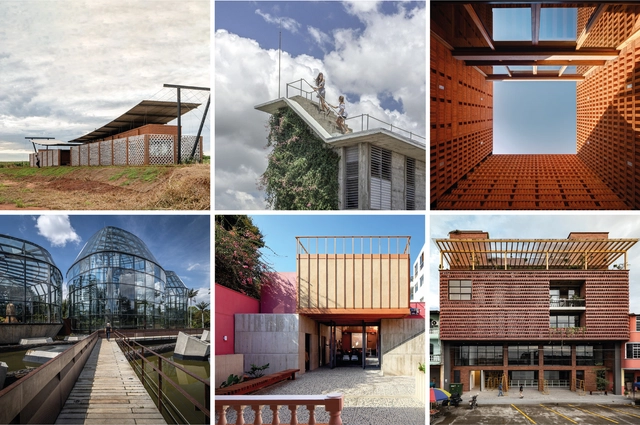
This November, REDBAAL will mark its first decade of activity, a milestone celebrated alongside four editions of the Oscar Niemeyer Award for Latin American Architecture (ON Award). Over these years, more than 350 projects have been submitted, all of which share the distinction of having been previously recognized at the most prestigious architectural biennials across Latin America.
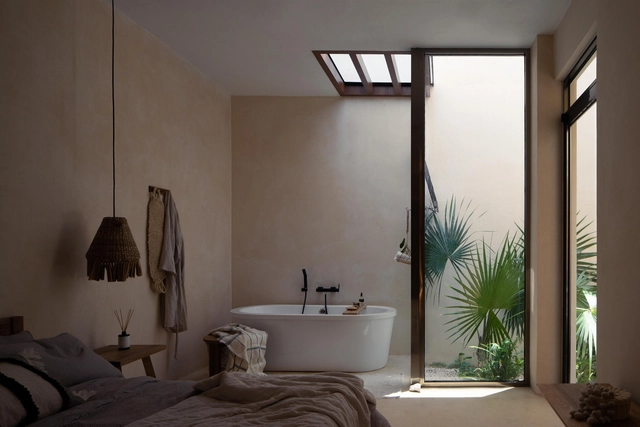
Over the years, interior design has evolved according to the needs that arise, but above all according to the experiences it seeks to evoke in the user. In the last two years we have witnessed a radical change and a special interest in this subject because the pandemic forced us to pay specific attention to the configuration of the places we inhabit. This brought about much more holistic designs that seek to address the wellbeing of the user, combining colours, sensory experiences, technology and natural elements that promote health.
![[DON'T TRANSLATE] The PILARES Program Seeks to Bring Beautiful Design to Mexico City’s Neglected Neighborhoods - Featured Image](https://snoopy.archdaily.com/images/archdaily/media/images/62b4/21c2/3e4b/31ac/f100/0004/slideshow/8D5A7030-1024x682.jpg?1655972285&format=webp&width=640&height=580)
Most visitors to Mexico City spend their time exploring tranquil, idyllic neighborhoods like Roma and Condesa, filled with quaint buildings, bustling pedestrian promenades, and cosmopolitan attractions. But life in the Mexican capital finds most of the population on the disadvantaged side of a vertiginous inequality, defined by meager wages, the looming threat of violence, and a glaring lack of public infrastructure. The government’s attempts to address the latter have often stumbled; it is common practice for projects that require architectural expertise to be assigned to building contractors, who produce layouts lacking in any design sensibility. This even though Mexico City now boasts one of the world’s most fertile design scenes and has a strong legacy of renowned architects working in tandem with the government to produce exceptional public works—from the urban housing projects of Mario Pani to the monumental buildings of Pedro Ramírez Vázquez.





.jpg?1587612634&format=webp&width=230&height=230&crop=true)


.jpg?1587612590)






![[DON'T TRANSLATE] The PILARES Program Seeks to Bring Beautiful Design to Mexico City’s Neglected Neighborhoods - More Images](https://images.adsttc.com/media/images/62b4/21c2/3e4b/31ac/f100/0004/newsletter/8D5A7030-1024x682.jpg?1655972285)


