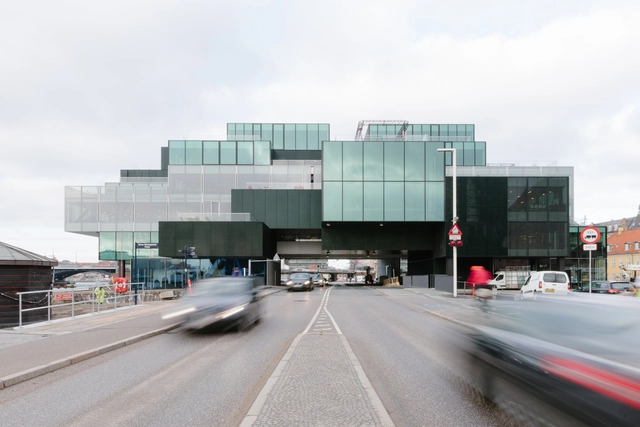
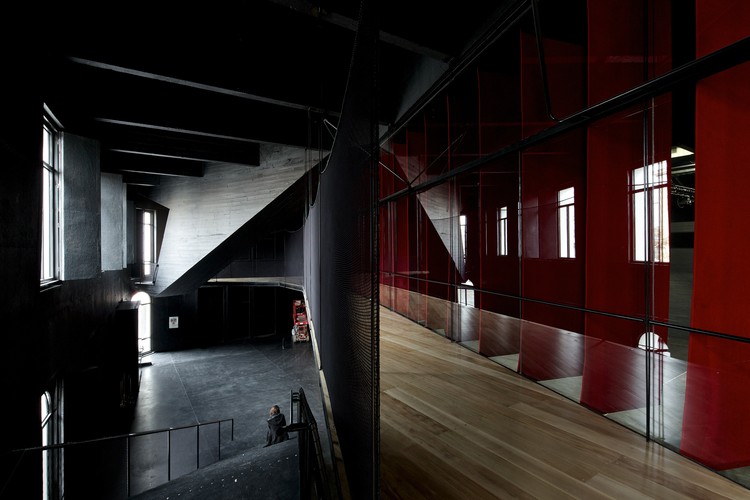
Ever since we announced the results of the competition for the "New Bío Bío Regional Theater," promoted by the Regional Government and the Architecture Area of the National Council of Culture and the Arts, we had been eagerly awaiting the completion of the winning proposal.
https://www.archdaily.com/1114641/the-narrative-behind-the-theater-designed-by-smiljan-radic-eduardo-castillo-and-gabriela-medrano-for-the-biobio-region-in-chilePola Mora
The modern movement was a key player in the cultural construction of Chile in the 20th century. Although the first projects came from the private sector, their urban and landscape principles were adopted by the modernizing project of the welfare state that began to be built after the social conflicts that exploded in the 1920s.
During chile's industrialization process, the State's housing construction incorporated concepts such as liveability, and universal access to housing and sanitation, which were put to the test early on in the reconstruction of cities such as Chillán after the 1939 earthquake. As Chile is a country that is familiar with earthquakes, it was necessary to readjust the concepts of the modern movement to national structural requirements, that is, resizing the reinforced concrete sections, which gave them a heavier visual expression than in Brazil or Argentina.
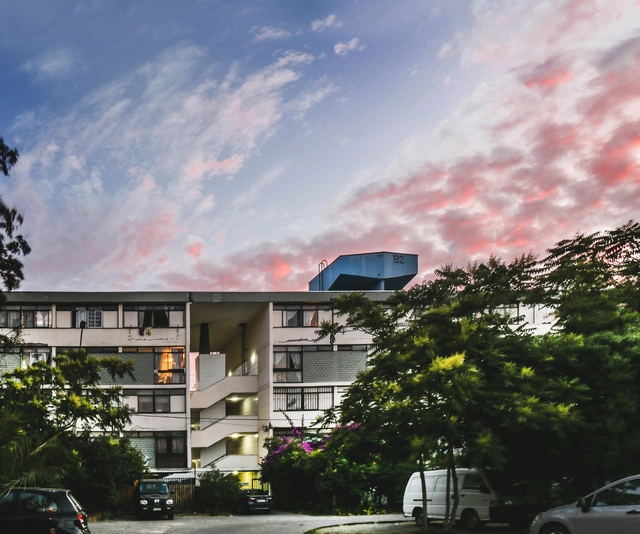
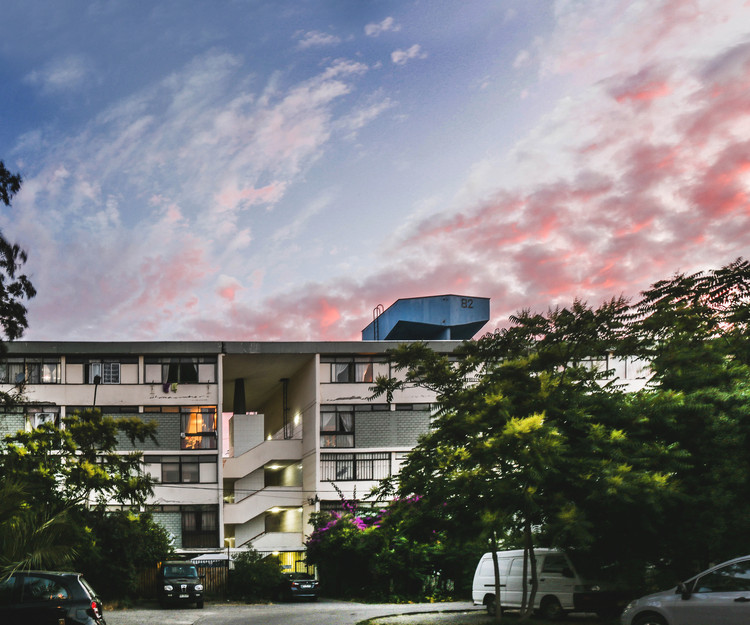
From the daring vision of Sergio Larraín García-Moreno and Jorge Arteaga in the Oberpaur building - the first of the modern movement - to the urban visions of BVCH in the Villa Portales, or the first exercises in height in the upper middle class sectors, the modern movement has left its mark on our society and in our cities. However, only one of the projects presented here is declared a historical monument.
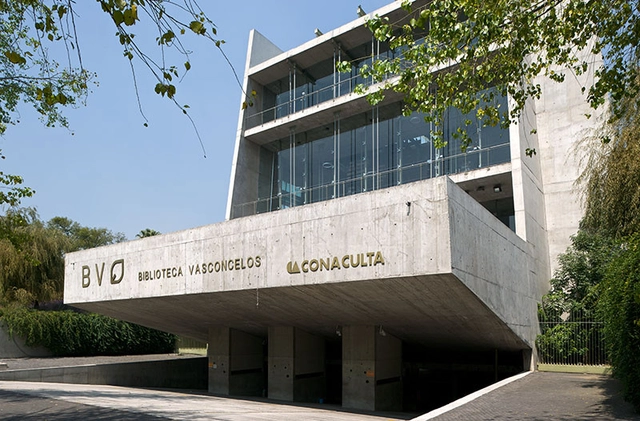
In this edition of the architectural guides, we present you twenty chronologically ordered projects that reflect the evolution of the modern movement in Santiago, Chile.
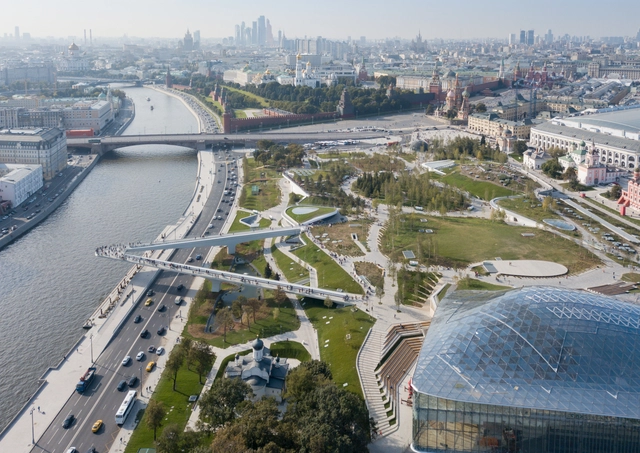
A UNESCO designated World Heritage site, Red Square is the historic center of not only Moscow but Russia’s cultural life. In the 1400’s, this city center was a poor, blighted area until Ivan the Great called on Italian architects to help him build the Kremlin, or fortress. This outdoor urban space is now home to St. Basil’s Cathedral, the State Historical Museum, the GUM Department Store and Vladimir Lenin’s mausoleum. St. Basil’s is one of the most recognizable buildings in Russia due to it’s unique domes, towers, cupolas, spires and arches. Some of the best Russian history and art lives behind the distinctive red brick walls of the State Historical Museum. The GUM Department Store makes Red Square a luxuriant shopping destination. In it’s lifetime, the Square has hosted innumerable speeches, parades, rock concerts and festivals.