-
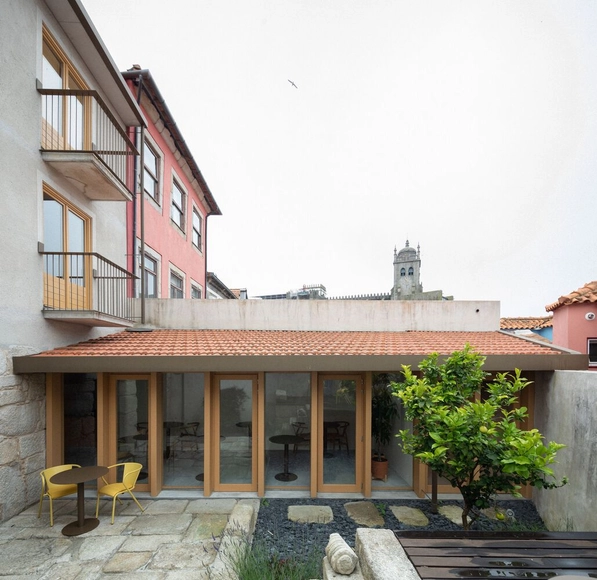
Architects: António Cruz Lopes
- Area: 250 m²
- Year: 2021
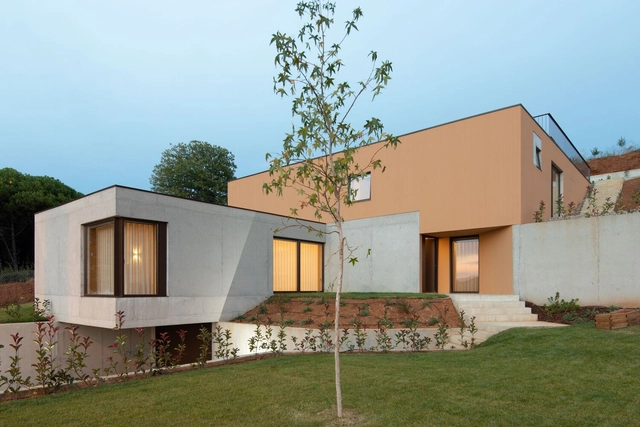
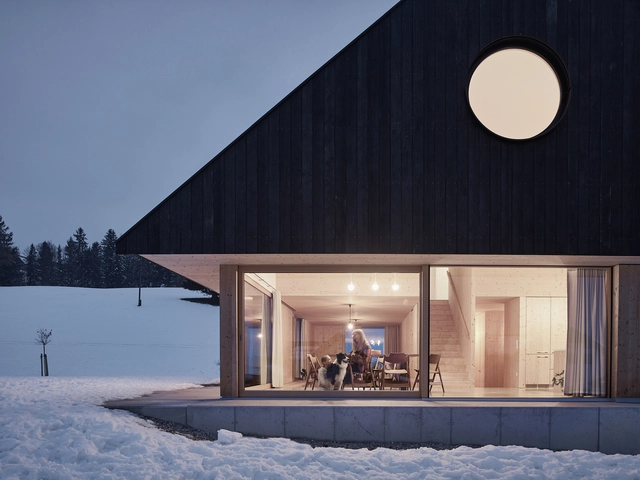
Minimalism has shaped architecture for over a century. Embracing new materials and rejecting ornament, the modernist movement grounded minimalist architecture through rational use and function. Throughout the 20th century, architects returned to minimalism as they worked with glass, steel and reinforced concrete. Over time, minimalist and modernist designs became more closely tied to cost, construction and aesthetic.
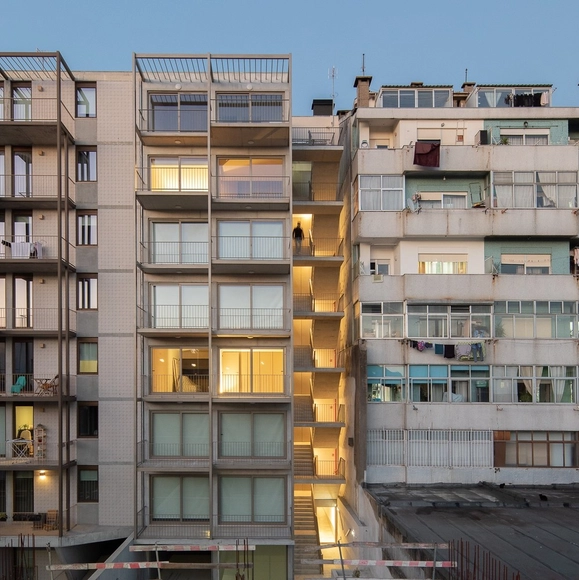
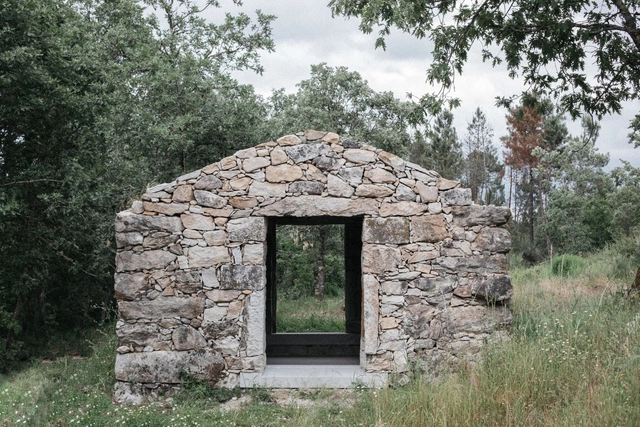
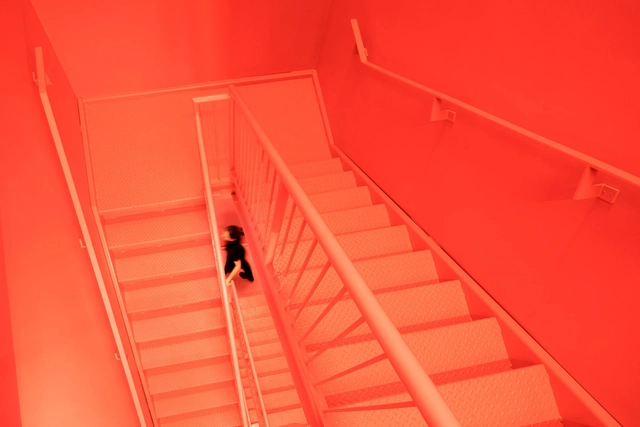
Just as the colors of an abstract painting or photograph can produce a certain mood, so can the colors of a building or room profoundly influence how the people using it feel. Physiologically, study after study has shown that blue light slows the production of melatonin, keeping people more alert or awake even at night. Psychologically, people associate certain colors with certain feelings due to cultural symbols and lived experiences – for example, they might perceive the color red as menacing or frightening because of its connection to blood.
Altogether, the way a room is colored can have complex effects on how its users feel, while a façade can be perceived in dramatically different ways depending on how it is colored. Below, we summarize the emotional associations of every color, assessing their differing effects as each is used in architectural space.

No País dos Arquitectos is a podcast created by Sara Nunes, who is also responsible for the architectural film production company Building Pictures. The podcast aims to get to know the professionals, projects, and stories behind landmark contemporary Portuguese architecture. With just over 10 million inhabitants, Portugal is a fascinating country when it comes to this professional field, and its architectural output punches far above its population or territorial scale.
In this episode, Sara talks with architects Carlos Azevedo, João Crisóstomo, and Luís Sobral from depA architects about the exhibition of the project In Conflict, the Portuguese official representation at the Venice Architecture Biennale. Listen to the interview and read the transcript of the conversation below:

To get to know the architects, projects, and stories behind landmark Portuguese architecture, Sara Nunes, of the architectural film production company Building Pictures, launched the podcast No País dos Arquitectos, in which she talks with leading names in contemporary Portuguese architecture.
In this week's episode, Sara talks with architects Cristina Guedes and Francisco Vieira de Campos, of the firm Menos é Mais Arquitectos, about the Arquipélago - Contemporary Arts Center in the Azores. Catch up on past interviews from the No País dos Arquitectos podcast and read the transcript of the interview below:
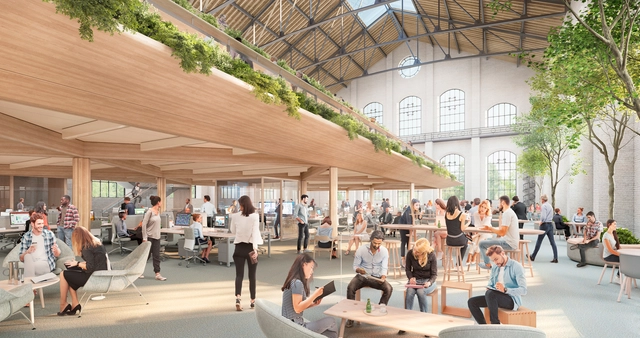
Cities around the globe have widely adopted the concept of adaptive reuse and the importance of investing in historic sites and bringing them into the present day. Instead of focusing on brand new, ground-up construction, many are seeing the value in repurposing structure for new programs. Old churches are becoming restaurants, factories are transformed into museums and apartments, and warehouses are designed to become iconic office spaces. But beyond individual buildings, some planners and preservationists are reimagining what it means to revitalize in a similar way, but at a city scale, and how we can determine the buildings that would benefit our neighborhoods if they are repurposed.
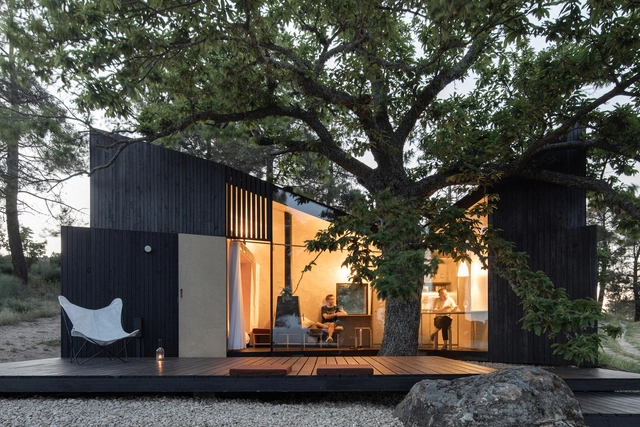
The results of the National Wood Architecture Award - PNAM’21 have been announced. In its sixth edition, the award recognized a winning project and two honorable mentions in “Sustainability and Circular Economy” and “Material Typology.” The main prize was awarded to Casa no Castanheiro, designed by architect João Mendes Ribeiro, located in Valeflor.
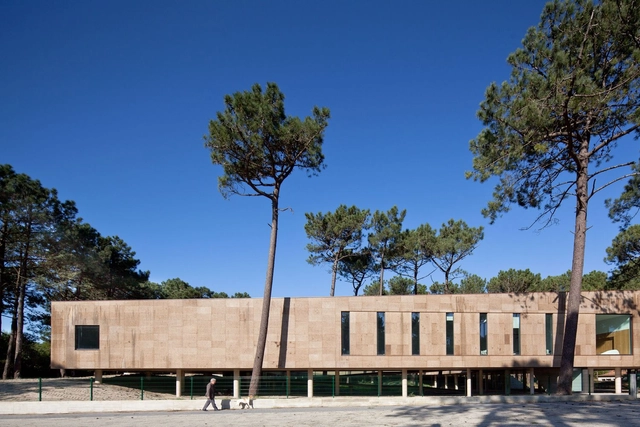
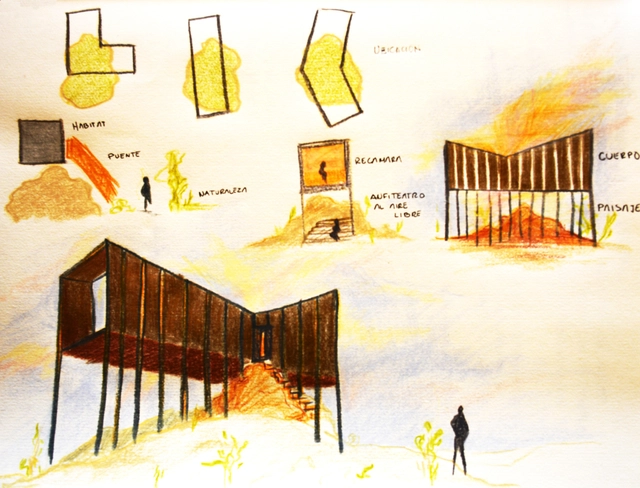
Stilt houses are houses raised on piles over the surface of the soil or a body of water. Dating back to the Neolithic and the Bronze Ages, a wide variety of raised dwellings have been identified in a variety of forms worldwide, designed with several diverse and innovative methodologies. Stilt houses are well suited to coastal regions and subtropical climates. More than just a distinctive structural design resolution, they also protect against floods, maximize views and allow homeowners to build on rocky, steep, or unstable land. They also serve to keep out animals and vermin, provide ventilation from underneath, and minimize a house’s ecological footprint.
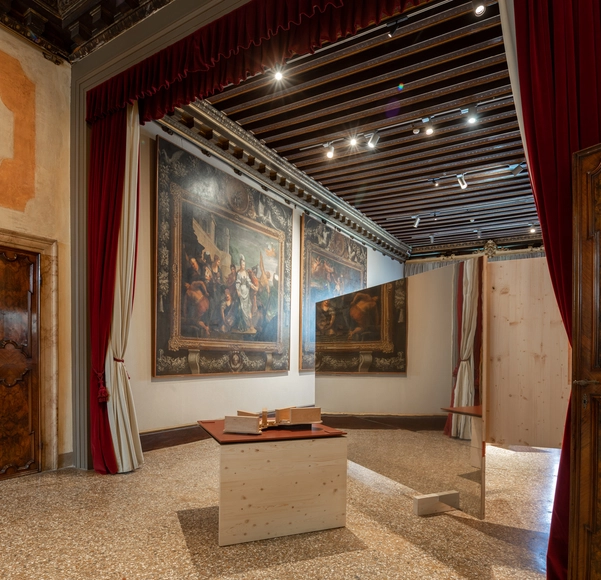
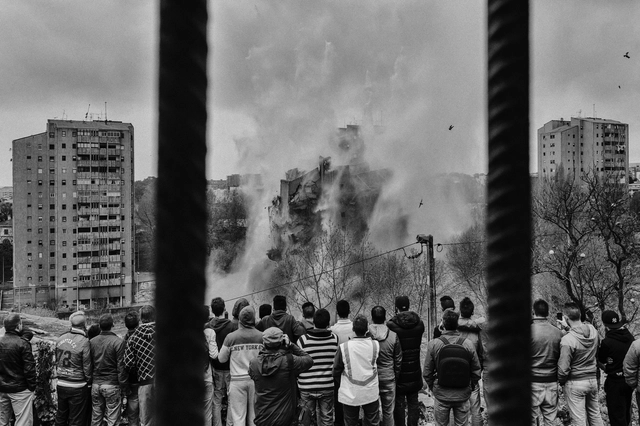
In Conflict, the Portuguese Official Representation at the 17th Architecture International Exhibition La Biennale di Venezia, 2021, is co-curated by Carlos Azevedo, João Crisóstomo, and Luís Sobral of depA architects, and Miguel Santos. The exhibition addresses public spaces as arenas of conflict, understood as the action of opposing forces translated as dissension. In Conflict responds directly to the question 'How will we live together?' posed by Hashim Sarkis, curator of the Biennale Architettura, and is based on seven architectural processes involving collective dwellings that were the subjects of broad media coverage and public involvement.




.jpg?1635270798&format=webp&width=230&height=230&crop=true)