

-
Architects: David Guerra
- Area: 675 m²
-
Manufacturers: Indusparquet, Neolith, Terracor, Insight, kitchens
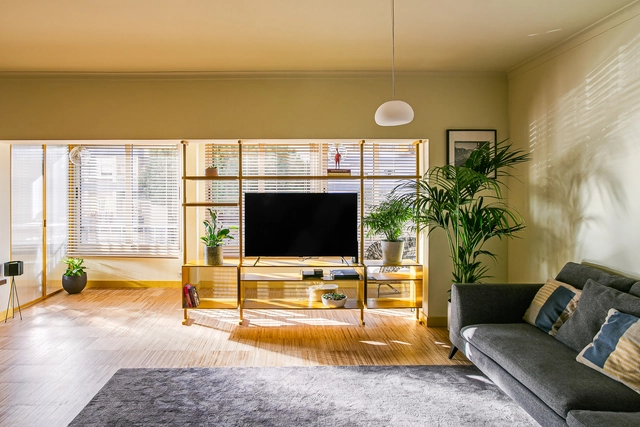
The TV is one of the main elements that make up the living room, especially in most Brazilian homes, where the living room is the place both for receiving visitors and for enjoying rest and leisure. However, it is not always easy to position this equipment, which varies so much in size and especially to combine it with the rest of the space.
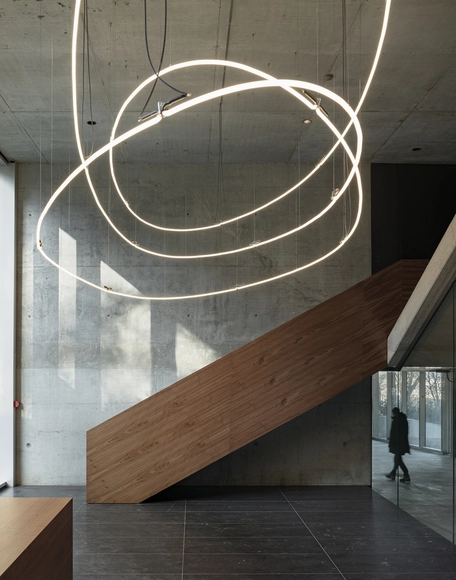
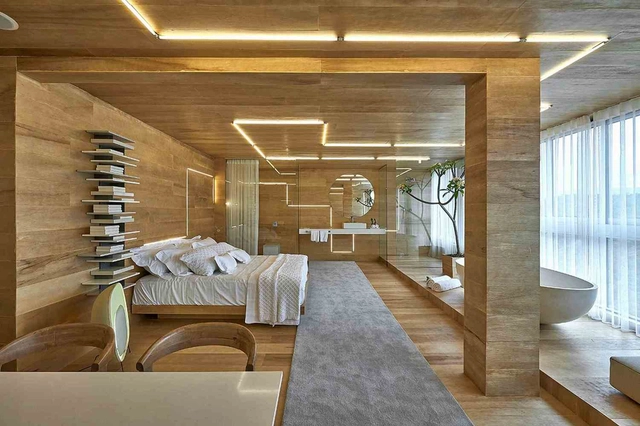
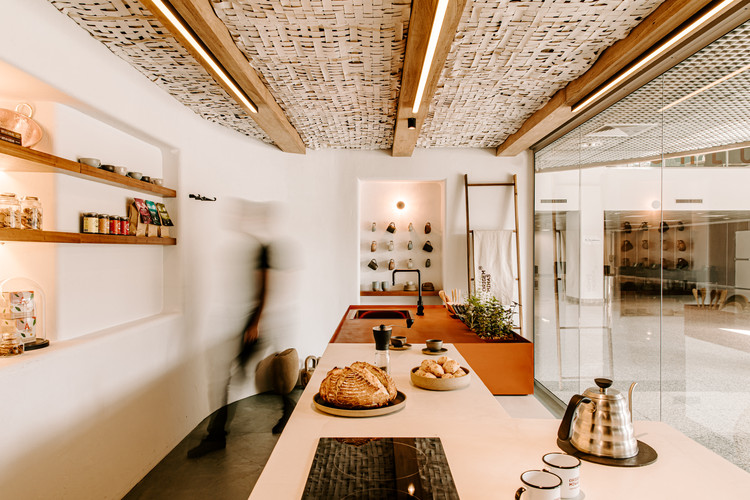
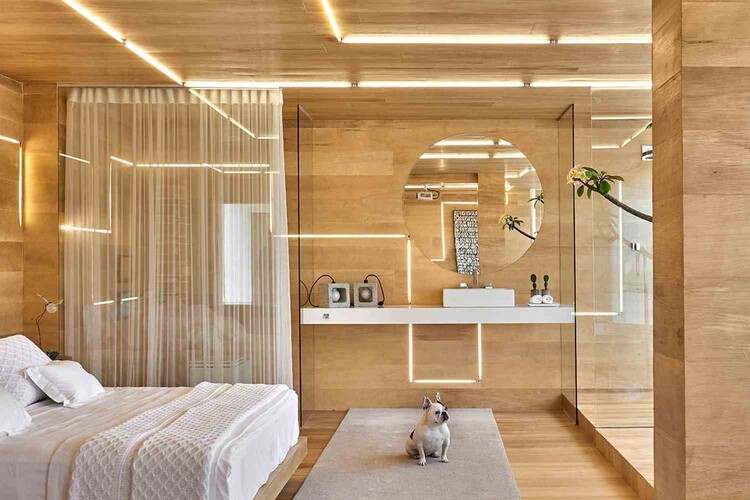
Light serves an essential purpose in architecture: to help us see. Whether it be through natural or artificial methods, rooms must be illuminated accordingly so occupants can safely inhabit them and fulfill their daily functions. When the right system is selected, light can also contribute to energy efficiency and sustainability within the building as a whole. However, apart from its evident functional and environmental value, lighting design can vastly impact the visual comfort and aesthetic tone of interiors by drawing attention to textures, enhancing colors and defining volumes. Therefore, of the many pieces involved in interior design, lighting is certainly one that can enhance or destroy a space and even affect users’ well-being, which is why it should be considered a crucial design element by itself.
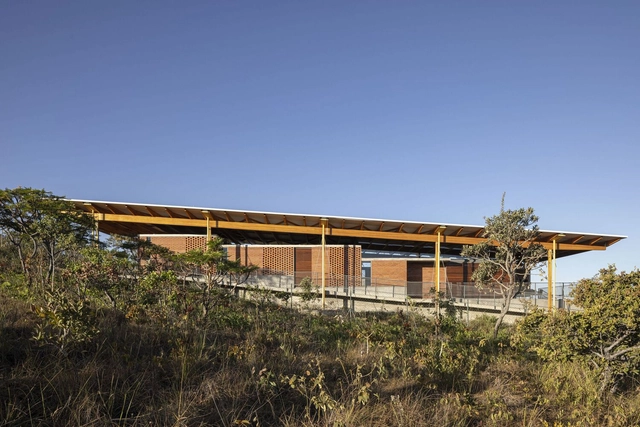
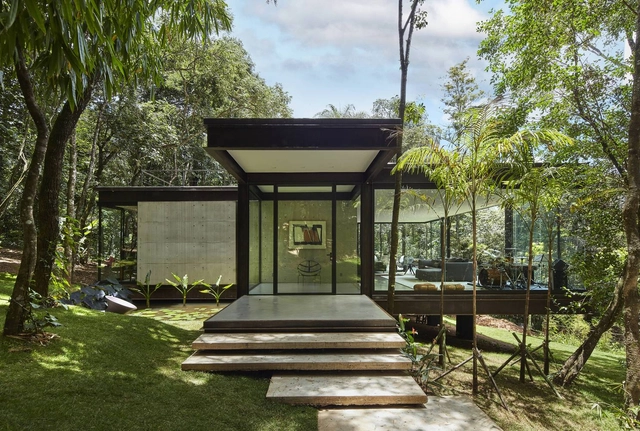
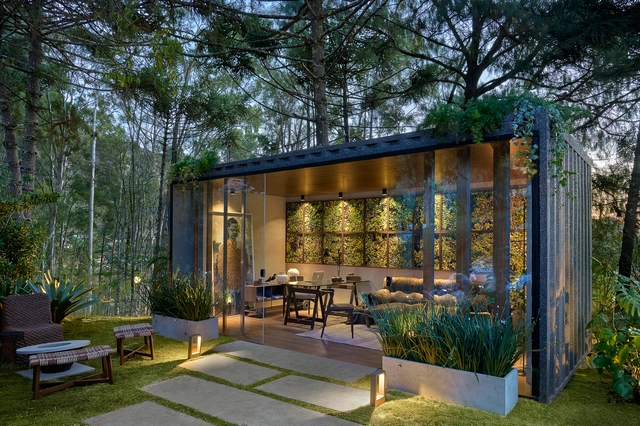
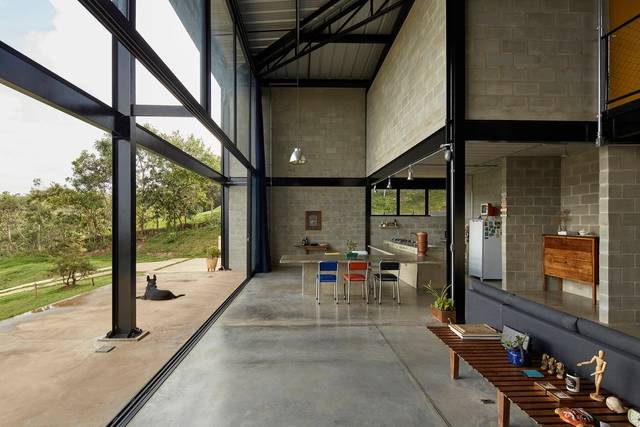
Every year, our curatorial team presents a retrospective of house projects that stood out over the period. This collection, a small selection of the more than two thousand projects published on ArchDaily Brasil this year alone, comprises a series of residences with specific design solutions that address, each in their own way, factors such as materials, construction techniques, structural systems, building processes, and programs.
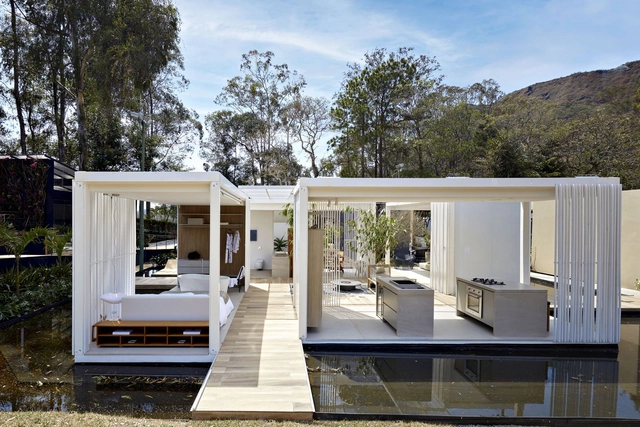
.jpg?1632418780&format=webp&width=640&height=580)
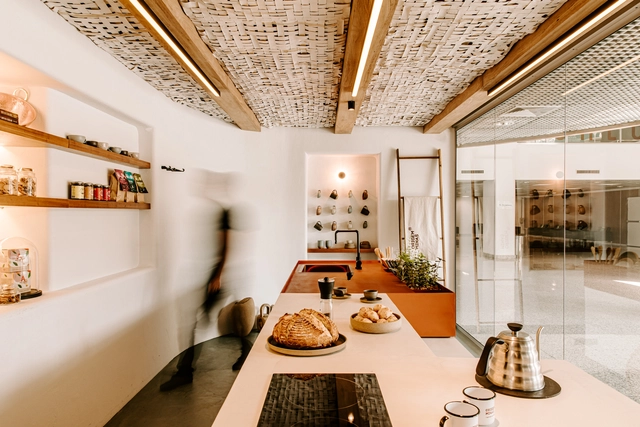
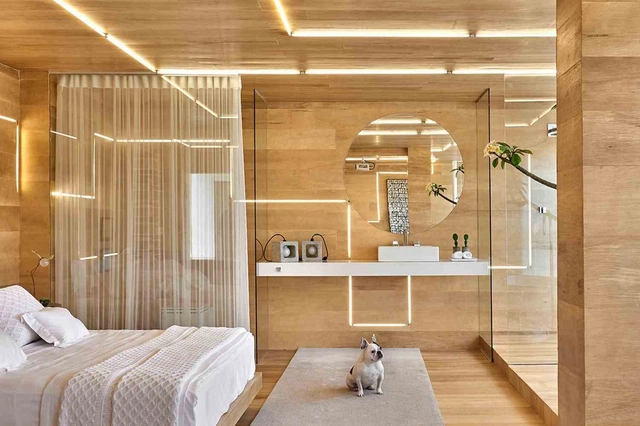
Natural or artificial, lighting is one of the most important elements in architecture, directly affecting our perception of spaces. It is capable of defining volumes, enhancing colors, textures, and therefore, contributing to the overall relationship between dimension, proportion, and contrasts. One of the many challenges of architecture is to shape spaces based on light and shade, and sometimes natural light is not enough, requiring additional light sources to be installed and controlled.
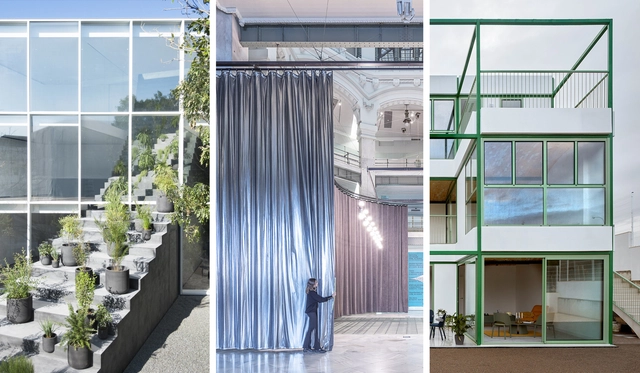
As we look back at the architecture projects we have published in 2020, as part of our yearly review, we were able to distinguish many recurring elements and solutions in terms of materials, programs, and functions.
Since the architecture industry moves slightly slower than others, we found that many things in the construction and design that have been building up these past years have come out making strong statements this 2020. We believe, therefore, that trends in the architecture world could be defined not only by what has been recurrent and popular but also, what has proven to be relevant and substantial.
_-_Copia.jpg?1611193553&format=webp&width=640&height=580)



.jpg?1632419007&format=webp&width=230&height=230&crop=true)
.jpg?1632418983&format=webp&width=230&height=230&crop=true)
.jpg?1632418838&format=webp&width=230&height=230&crop=true)
.jpg?1632418909&format=webp&width=230&height=230&crop=true)
.jpg?1632418780)






.jpg?1611193484&format=webp&width=230&height=230&crop=true)
.jpg?1611193570&format=webp&width=230&height=230&crop=true)
.jpg?1611193589&format=webp&width=230&height=230&crop=true)
.jpg?1611193527&format=webp&width=230&height=230&crop=true)
_-_Copia.jpg?1611193553)
.jpg?1611170736&format=webp&width=230&height=230&crop=true)
.jpg?1611170721&format=webp&width=230&height=230&crop=true)
.jpg?1611170609&format=webp&width=230&height=230&crop=true)
.jpg?1611170614&format=webp&width=230&height=230&crop=true)