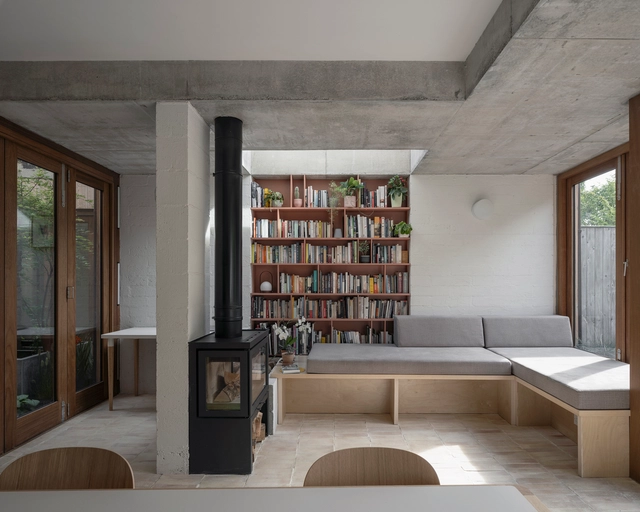


-
Architects: Scullion Architects
- Area: 130 m²
- Year: 2023
-
Manufacturers: New Terracotta
-
Professionals: Vitas & Co Ltd, MOCA Consulting Engineers
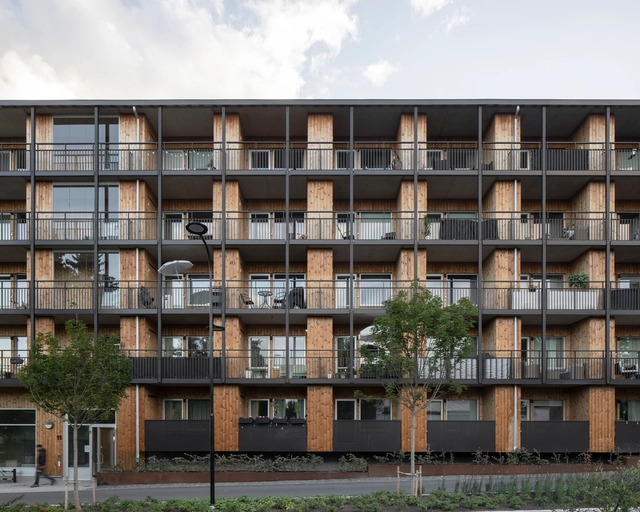
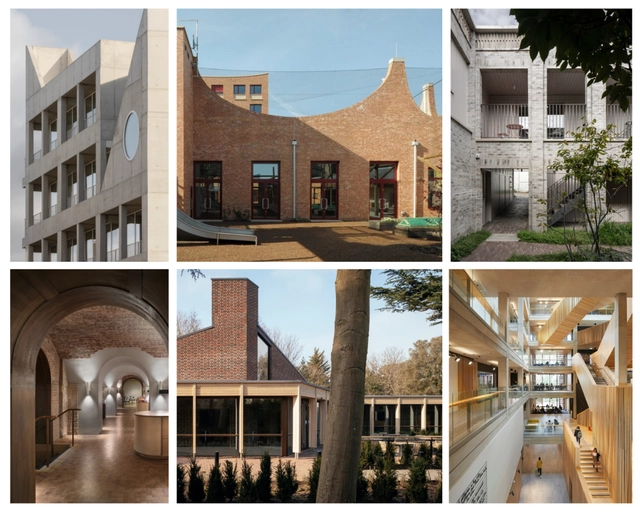
The Royal Institute of British Architects (RIBA) has announced the six projects selected for the shortlist of the 2023 RIBA Stirling Prize. The annual award is one of the United Kingdom's most prestigious recognitions in the field of architecture, judging projects on a range of criteria, including design vision, innovation, originality, and the capacity to engage and delight the occupants and visitors. Sustainability and accessibility are also crucial conditions for the selection. This edition’s shortlist includes projects by architects such as Apparata, Sergison Bates Architects, and Adam Khan Architects, featuring for the first time at the Stirling Awards Shortlist, as well as practices that have previously won, Witherford Watson Mann Architects and Feilden Clegg Bradley Studios.
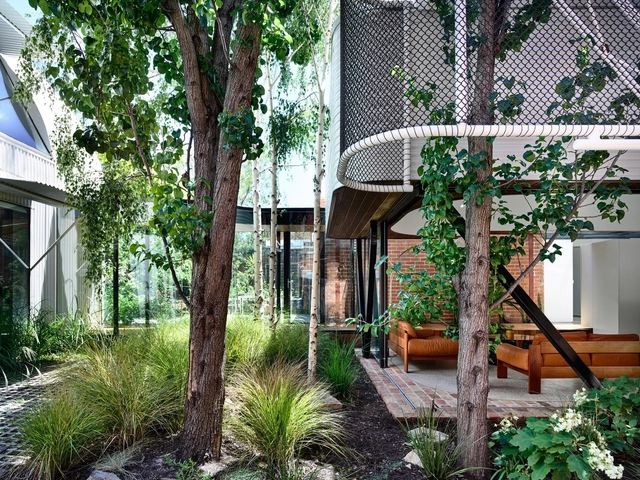
A healthy environment that is also visually appealing in our homes has become increasingly sought when it comes to designing houses and residential spaces, especially during the world’s current context. One of the most successful ways of achieving this is through a thoughtful design of the landscape that complements the built project. The art of landscaping is the arrangement of nature’s raw material elements, like vegetation and planting, combined with nonliving elements, such as exterior structures, paving, and decking, in order to create site-specific solutions that enhance the exterior spaces of a project.
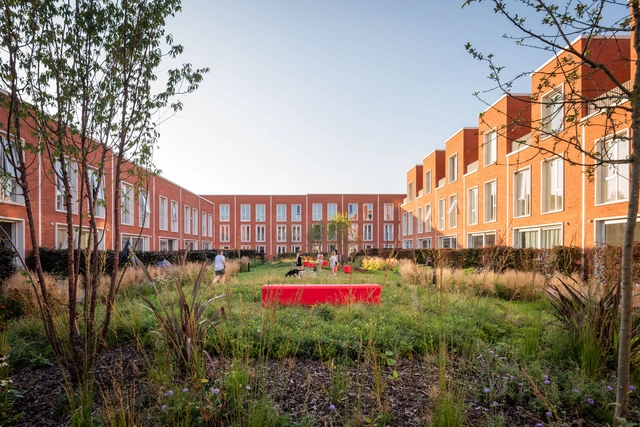
The Royal Institute of British Architects (RIBA) has announced the 30 winners of the 2023 RIBA National Awards for Architecture, providing an insight into the country’s architecture, design, and social trends. Among the key themes observed this year, the need to rebuild communities and to find sustainable ways of practicing stand out as the main concerns of the participant architects. The response to these themes is varied, ranging from buildings that aim to offer opportunities for collaboration for students to creating stimulating social spaces for the elderly or providing creative programs at a neighborhood scale. All the projects selected have been in use for at least one year and have provided data regarding their environmental performance. Examples of sustainable design include both new buildings, following the Passivhaus certification, and renovation of existing structures.
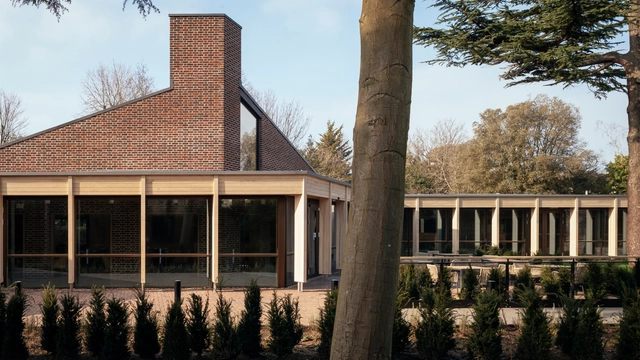
Every year since 1996, the Royal Institute of British Architects (RIBA) has hosted the RIBA London Awards to celebrate outstanding works of architecture from across the United Kingdom. This year, the list of winners includes 52 buildings ranging from a senior day-care center in Blackheath to a cultural hub in Greenwich and a subtle intervention in Hackney’s de Beauvoir conservation area. All RIBA London Awards winners will be considered for the RIBA National Award, scheduled to be announced on June 22nd.

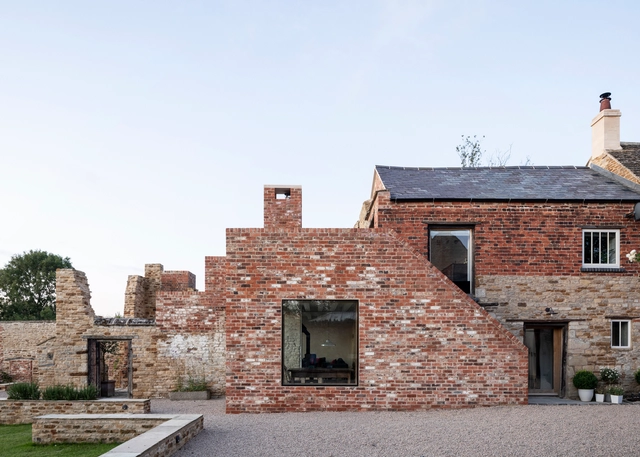
The Royal Institute of British Architects (RIBA) has announced the 29 winners of the 2022 RIBA National Awards for architecture. Ranging from net-zero carbon office buildings to family homes, schools and education facilities, urban developments and cultural buildings, this year’s projects provide an insight into the key trends that shape UK’s architectural and economic environment. Many projects focused on uniting communities, by creating spaces as a result of a collaboration between the local residents and the architects, or by offering unique venues for musical or cultural events. The future of housing was also addressed, with projects illustrating a vision for modern rural living or creating new city blocks centered around community gardens. Another area of interest was the restoration and adaptation of existing buildings, be it a 900-year-old former dining hall of the Cathedral or an iconic 1950s Modernist house.
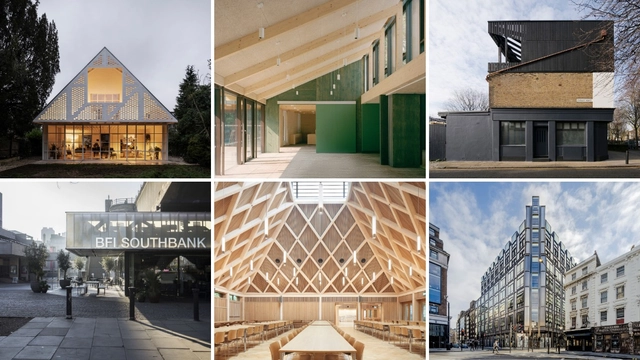
The Royal Institute of British Architects (RIBA) has announced the winning projects for the 2022 RIBA London architecture awards. The list of 42 buildings includes projects ranging from a sustainable council housing development to a cookery school for children, showcasing the best architectural interventions in London over the past two years. The projects were selected by a regional jury, who visited all 66 shortlisted projects. RIBA London Award winners will now be considered for a highly-coveted RIBA National Award in recognition of their architectural excellence, which will be announced in June.
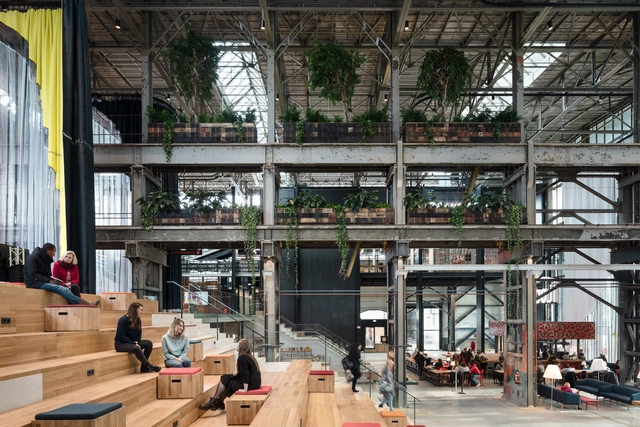
Stating that “design and sustainability are indissociable”, the 2022 European Union Prize for Contemporary Architecture – Mies van der Rohe Award, centered its nominations on social inclusion, sustainability and circularity, and aesthetic research. So far, 40 shortlisted projects are moving to the next level. The biennial contest that gives tribute to works completed within the previous two years in general, will announce the 5 finalist works in February 2022, and the winner in April 2022.
Focused on 3 main titles, "the European city: a model for the sustainable smart city", "defining common European culture while reflecting the diversity of expression" and "an architecture that has social impact and transmits a cultural message", we have grouped the selected projects, nominated by a jury formed by Tatiana Bilbao, Francesca Ferguson, Mia Hägg, Triin Ojari, Georg Pendl, Spiros Pengas and Marcel Smets to give a better understanding of the selection criteria and the architectural situation in Europe.
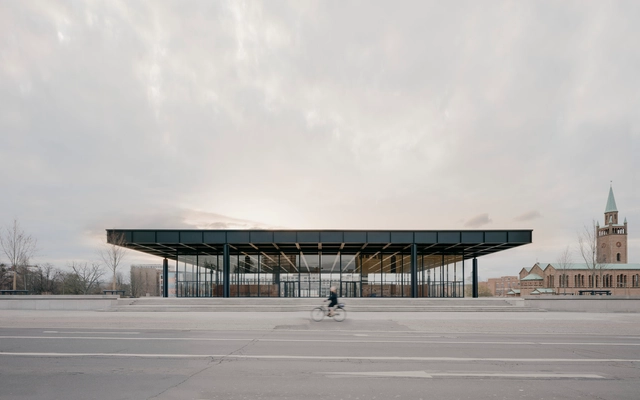
The European Commission and the Mies van der Rohe Foundation have announced the 40 shortlisted works that will compete for the 2022 European Union Prize for Contemporary Architecture – Mies van der Rohe Award. The shortlist featured projects built across 18 different European countries, with Spain, Austria, and France topping the list with 5 entries each. The winners will be announced in April 2022 and the Award ceremony will take place in May 2022.


The Royal Institute of British Architects has announced the 54 winners of the 2021 RIBA National Awards, highlighting the UK's best new architecture. Ranging from single homes and housing schemes to educational facilities, cultural buildings, sports venues and medical centres, this year's projects illustrate a growing preoccupation with restoration and adaptive reuse, as well as a significant investment in education and culture. Inaugurated in 1966, the awards provide insight into UK's architectural environment and the economic trends shaping the AEC industry.

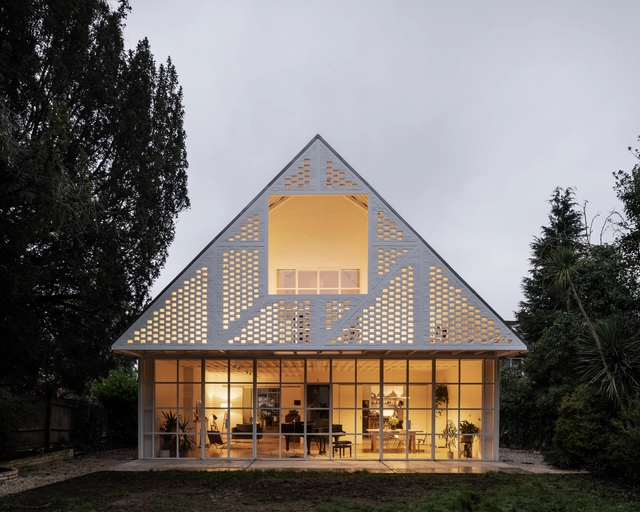
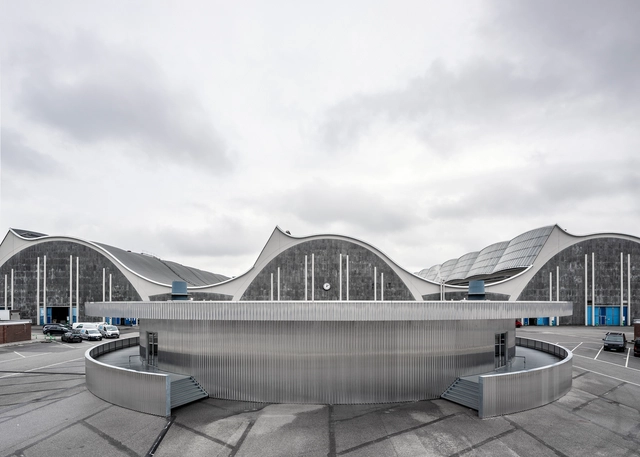
_johan_dehlin.jpg?1595351892&format=webp&width=640&height=580)
The use of brick plays a very important role in the architectural history of the United Kingdom. Construction techniques that involve brick and stone have been in constant progress. In fact, brick production improved over time, making the material the most popular one in the construction industry. From the 18th century onwards, brickwork was predominantly used in domestic and industrial architecture, but later on, it was introduced to the structure of warehouses and factories, as well as other various forms of infrastructure.
While many of these buildings are still operating to this day, it comes as no surprise. Refurbishment and reuse are highly recommended techniques, and in many cases, the only methods to maintain densely populated European cities. Therefore, the challenge lays in reusing these buildings and recycling the materials available, always trying to retain as much of the original structure as possible.
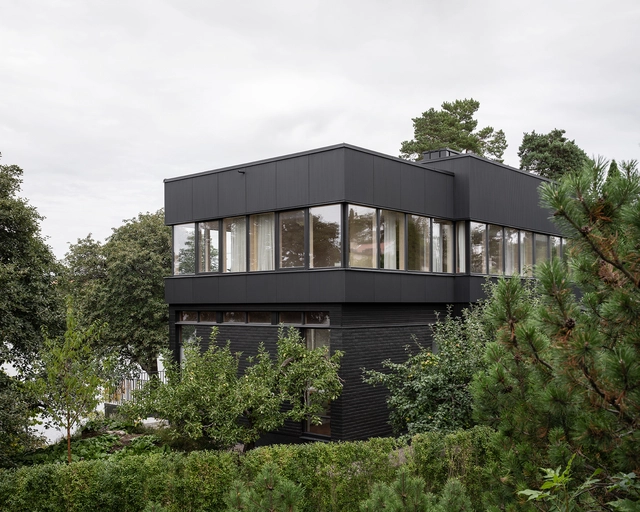


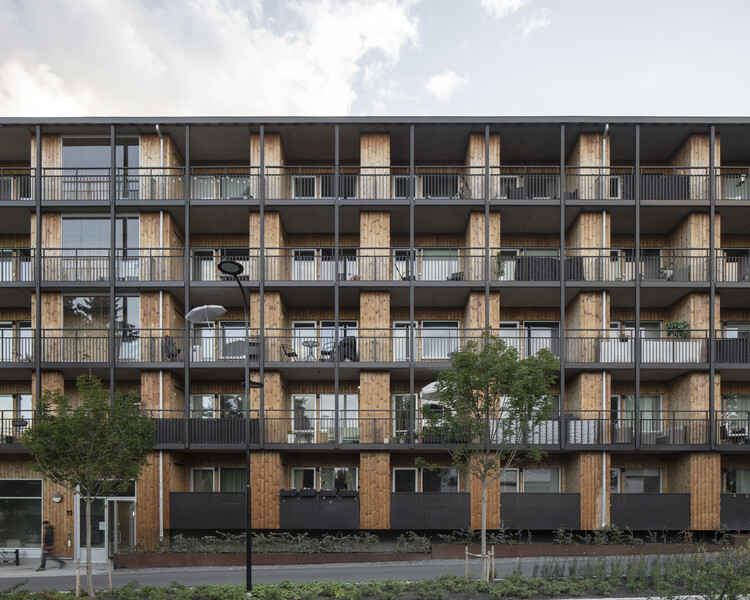


_Frans_Parthesius__-_02_Villa_Fifty-Fifty_Design_Studioninedots_Photography_Frans_Parthesius.jpg?1620679031&format=webp&width=230&height=230&crop=true)
_Jeremias_Thomas_MeMo_House_IMG_2037_01.jpg?1620678960&format=webp&width=230&height=230&crop=true)

_Peter_Eckert_01_-_04_Hood_River_Residence.jpg?1620679227&format=webp&width=230&height=230&crop=true)





_Andrew_Meredith.jpg?1595351859&format=webp&width=230&height=230&crop=true)
_Nigel_Rigden.jpg?1595352119&format=webp&width=230&height=230&crop=true)
_Ben_Pipe.jpg?1595351948&format=webp&width=230&height=230&crop=true)

_johan_dehlin.jpg?1595351892)