

-
Architects: CCA | Bernardo Quinzaños
- Area: 7681 m²
- Year: 2023
The American Institute of Architects (AIA), a professional organization dedicated to supporting architects and advancing the field of architecture, has announced the elevation of 93 architects to its College of Fellows. This recognition is awarded to individuals who have made significant contributions to the profession and society. This year's class includes 83 AIA member-architects and 10 international architects granted Honorary Fellowship. The newly elevated Fellows will be recognized at the AIA Conference on Architecture & Design 2025 (AIA25) in Boston.
Among the Honorary Fellows are Tatiana Bilbao (Mexico), Alison Brooks (United Kingdom), Jun'ya Ishigami (Japan), Kain Bon Albert Chan (China), Hu Li (China), Lyndon Uykim Neri (China), Michel Rojkind (Mexico), Masaharu Rokushika (Japan), Brinda Somaya (India), and Kerstin Thompson (Australia), recognized for their contributions to the global architectural landscape.
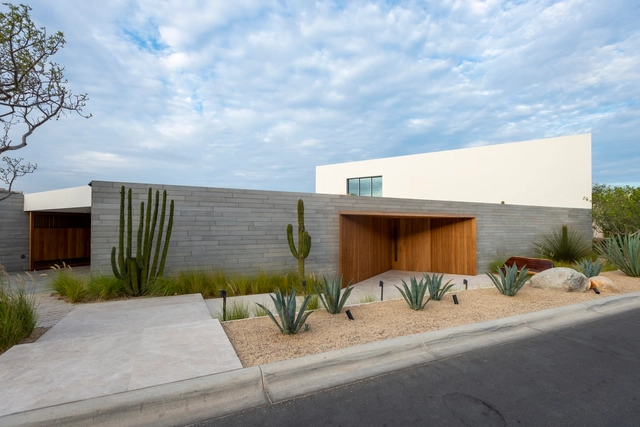
Annually, ArchDaily's curatorial team undertakes a rigorous selection process to identify exemplary projects in Latin American residential architecture. The goal is to share these works of architecture with our audience and highlight and promote good practices within contemporary architecture. This meticulous effort focuses on identifying projects that stand out for their design and their positive impact on the environment, innovative use of materials and techniques, and ability to address current needs.
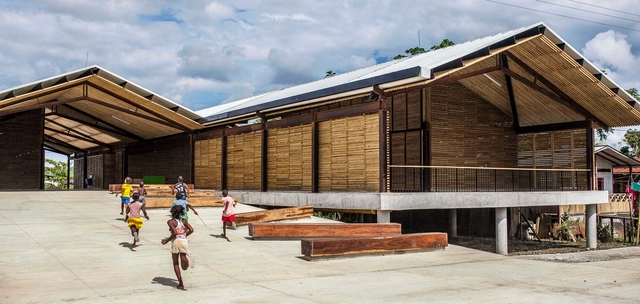
On October 24, 2024, the Rogelio Salmona Latin American Architecture Prize award ceremony took place, honoring works that have significantly created meaningful, open, and collective spaces for the public in the region. During the event, held at the Virgilio Barco Public Library auditorium in Bogotá, Colombia, the winners of this prestigious award were announced. This year marked the fourth cycle, titled "Open Spaces/Collective Spaces," with participation from 47 projects.
The jury, composed of international figures such as Sol Camacho (Brazil-Mexico), Nicolás Campodonico (Argentina), Carlos Campuzano (Colombia), and Mauricio Rocha (Mexico), first shortlisted 26 selected works, from which two were awarded the first prize in the Latin America and Colombia categories.
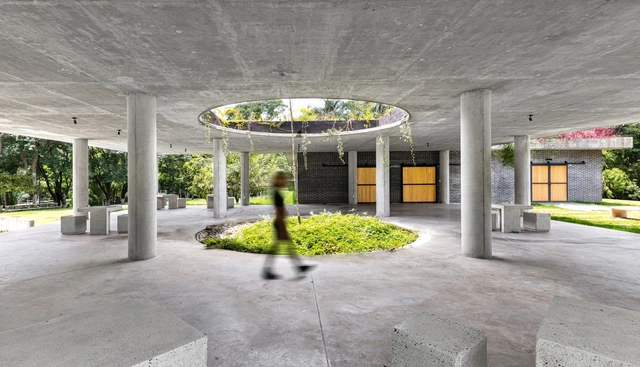
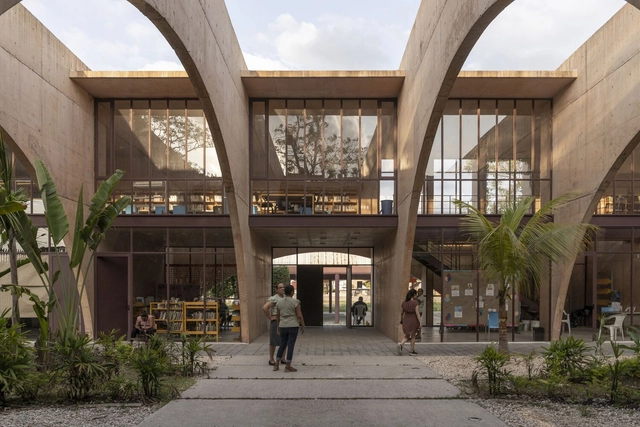
How do community centers emerge? Why do they often represent a need for the appropriation and development of society? In the pursuit of improving the quality of life in the most vulnerable communities, community centers present themselves as an alternative capable of providing healthcare, educational, cultural, and recreational services, along with spaces that contribute to the present and future development of communities. In Mexico, numerous community centers are created and supported by government institutions, civil foundations, or private companies, as well as co-management initiatives that aim to integrate children, youth, adults, and older adults into spaces for gathering, socializing, and recreation, where they can engage in activities from learning to developing individual and collective skills.
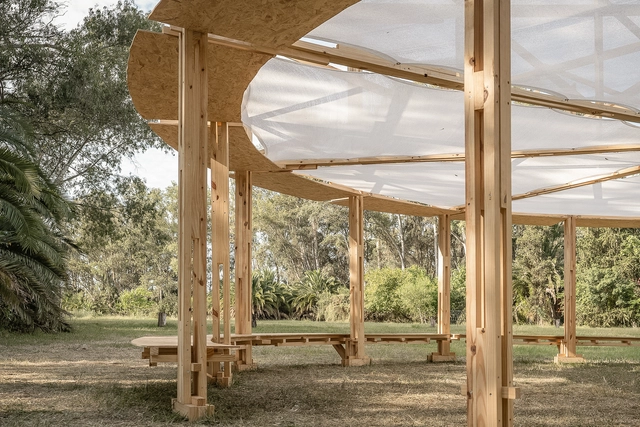
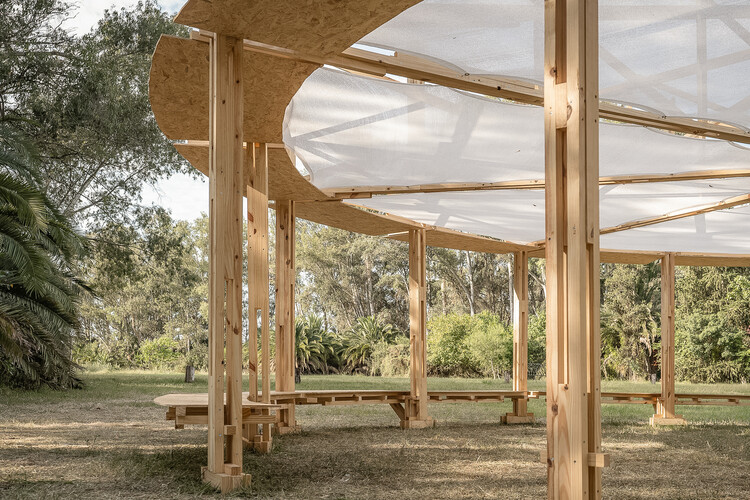
Spanning over 20 million square kilometers and featuring nearly all the climates of the world, the Latin American region is home to endemic biological wealth and geographical diversity that ranges from some of the most significant rivers in the world to the mountain range of the Andes, the Amazon rainforests, the plains of Patagonia, the coasts of the Caribbean Sea, and more. In light of a collective effort involving local communities and new generations, the construction of installations and structures in these natural environments is aimed not only at meeting functional needs but also at educational, research, and environmental conservation purposes.
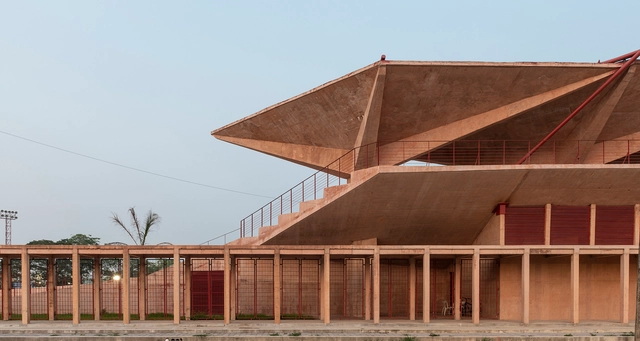
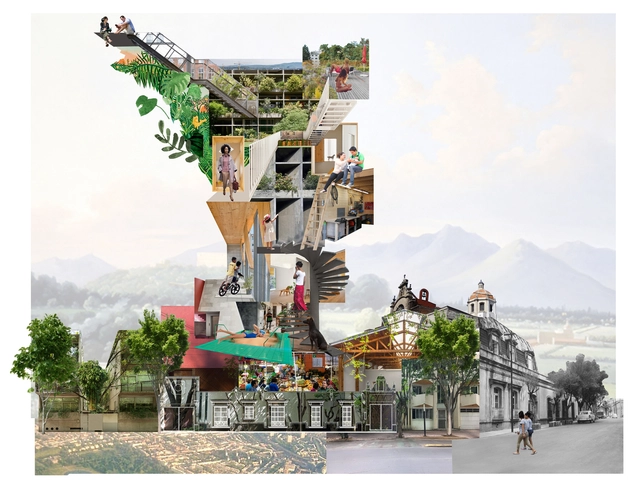
These days, it is common to hear multiple voices addressing the diverse issues of contemporary architecture. The topics are numerous, ranging from sustainability and inclusion to social justice and the crisis in land use. At first glance, there is no common ground where all these concepts can coexist transversally. However, if we look back, we can see that beyond the formal architectural concepts, the true purpose of architecture (probably) lies in the people and the lives that develop within it.
Thus, many would argue that life is likely more important than architecture, which could open up a broad debate. What is certain is that currently, narratives and voices are emerging and consolidating, aimed at renewing architectural tools and languages. This transformation seeks to turn the built environment into a space that promotes a more equitable and optimistic future for all. One of these voices is that of Tatiana Bilbao, recognized for her process-centered approach where life and human interactions play a crucial role in defining habitats.
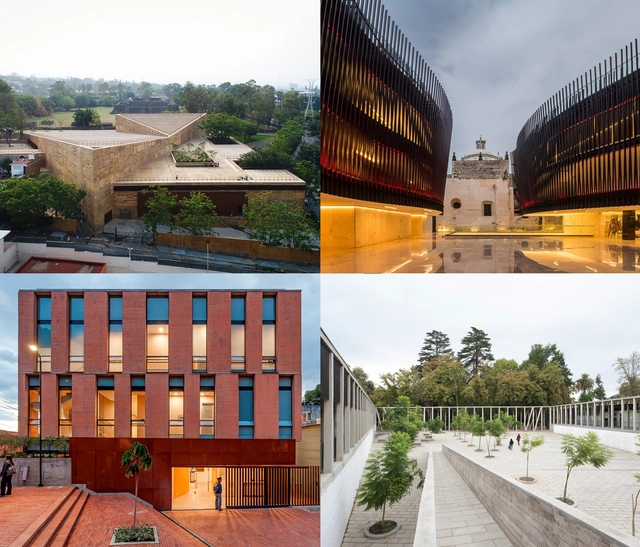
The ‘Rogelio Salmona Latin American Architecture Prize: open spaces / collective spaces’ seeks to recognize built works of architecture that create significant spaces for citizens, helping to foster more welcoming cities. Unlike previous editions, this year two categories were established: Latin America and Colombia.
“The city is citizenship, with its people, institutions, monuments, culture, architecture, and public space, and with the physiognomy that it has acquired and built over time, it is humanity's great civilizing proposition.” - Rogelio Salmona

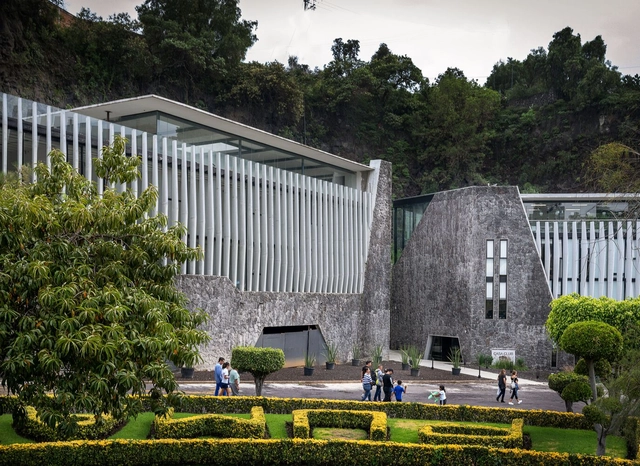
The architecture of cultural centers in Mexico has gained relevance in recent years. There has been a growing interest in providing spaces for recreation and education, transforming them into urban landmarks that attract visitors from all over the country year after year.

Many buildings often fall into disuse due to our cities' constant economic, social, and technological changes. The programmatic inconsistency of current times demands great versatility and adaptability from our infrastructures, increasingly leading projects to become uninhabited, and left to abandonment and decay.
Next, we present a series of 20 Latin American projects in which old warehouses, homes, prisons, mills, and markets were recovered and transformed into Cultural Centers, Museums, and Galleries.
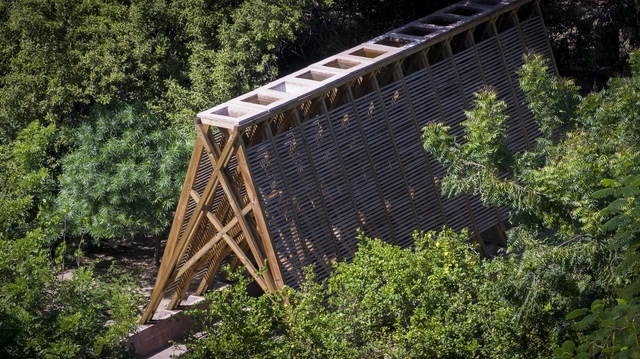
One of the greatest difficulties when studying is understanding how to apply the concepts presented to us. In structural engineering education, it is common to use symbols and abstractions to understand the forces involved in a structure and how they work. Another major challenge is translating this abstract information into something tangible: the actual building elements.
Engineer Matheus Borges has been creating illustrations on his Instagram to help decode this information. Below, we look at what these support types are and how they behave.