BROWSE ALL FROM THIS PHOTOGRAPHER HERE

Mexico City Architecture City Guide: 38 Projects From Tenochtitlan to the 21st Century

Subscriber Access | 

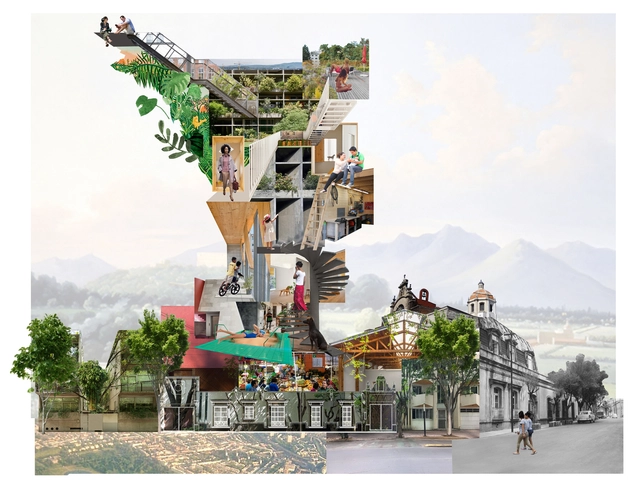
Mexico City is a sprawling metropolis of layered temporalities, where architecture operates as a continuous negotiation between deep-seated history and intense urban mutation. Built over the aquatic traces of Tenochtitlan, the city's fabric is an ongoing dialogue between eras: the monumental scale of the Pre-Hispanic Templo Mayor and the Viceroyalty architecture of the Catedral Metropolitana coexist with the modern and contemporary impulses that define its skyline. This dense juxtaposition creates a unique urban canvas where sacred geography, colonial imposition, and 20th-century ambition intersect.

The mid-century marked a definitive era of experimentation, forging a Mexican Modernism that masterfully synthesized international structural rationalism with local identity and materiality. This synthesis is epitomized by the sweeping, plastic integration of art and architecture at the Ciudad Universitaria, the structural poetry of Félix Candela's hyper-parabolic shells, and the raw, monumental brutalism of Teodoro González de León and Abraham Zabludovsky. Parallel to this, the intimate, introspective mastery of Luis Barragán and Juan O'Gorman redefined domestic space, experimenting with light, vernacular color, and tectonic honesty to create spaces of profound spatial stillness.

Mexico City Architecture City Guide: 38 Projects From Tenochtitlan to the 21st Century - More Images+ 53

Ideology of Performance: Sustainability and the Limits of Efficiency

Audio available

This article is part of our new Opinion section, a format for argument-driven essays on critical questions shaping our field.

The modern sustainability project is built on the promise that evolving technologies can reconcile urban and economic growth with ecological responsibility. By the metrics developed by the built environment professions and the policies adopted by governments, progress is tangible and accelerating: buildings consume less energy per square foot than they did a generation ago, vehicles emit fewer pollutants per mile, and urban infrastructure is more integrated and measurably cleaner in many cities. And yet total resource consumption continues to rise. Sustainability, as currently practiced across the built environment professions, has become a strategy for optimizing consumption rather than reducing it. Until the profession is willing to question the scale and structure of demand rather than the efficiency with which that demand is met, its most celebrated achievements will continue to fall short of the problem they claim to address.

Ideology of Performance: Sustainability and the Limits of Efficiency - More Images+ 23

More Than Gray: 15 Projects That Explore Red Pigmented Concrete

Subscriber Access | 

Concrete is often seen as the material of modernity, defined by its structural strength, raw finish, and unmistakable gray tone. It became the default palette of 20th-century architecture, a symbol of functionality and permanence. Yet, concrete is not bound to this chromatic identity. Its color is a byproduct of the cement, aggregates, and chemical composition used in its mix, and it can be intentionally altered through pigmentation. Among the many hues explored, red stands out — not only for its visual intensity, but for its ability to root buildings in place, evoke cultural references, and imbue architecture with a material presence that feels both elemental and expressive.

Pigmenting concrete involves the addition of mineral-based colorants — usually iron oxides — during the mixing process. Unlike paints or coatings applied to the surface, these pigments are integrated directly into the concrete mass, ensuring the color permeates the material and remains stable over time. Red pigments in particular are often derived from iron oxide (Fe₂O₃), a naturally occurring compound found in clay, hematite, and other iron-rich minerals. Their deep, earthy hue connects contemporary construction with ancient techniques — from Roman pozzolana mortars to the red earth buildings of West Africa and South America.
More Than Gray: 15 Projects That Explore Red Pigmented Concrete - More Images+ 27

Understanding Eco Brutalism: The Paradox of Structure, Sustainability, and Style

Subscriber Access | 

The built environment is expected to reduce carbon emissions, support biodiversity, and respond to changing ecological conditions, all while providing housing for communities and reflecting their cultural values. In this shifting landscape, a once-maligned architectural style emerges in a surprising new form. Brutalism, long associated with institutional gravitas and material austerity, is now being reframed through an ecological lens. This hybrid movement, known as eco-brutalism, combines the power of concrete with greenery and climate-sensitive design strategies. The result is a set of spaces that are visually arresting, conceptually complex, and increasingly popular among designers, urban planners, and the general public. This movement includes not only the direct lineage of 1960s Brutalism but also contemporary projects that, while not strictly Brutalist, share its material honesty, monumental scale, and use of expressive concrete forms.

Understanding Eco Brutalism:  The Paradox of Structure, Sustainability, and Style - More Images+ 39

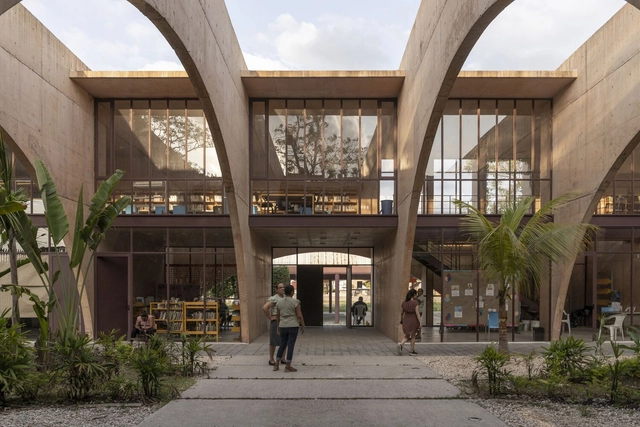
El Campestre Recreational Park Complex & Community Development Center / CA | Bernardo Quinzaños

El Campestre Recreational Park Complex & Community Development Center / CA | Bernardo Quinzaños - More Images+ 29

Jalpa de Méndez, Mexico

Tatiana Bilbao, Alison Brooks, Michel Rojkind and Jun'ya Ishigami Among Architects Elevated to AIA Honorary Fellowship

The American Institute of Architects (AIA), a professional organization dedicated to supporting architects and advancing the field of architecture, has announced the elevation of 93 architects to its College of Fellows. This recognition is awarded to individuals who have made significant contributions to the profession and society. This year's class includes 83 AIA member-architects and 10 international architects granted Honorary Fellowship. The newly elevated Fellows will be recognized at the AIA Conference on Architecture & Design 2025 (AIA25) in Boston.

Tatiana Bilbao, Alison Brooks, Michel Rojkind and Jun'ya Ishigami Among Architects Elevated to AIA Honorary Fellowship - More Images+ 5

Among the Honorary Fellows are Tatiana Bilbao (Mexico), Alison Brooks (United Kingdom), Jun'ya Ishigami (Japan), Kain Bon Albert Chan (China), Hu Li (China), Lyndon Uykim Neri (China), Michel Rojkind (Mexico), Masaharu Rokushika (Japan), Brinda Somaya (India), and Kerstin Thompson (Australia), recognized for their contributions to the global architectural landscape.

The 50 Best Latin American Houses of 2024

Annually, ArchDaily's curatorial team undertakes a rigorous selection process to identify exemplary projects in Latin American residential architecture. The goal is to share these works of architecture with our audience and highlight and promote good practices within contemporary architecture. This meticulous effort focuses on identifying projects that stand out for their design and their positive impact on the environment, innovative use of materials and techniques, and ability to address current needs.

The 50 Best Latin American Houses of 2024 - More Images+ 54

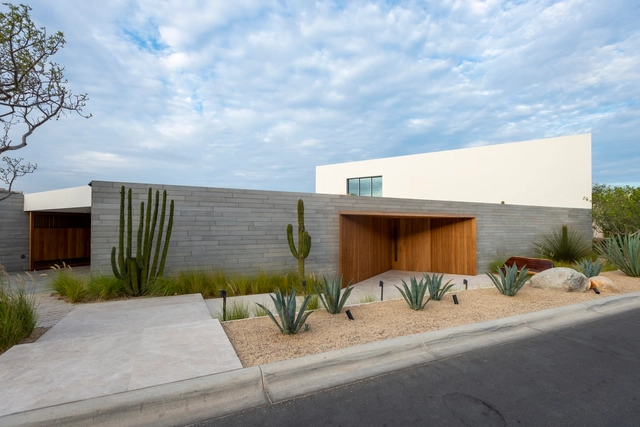
IMA House / Ezequiel Farca Studio

IMA House / Ezequiel Farca Studio - More Images+ 18

San José del Cabo, Mexico
  • Area Area of this architecture project Area:  3078
  • Year Completion year of this architecture project Year:  2020
  • Manufacturers Brands with products used in this architecture project
    Manufacturers:  FARO Barcelona, Dedon, Kettal, Marset

Winning Projects of the 2024 Rogelio Salmona Latin American Architecture Award Announced

On October 24, 2024, the Rogelio Salmona Latin American Architecture Prize award ceremony took place, honoring works that have significantly created meaningful, open, and collective spaces for the public in the region. During the event, held at the Virgilio Barco Public Library auditorium in Bogotá, Colombia, the winners of this prestigious award were announced. This year marked the fourth cycle, titled "Open Spaces/Collective Spaces," with participation from 47 projects.

The jury, composed of international figures such as Sol Camacho (Brazil-Mexico), Nicolás Campodonico (Argentina), Carlos Campuzano (Colombia), and Mauricio Rocha (Mexico), first shortlisted 26 selected works, from which two were awarded the first prize in the Latin America and Colombia categories.

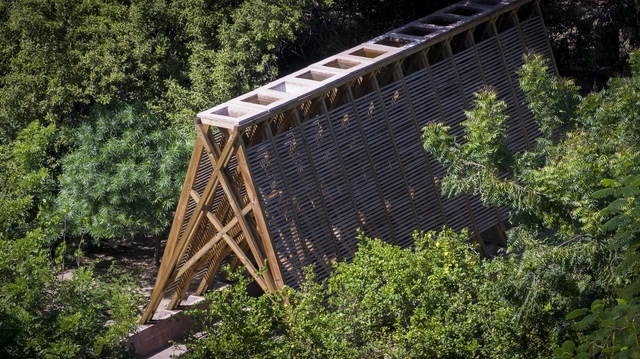
How to Use Wood in Outdoor Installations: Case Studies in Natural Environments of Latin America

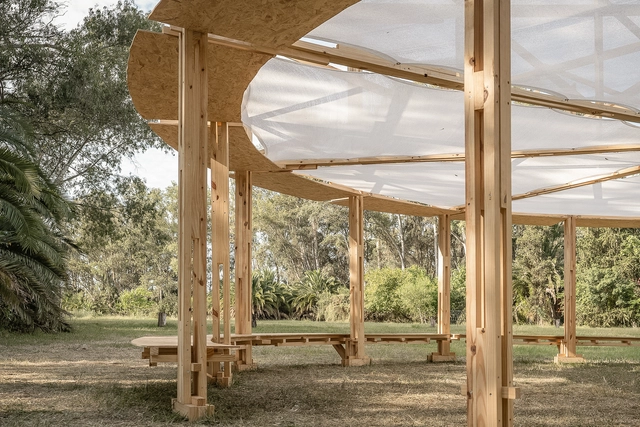
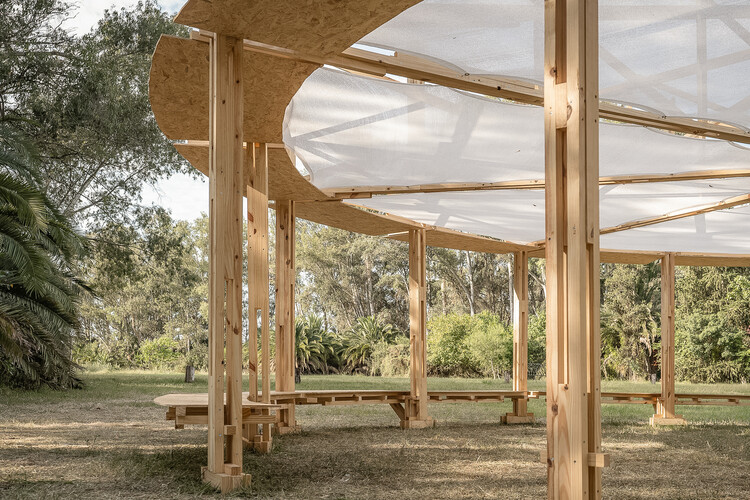
Spanning over 20 million square kilometers and featuring nearly all the climates of the world, the Latin American region is home to endemic biological wealth and geographical diversity that ranges from some of the most significant rivers in the world to the mountain range of the Andes, the Amazon rainforests, the plains of Patagonia, the coasts of the Caribbean Sea, and more. In light of a collective effort involving local communities and new generations, the construction of installations and structures in these natural environments is aimed not only at meeting functional needs but also at educational, research, and environmental conservation purposes.

How to Use Wood in Outdoor Installations: Case Studies in Natural Environments of Latin America - More Images+ 26

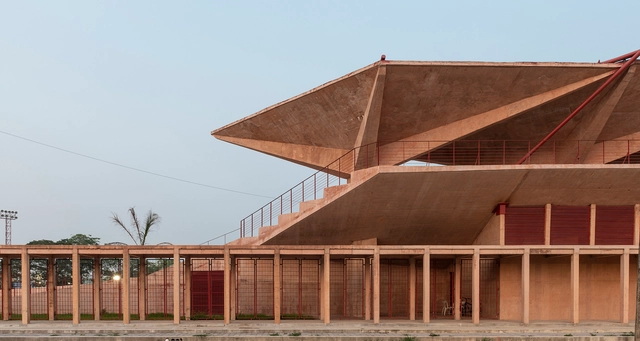
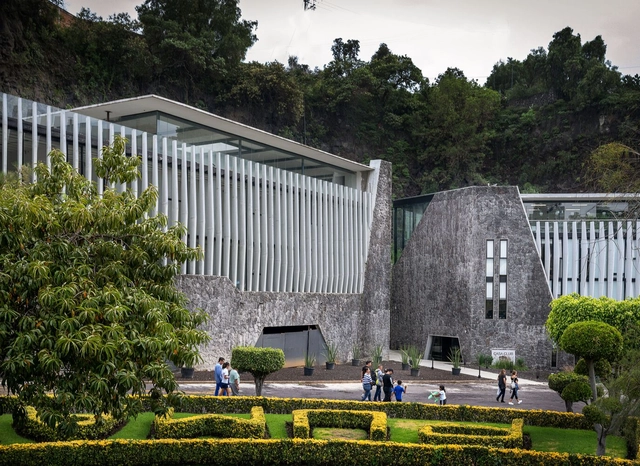
Manuel Vargas Izquierdo Stadium & High-Performance Sports Center / CCA | Bernardo Quinzaños

Manuel Vargas Izquierdo Stadium &  High-Performance Sports Center / CCA | Bernardo Quinzaños - More Images+ 36

"Life Changes Every Second, But Architecture Never Changes": In Conversation with Tatiana Bilbao

Subscriber Access | 

These days, it is common to hear multiple voices addressing the diverse issues of contemporary architecture. The topics are numerous, ranging from sustainability and inclusion to social justice and the crisis in land use. At first glance, there is no common ground where all these concepts can coexist transversally. However, if we look back, we can see that beyond the formal architectural concepts, the true purpose of architecture (probably) lies in the people and the lives that develop within it.

Thus, many would argue that life is likely more important than architecture, which could open up a broad debate. What is certain is that currently, narratives and voices are emerging and consolidating, aimed at renewing architectural tools and languages. This transformation seeks to turn the built environment into a space that promotes a more equitable and optimistic future for all. One of these voices is that of Tatiana Bilbao, recognized for her process-centered approach where life and human interactions play a crucial role in defining habitats.

These are the 26 works selected for the 2024 Rogelio Salmona Latin American Architecture Award

The ‘Rogelio Salmona Latin American Architecture Prize: open spaces / collective spaces’ seeks to recognize built works of architecture that create significant spaces for citizens, helping to foster more welcoming cities. Unlike previous editions, this year two categories were established: Latin America and Colombia.

From the 42 submissions, the jury—comprising Sol Camacho (Brazil/Mexico), Nicolás Campodónico (Argentina), Carlos Campuzano (Colombia), Carlos Jiménez (Spain/Colombia), and Mauricio Rocha (Mexico)—selected 26 Latin American works to be published, featured, and exhibited during this 2024 edition. The final awards ceremony will take place on October 24 of this year.

Tate House / MATERIA

Tate House  / MATERIA - More Images+ 14

Puerto Escondido, Mexico
  • Architects: MATERIA
  • Year Completion year of this architecture project Year:  2024

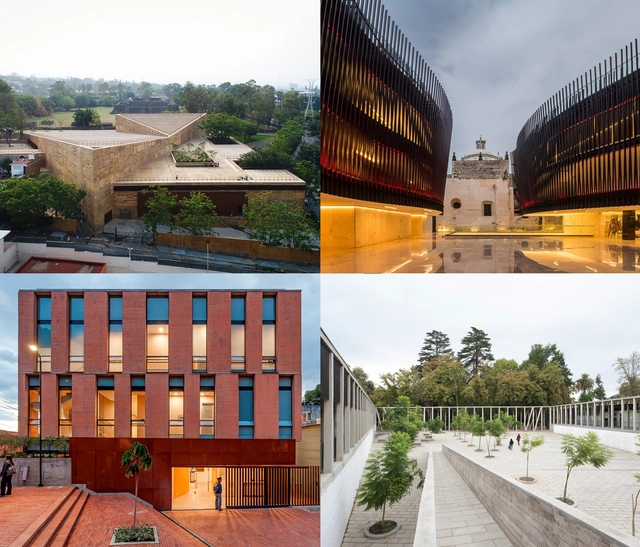
Cultural and Community Centers: 12 Examples in Mexico Connecting with their Environment

Subscriber Access | 

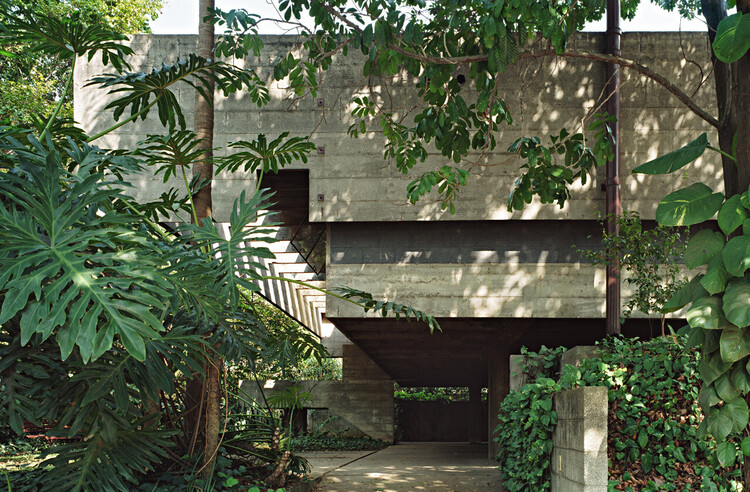
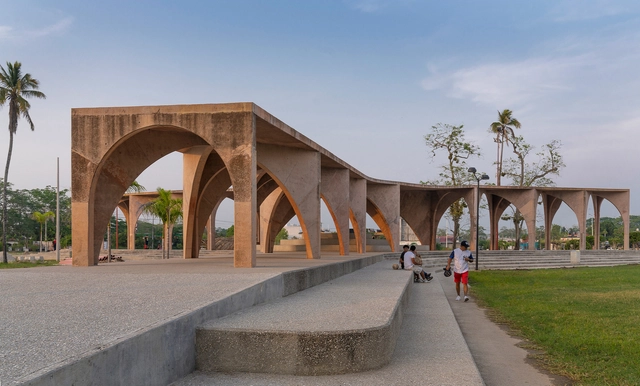
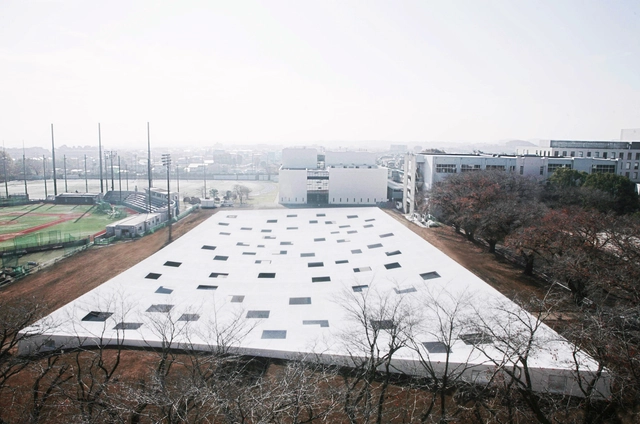
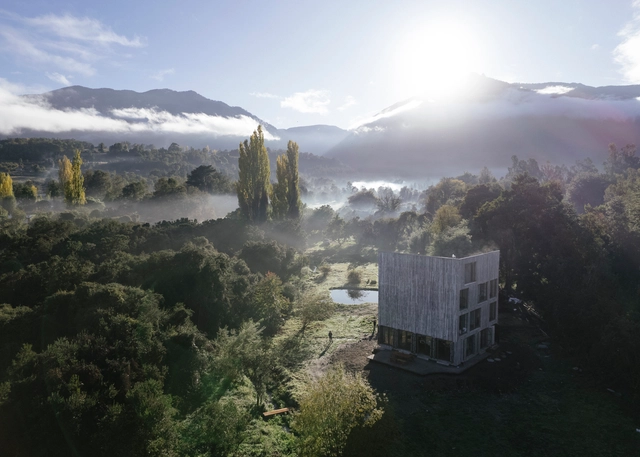
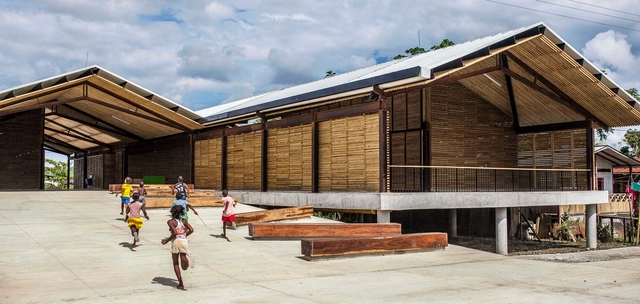
Cultural and Community Centers: 12 Examples in Mexico Connecting with their Environment - Image 1 of 4Cultural and Community Centers: 12 Examples in Mexico Connecting with their Environment - Image 2 of 4Cultural and Community Centers: 12 Examples in Mexico Connecting with their Environment - Image 3 of 4Cultural and Community Centers: 12 Examples in Mexico Connecting with their Environment - Image 4 of 4Cultural and Community Centers: 12 Examples in Mexico Connecting with their Environment - More Images+ 14

The architecture of cultural centers in Mexico has gained relevance in recent years. There has been a growing interest in providing spaces for recreation and education, transforming them into urban landmarks that attract visitors from all over the country year after year.

Cultural Centers, Museums, and Galleries: Ancient Buildings Transformed into Art Spaces in Latin America

Many buildings often fall into disuse due to our cities' constant economic, social, and technological changes. The programmatic inconsistency of current times demands great versatility and adaptability from our infrastructures, increasingly leading projects to become uninhabited, and left to abandonment and decay.

Next, we present a series of 20 Latin American projects in which old warehouses, homes, prisons, mills, and markets were recovered and transformed into Cultural Centers, Museums, and Galleries.

Orchid Pavilion / CCA | Bernardo Quinzaños

Orchid Pavilion / CCA | Bernardo Quinzaños - More Images+ 22

Puerto Escondido, Mexico

Community Development Center / CCA | Bernardo Quinzaños

Community  Development Center / CCA | Bernardo Quinzaños - More Images+ 11