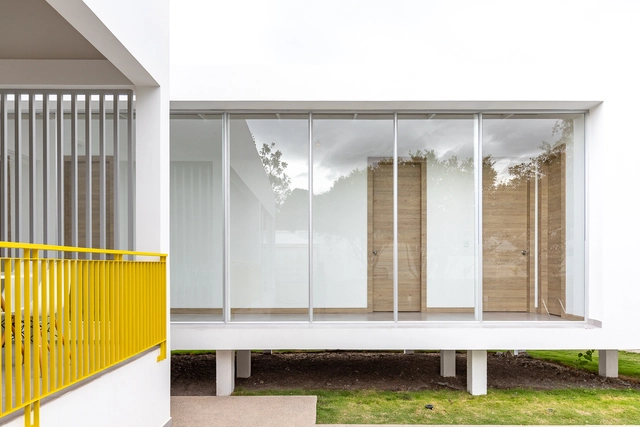
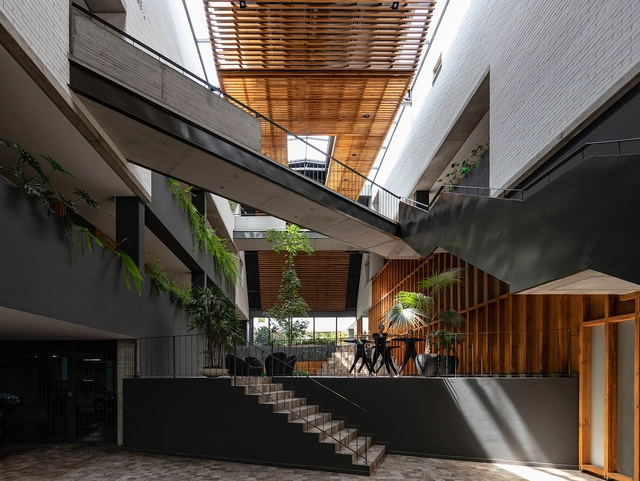
In densely-populated cities, where construction projects tend to require party walls,the close proximity of other buildings complicate even further the process of creating spaces that incorporate elements like natural light and cross-ventilation. But this of course is not the only challenge: the ever-changing and multiplying nature of cities has given rise to atypical lots--properties that have been created by subdividing large swathes of urban land. In general, the reduced dimensions force developers to look for ways to maximize the limited space available to them.
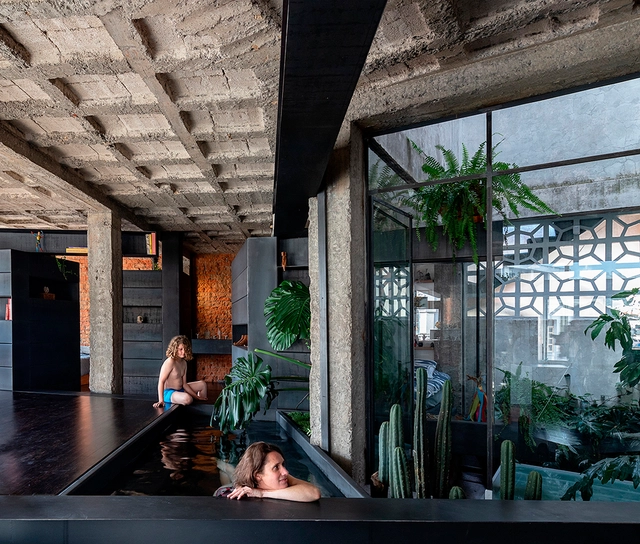
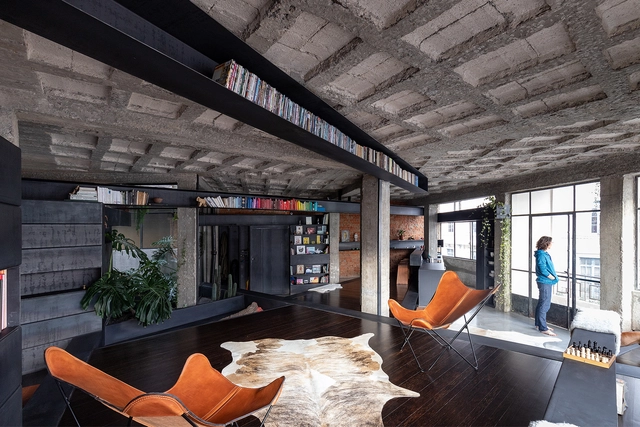
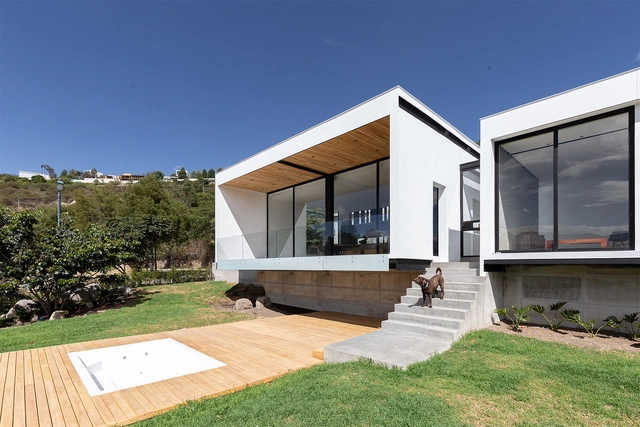
With its wide range of applications and cosmetic properties, concrete is having a moment in the world of architecture. Today, thanks to the ever-moving stream of innovation in concrete production and application, optimal results are now the norm rather than the exception. For architects and builders alike, concrete is an opportunity to explore and experiment with tones and textures, ensuring that there is something for every design and project.
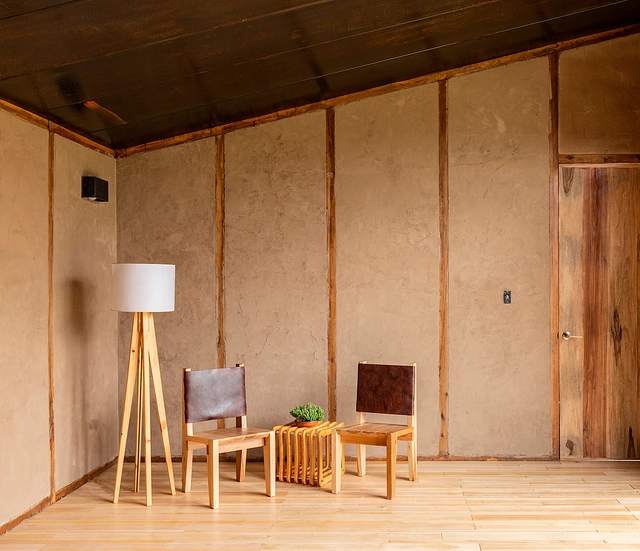
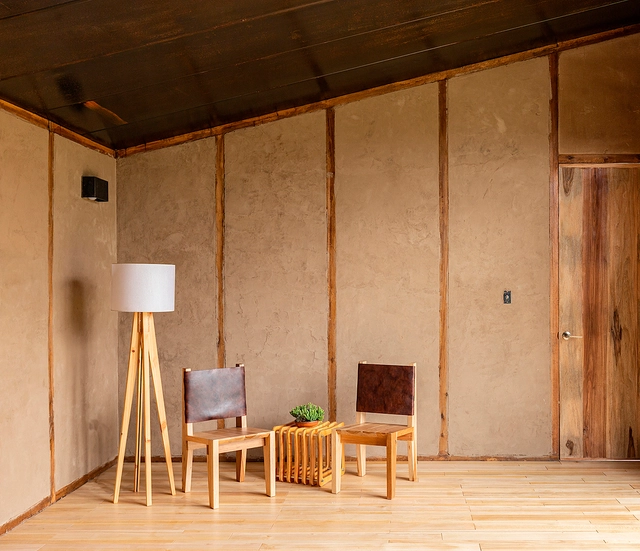
Earth is a material that has been used for building since time immemorial. Its low environmental impact and the variety of techniques available for working with it have enabled its enduring relevance in architectural projects worldwide. Whether using rammed earth, wattle and daub, earthen wall systems, or adobe structures, various contemporary projects rework and reinterpret these traditional methods to shape their spaces.
Earth is a material that has been used to construct buildings since time immemorial. Its low environmental impact and the variety of techniques available for working with this material have allowed its use to endure in architectural projects worldwide. Whether using rammed earth, wattle-and-daub (bahareque) systems, or adobe structures, numerous contemporary projects rework and reinterpret these traditional methods to shape their spaces.
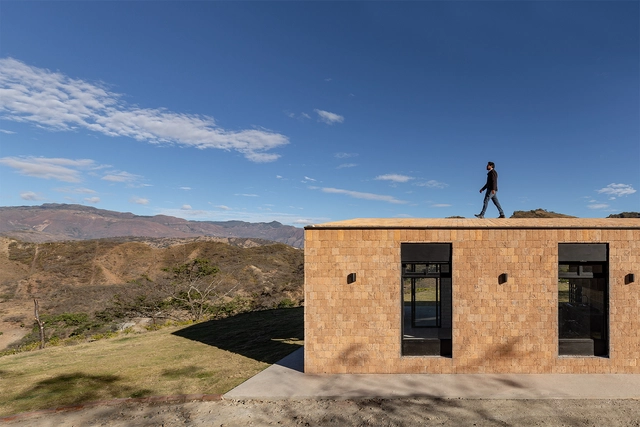
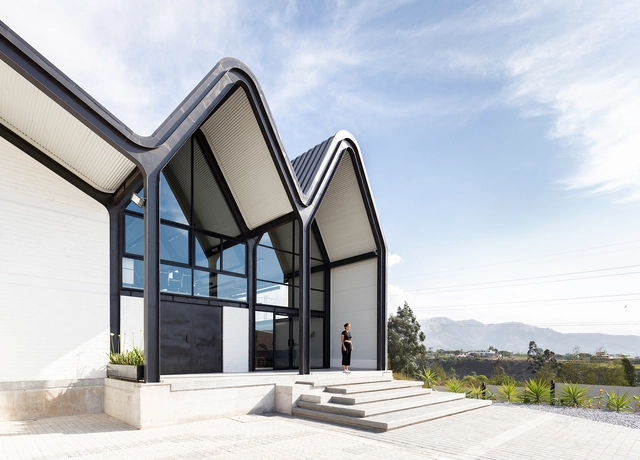
From remote cabins blending into the landscape to structures built entirely of bamboo, in Ecuadorian projects, wood emerges as a versatile resource, ideally suited to address the demands of daily living. Used for structure, building envelopes, or furniture—and paired with concrete, stone, brick, or metal—wood offers endless applications that materialize diverse explorations in architectural language and expression.
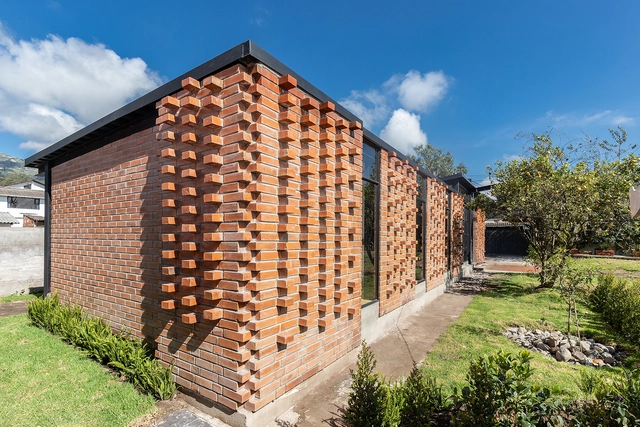
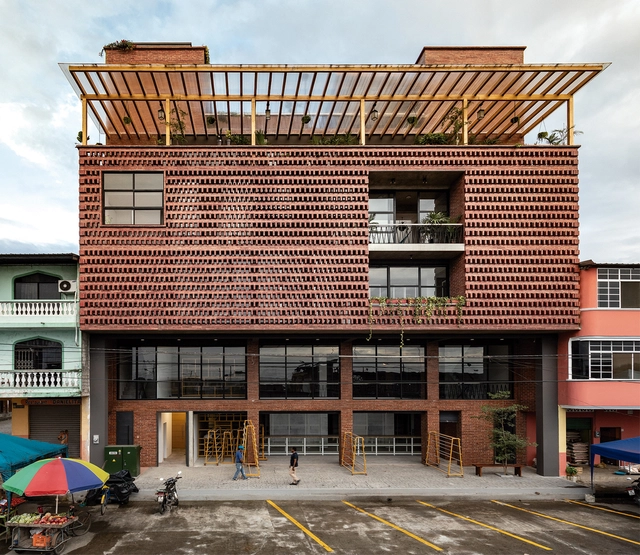
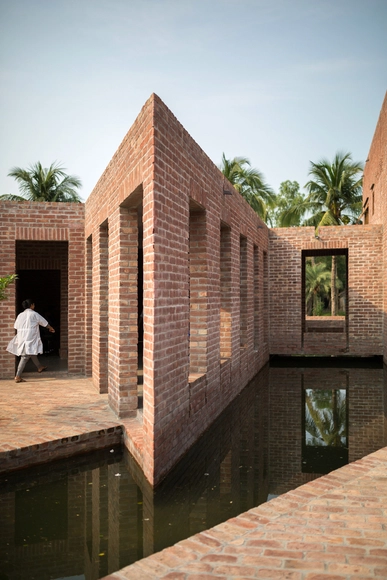
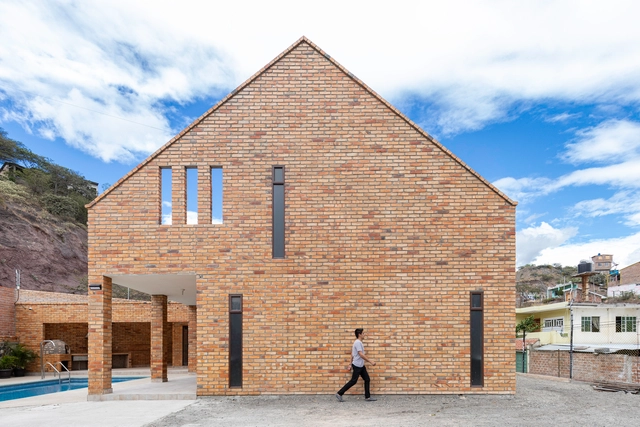
Brick stands as one of the defining materials of Latin American architectural culture. The diversity and versatility of this masonry unit have led to a wide array of uses and applications. Whether chosen for economic or aesthetic reasons, exposed brick—left unfinished and without exterior cladding—is widely used across the region's designs, showcasing the rich textures and tones inherent to the material.
I met with Juan Alberto Andrade and Cuqui Rodríguez from the JAG Studio in Ecuador during their conference for the sixth edition of EARQ (PUCE-SI). The young couple dedicate themselves to documenting and writing about Ecuadorian architecture. By covering the now famous works of Al Borde, Daniel Moreno Flores, Natura Futura, Rama Estudio, among others, the couple have become the unofficial emissaries of their country.
We sat down with the couple for World Photography Day where they shared, not only their start in and work in photography, but the role of photography in contemporary architecture.
Automation is rapidly becoming a normalized part of many people’s daily lives and careers, a trend which has by no means evaded the construction industry. While this increasingly pervasive technology is often considered a symptom of the contemporary 21st century, however, one automated construction technology may have a history stretching as far back as the 1960s. This technology, the bricklaying robot, has transformed dramatically since its limited realization over 50 years ago, splintering into newer, more technologically advanced variations today.
https://www.archdaily.com/928440/the-evolution-of-bricklaying-robots-changing-the-rules-of-traditional-constructionLilly Cao
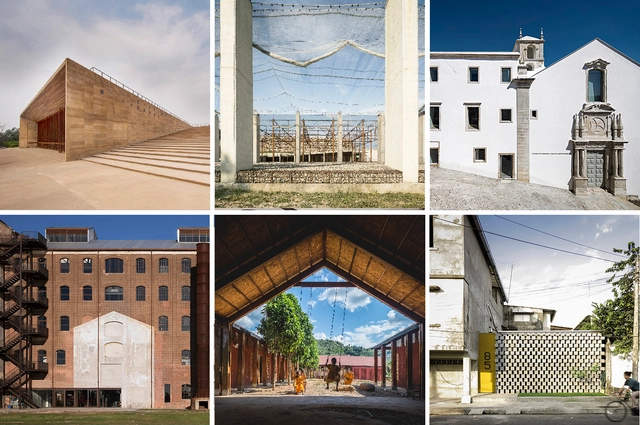
In Asunción (Paraguay), the XI Ibero-American Architecture and Urbanism Biennial (XI BIAU) have presented the winners of the Panorama de Obras section (Projects Panorama) of this contest edition, "all faithful to the spirit of the XI BIAU: living, the inhabitant," according to the organization.