

-
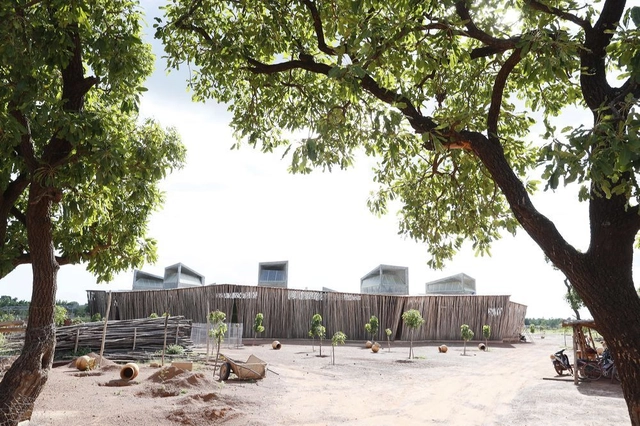
Architects: Kéré Architecture
- Area: 1660 m²
- Year: 2016
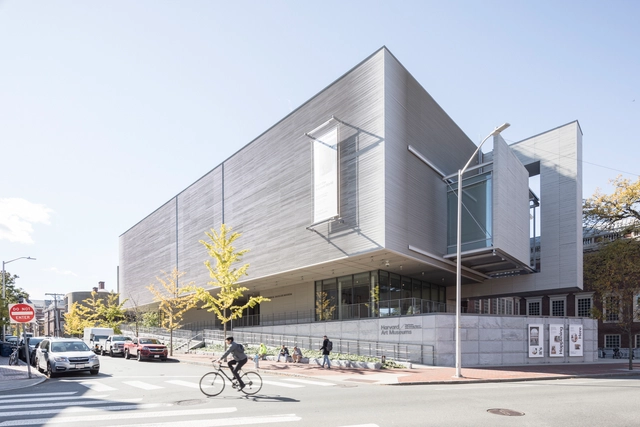
As the oldest institution of higher learning in the United States, Harvard has emerged as one of the world's most well-known universities. Organized into ten academic faculties and the Radcliffe Institute for Advanced Study, it is spread across 200 acres and centers on Harvard Yard in Cambridge. Developed along the Charles River adjacent to the Allston neighborhood of Boston, Harvard has the largest financial endowment of any academic institution. This has supported a number of different campus building projects across the university’s history.
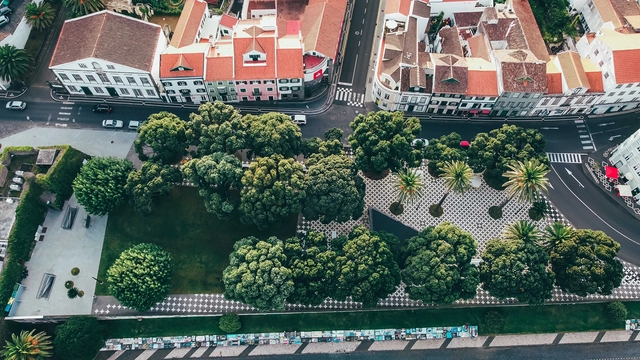
Last September, the EU launched the New European Bauhaus, an initiative designed to transform the built environment into a more sustainable one with higher social value. The project, shaped through an unprecedented co-design process, is now calling for architects, students, specialists, and citizens to share ideas, examples and challenges to help define the movement's concrete steps.
.jpg?1617861414&format=webp&width=640&height=580)
During the week of the final selection of ArchDaily China Building of the Year 2021 Awards, we received a total of 75,000 votes, thanks to our readers from all over the world. ArchDaily China strives to bring more Chinese firms to the wave of global exchanges and introduce Chinese architecture to the world.
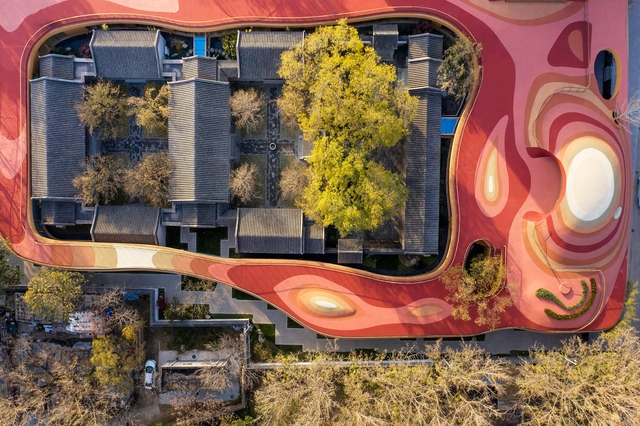
This year, CCTN Design, with Shougang NO.3 Blast Furnace Museum, were selected for the first position, adopting the design strategy of “sealing the old, dismantling the surplus, and replenishing the new”, and transforming the industrial remains of Beijing into an inviting urban space. MAD Architects, with YueCheng Courtyard Kindergarten, won second place by dismantling and expanding the traditional courtyard house. gad, with Mountain & Sea Art Museum, won the third position by solving the problem of mountain construction and shaping the sculpture form of the art museum.
.jpg?1616727166&format=webp&width=640&height=580)
Another year, another successful ArchDaily China Building of the Year Awards! With more than 75,000 votes gathered over the past 20 days, the results of the 2021 edition are in! Once more, the award has proved to be the largest architecture prize centered around people’s opinion. Crowdsourced, the most relevant projects of the year were nominated and selected by our readers.
The 2021 China Building of the Year Awards is brought to you thanks to Dornbracht, renowned for leading designs for architecture, which can be found internationally in bathrooms and kitchens.
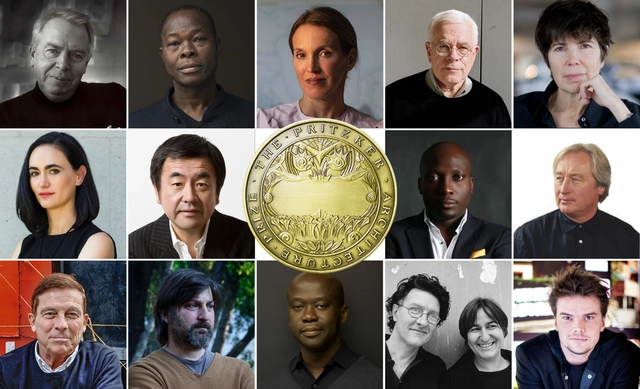
Since the winner(s) of the Pritzker Prize 2021 will be announced on Tuesday, March 16th, we have asked our readers who should win the most important award in the field of architecture.
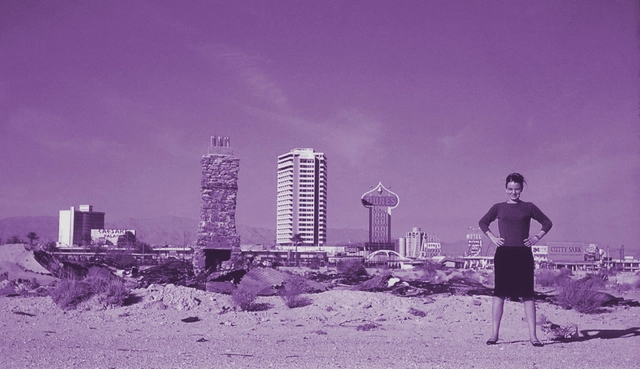
Another year and another International Women’s Day. Although recently, the gender debate has taken considerable attention, the battle for equality is far from over. Even in the 21st century, architecture can still be a challenging profession for women. Progress is happening though, and in 2020, Yvonne Farrell and Shelley McNamara became the 4th and 5th women to receive the Pritzker prize, ever since its inception in 1979.
Not limiting our coverage to the 8th of March, ArchDaily recognizes every day the female force that is shaping the built environment around the world. In fact, Women in Architecture is one of the main pillars of our content strategy. This year, for International Women’s Day, ArchDaily has decided to feature a week of curated content, with exclusive interviews and thought-provoking editorials. Join us as we highlight women that deserve a seat at the table, and share tools to achieve an inclusive world.
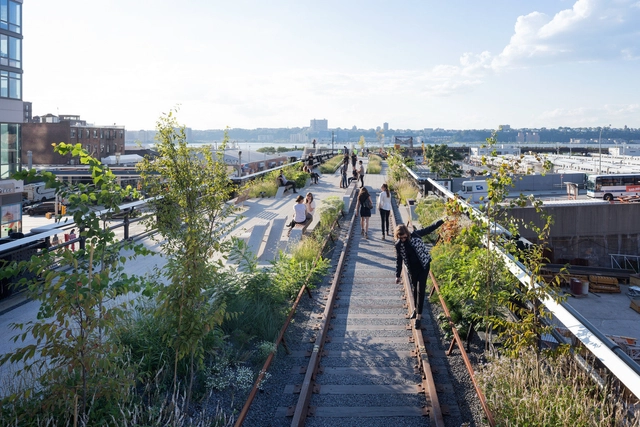
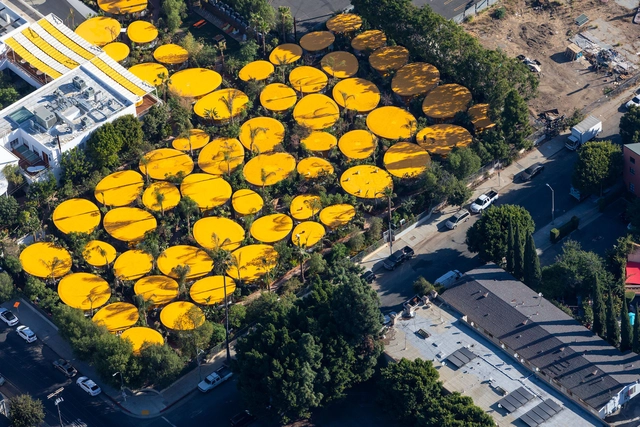
Understanding what drives economic, social, and educational disparities between communities is one of urbanism’s most critical and highly-discussed topics. It’s an increasingly complex issue, with many factors at play- one of them being the design and location of desirable urban green spaces. While sometimes they are a tool that helps to bolster underserved communities in terms of health and economic benefits, safety, and climate resistance, other times they can actually drive out the residents that they are created to serve. Now, the challenge lies in how to design these recreational sites to create better futures for all.
_B.jpg?1608618979&format=webp&width=640&height=580)
With over 280k followers on Wechat, a Chinese social media platform, ArchDaily has become the most influential architectural media across the Chinese community. Throughout 2020, more than 9.2million audiences has gained insights on the architectural news from all around the world via the official account named 建日筑闻(ADCNEWS). With restriction of buiding residential houses in China, the Chinese audience shows strong preference towards cultural architecture and urban renovation. As a review of the most popular projects we post in 2020, we've round up the 10 most shared projects on our Chinese platform in 2020.
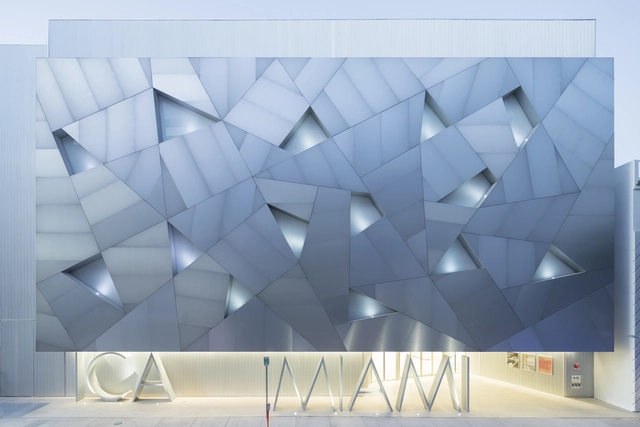
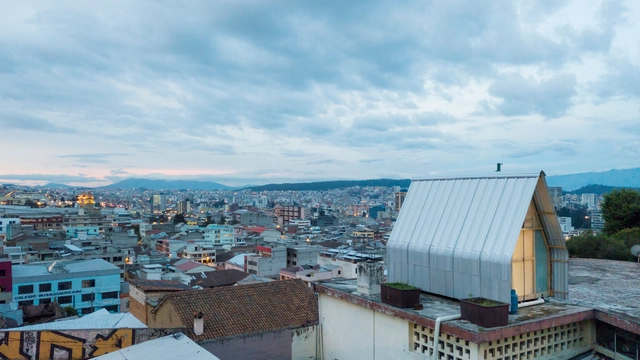
Despite all the hurdles and the pain, 2020 did not fail us in terms of content. Reacting to the global situation, ArchDaily's team of editors has tackled all the pressing issues that occurred this year and influenced the worldwide state of turmoil. While the whole planet was on pause, these writers were in search of critical substance, seeking to produce exclusive editorial pieces that highlight present-day topics and concerns. Generating articles in 4 languages, English, Spanish, Portuguese, and Chinese, this group of diverse individuals provided both local and global perspectives, reaching everyone that “talks architecture”.
Aspiring "to empower everyone who makes architecture happen to create a better quality of life", ArchDaily’s selection of best articles is the result of many aspects. Some of the choices explored distinctive subjects while others were very well-received among our readers. Emphasizing its academic standards, our platform focused its efforts on covering a vast range of ideas, from the consequences of the pandemic on the built environment, cities and their transformations, technical expertise and material specifications, to artificial intelligence and the future.
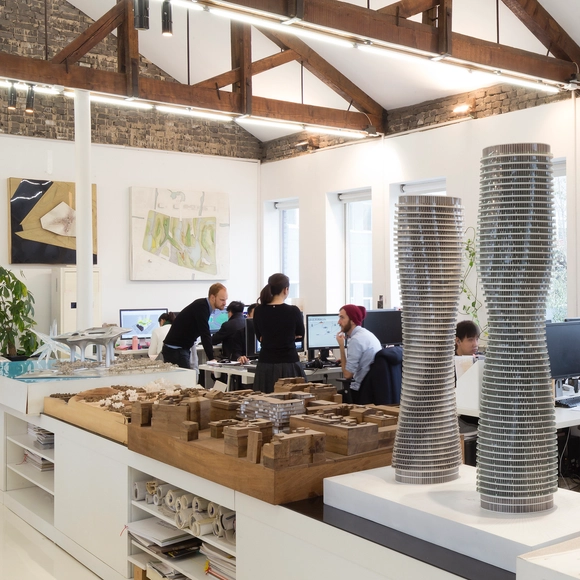
Architecture school is a place of experiment and a testing ground for innovative ideas. The academic work and student projects can bring to light the focus of an entire career, shape the backbone for an architectural theory, and crystalize values. How do their studies and formative years reflect on the later work of different architects? Taking a journey along decades, we explore the transition from architecture school to practice, the reverberance of academic explorations and early projects in the work of several architects and practices, highlighting the different pivotal steps that have shaped the beginning of their architectural journey.

While concrete is without a doubt the world's go-to building material thanks to its durability, malleability, and ability to withstand a wide range of climates, it is also the principal source of CO2 emissions within the realm of construction. To combat this and reduce their creations' carbon footprint, many architects have begun experimenting and innovating in a bid to optimize concrete's technical qualities while diminishing its impact on the environment. Among these efforts, there are several projects that have explored the possibility of replacing traditional frameworks with more sustainable materials like bamboo, a resource that grows in abundance throughout many regions of the world and, along with having minimal environmental impact, renders high quality textured detailing on a variety of architectural surfaces.
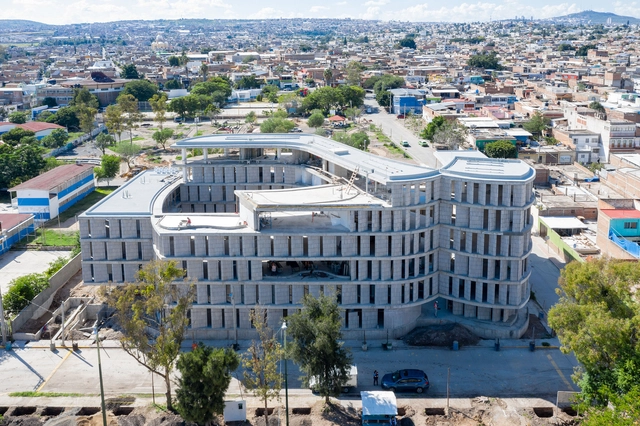
Photographer Iwan Baan captured the construction process of the social housing Las Américas in León, imagined by the New York-based office, SO-IL who collaborated with the Municipal Housing Institute of León (IMUVI) in the design of the development.
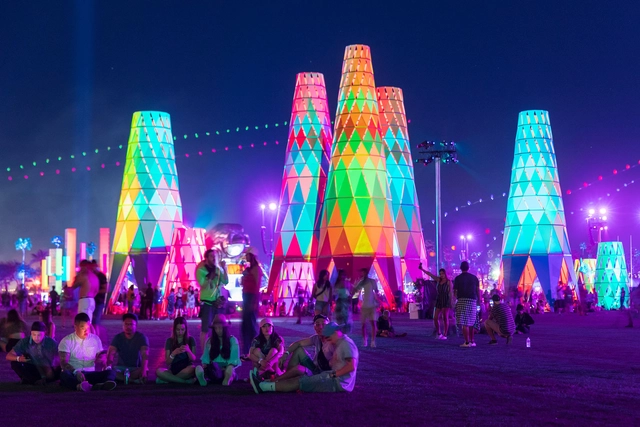
Pop-up architecture makes the most of tiny spaces and intimate experiences. As temporary structures, pop-ups are nothing new, dating back at least to Roman times as temporary stages for festivals called ludi. Pushing the boundaries of architecture, they feature a light-touch for maximum impact, each built to make a statement. Today, they are often designed around the full life-cycle of a project to minimize environmental impact.
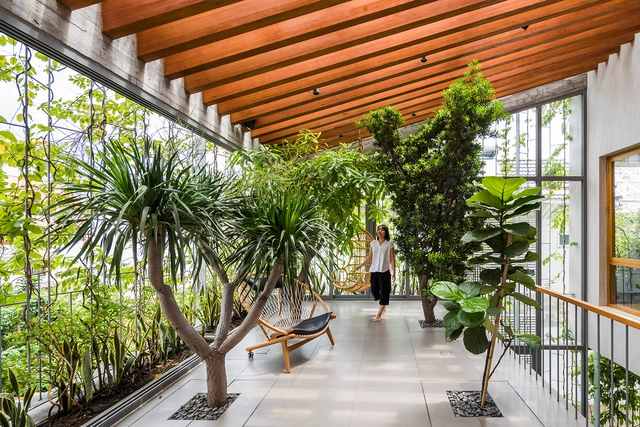
Interior design begins with human experience. Considering the physical, mental, and emotional needs of people, interior designers use human-centered approaches to address how we live today. Creating novel approaches to promoting health, safety, and welfare, contemporary interiors are increasingly inspired by biophilia as a holistic approach to design.