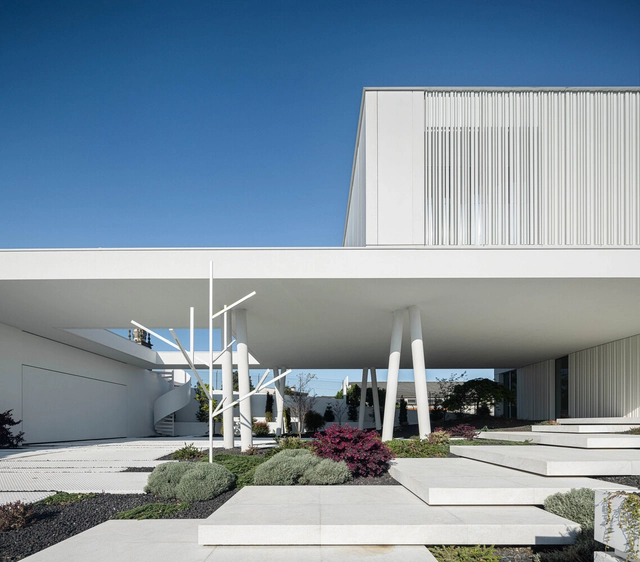
Ivo Tavares Studio
Ivo Tavares is a Portuguese architectural photographer whose work has been published in various national and international media outlets. Since 2011, he has been collaborating with architects to document works that reflect contemporary architecture in Portugal.
BROWSE ALL FROM THIS PHOTOGRAPHER HERE
↓
RiscoWhite House / Risco Singular - Arquitectura


https://www.archdaily.com/1007168/riscowhite-house-risco-singular-arquitecturaSusanna Moreira
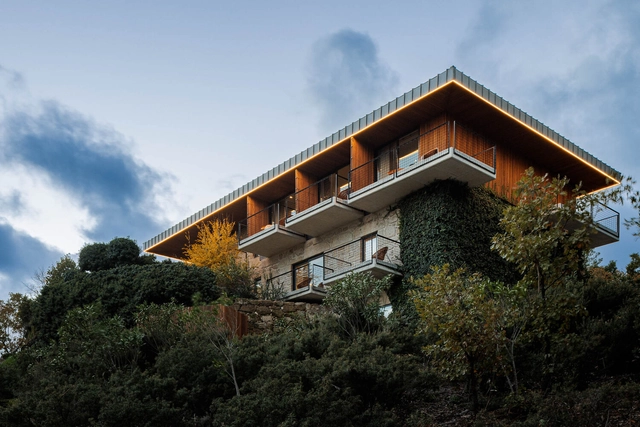
The Vagar Country House / David Bilo + Filipe Pina


-
Architects: David Bilo, Filipe Pina
- Area: 425 m²
- Year: 2022
-
Manufacturers: Anicolor, Efapel, Ofa, Zolzaima
https://www.archdaily.com/1006998/the-vagar-country-house-david-bilo-plus-filipe-pinaSusanna Moreira
Palheiro House / Pedro Henrique Arquiteto


-
Architects: Pedro Henrique Arquiteto
- Area: 1722 ft²
- Year: 2022
https://www.archdaily.com/1006081/palheiro-house-pedro-henrique-arquitetoPilar Caballero
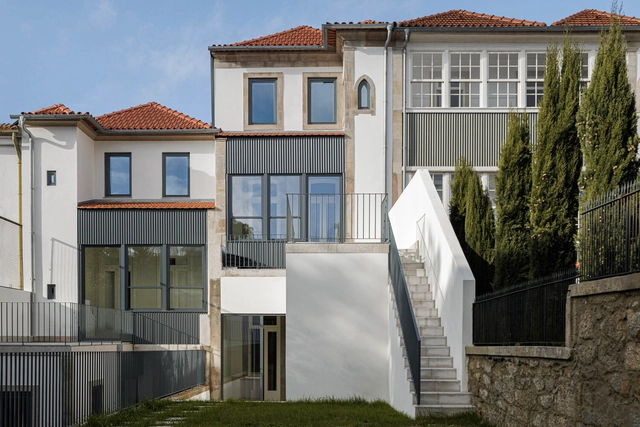
Marlim D. João IV Building / Atelier d'Arquitectura Lopes da Costa


-
Architects: Atelier d'Arquitectura Lopes da Costa
- Area: 853 m²
- Year: 2023
https://www.archdaily.com/1004734/marlim-d-joao-iv-building-atelier-darquitectura-lopes-da-costaValeria Silva
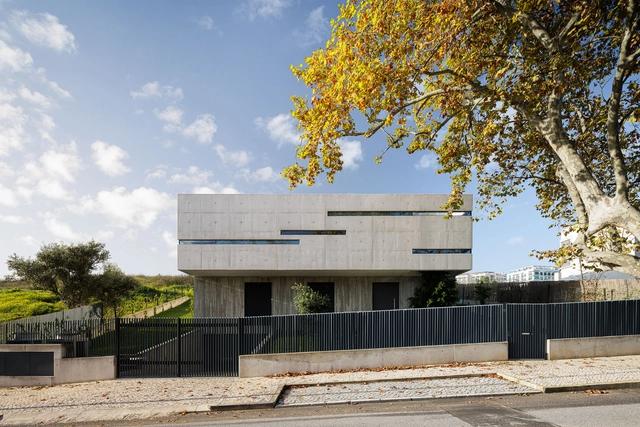
Concrete 11 House / Cage Atelier


https://www.archdaily.com/1003751/concrete-11-house-cage-atelierValeria Silva
Former Louvre Hotel / Diana Barros Arquitectura


https://www.archdaily.com/1003338/former-louvre-hotel-diana-barros-arquitecturaPilar Caballero
House With Glass Walls / fala
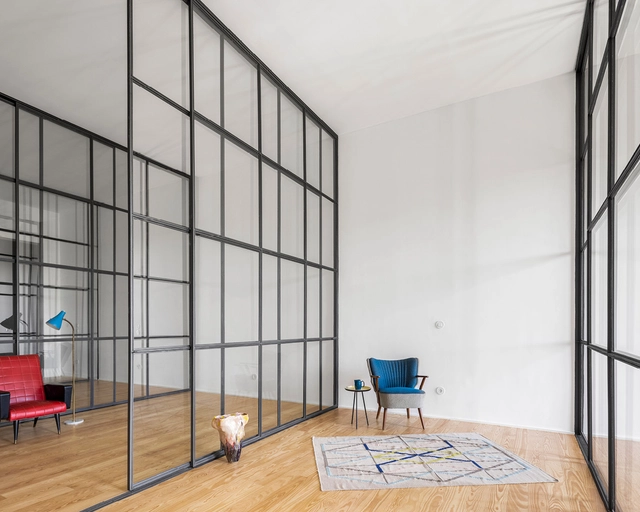


https://www.archdaily.com/1002999/house-with-glass-walls-falaSusanna Moreira
"The structure of the city enters the school": interview with Fátima Fernandes of Cannatà & Fernandes
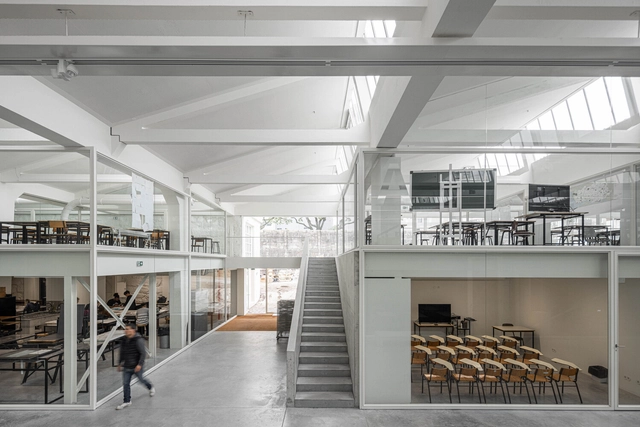
No País dos Arquitectos is a podcast created by Sara Nunes, who also runs the architectural film production company Building Pictures. The podcast aims to profile the professionals, projects, and stories behind Portugal's leading contemporary architecture. With just over 10 million inhabitants, Portugal is a highly compelling country in this professional field, producing an architectural output that far exceeds its population and territorial scale.
In this episode of the fifth season, Sara talks with architect Fátima Fernandes of the firm Cannatà & Fernandes about the ESAP - Porto Higher School of Arts. Listen to the conversation and read part of the interview below.


https://www.archdaily.com/1136522/the-structure-of-the-city-enters-the-school-interview-with-fatima-fernandes-of-cannata-and-fernandesRomullo Baratto
Paulo Mendes da Rocha is celebrated with two exhibitions at Portugal's Casa da Arquitectura
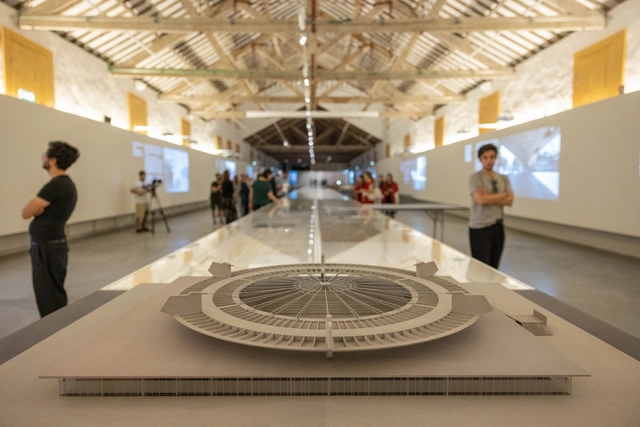
Four years after receiving the archive of Espírito Santo-born architect Paulo Mendes da Rocha, Portugal's Casa da Arquitectura is opening two exhibitions dedicated to the Brazilian winner of the Pritzker Prize (2006) and the Golden Lion at the Venice Biennale (2016). The larger of the two, featuring 138 original drawings, dozens of photographs, and other documents, is dedicated to the architect's built work and seeks to expand the notion of geography that runs through Mendes da Rocha's production.


https://www.archdaily.com/1135952/paulo-mendes-da-rocha-is-celebrated-with-two-exhibitions-at-portugals-casa-da-arquitecturaRomullo Baratto
"As architects, we can impact people's development": Interview with Paulo Moreira
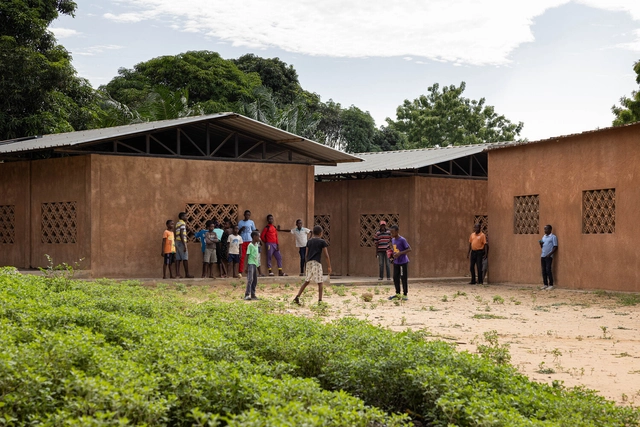
No País dos Arquitectos is a podcast created by Sara Nunes, who also runs the architectural film production company Building Pictures. The podcast aims to profile the professionals, projects, and stories behind landmark contemporary Portuguese architecture. With just over 10 million inhabitants, Portugal is a highly compelling country in this professional field, producing architecture that punches far above its weight relative to its population and territorial scale.
In this episode of the fifth season, Sara talks with architect Paulo Moreira about the Kapalanga School in Luanda, Angola. Listen to the conversation and read an excerpt of the interview below.


https://www.archdaily.com/1136491/as-architects-we-can-impact-peoples-development-interview-with-paulo-moreiraRomullo Baratto
Casa Vertical / Tsou Arquitectos
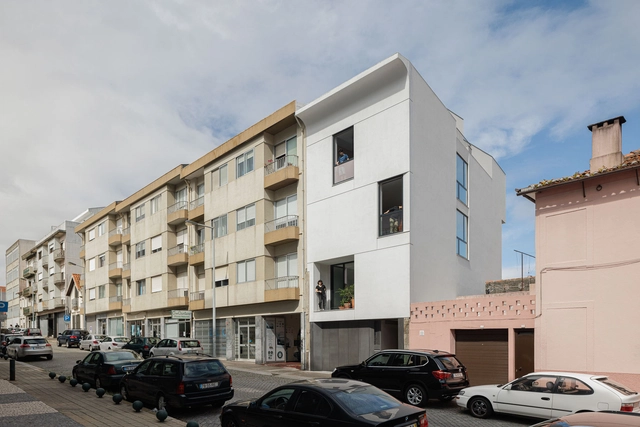


https://www.archdaily.com/1000974/casa-vertical-tsou-arquitectosAndreas Luco
AN Apartment / nmdarq
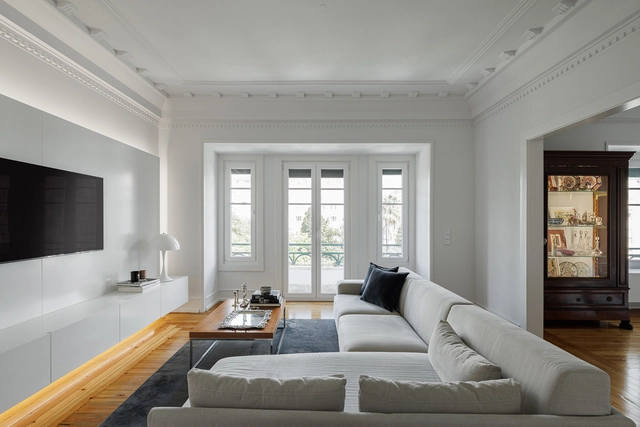


https://www.archdaily.com/1000720/an-apartment-nmdarqPilar Caballero
HC House / Sónia Cruz - Arquitectura


https://www.archdaily.com/1000508/hc-house-sonia-cruz-arquitecturaSusanna Moreira
Caldeira House / Filipe Pina
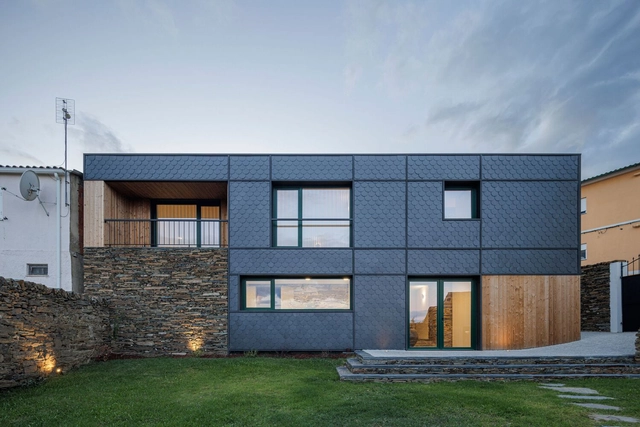


-
Architects: Filipe Pina
- Area: 753 ft²
- Year: 2021
-
Manufacturers: Efapel, Ofa, Recer
https://www.archdaily.com/998580/caldeira-house-filipe-pinaPilar Caballero
House in Santa Marinha / Helder da Rocha Arquitectos
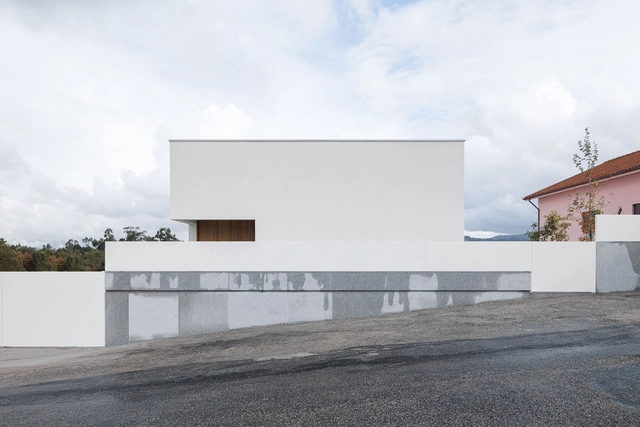


-
Architects: Helder da Rocha Arquitectos
- Area: 230 m²
- Year: 2022
-
Manufacturers: Cortizo
https://www.archdaily.com/997888/house-in-santa-marinha-helder-da-rocha-arquitectosAndreas Luco
Ponte House / stu.dere
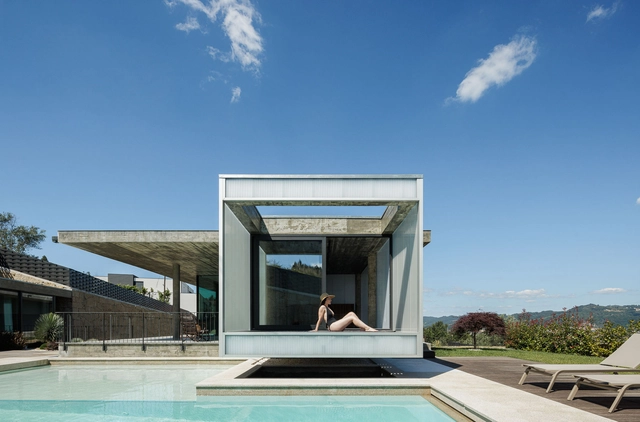


https://www.archdaily.com/996893/ponte-house-sterePilar Caballero


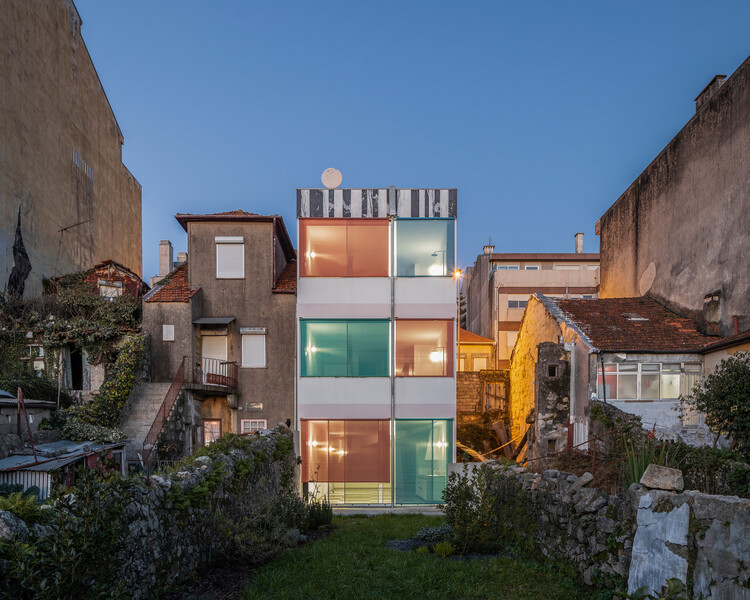
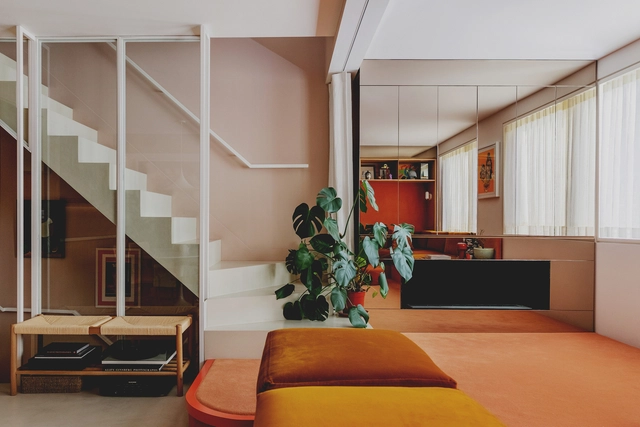
Gaining Perspective: 15 Projects that Explore Interior Glass Use
Despite the initially slow and arduous process of molding glass into shape, mankind has used the material for thousands of years. According to archaeological evidence, the first human-made glass tools and jewelry were found in Eastern Mesopotamia and Egypt around 3500BC — and after the invention of the blowpipe in Syria in the 1st century BC and the Western Industrial Revolution made mass production easier, the material's signature traits of transparency and durability could finally be applied on a large scale in architecture and design.
Fast forward to the present day, and the use of glass for building facades and windows is well documented. But what about once we move inside? By treating glass for different levels of transparency, cleverly positioning it within a room, or employing its reflective surface to their advantage, interiors can benefit just as much from the material as exteriors.


https://www.archdaily.com/995409/gaining-perspective-15-projects-that-explore-interior-glass-useClaire Brodka