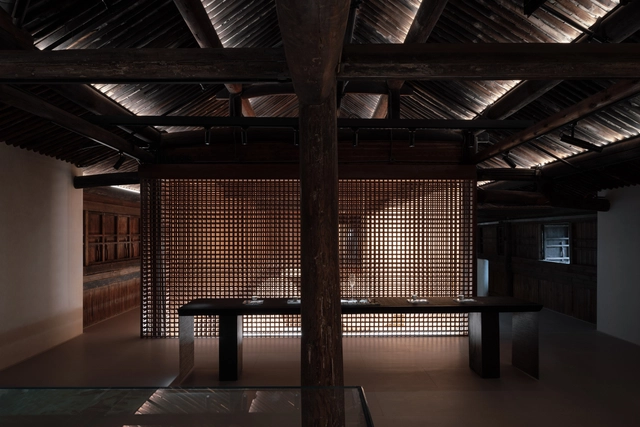
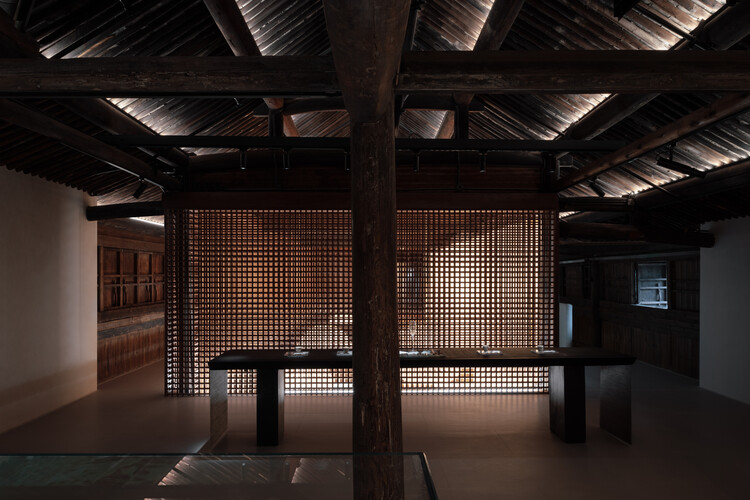
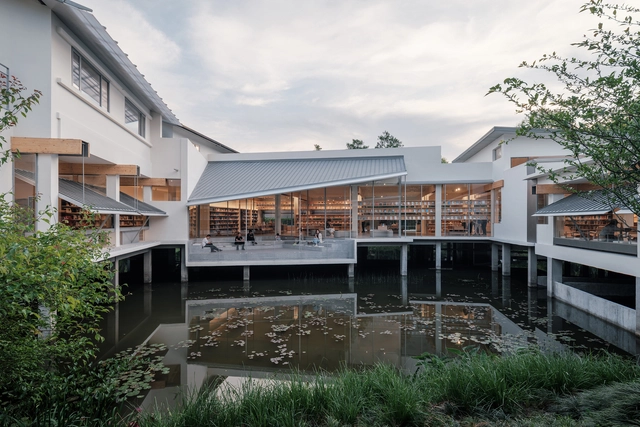
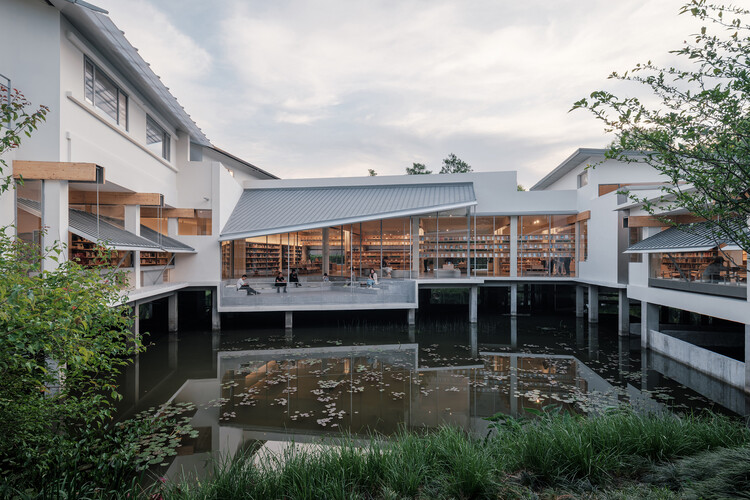
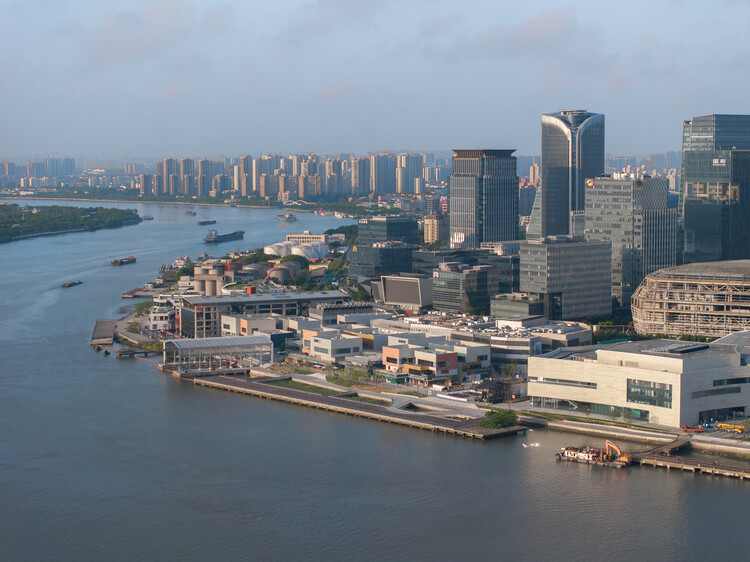
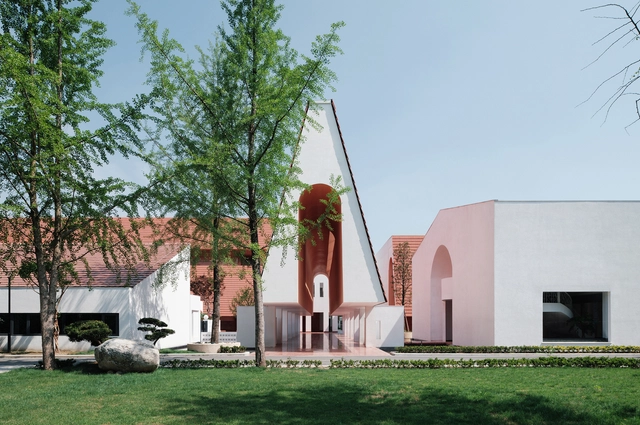
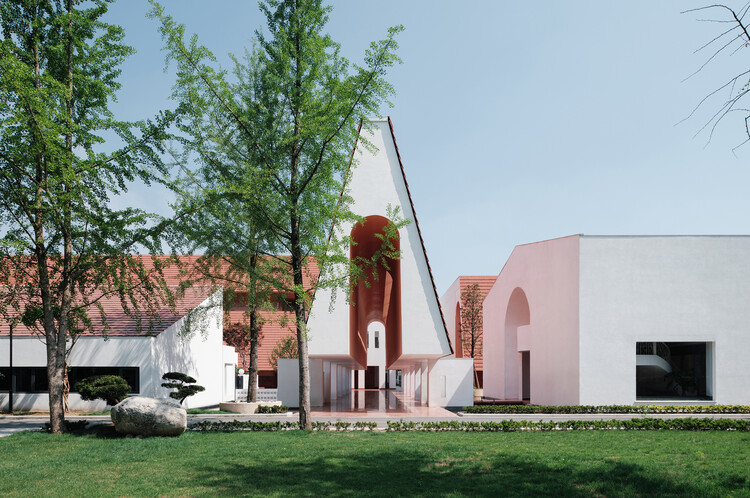
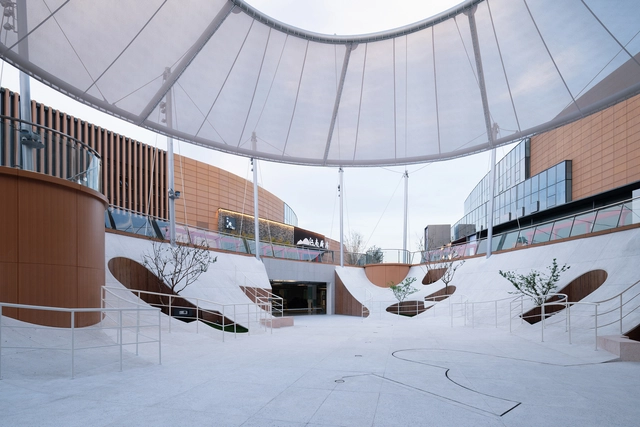
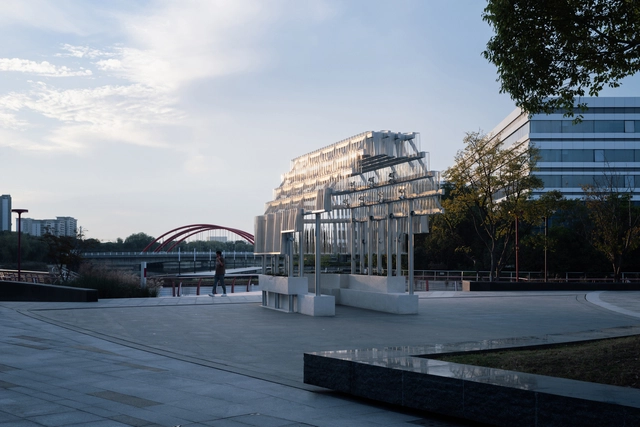
Amidst global economic adjustments and a domestic focus on high-quality development, Shanghai has implemented a strategic shift in its urban development approach—moving from 'incremental expansion' to 'connotative enhancement.' Guided by the concept of a "people-oriented city", Shanghai has elevated urban construction from mere physical space aggregation to a comprehensive endeavor aimed at optimizing functional quality, revitalizing spatial vitality, and boosting residential resilience through urban renewal initiatives. This transformation is framed not merely as a response to resource constraints but also as an intentional approach to urban development principles. Its core proposition lies in: under the policy framework of strictly controlling incremental land use, how to unleash development potential through the "reproduction" of existing spaces.
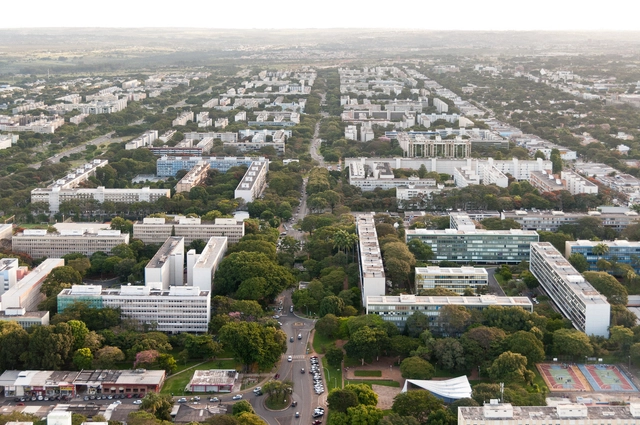
Through the post-war 20th century, the Global South saw much influence from foreign architects, often invited by local governments to bring their expertise and visionary thinking. Sought as a symbol of modernity, buildings designed by "starchitects" elevated the image of nations. Decades later, as local industries advance in capabilities, the desire for foreign talent continues to exist. Is this a natural result of globalization or is the continued presence of international architects in the Global South a persistent dependency?
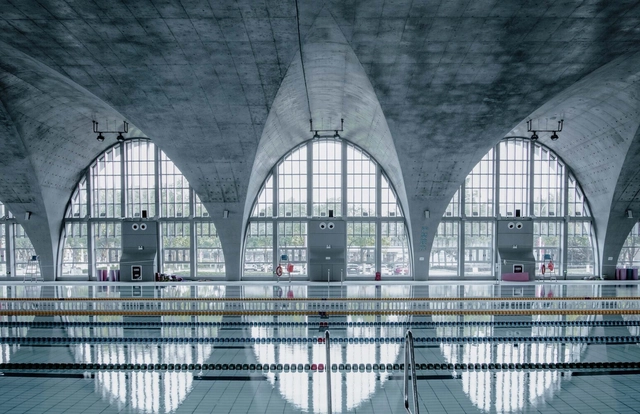
Natatorium of Southeast University / SEU-ARCH Zhou Qi Studio. Image Courtesy of SEU-ARCH Zhou Qi Studio
Sports infrastructure has become an important aspect of contemporary life, addressing the growing need for physical activity and leisure spaces to offset the stresses of urban living. In this context, architecture, particularly in the realm of sports facilities, plays a pivotal role in shaping these environments. Sports architecture, in particular, has evolved into a highly specialized discipline that not only addresses the functional and technical aspects—such as structural integrity, safety standards, and the specific requirements of different sports—but also emphasizes the importance of thoughtful design. A well-designed sports facility not only enhances the user experience but also integrates seamlessly into its urban or natural surroundings, contributing to the overall aesthetic and social value of the space. By blending functionality with innovation and creativity, sports architecture has the potential to positively impact both individual well-being and community cohesion.