


-
Architects: Architecture School of Southeast University, Atelier XÜK
- Area: 7726 m²
- Year: 2019
-
Manufacturers: paneltek
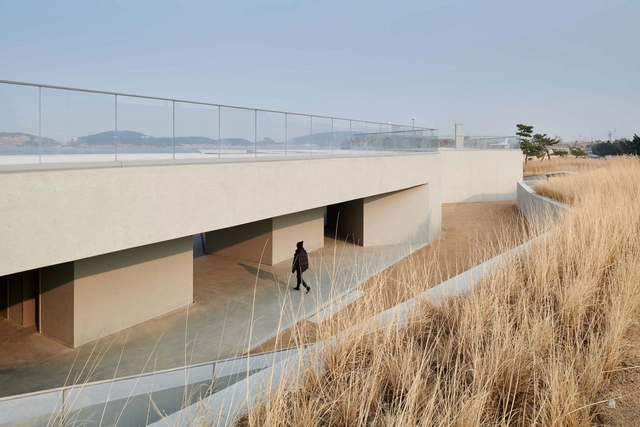

The year 2021 has been a turbulent one –coronavirus rages on, and the design and construction industries have been forced to keep adapting two years into a global pandemic. As virtual methods of working and communicating continue to be tweaked and honed, a plethora of virtual events has meant that architectural discourse outside the western canon and Eurocentric gaze, in a small way, has been able to claim space front and center in the global architectural conversation.
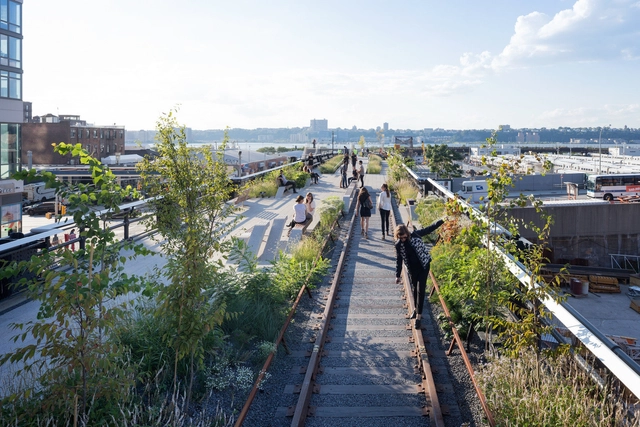
Ethical practice spans all parts of architecture. From intersectionality and labor to the climate crisis, a designer must work with a range of conditions and contexts that inform the built environment and the process of its creation. Across cultures, policies and climates, architecture is as much functional and aesthetic as it is political, social, economic, and ecological. By addressing the ethics of practice, designers can reimagine the discipline's impact and who it serves.

2021 was the year of a new reality, with humankind adapting to what is known as the second year of the pandemic. While some countries witnessed a return to alternative normality, opening up to the world through travel and events, others stayed in lockdown, expanding furthermore the inequality gaps. Nevertheless, this year also brought a lot of hope in all aspects, raising questions and building solutions for the near future. With a major focus on climate urgency, biomedical research as well as notions of hybridity, 2021 has triggered new understandings of the environment that surrounds us and of our place in this world.
Highlighting contextual topics, bringing both a local and global perspective, while shedding light on overlooked historical narratives, ArchDaily's diverse team of editors has been front and center, reacting to everything that has been happening. Always seeking "to empower everyone who makes architecture happen to create a better quality of life", the editorial content, generated across all sites, in our 4 languages, English, Spanish, Portuguese, and Chinese, provided tools, inspiration, and knowledge to widen horizons and help our users build a better future.
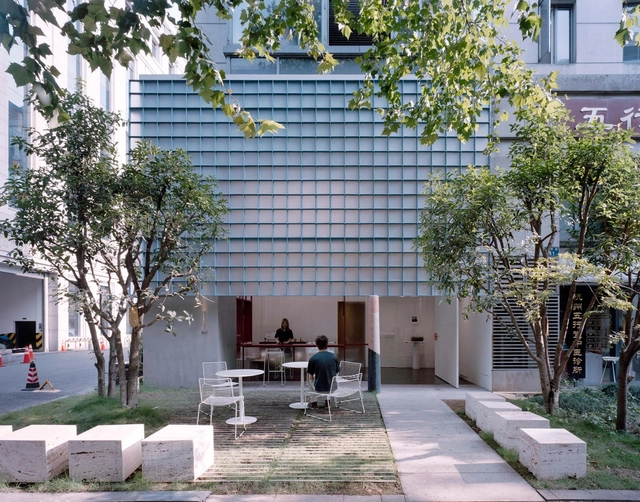
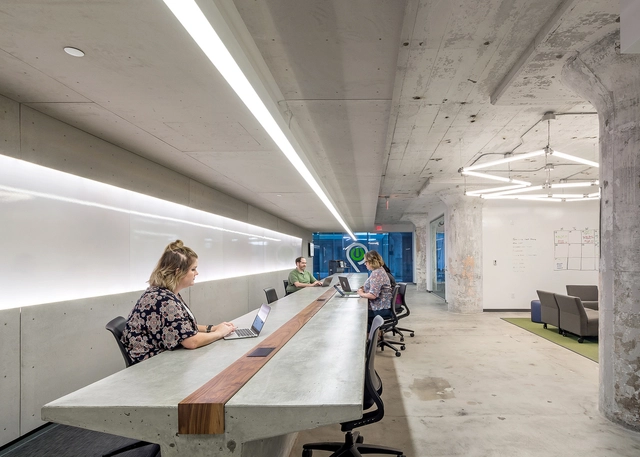
People spend hours at work every day. Offices still fail to recognise the difference lighting can make to their workspaces. Lighting is an important matter when talking about visual comfort and productivity. Optimized lighting can help to improve performance and there are determined practice guidelines on which lighting systems work best for your work environment.

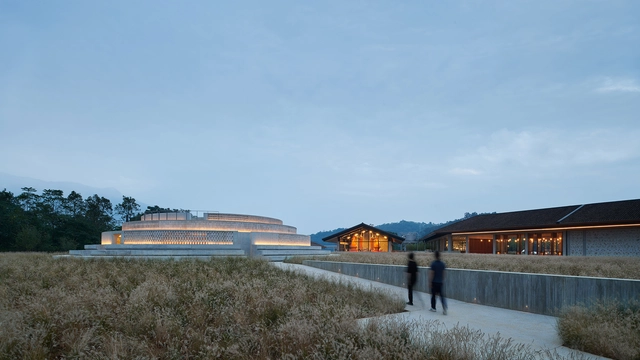
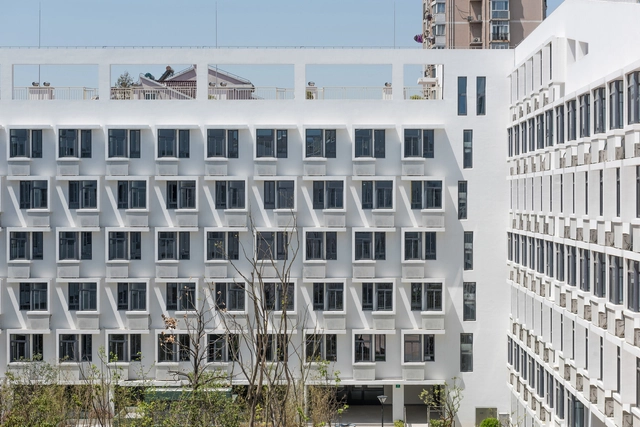
Saskia Sassen, the Robert S. Lynd Professor of Sociology at Columbia University, predicts in her co-authored book “The Quito Papers and the New Urban Agenda” that, in the future cities will become our crucial battlefield as we continue to fight against gentrification and growing degree of isolation in our communities. Sassen argues that, “Cities should be an inclusive space for both the affluent and the poor. Nevertheless, in reality our cities never achieved equality for all, because our cities were never designed that way. Still cities ought not to be a place that tolerates inequality or injustice”.

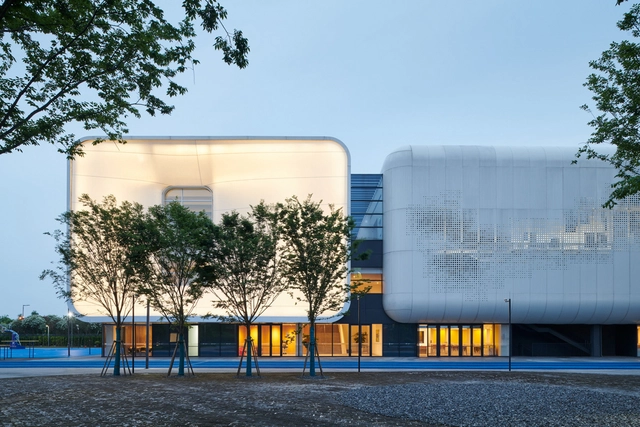
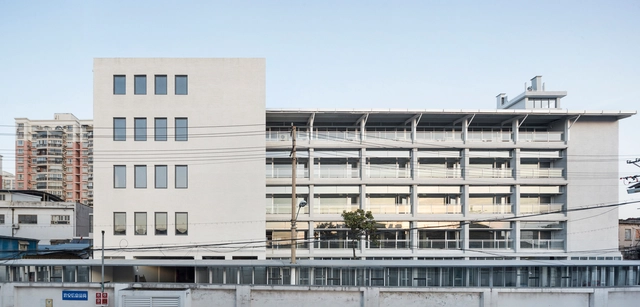

.jpg?1623322813&format=webp&width=640&height=580)
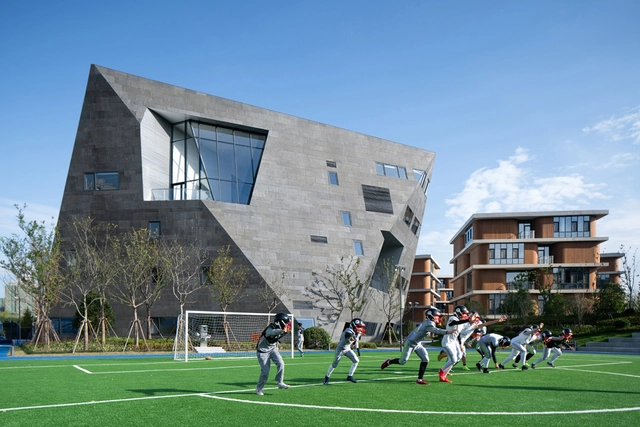
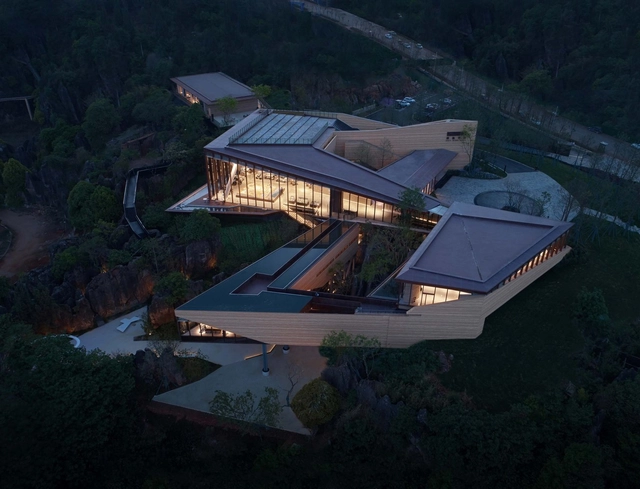
Ever since the period of the Renaissance in Europe, the indivisible relationship between art and architecture has long been heatedly discussed and vividly reflected in numerous classical books and buildings. With the deep connection that unites art and architecture together, designers, artists, and architects have been actively collaborating and came up with solutions on how we can house and exhibit art in the form of changing spaces.





.jpg?1639538097&format=webp&width=230&height=230&crop=true)
.jpg?1639538002&format=webp&width=230&height=230&crop=true)
.jpg?1639538376&format=webp&width=230&height=230&crop=true)
.jpg?1639538340&format=webp&width=230&height=230&crop=true)


.jpg?1637144929&format=webp&width=230&height=230&crop=true)
.jpg?1637218042&format=webp&width=230&height=230&crop=true)
.jpg?1637145251&format=webp&width=230&height=230&crop=true)
.jpg?1637145024&format=webp&width=230&height=230&crop=true)


_Scene_of_living_room(2)_%C2%A9Chen_Hao.jpg?1630356548&format=webp&width=230&height=230&crop=true)


.jpg?1628595557&format=webp&width=230&height=230&crop=true)


.jpg?1623322772&format=webp&width=230&height=230&crop=true)
.jpg?1623322852&format=webp&width=230&height=230&crop=true)
.jpg?1623322835&format=webp&width=230&height=230&crop=true)
.jpg?1623322771&format=webp&width=230&height=230&crop=true)
.jpg?1623322813)


