-
Architects: ARCHITECTS OFFICE
- Area: 210 m²
- Year: 2022
-
Manufacturers: Antonio Citterio, Arcangelo Ianelli, Dpot, Isamu Noguchi, Jorge Zalszupin, +3


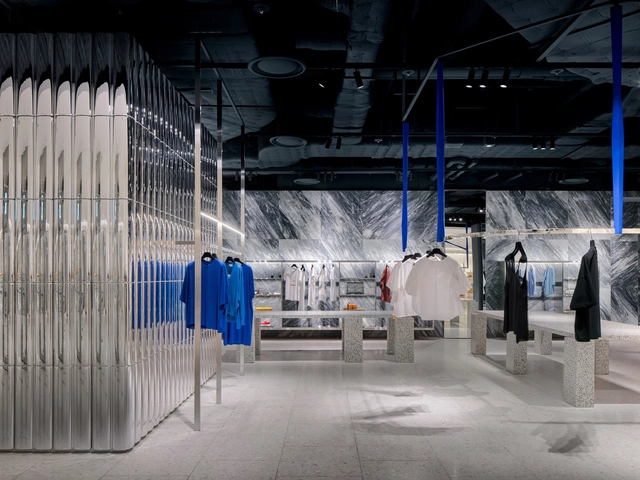
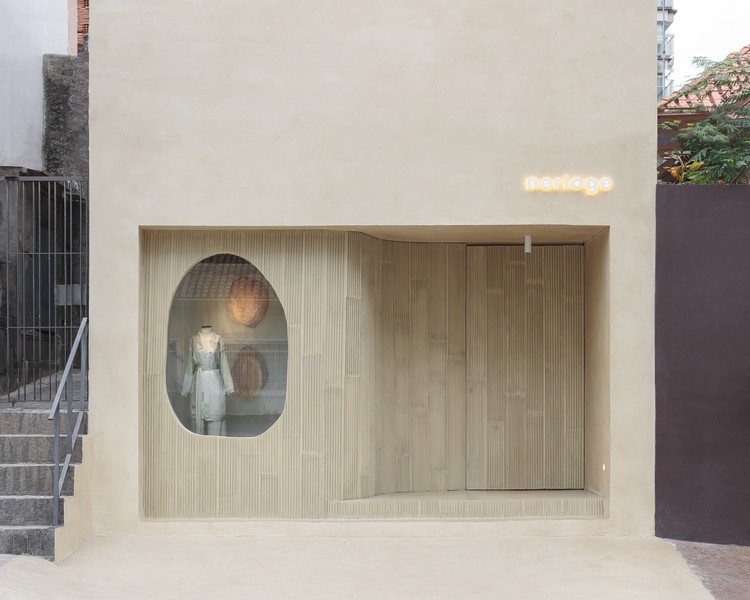
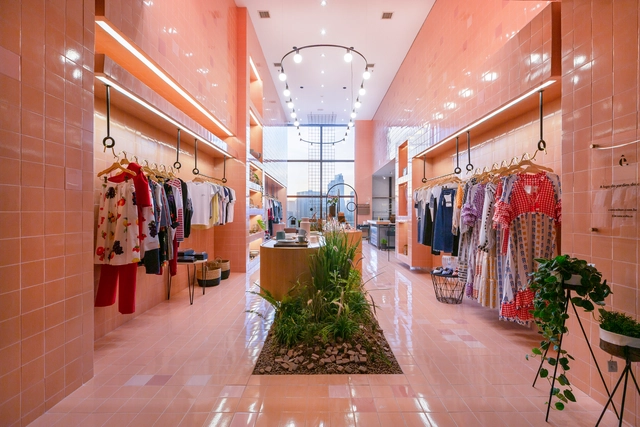
Within the realm of commercial architecture, the design of spatiality can adopt multiple approaches, conceiving proposals that achieve a balance between aesthetics and functionality. Taking into consideration that various cultural variables, social tensions, and economic interests are involved, the construction of these spaces directly involves the interaction between users, brands, and their products, participating in the experience on-site from colors and materials to lighting, climate control, sounds, aromas, and more.
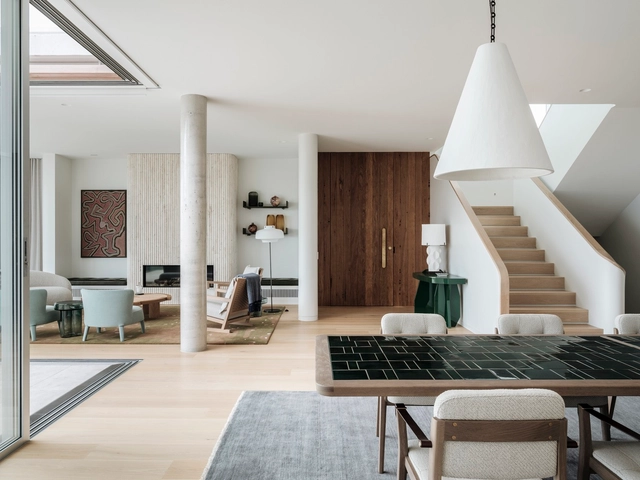
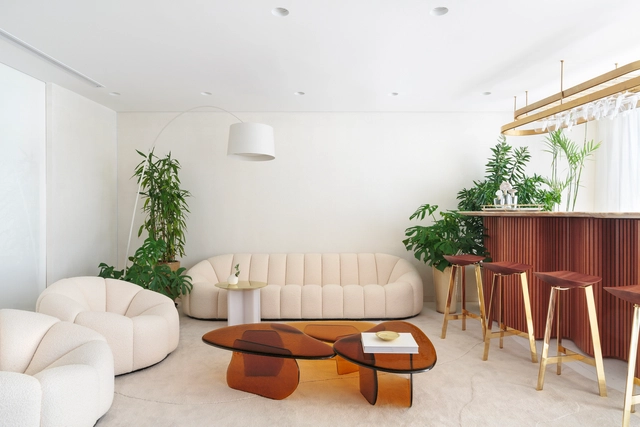
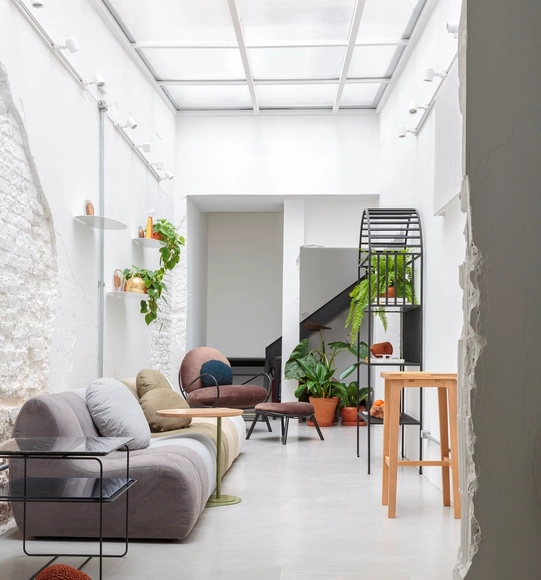
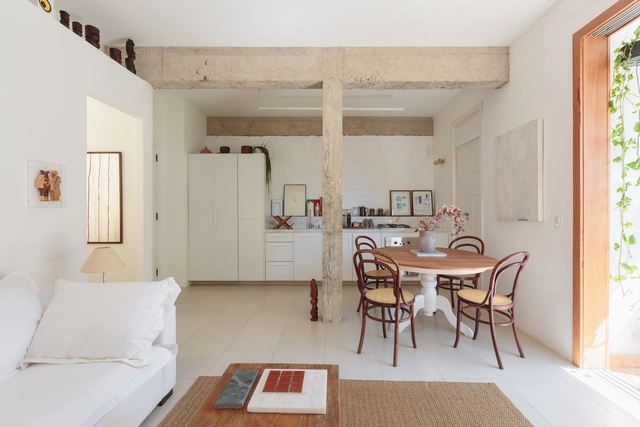
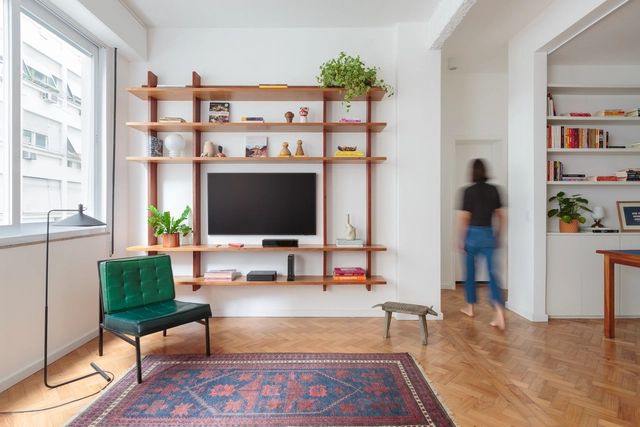
When it comes to forward-thinking interior design, adaptability, and timelessness are two key factors that can guarantee a home will look just as current years from now as it does today. One interior style that makes use of them more than any other is: contemporary. By borrowing elements from several prominent styles and combining them into a harmonic whole, contemporary interiors stay current even as trends move on. But what are the components that remain constant even with this ever-changing fashion? We explore seven evergreen design elements that define contemporary interiors.
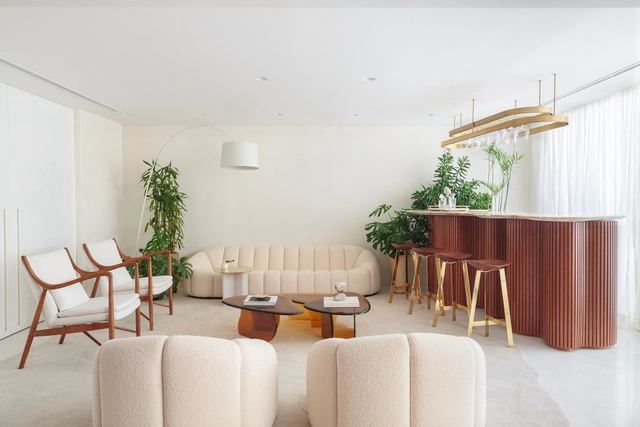
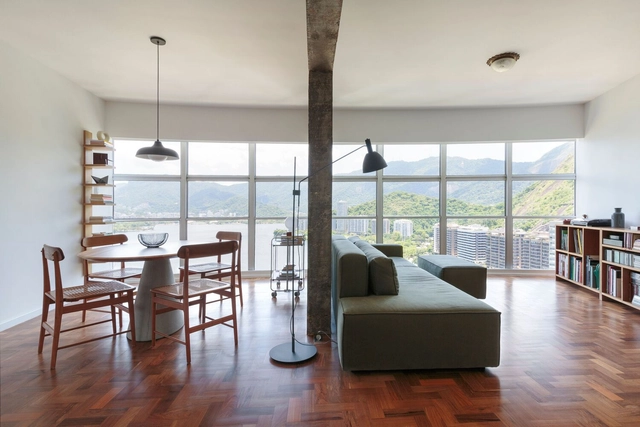
The rationality of orthogonal shapes dominates architecture, despite grand gestures that have sought to oppose themselves throughout history. In large-scale production, the right angles, repetition and modularity of the block or grid of pillars help in the efficiency of construction, despite reproducing the same spatial solutions. Unlike buildings, interior architecture can propose alternatives to break this rationality, whether from partitions or decorative objects.