-
Architects: HUT atelier d'architecture
- Area: 10 m²
- Year: 2026
Throughout our lives, we are exposed to various stimuli and pollutants that directly impact our well-being. Although air and water pollution typically garner more attention due to their highly visible and negative effects, noise pollution is sometimes underestimated, even though it poses a risk to physical and mental health, according to the European Environment Agency.
Some of the strategies to address this challenge have focused on policies that control vehicular traffic and establish schedules for specific activities. In the field of architecture, within the Mexican context, local regulations address specific scenarios related to noise produced by machinery and particular uses, such as entertainment and service centers. These regulations establish a sound intensity limit of 65 dB (decibels). However, since housing represents perhaps the most archetypal manifestation of architecture and can be affected by various noise sources, it is worth asking: How can a home be soundproofed? In response to this question, Soprema has developed several solutions to create a soundproofed environment through the different elements that make up a home.

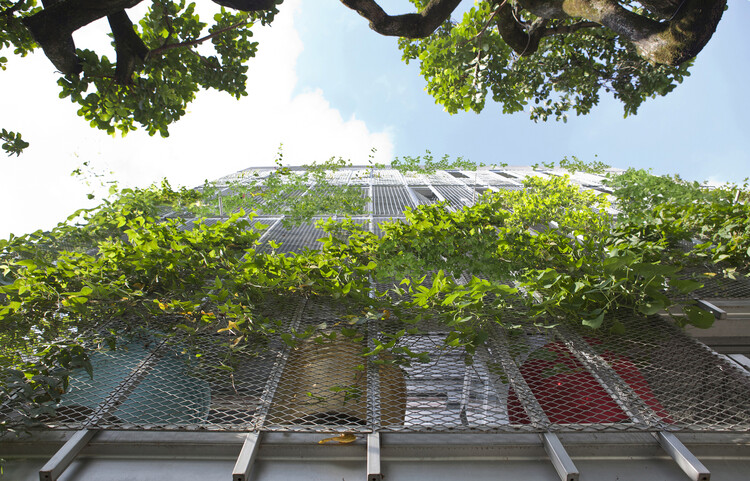
When we think of façades, we rarely think of them as habitats. We see them as the elements that separate interior from exterior, regulate temperature, reduce noise, and protect buildings from external conditions. They give architecture its visual language, but they are also expected to keep the outside world at a distance. In doing so, façades have often been understood as barriers: surfaces that define where human comfort begins and where the environment is meant to remain outside.
But the outside of a building is never empty. For centuries, architecture has unintentionally created opportunities for other forms of life. Birds nested beneath roof tiles, insects occupied cracks in masonry walls, and mosses or plants took root along ledges, gutters, and rough stone surfaces. These conditions were rarely designed with other species in mind, but they created small opportunities for life to inhabit them.
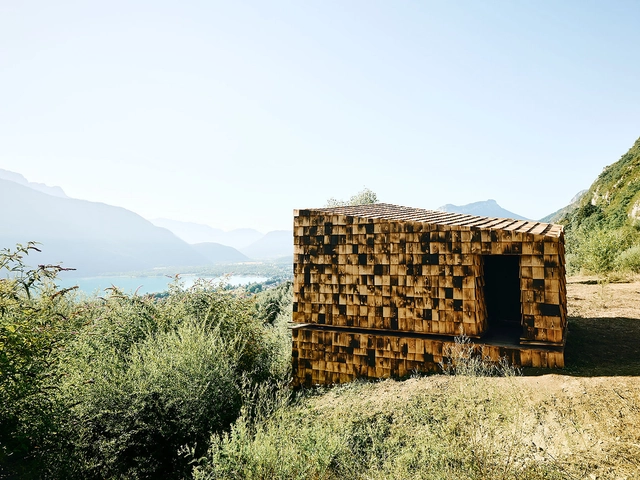
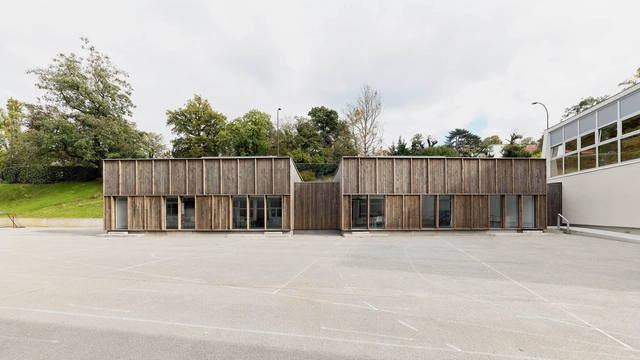
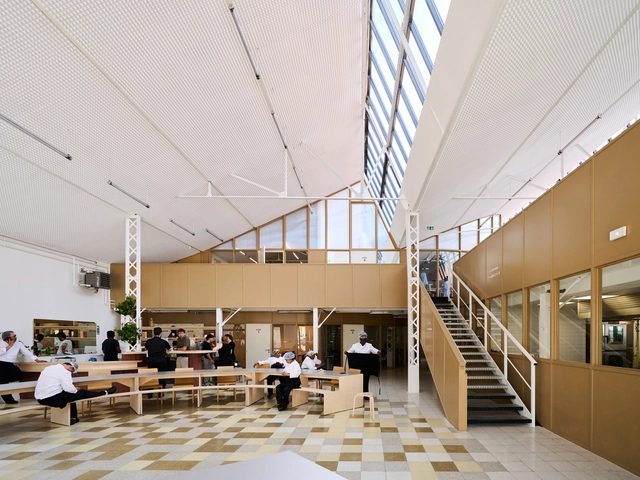

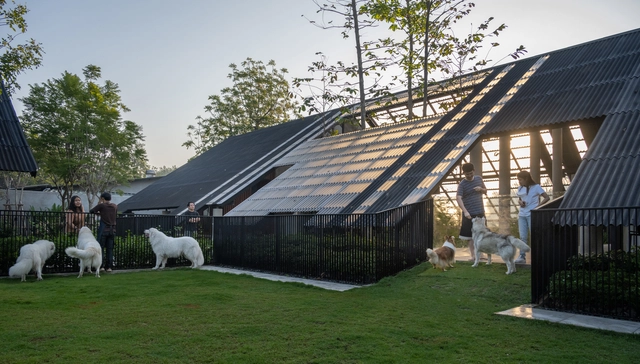
Are humans the only stewards of the built environment? For many architects and planners, spaces are designed with a focus on the needs, comfort, and health of humans. A spatial ordering, in constructed spaces and the urban fabric, designates humans as the default, singular user in this scenario. However, as much as humans have influenced the trajectory of the world, other species play a crucial role in designing, forming, and maintaining the urban landscapes of the twenty-first century.
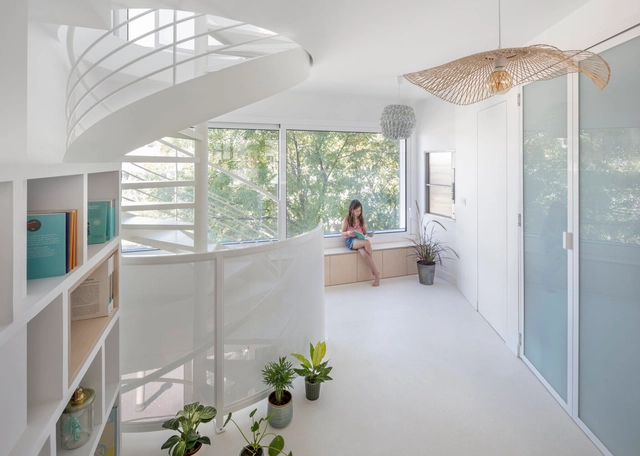
Whether rising to the highest room of the tallest tower in a Disney-esque castle, giving an admirer the chance to confess their love on an apartment building fire escape, or connecting a basement or attic room with a decorative period feature, there’s something unavoidably romantic about spiral staircases. But there’s more function behind these coiling forms than just their good looks.
One common-held theory is that spiral staircases were first installed in historic castles as vertical baffles, tiring out enemy infiltrators before they could make it to the top. This is why – it is said – many are set to turn clockwise on the ascent, so attackers have a smaller arc for swinging weapons (mostly held in right hands) than defenders making their descent.
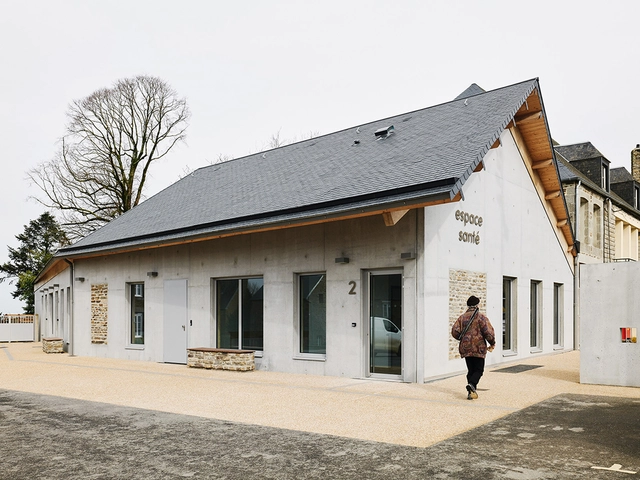


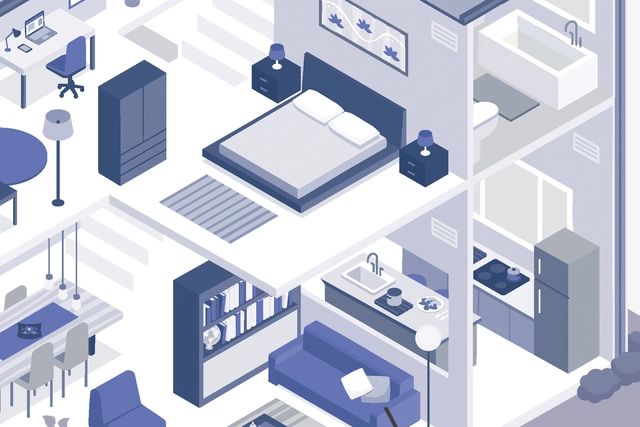
Finding an efficient configuration for a small apartment is not an easy task. Basic housing programs should be distributed in minimal spaces without losing comfort. Below, we have made a selection of 10 apartments under 38 square meters and compiled their axonometric drawings, to inspire you.
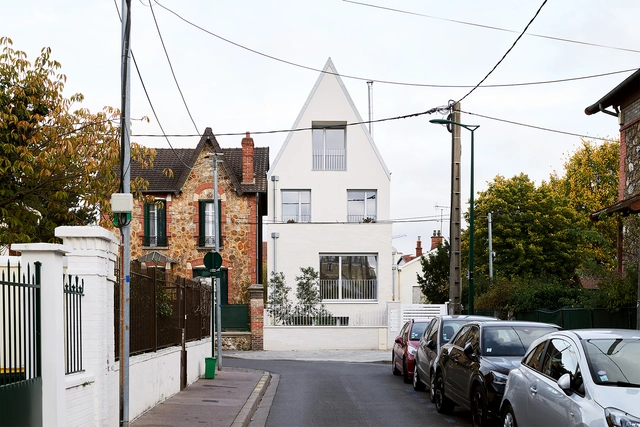
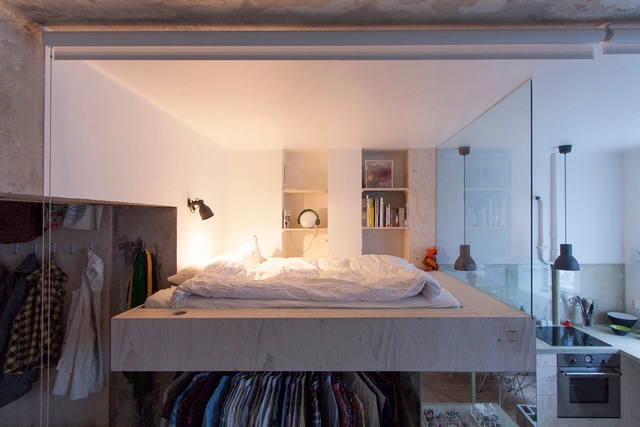
Over the last few years, we have explored different ways of taking advantage of small spaces in residential architecture. From efficient furniture to kitchens with transformable systems to adapting essential household appliances, architects have begun looking for effective ways of optimizing scarce floor space or making spaces more flexible in multifunctional and mixed-use typologies.
The bed, as an indispensable element, is an essential consideration in these experiments. Its functions can be fulfilled without completely losing the valuable space it occupies, and the bedroom experience can be enriched with careful thought. How can we reinvent and take advantage of the opportunities of the traditional bed?