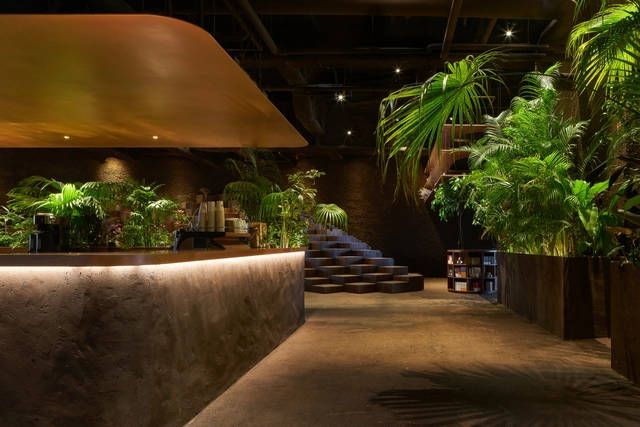
More than 5000 new projects published throughout 2021 make ArchDaily the largest online architecture library in the world. ArchDaily Curatorial Team researches, contacts offices, prepares, and delivers the built projects in the world on a daily basis, with the objective of providing inspiration, knowledge, and tools to our users who take part in the creation of better built environments.
https://www.archdaily.com/974013/best-architectural-projects-of-2021Clara Ott
With the major happenings of the past year, our built environment and people’s needs within it seemed to change. Different ways of Architectural thinking and design solutions were put forth, showing how global events are capable of pushing the limits of the profession, increasing our responsibility, and also our opportunities to contribute to a better quality of life in every possible way. At ArchDaily, we have continued to connect with architects and designers from all over the globe and have shared diverse works, all displaying relevant implementations and architectural solutions that have an impact on our community.
In response to the published works, we have experienced different reader behaviors that indicate how architectural production can actually have an impact on designers and non-designers all over the world. This led us to create ArchDaily’s Annual Architecture Report which analyzes the most popular trends and topics in the architecture world over the past year, in an effort to understand, discuss and forecast the trends for 2021.
On behalf of the entire ArchDaily team, we would like to thank you for your continued support and for making 2020 our best year so far! We are now reaching more architects around the world and inspiring them in the creation of better built environments. With more than 5500 different projects published during the year, our curators are excited to share this collection of the 100 most visited projects of 2020. This selection represents the best content created and shared by the ArchDaily community over the past 11 months.
Over the past few decades, interior spaces have become increasingly open and versatile. From the thick walls and multiple subdivisions of Palladian villas, for example, to today's free-standing and multi-functional plans, architecture attempts to combat obsolescence by providing consistently efficient environments for everyday life, considering both present and future use. And while Palladio's old villas can still accommodate a wide variety of functions and lifestyles, re-adapting their use without changing an inch of their original design, today, flexibility seems to be the recipe for extending the useful life of buildings as far as possible.
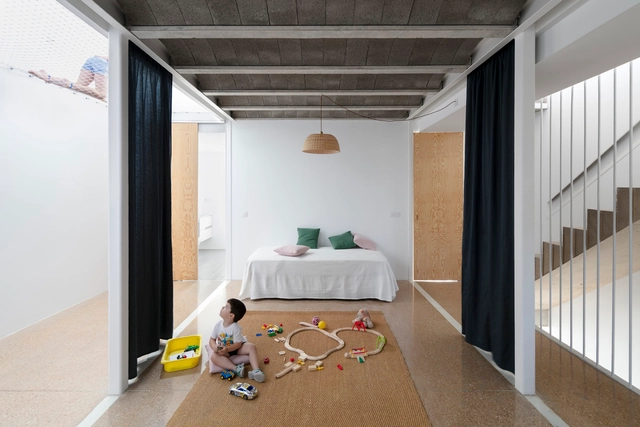
How, then, can we design spaces neutral and flexible enough to adapt to the evolving human being, while still accomplishing the needs that each person requires today? An ancient element could help redefine the way we conceive and inhabit space: curtains.
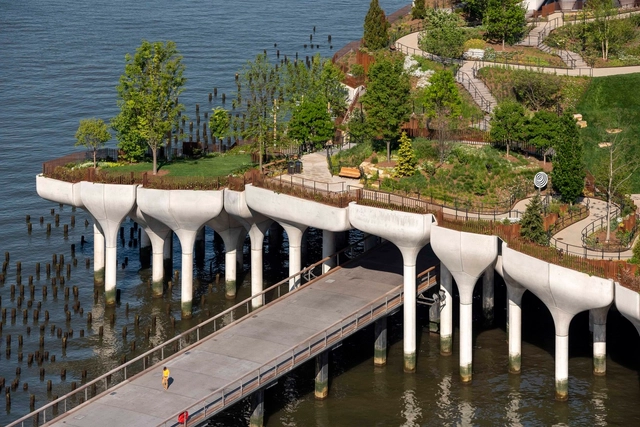


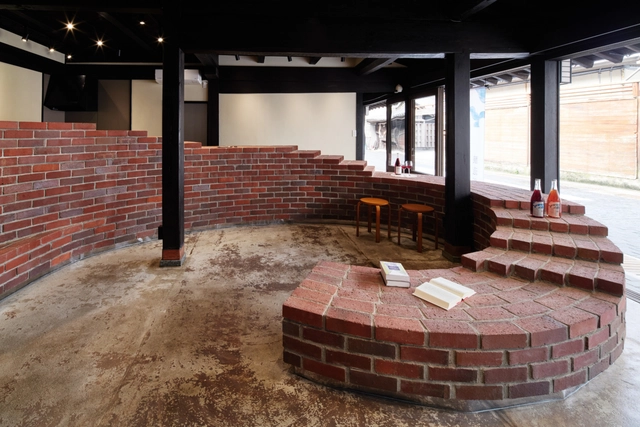


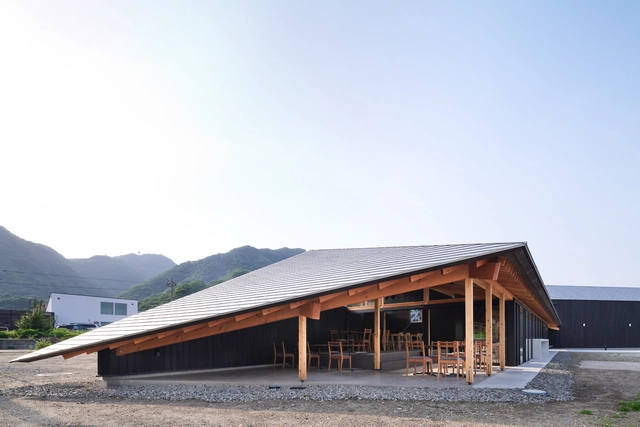











.jpg?1616605036&format=webp&width=640&height=580)
.jpg?1616605043&format=webp&width=230&height=230&crop=true)
.jpg?1616605166&format=webp&width=230&height=230&crop=true)
.jpg?1616605449&format=webp&width=230&height=230&crop=true)
.jpg?1616605516&format=webp&width=230&height=230&crop=true)
.jpg?1616605036)