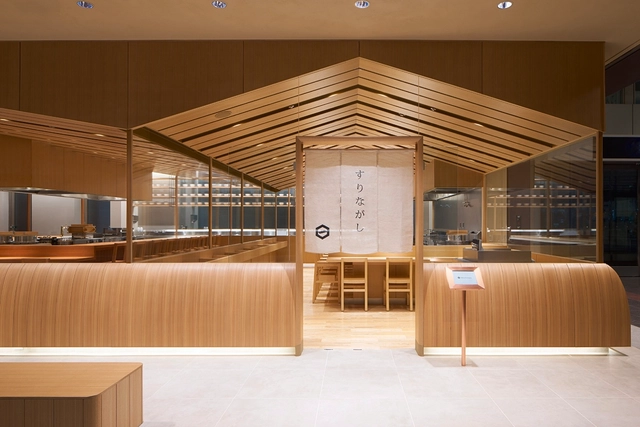
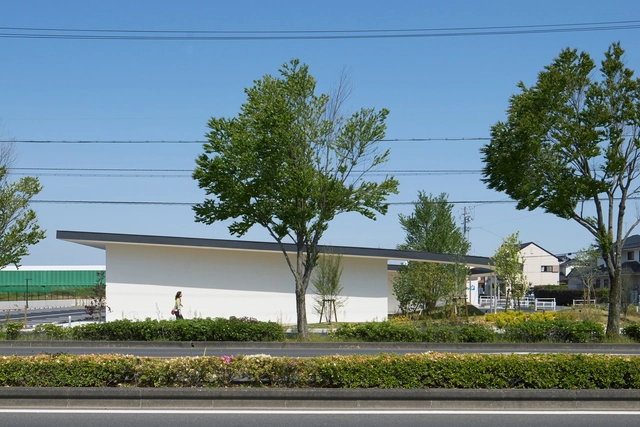
-
Architects: General Design
- Area: 749 m²
- Year: 2015

Awards season is in full swing in the architecture world, with - among others - the World Architecture Festival and the Council on Tall Buildings and Urban Habitat recently handing out prizes for the best new buildings worldwide (OMA + Ole Scheeren's Interlace and Stefano Boeri's Bosco Verticale, respectively). However, it has been relatively quiet in our comments section; are we to assume that there are few strong objections to these winners?
Nevertheless, a quiet period doesn't mean there weren't some great discussions had in the comments over the past two weeks, with opinions shared on the success of BIG, the problem of negativity in architecture, and more. Read on to find out what our readers had to say.
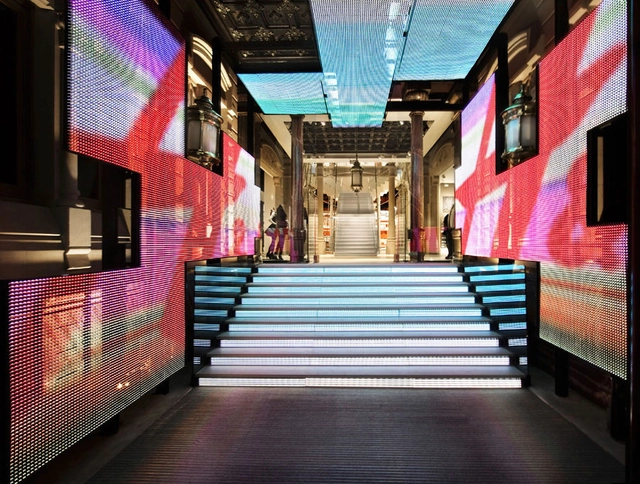
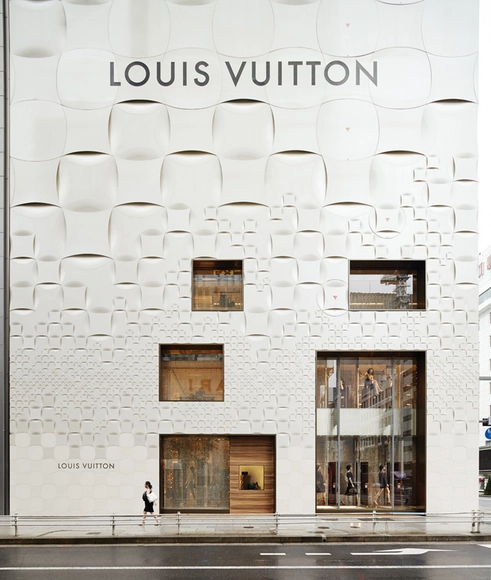
Global companies often exploit architectural icons to transform physical form into their desired brand reputations. To help achieve this goal, after twilight, the natural qualities of buildings have often been supplemented by architectural lighting, as the facades call unmistakeably for attention with their colorful and dynamic illumination. Representation has become the leading motivation for upgrading the lighting at headquarters and retail outlets. But when the illumination evolves into spectacular gestures, the brand identity and architecture itself starts to fade. Hence, the struggle for individuality has revived the discussion about ornament – though ornament appears now as light.

Japanese design has long had a defining impact on other cultures from all over the world; as early as the mid-nineteenth century, fashionable collectors in Europe exchanged artifacts from Japan, and Frank Lloyd Wright was famously influenced by their distinctive architecture after a trip to the country in 1905. In recent decades, Japan has been one of architecture's superpowers, producing seven Pritzker Prize laureates in under 30 years. And, while Japan's Pritzker winners are widely revered, they are far from the only players on the scene, with a new wave of young Japanese architects now emerging behind internationally acclaimed names such as Sou Fujimoto.
In this new series of interviews titled "Japan's New Masters," Ebrahim Abdoh speaks to both the established and emerging architects of Japan's dynamic architectural scene. The first interview of the series is with Yuko Nagayama, founder of Yuko Nagayama and Associates.
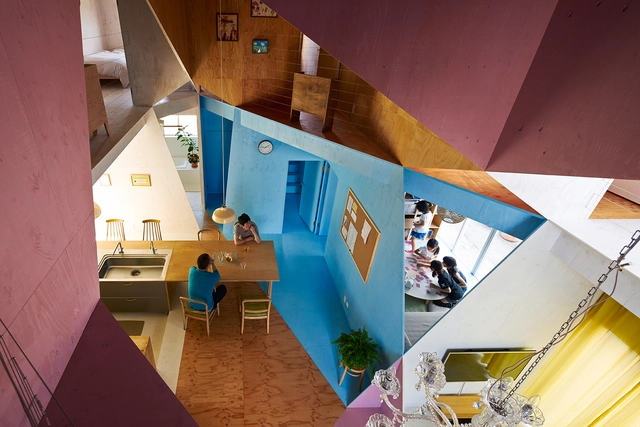


In case you missed it, we’re re-publishing this popular post for your material pleasure. Enjoy!
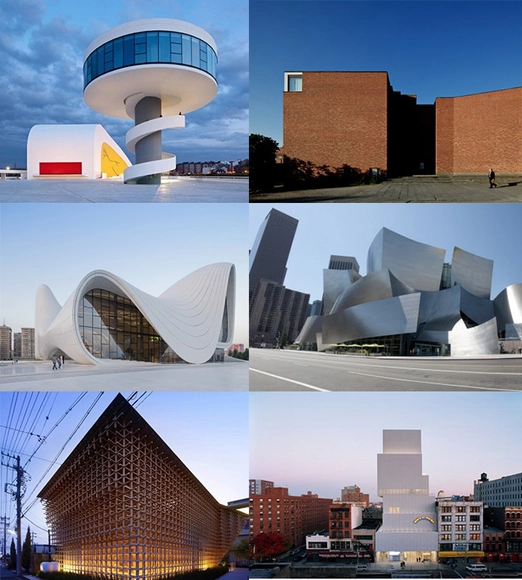
To celebrate the recent launch of our US product catalog, ArchDaily Materials, we've coupled six iconic architects with what we deem to be their favourite or most frequently used material. From Oscar Neimeyer's sinuous use of concrete to Kengo Kuma's innovative use of wood, which materials define some of the world's best known architects?