-
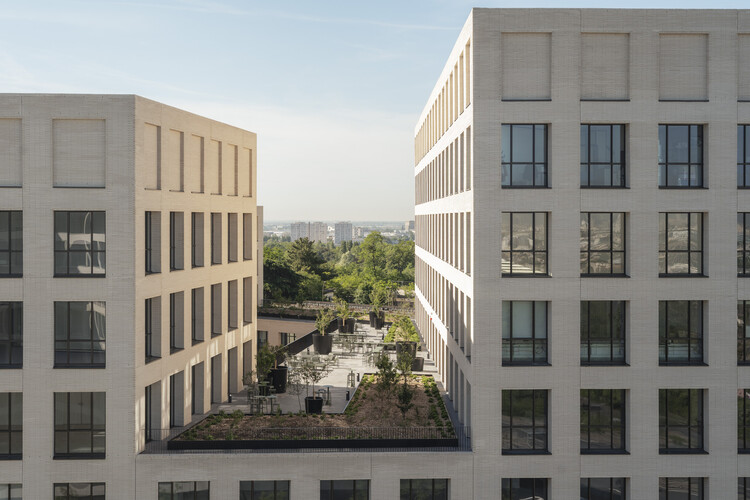
Architects: Baumschlager Eberle Architekten, SAME architectes
- Area: 24900 m²
- Year: 2026
-
Professionals: Arcora, TPFI, SOCOTEC Immobilier Durable, Mazet & Associés, TechniCité, +5


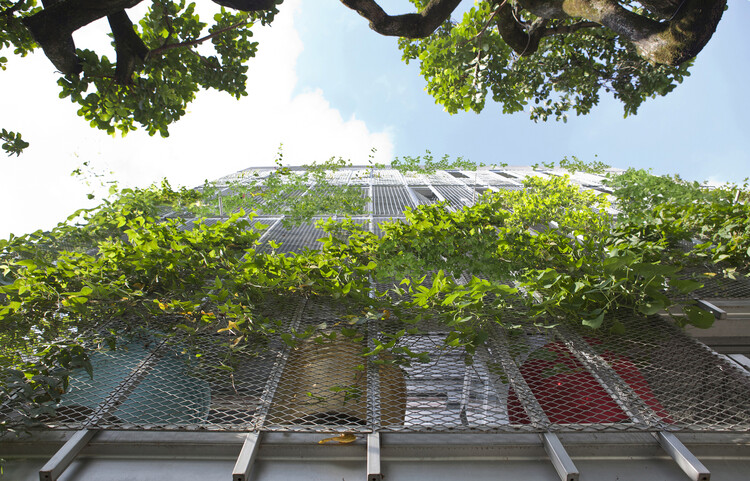
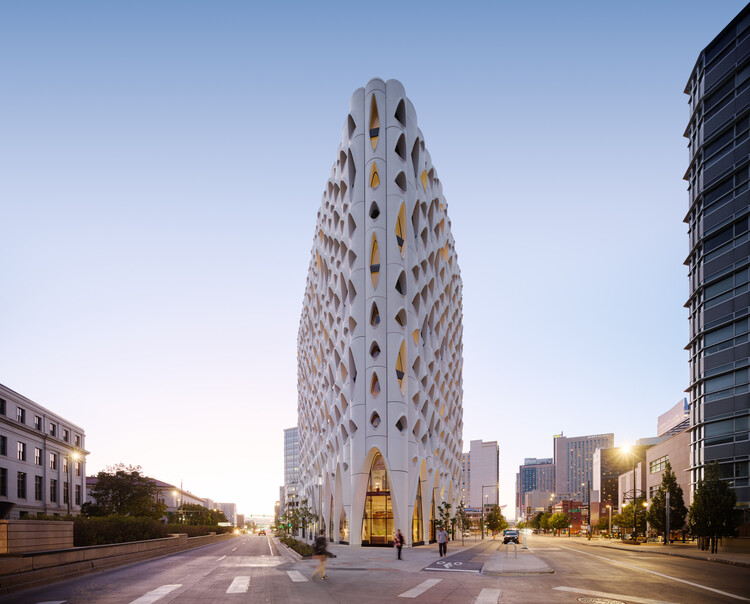
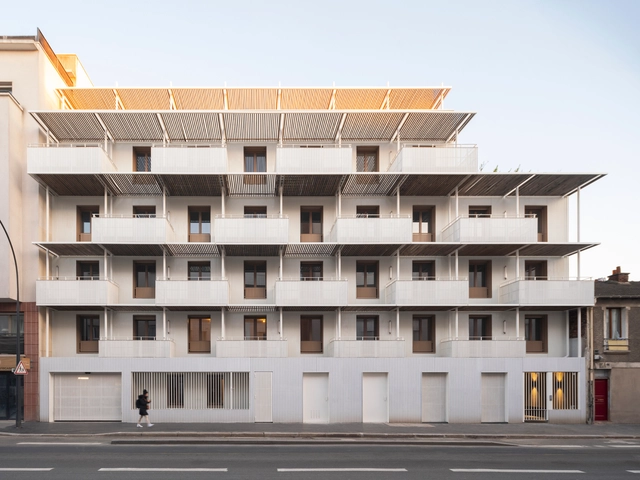
When we think of façades, we rarely think of them as habitats. We see them as the elements that separate interior from exterior, regulate temperature, reduce noise, and protect buildings from external conditions. They give architecture its visual language, but they are also expected to keep the outside world at a distance. In doing so, façades have often been understood as barriers: surfaces that define where human comfort begins and where the environment is meant to remain outside.
But the outside of a building is never empty. For centuries, architecture has unintentionally created opportunities for other forms of life. Birds nested beneath roof tiles, insects occupied cracks in masonry walls, and mosses or plants took root along ledges, gutters, and rough stone surfaces. These conditions were rarely designed with other species in mind, but they created small opportunities for life to inhabit them.


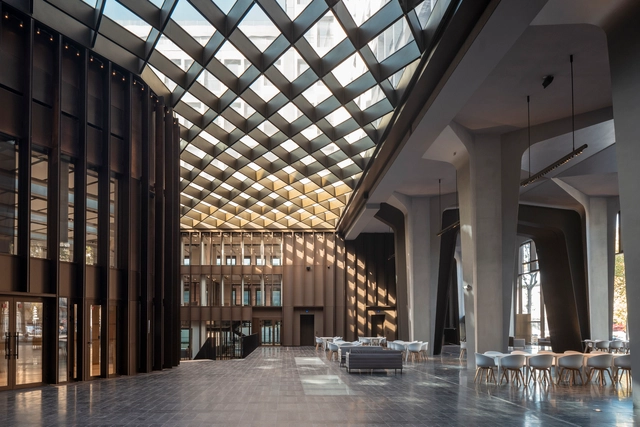
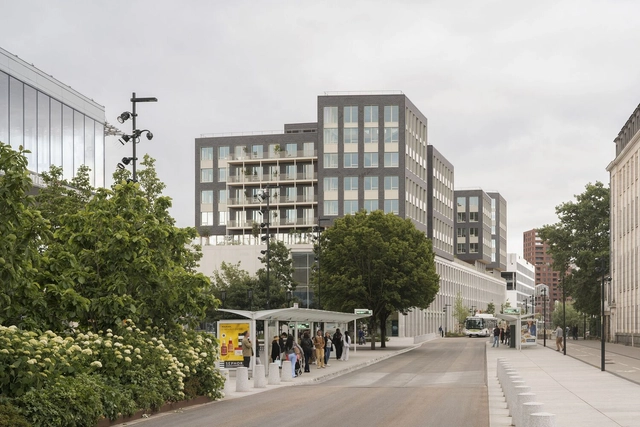
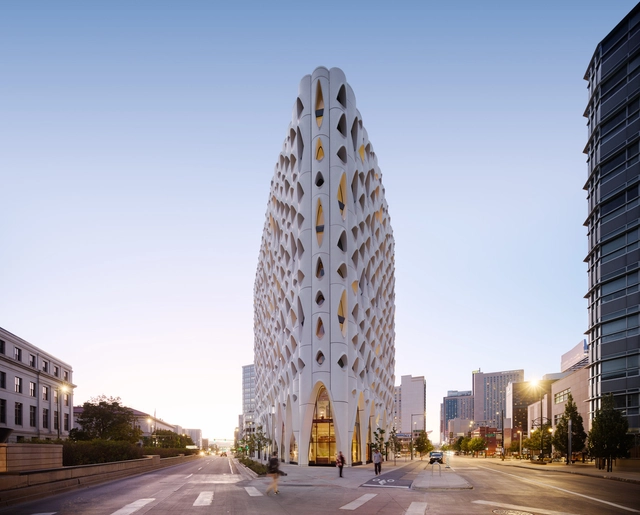
The World Architecture Festival (WAF) has announced the shortlist for its 2025 edition, highlighting notable examples of completed buildings, future projects, interiors, and urban landscaping from around the world. The announcement comes ahead of WAF's first event in the United States, which will take place at the Miami Beach Convention Center from November 12 to 14, 2025. Finalists will present their projects within their categories during the first two days of the festival. Selected from more than 780 entries, this year's shortlist features over 460 projects that span a broad range of categories, including Creative Re-Use, Housing, Education, Hotel, Sports, and Culture.
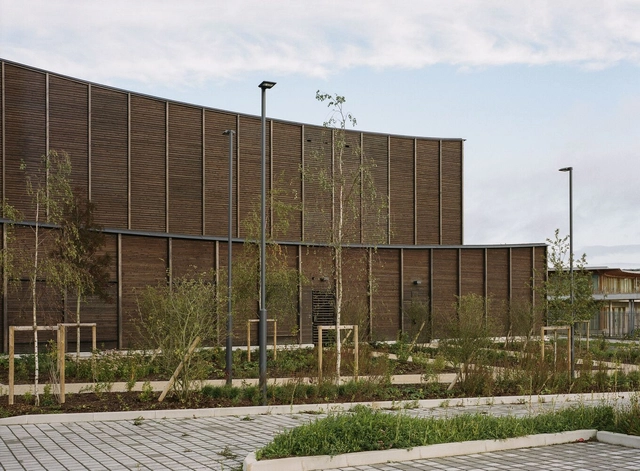
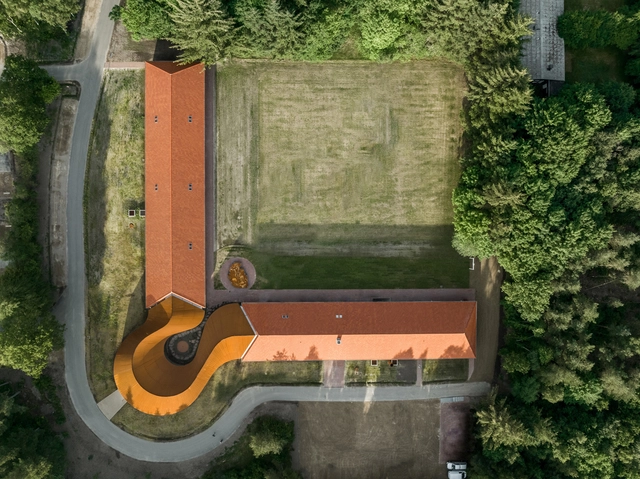
In architectural design, materials convey narratives, shaping how spaces are perceived and experienced. Weathering steel, often known by its genericized trademark name, Corten steel, stands out for its ability to evolve, transforming into a medium that tells its own story. It represents a group of steel alloys that form a stable external layer of rust that replaces the need for paint to protect the steel while allowing it to develop in time. Its weathered patina serves as more than a functional shield; it becomes an aesthetic language, a testament to the interplay between architecture and nature. This ever-changing surface bridges the ephemeral and the enduring, offering architects a material that grows richer with age.