BROWSE ALL FROM THIS PHOTOGRAPHER HERE
↓

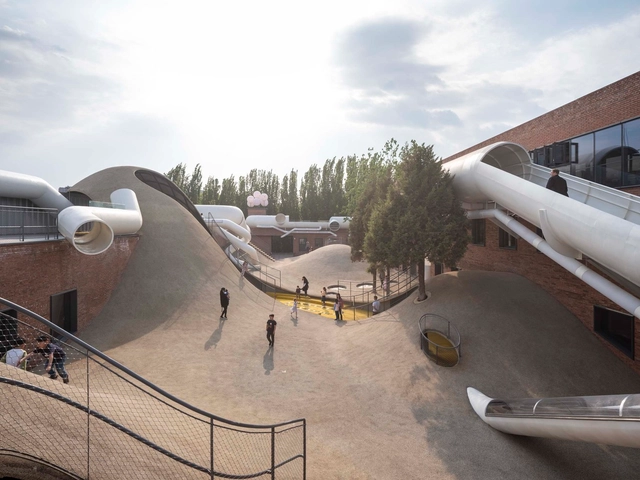
Are Our Cities Built for the Youth?

Cities we live in today have been built on principles designed decades ago, with prospects of ensuring that they are habitable by everyone. Throughout history, cities have been catalysts of economic growth, serving as focal points for businesses and migration. However, in the last decade, particularly during the last couple of years, the world has  witnessed drastic reconfigurations in the way societies work, live, and commute.

Today’s urban fabric highlights two demographic patterns: rapid urbanization and large youth populations. Cities, although growing in scale, have in fact become younger, with nearly four billion of the world’s population under the age of 30 living in urban areas, and by 2030, UN-Habitat expects 60% of urban populations to be under the age of 18. So when it comes to urban planning and the future of cities, it is evident that the youth should be part of the conversation.

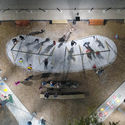
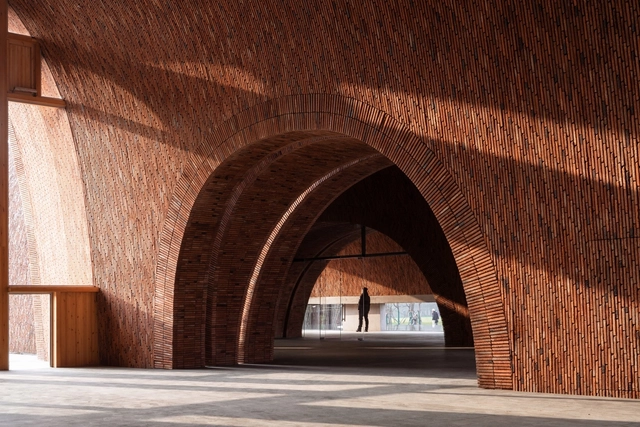
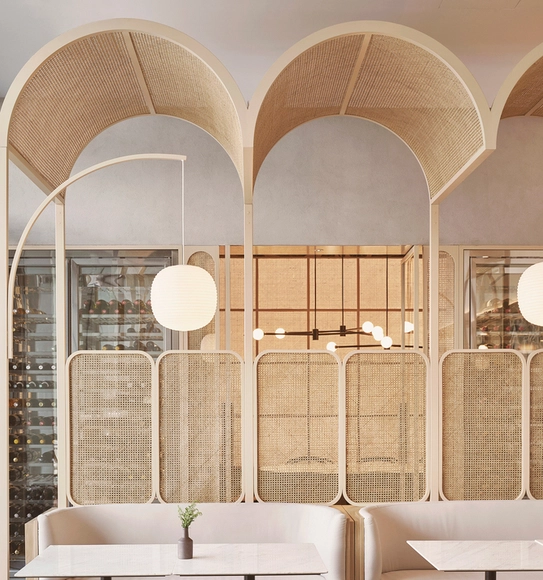
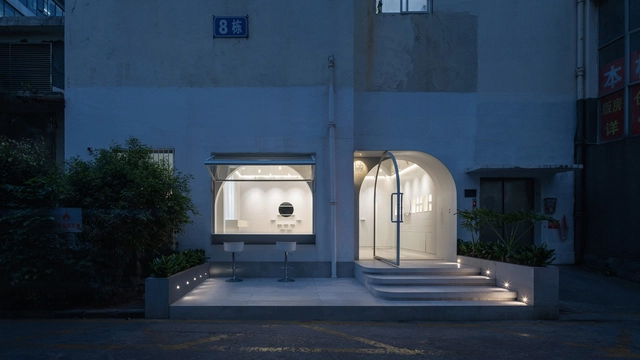
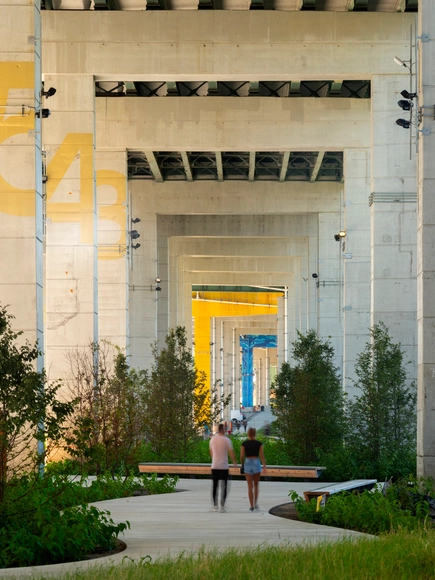
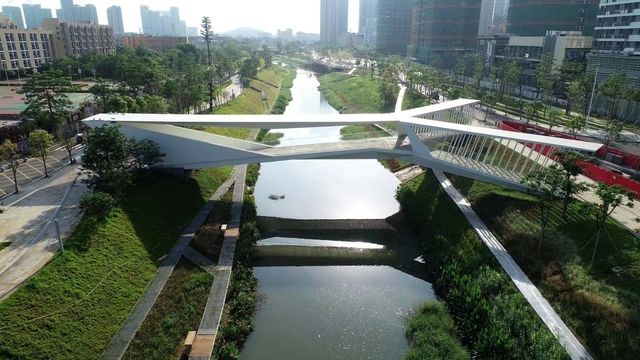
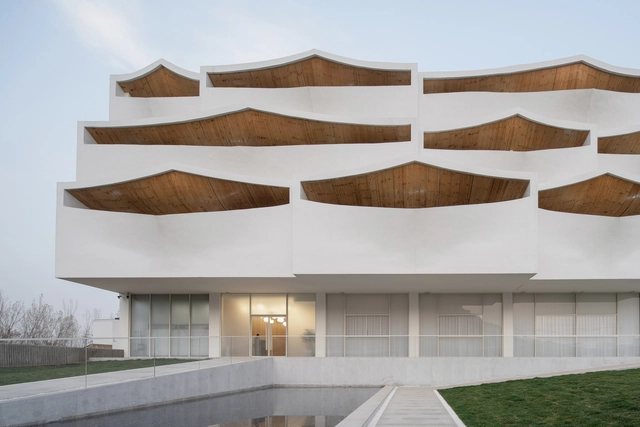
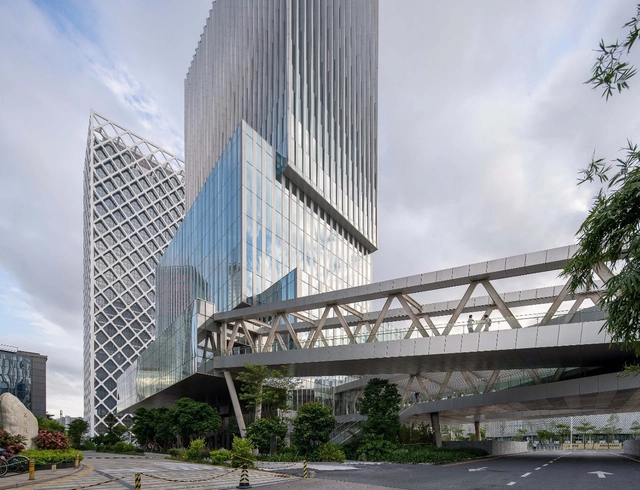
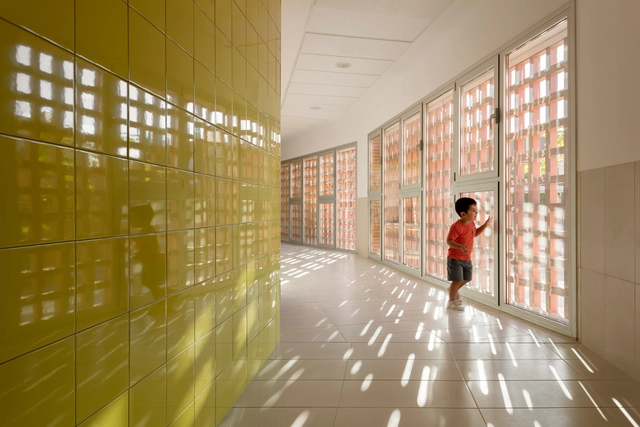
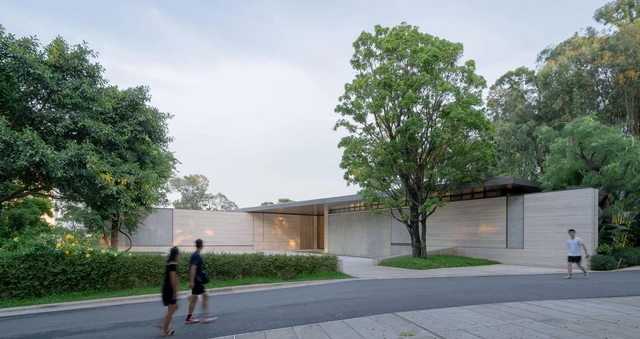
Are Our Cities Built for the Youth? - Image 1 of 4Are Our Cities Built for the Youth? - Image 2 of 4Are Our Cities Built for the Youth? - Image 3 of 4Are Our Cities Built for the Youth? - Image 4 of 4Are Our Cities Built for the Youth? - More Images+ 9

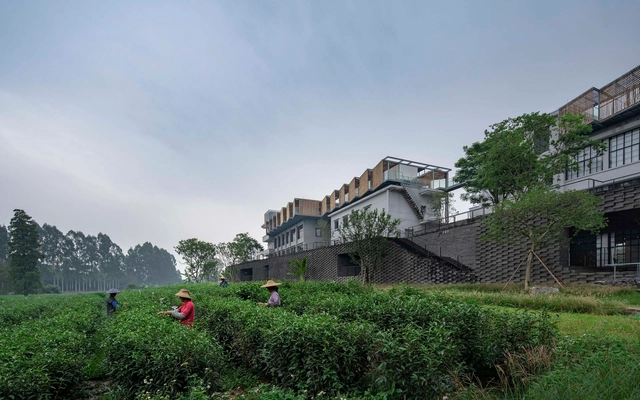
(Re)forming Duichuan Tea Yards / O-office Architects

(Re)forming Duichuan Tea Yards / O-office Architects - More Images+ 36

Towards a Sustainable Future: Local Materials and Methods in Contemporary Chinese Architecture

Subscriber Access | 

Over the course of the last decade there has been a growing interest in the handcrafted buildings, as well as in the application of local and renewable materials in building construction. Under the concerns about the heavy environmental and economic expenses caused by construction, nowadays urban planners are embracing the concept of sustainability, which refers to “meeting our own needs without compromising the ability of future generations to meet their own needs”.

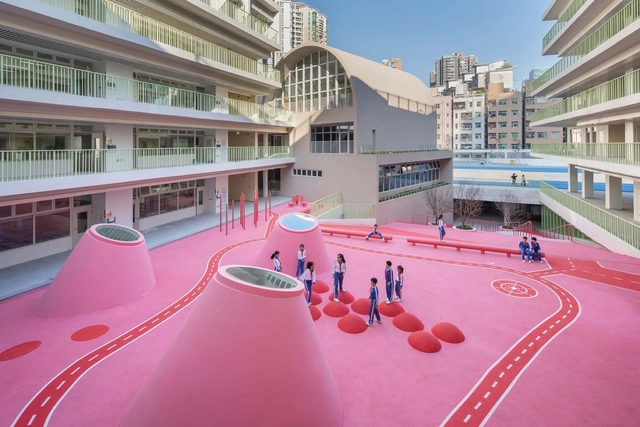
Xinsha Primary School / 11ARCHITECTURE

Xinsha Primary School / 11ARCHITECTURE - More Images+ 31

Asia's Local Mesh Material: 18 Projects that Explore the Versatility of Rattan

Subscriber Access | 

Over the past couple of years, many designers have voiced their commitment to ethical and ecological sourcing, resorting to frugal designs through local materials, traditional techniques, and equitable architecture. Having this approach in mind, many found inspiration in their cultural heritage, reimagining ancient designs in contemporary contexts.

When thinking of recycled design trends, we can't overlook one of the most well-known and popular materials that was shared by nations all around the globe over the span of 100 years; on balconies, outdoor patios, gardens, and indoor living spaces: rattan. It is estimated that almost seven hundred million people worldwide use rattan, with many countries presenting it as an integral part of their cultures. In this article, we look at how architects and designers integrated rattan in their designs and found numerous ways to make the best out of Southeast Asia's popular local material.

Asia's Local Mesh Material: 18 Projects that Explore the Versatility of Rattan - More Images+ 17

Qianhai Floating City / People's Architecture Office

Qianhai Floating City / People's Architecture Office - More Images+ 22

Lab O.C.O Gallery / fabersociety

Lab O.C.O Gallery / fabersociety - More Images+ 19

  • Architects: fabersociety
  • Area Area of this architecture project Area:  68 m²
  • Year Completion year of this architecture project Year:  2020

How Can We Make Future Megacities Become Smart as Well?

Audio available

Cities are so deeply rooted in the history of mankind that we hardly ask ourselves why we live in them or what the reason is for us to group together in urban settlements. Ciro Pirondi, Brazilian architect, points out that we live in cities because we like to have someone to talk to, while Paulo Mendes da Rocha classifies the city as “the supreme work of architecture.” The city is the world that man builds for himself. These are immense collective constructions, palimpsests, and collages of stories, achievements, and losses.

Earth has been mostly urban since 2007. By 2050, the percentage of people living in cities should reach 70%. In the coming years, megacities with more than 10 million inhabitants are expected to multiply, mainly in Asia and Africa, and often in still-developing countries. Such a projection raises questions about sustainability and climate change that cities inevitably catalyze. It also raises questions about how cities can provide an adequate quality of life for its inhabitants, and how they can prosper and develop in contexts that are often not ideal. How can urban spaces benefit their population and vice versa? While old centers will require transformations and updates, city peripheries will require new homes and public facilities, in addition to adequate infrastructure. How can this process help urban centers become more intelligent, using the technology already available to benefit their inhabitants in a creative and efficient way?

Miniature Series II: Library in Ruins / ATELIER XI

Miniature Series II: Library in Ruins / ATELIER XI - More Images+ 29

•
Jiaozuo, China

Perceiving Chinese Architecture From the Eyes of Structural Engineers

When we are discussing the definition of “structure”, the term varies within different disciplines. In the context of the built environment, "structure" refers to anything that is constructed or built from different interrelated parts with a fixed location on the ground.

Sky Yards Hotel / Domain Architects

Sky Yards Hotel / Domain Architects - More Images+ 29

•
Jiaozuo, China

Renovation of SMOORE Liutang Industrial Park Shenzhen / CM Design

Renovation of SMOORE Liutang Industrial Park Shenzhen / CM Design - More Images+ 23

•
Shenzhen, China

Shenzhen Pingshan Art Museum / Vector Architects

Shenzhen Pingshan Art Museum / Vector Architects - More Images+ 37

•
Shenzhen, China
  • Architects: Vector Architects
  • Area Area of this architecture project Area:  47269 m²
  • Year Completion year of this architecture project Year:  2019

Haina Baichuan Headquarters / Dongxiying Studio CCDI

Haina Baichuan Headquarters / Dongxiying Studio CCDI - More Images+ 19

Interior Wellbeing: The Design Of Educational Spaces

The ongoing pandemic has been a disruption to the everyday routines of billions around the world, as due to being confined to their households, the separation between work and rest has become extremely blurry, with people forced to rethink and reconfigure the layout of their personal spaces. Conversations have abounded on how to create flexible working spaces in a home environment, and if offices themselves are an outdated model that we should leave behind. A missing part of that conversation, however, is the impact that the pandemic has had on children, specifically primary-school level children, on their education - as inequalities are emphasized, some children learning with slow internet connection speeds, or struggling to have the space required to adequately complete educational activities.

Interior Wellbeing: The Design Of Educational Spaces  - More Images+ 11

Spatial Design of the Exhibition Fashioned from Nature / Studio 10

Spatial Design of the Exhibition Fashioned from Nature / Studio 10 - More Images+ 25

Shenzhen Lianhuashan Park Exhibition Center / Shenzhen Huahui Design

Shenzhen Lianhuashan Park Exhibition Center / Shenzhen Huahui Design - More Images+ 29

•
Shenzhen, China

ArchDaily China Building of the Year 2021 Awards: The Finalists

Following an exciting week of nominations, ArchDaily’s readers have evaluated over 675 projects and selected 10 finalists for the Building of the Year Award China. Architects and enthusiasts participated in the nomination process, choosing projects that exemplify what it means to push architecture forward. These finalists are the buildings that have inspired ArchDaily readers the most, which also reveal the growing trend of Chinese architecture.

The 2021 Building of the Year Awards China is brought to you thanks to Dornbracht, renowned for leading designs for architecture, which can be found internationally in bathrooms and kitchens.