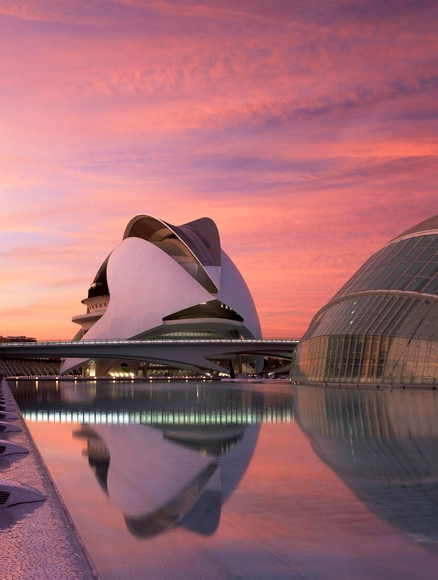
The World Design Organization has selected Valencia, Spain, as the next World Design Capital for 2022, following a competition with finalist city Bangalore, India.
The World Design Organization has selected Valencia, Spain, as the next World Design Capital for 2022, following a competition with finalist city Bangalore, India.

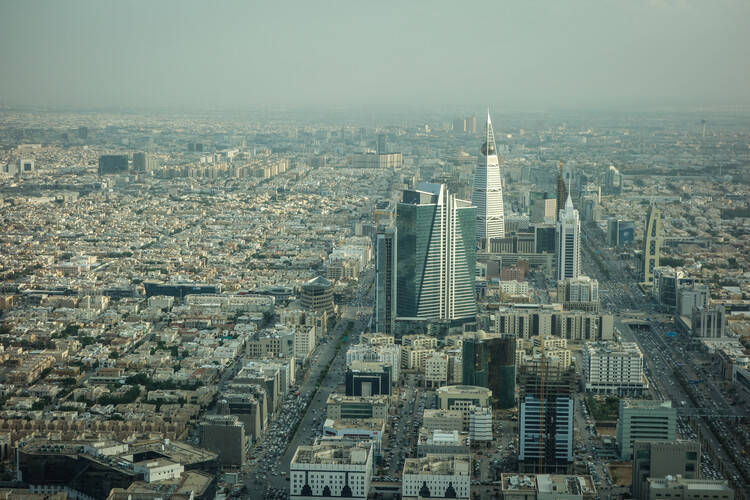
Once a Najdi settlement defined by mudbrick walls and courtyard houses, Riyadh has undergone one of the most radical urban transformations of the 20th and 21st centuries. The discovery of oil reserves, the consolidation of political power, and the rapid expansion of infrastructure reshaped the city from a regional capital into a sprawling metropolis almost within a single generation. As a result, Riyadh's urban fabric is marked by discontinuities, fragments of vernacular architecture coexist with mid-century institutional modernism, and a rapidly evolving contemporary skyline.
In recent decades, this layered condition has been further intensified by large-scale development strategies and cultural investment programs that position architecture as a tool for redefining national identity. International practices have played a decisive role in shaping key institutions, infrastructures, and landmarks, while local studios increasingly contribute projects that reinterpret climate, materiality, and social space within a contemporary framework.

Climate risk is a shared global condition, marked by intensifying heat, water scarcity, flooding, and ecological loss that no border can contain. In 2025, these pressures sharpened a collective awareness that government pledges and international agreements are not keeping pace with lived realities. Across geopolitical contexts, the tension is immediate and structural, revealing gaps between policy ambition and material change. This moment has exposed a growing reliance on disciplines outside formal structures to respond quickly, intelligently, and with accountability.

.jpg?1488209274&format=webp&width=640&height=580)
Nowadays bicycles are not only used for sports or as a recreational activity, as more and more people are choosing bicycles as their main means of transportation. Architecture plays a fundamental role in promoting the use of bicycles, as a properly equipped city with safe bicycle lanes, plentiful bicycle parking spots, and open areas to ride freely will encourage people to use their cars much less.
Cities are now positioning themselves as a key promoter of sustainable mobility, and Denmark and the Netherlands are currently the leading countries in the field of architecture for bikes. They are considered a cyclist's paradise because of their excellent infrastructure and architecture, making them a worldwide reference.
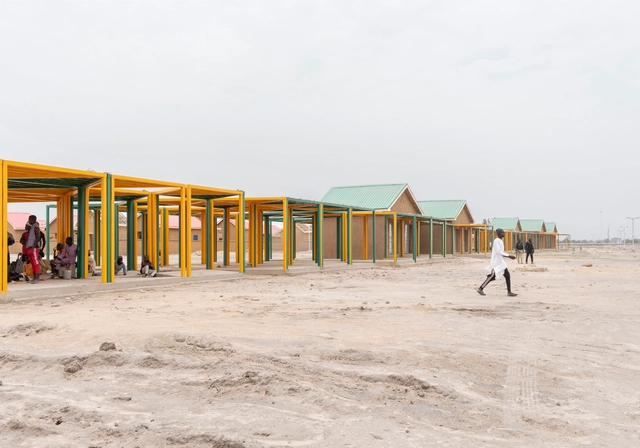
The Harvard Graduate School of Design (Harvard GSD) has announced the Class of 2025 Loeb Fellows. Ten practitioners and activists from around the world have been selected to join the Loeb Fellowship program to expand their careers and advance their programs and initiatives focused on equity, resilience, and collective action.
The ten selected practitioners are mid-career professionals coming from diverse backgrounds. Each one has been recognized for initiating practices that are transforming public spaces and urban infrastructures, addressing public health concerns and environmental injustices, as well as housing needs and efforts to preserve the cultural, natural, and architectural heritage of diverse regions from all continents.
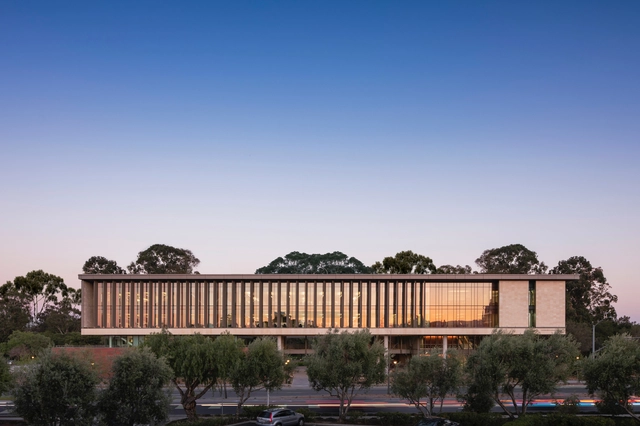

The New York City Senate and Assembly have passed the SIGH act, prohibiting the construction of new schools near major roadways. The act, named The Schools Impact by Gross Highways Act, aims to protect school-age children from air pollution. Under this law, the commissioner of education for the city will not be able to approve the plans for the construction of any new schoolhouse within 500 feet (150 meters) of a controlled-access highway unless the commissioner determines that space limitations are so severe that there is no other site to erect such new schoolhouse.




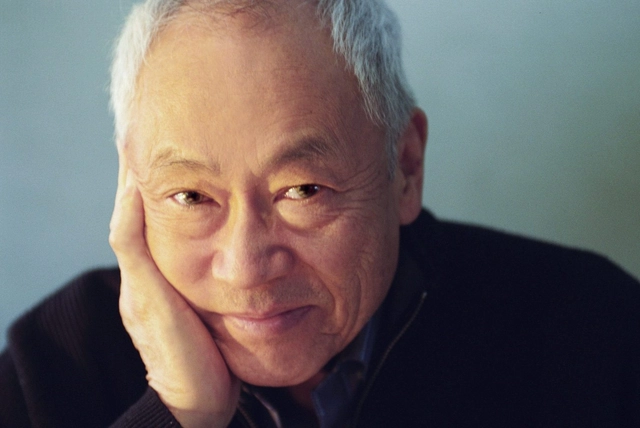
American architect Gyo Obata, FAIA, co-founder of renowned architecture firm HOK, has passed away on March 8 at the age of 99. The news was announced by the office through a statement, honoring the architect's legacy and highlighting his holistic approach which "helped drive HOK’s ongoing expansion into new specialty practices, market sectors and geographic regions".
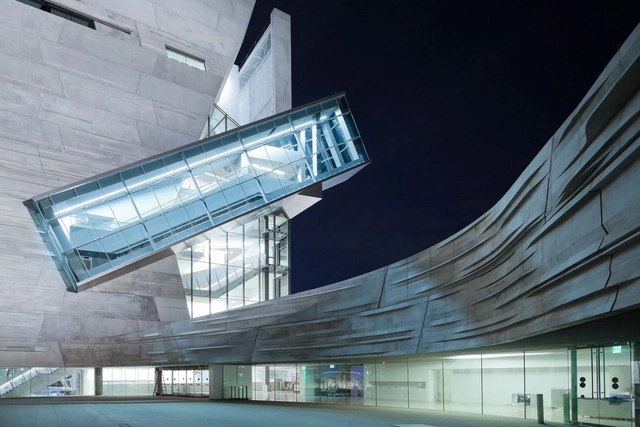
Dallas is home to a high concentration of structures by world-renowned architects. With some of the most iconic architecture per square mile of any American city, Dallas boasts designs by six Pritzker Prize Laureates, all within close distance to the up and coming Arts District. From Norman Foster’s Opera House to Thom Mayne’s Museum of Nature and Science, these projects are emblematic of a larger city-wide design culture.
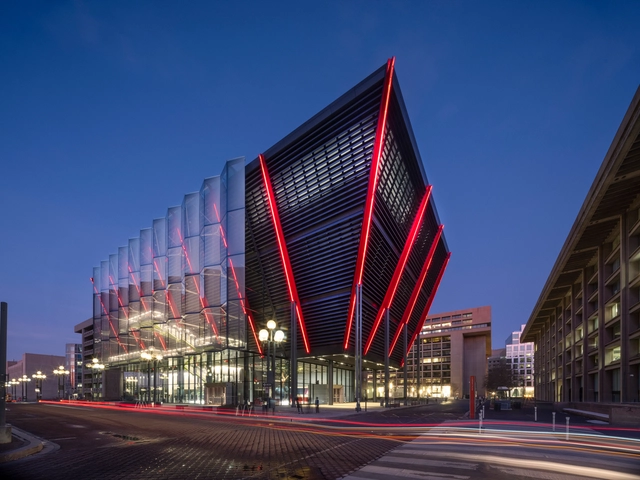
Washington D.C. has earned a reputation for iconic architecture. Emerging from the L'Enfant and McMillan Plans, Washington’s cityscape includes wide streets and low-rise buildings that sprawl out from circles and rectangular plazas. From the White House to Lincoln Memorial, Washington’s architecture was built to symbolize the nation’s values. Today, new projects are designed to rethink the city’s morphology while respecting its identity.
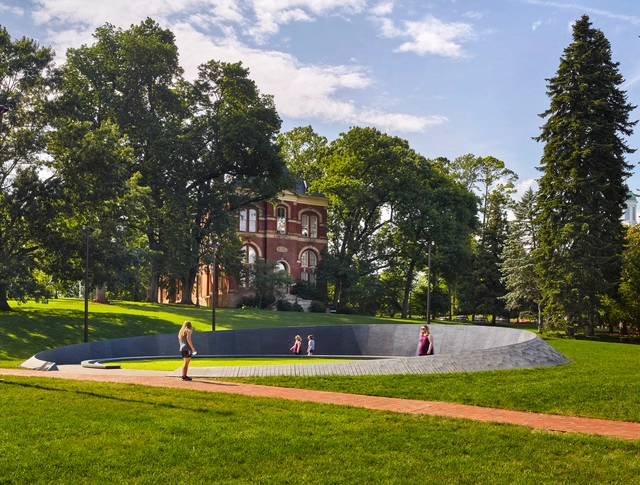
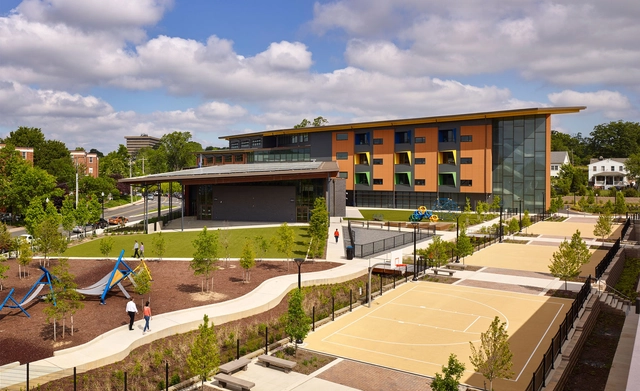
Shaping the future begins with education. For VMDO Principal Rob Winstead, learning spaces go hand in hand with sustainability. As a nationally-recognized expert in education, Winstead is an advocate for blending thoughtful design with high performance goals. In an exclusive interview with ArchDaily, Winstead talks about his personal background and experiences, as well as his role in shaping how VMDO approaches sustainability, education and social justice.
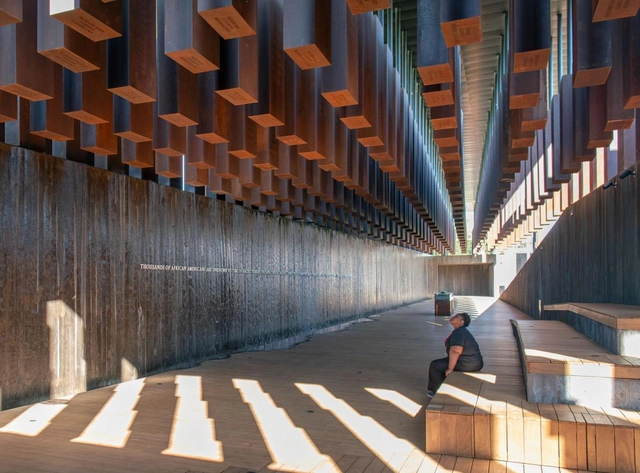
Architecture shapes how we live and come together. Amidst a pandemic and protests around the world, architects and designers are speaking out to condemn injustice and build space for empathy and understanding. In listening, they are looking to how we live together, and in turn, how we can create a more equitable and just world.
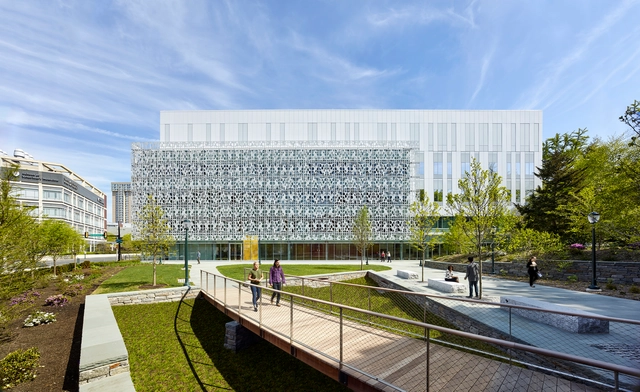
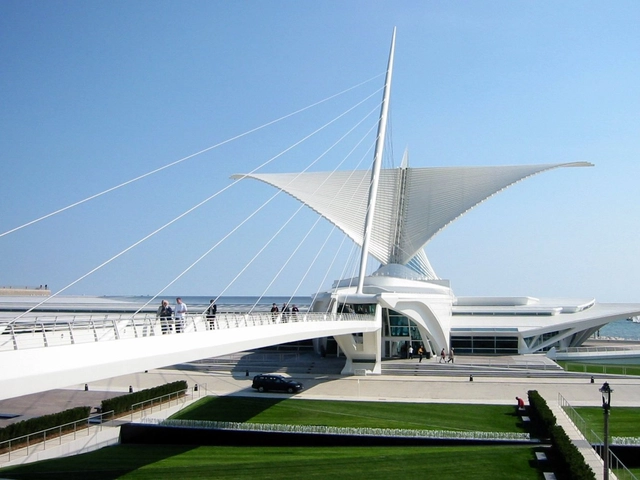
Known for his daring neo-futurist sculptural buildings and over 50 bridges worldwide, Santiago Calatrava (born July 28, 1951) is one of the most celebrated and controversial architects working today. Trained as both an architect and structural engineer, Calatrava has been lauded throughout his career for his work that seems to defy physical laws and imbues a sense of motion into still objects.








.jpg?1488209274&format=webp&width=230&height=230&crop=true)
.jpg?1488209274)