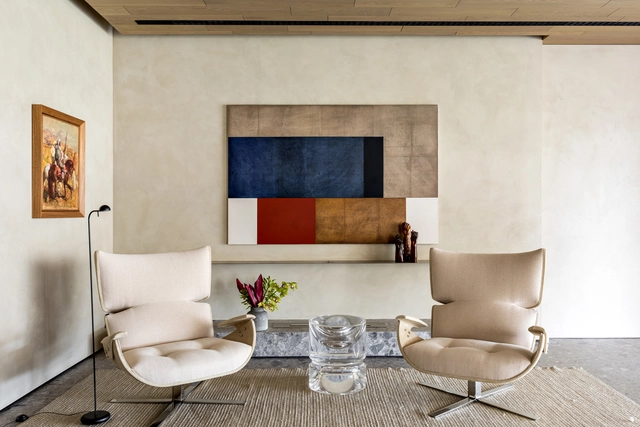
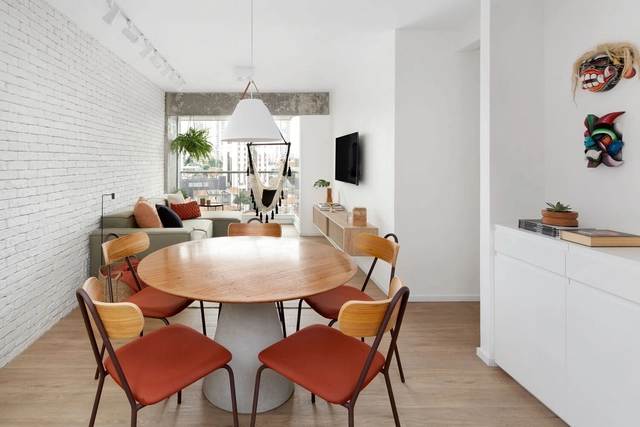
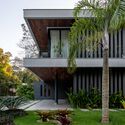
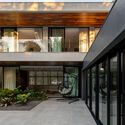
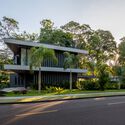
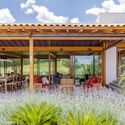
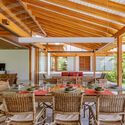
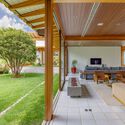
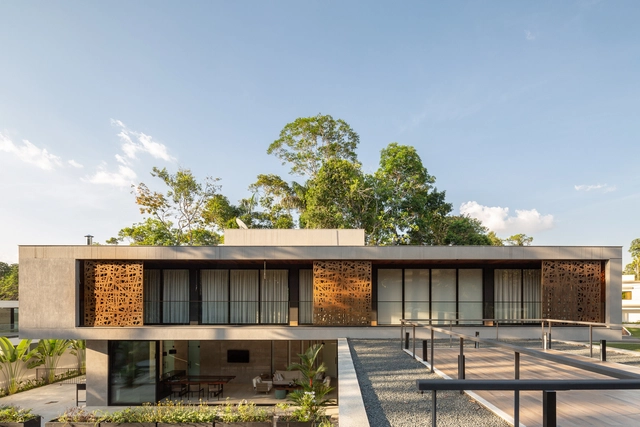
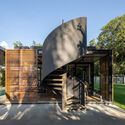
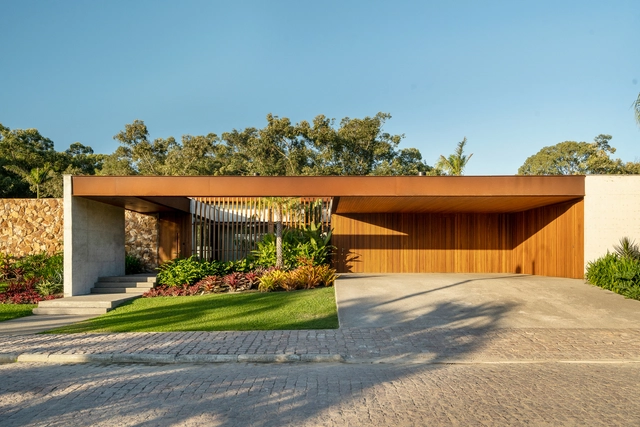
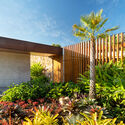
The determination of focal points in the environments offers dynamism, personality and activates internal and external environments from the enhancement of decorative objects or construction elements. Here are some examples for you to understand what it is and how to use it in the design and decoration of your home.
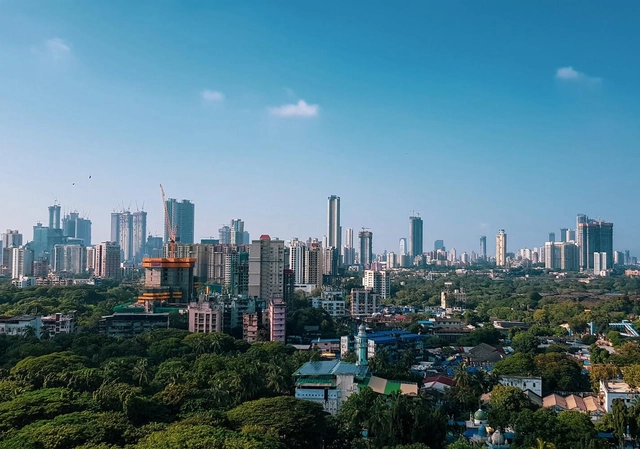
Mumbai, India. Photo by Hardik Joshi, via Unsplash
Cities and communities around the world are stepping up to reduce greenhouse gas (GHG) emissions and prevent the most dangerous impacts of climate change. Typically, strategies focus on reducing emissions in sectors such as transportation, energy, housing, and waste. Yet, there is another sector that many communities have overlooked in their climate plans: trees and forests.
https://www.archdaily.com/1131963/5-reasons-for-cities-to-include-trees-in-climate-actionJohn-Rob Pool, David Gibbs, Sadof Alexander e Nancy Harris
In a new interview episode, Arquicast speaks with one of the most renowned and established practices in Brazilian architecture. In 2022, aflalo/gasperini arquitetos celebrates 60 years of a practice that has evolved alongside the nation's architecture. A commitment to building performance is central to their work, as is their pursuit of the most advanced technology to support sustainable design—an approach validated by several of their older projects that have gone on to receive international certifications.
Periodically, we have witnessed how the coasts of Quintana Roo have suffered from severe sargassum algae blooms, representing a major problem for local residents who, year after year, dedicate themselves to exhaustively cleaning the beaches during the April-August season. Various media outlets have reported that the cause of the sargassum is still unknown; however, some theories link it to climate change and variations in the Atlantic Ocean. Currently, the non-governmental organization Red de Monitoreo del Sargazo de Quintana Roo (Quintana Roo Sargassum Monitoring Network) monitors sargassum presence in the region. According to its latest alert level system, there are 22 locations with an excessive presence of this macroalgae, and the same number considered abundant.
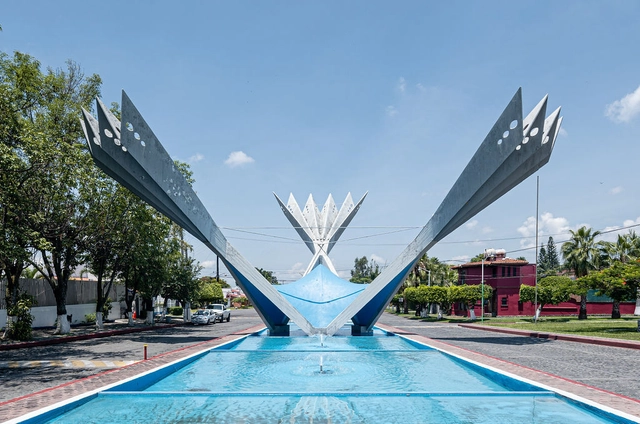
The Spanish-Mexican architect Félix Candela is one of the world's most renowned twentieth-century architects, celebrated for a career that explored reinforced concrete through experiments resulting in his famous cascarones (thin-shell structures)—structural and design elements that support many of his works, such as the Cosmic Rays Pavilion at UNAM in Mexico City (1951); the Palmira Chapel in Cuernavaca (1958); the Los Manantiales Restaurant in Xochimilco (1958); and the Palacio de los Deportes for the 1968 Olympic Games in Mexico City.
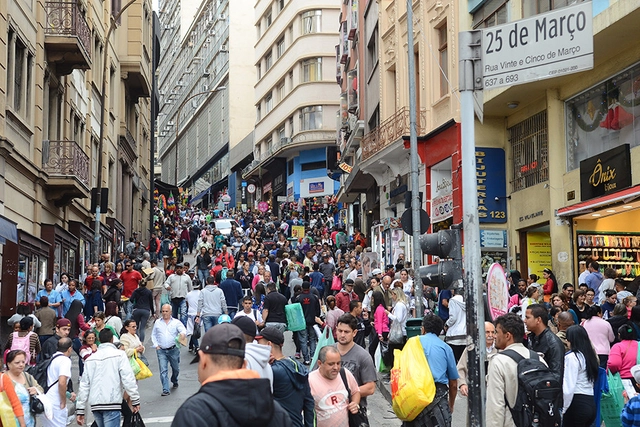
The resurrection of the street-level shop is possible: people remain analog. Image: Rovena Rosa/Agência Brasil
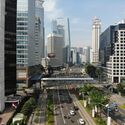
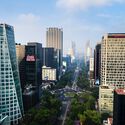
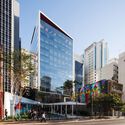
An ideal address implies convenience, meeting basic needs for goods and services within a short walk. Breakfast at the base of the building, a quick run to the pharmacy, pulling a cart overflowing with fruit, heading down on Saturday for a haircut, walking the dog in the corner plaza. The health of a city depends on the presence of people walking in public spaces, fostering a sense of community, safety, civility, and the capacity to meet basic consumption needs. And the street-level storefront along this walk is a vital catalyst.
https://www.archdaily.com/1132460/the-death-of-street-shops-and-its-impact-on-citiesFabiano de Marco
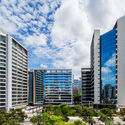
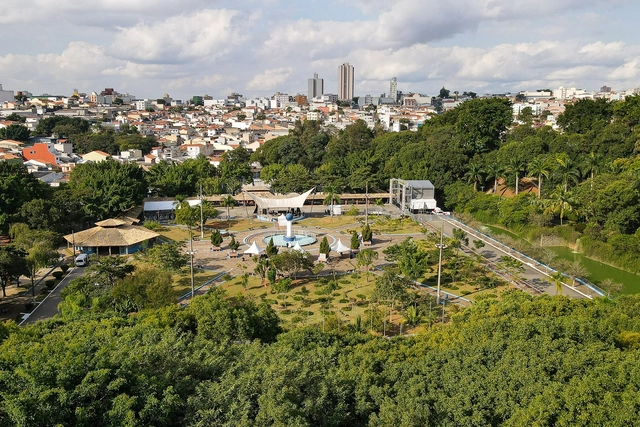
São Caetano do Sul, in São Paulo's ABC region, tops the ranking of the country's most sustainable cities. The unprecedented survey reveals that the city, already known for leading the HDI (Human Development Index) in Brazil, is now first among the 5,570 Brazilian municipalities regarding the implementation of the UN's SDGs (Sustainable Development Goals).
Manufacturers: By Kamy, Casa da Cortiça, Deca, Differenza Revestimentos, Estar Móveis, +13Fernando Jaeger, JRJ Tecidos, Lar Center, Lumini, Marcenaria Jaçanã | Junior Marceneiro, Mont Blanc, Nova Deccor, Noz Casa, Panorâmica | Claudio, Passeio Gauss | Fabricio Ternes , Santa Luzia, Suvinil, Yamamura-13
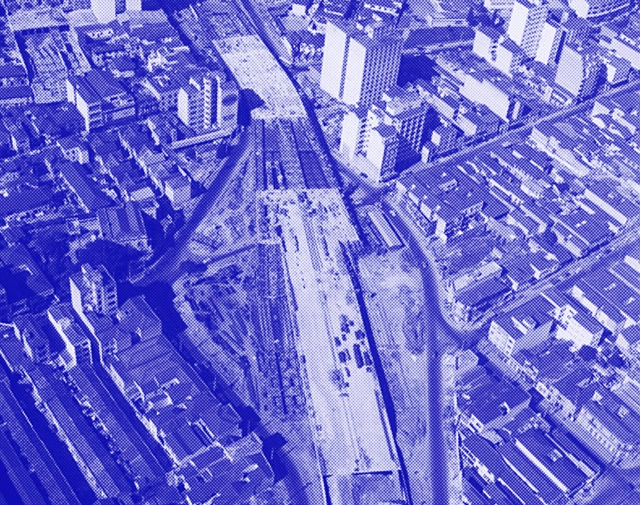
Image produced from a photograph showing the construction of the Júlio de Mesquita Filho Viaduct. Collection of the Museu da Cidade de São Paulo, Ivo Justino. http://www.acervosdacidade.prefeitura.sp.gov.br/PORTALACERVOS/ExibirItemAcervo.aspx?id=439575
What relationships between the social field of memory and the construction of the city can be identified during the Brazilian civil-military dictatorship? We begin with the premise that the formation of the city involves a series of disputes and concessions among the diverse entities that make up society. Since, as we know, each social agent possesses a distinct standpoint, their oppressions or privileges are carried over into the realm of memory, which in turn is transcribed into the construction of the urban environment. That is to say, the opinions and desires of certain communities, because they possess more resources, often determine how places will be built and the narratives woven about them.
https://www.archdaily.com/1132506/the-arc-of-destruction-policies-of-erasure-in-the-developmentalism-of-the-military-regimeLuiza Gibertoni Leite e Pedro Flosi Trama
Tie-in sales are one of the major consumer rights issues and are typically banned in most market economies. They occur when a seller conditions the sale of one product or service on the purchase of another. In Brazil, the Consumer Defense Code, under Article 39, Subsection I, expressly condemns this practice. Meanwhile, Law 12,529/2011, which structures the Brazilian competition defense system, establishes in Article 36, Subsection XVIII, that tie-in sales constitute an infraction against the economic order.
In 2016, in the commune of Limache in Chile's Valparaíso region, tunnels connecting to various parts of the city—including the CCU brewery—were discovered beneath a hatch in the gardens of the landmark Eastman Mansion. Prompted by uncertainty over why they were built, an investigation was launched, with the findings behind the project's origins finally revealed in 2021.
"Light and movement allow us to achieve anything that is recognized as beautiful." This quote by Álvaro Siza Vieira, the universally acclaimed Portuguese architect, captures his philosophy. His work guides the relationship between built space and its surroundings, creating true works of art that prioritize nature. In furniture design, the approach can be similar. The intervention can indulge in the status of art, redefining meaning and joining new dialogues as if framed in a museum setting.
Driven by this provocation, Dell Anno presents an approach for its 2022 campaign that further strengthens its DNA of connecting architecture, art, and fashion. Titled Singular Dell Anno, the campaign draws a parallel with the sublime work of the Portuguese architect, paying tribute to his legacy of simplicity and architectural sophistication, which earned him global recognition and made him a major architectural influence today.
An initiative in the Rocinha community in Rio de Janeiro will provide professional training for residents in the solar energy market and install two photovoltaic plants in the community (at Acadêmicos da Rocinha and Igreja Batista), directly benefiting the NGOs Rocinha Recicla and Pedrinho Social through local energy generation.