

-
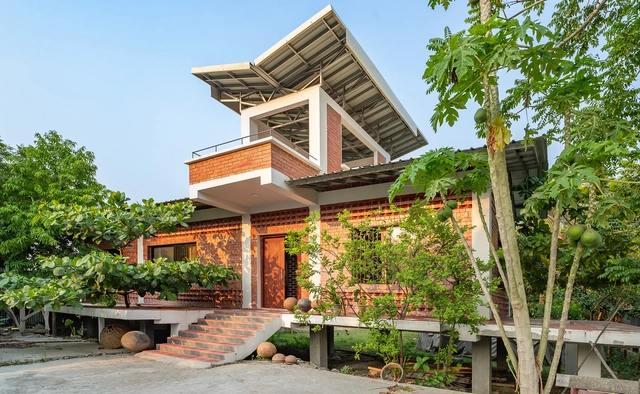
Architects: Design Works Studio
- Area: 156 m²
- Year: 2023
-
Manufacturers: Akij Ceramics, Berger Paints, KSRM, Shah Cement, Swish, +1


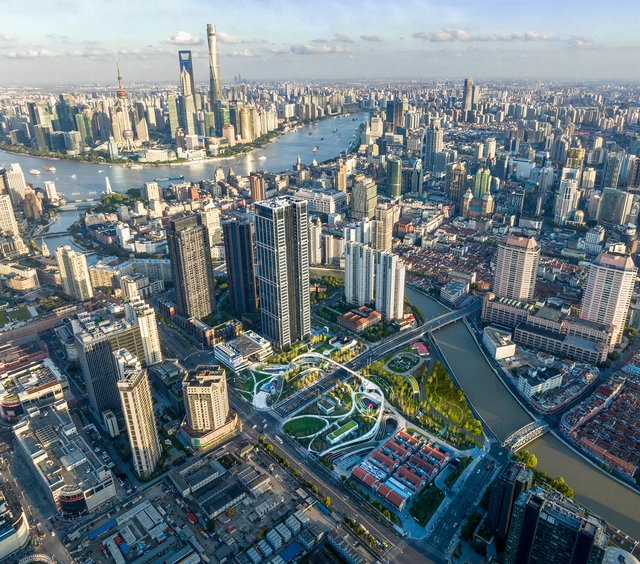
More than half of the world's population resides in urban areas, with over 4 billion people depending on cities as their main environment. According to the United Nations’ latest report on populations in cities, this number is expected to continue to increase over the next 50 years, prompting cities worldwide to strive to find better ways to accommodate their growing population while transitioning to more sustainable urban practices. To highlight this responsibility, the United Nations has declared July 11th the World Population Day.
Under this year’s theme, “To Leave No One Behind, Count Everyone,” the UN aims to also draw attention to the importance of data collection for reflecting societal diversity. The growth of world cities is part of this equation as an important measure for understanding global population trends. The following list presents the top 20 cities worldwide in 2024, ranked by the population size of their metropolitan areas. Comparing the results to the previous editions, the only cities to reduce their size are the two cities from Japan, Tokyo and Osaka. The highest growth rates can be observed in African mega-cities, Kinshasa and Lagos, while China continues to be the most present country in the list, with 5 metropolises present in the top 20: Shanghai, Beijing, Chongqing, Tianjin, and Guangzhou.


Increasing urbanization, excessive waste production, excessive consumption of material goods, and exploitation of natural resources. There are many factors that contribute to the environmental impact of humans on Planet Earth. Scarcity of raw materials and the use of non-renewable resources is already the reality of some locations, and nature can no longer reclaim renewables at the same pace as it is exploited. The impact of human activities is so remarkable that scientists have pointed out that we are living in the new geological age of the Anthropocene (the Greek word for “the recent age of man”). The construction industry in particular is a major resource consumer and waste generator. In the European Union, the construction and use of buildings represents about 50% of all resource extraction and energy consumption, and about one third of all water consumption. [1] In 2014, 52% of all waste was attributed to the construction sector. [2].